clashcircle44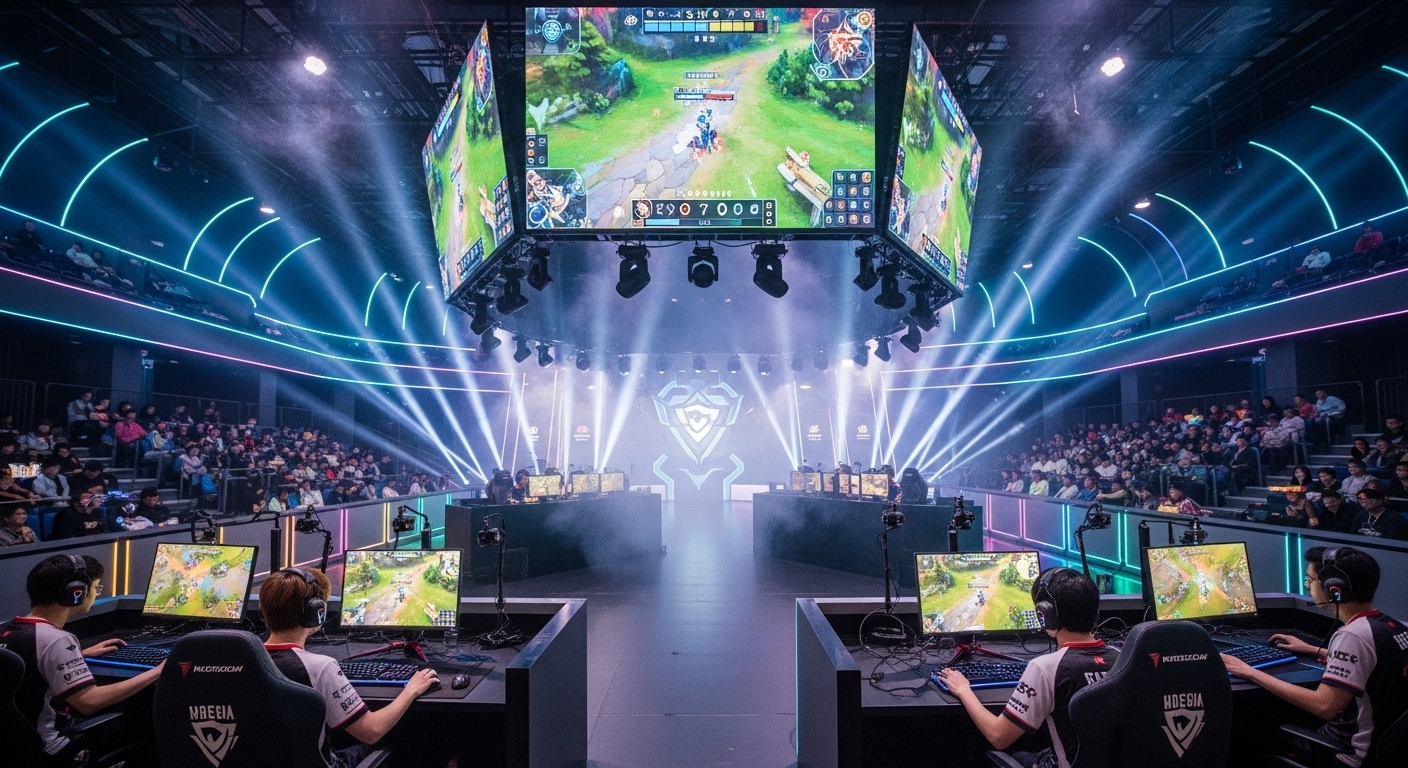
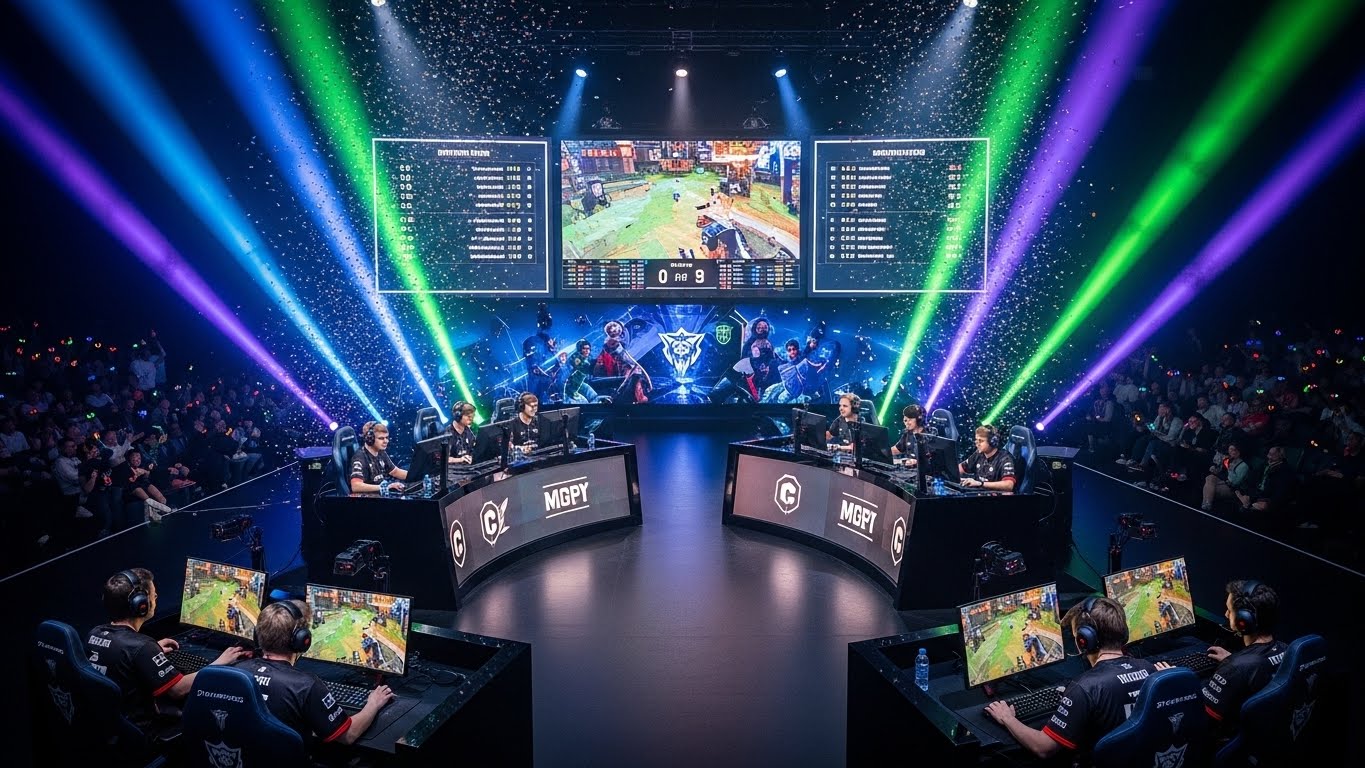
Over the past decade, esports has transitioned from a niche hobby enjoyed by gamers to a global phenomenon, drawing millions of viewers, lucrative sponsorships, and international attention. Today, esports is not just about casual gaming or competitive play in your living room. It’s a booming industry that rivals traditional sports in terms of revenue, audience size, and cultural impact. In this blog post, we’ll dive deep into the world of esports, exploring its rapid growth, its significance in the entertainment landscape, and what the future holds for competitive gaming.
What is Esports?
At its most basic, esports refers to organized multiplayer video game competitions, particularly between professional players, teams, and organizations. Unlike casual gaming, where individuals play games at their own pace for entertainment, esports focuses on high-level competitive play. Players spend countless hours training, strategizing, and competing in organized tournaments for substantial prize money, sponsorships, and fame.
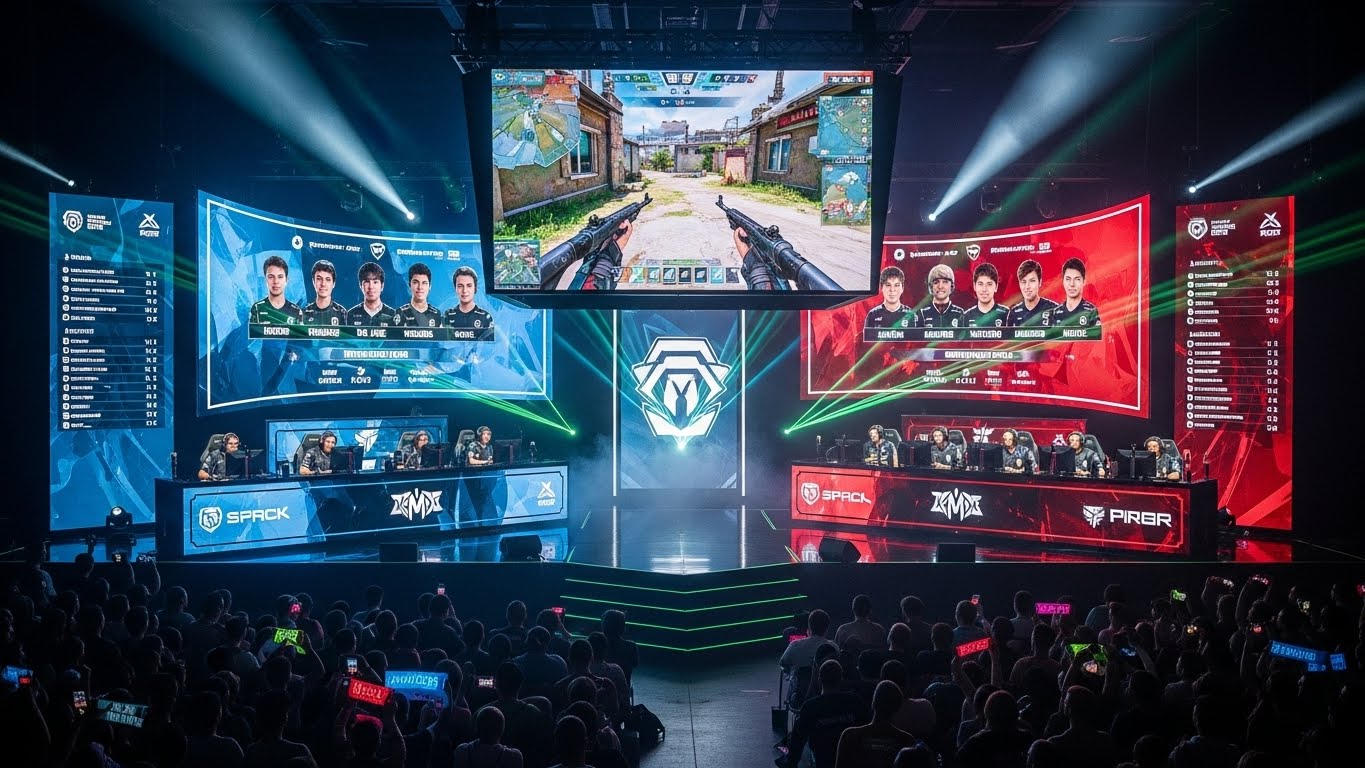
Esports spans a variety of video game genres, including real-time strategy games, first-person shooters, multiplayer online battle arenas (MOBAs), and sports simulations. Some of the most well-known esports titles include League of Legends, Dota 2, Counter-Strike: Global Offensive, Overwatch, and Fortnite. These games are played at the highest levels by professionals who compete in tournaments around the world, with live streams, TV broadcasts, and arena events attracting millions of fans.
The Origins of Esports: From LAN Parties to Global Leagues
The history of esports dates back to the late 1990s and early 2000s when players would gather for local area network (LAN) parties to compete in multiplayer games like Quake, StarCraft, and Warcraft III. These events were mostly informal and took place in small, community-based settings. However, the idea of competitive gaming began to gain traction in the early 2000s when companies like Blizzard and Valve started organizing large-scale tournaments for their popular games.
One of the early milestones in esports was the launch of the World Cyber Games (WCG) in 2000. It was one of the first major international esports tournaments, attracting players from around the world to compete in games like StarCraft and Counter-Strike. This event set the stage for the growth of professional esports by introducing a global competition model.
In 2011, Riot Games revolutionized the esports landscape with the launch of League of Legends, a game that would eventually become the centerpiece of modern esports. Riot Games took a proactive approach in developing the esports scene by creating the League of Legends Championship Series (LCS), a professional league with structured seasons and events. This was a major step toward turning esports into a professional sport with organized teams, coaches, analysts, and sponsorship deals.
Esports and the Growth of Streaming Platforms
Streaming platforms like Twitch and YouTube have played an instrumental role in the rise of esports. Before streaming platforms, esports competitions were mostly limited to small LAN events or niche communities. However, platforms like Twitch, which was launched in 2011, allowed players and teams to broadcast their matches to a global audience in real-time. Twitch not only made esports competitions more accessible but also helped build a vibrant community of viewers and streamers who could engage with each other.
The impact of Twitch on esports cannot be overstated. In addition to providing a platform for live broadcasts of competitive gaming, Twitch allowed streamers to earn revenue through ads, donations, and subscriptions. This created a new career path for gamers, and many professional players now stream their practices and games regularly to build their personal brands and engage with fans.
Today, esports events are regularly broadcast on platforms like Twitch, YouTube Gaming, and Facebook Gaming. Major tournaments, such as the League of Legends World Championship and The International (the annual Dota 2 championship), attract millions of viewers, with some events rivaling the viewership numbers of traditional sports finals. The accessibility and reach of streaming have turned esports into a global entertainment powerhouse.
The Economics of Esports: Revenue and Sponsorships
Esports is no longer just a pastime for hardcore gamers; it has become a serious business. According to recent estimates, the global esports industry is expected to surpass $1.5 billion in revenue by 2025. This revenue comes from various sources, including sponsorships, advertising, media rights, ticket sales, and merchandise.
Sponsorships are a huge part of the esports revenue model. Major brands from industries such as technology, consumer goods, and automotive have invested heavily in esports sponsorships. Companies like Intel, Red Bull, Coca-Cola, and Audi have all signed multi-million-dollar deals with esports organizations, players, and events. These sponsorships allow companies to tap into the massive audience that esports commands, particularly the younger demographic that is often harder to reach through traditional advertising channels.
Media rights also play a significant role in the esports economy. As esports continues to grow in popularity, more broadcasters are vying for the rights to air major esports events. In some cases, esports tournaments have been aired on traditional television networks, further cementing their place in the mainstream entertainment industry.
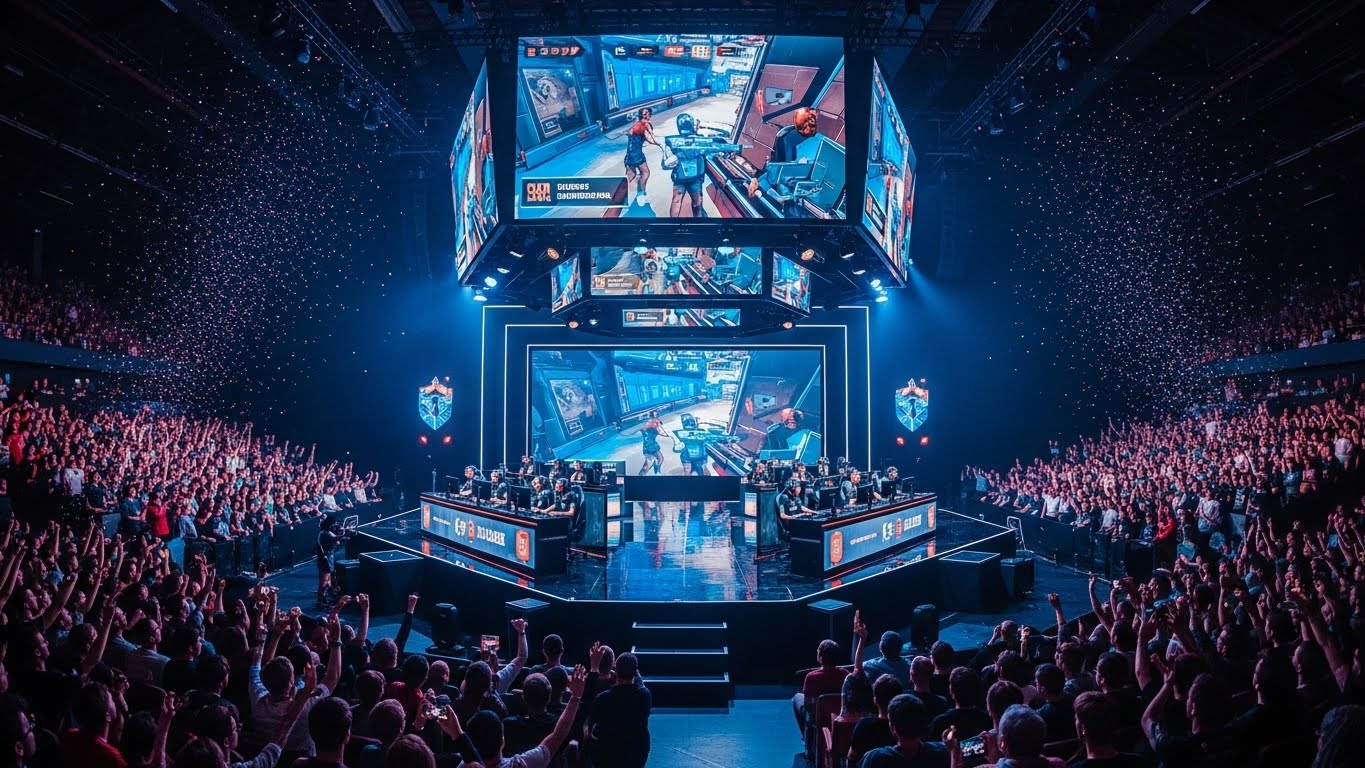
Ticket sales for esports events have also become a major source of revenue. Large-scale tournaments like The International and the League of Legends World Championship are held in massive arenas that attract thousands of fans. These events are often accompanied by fan festivals, merchandise booths, and live entertainment, creating a festival-like atmosphere for attendees.
The Role of Esports Teams and Players
Like traditional sports, esports has professional players, teams, coaches, and managers who make up the backbone of the industry. Professional esports players are often recruited by esports organizations that provide them with salaries, training facilities, and sponsorship deals. These organizations also manage the logistics of tournament participation, contracts, and marketing, allowing players to focus on perfecting their gameplay.
Professional teams compete in leagues and tournaments, which are often broadcast live to millions of fans. Teams in games like League of Legends, Counter-Strike, Overwatch, and Call of Duty often have long-term rivalries that fuel fan engagement and keep audiences coming back for more.
While the spotlight is usually on the players, other roles within esports organizations are just as crucial. Coaches and analysts help players develop strategies and improve their gameplay, while content creators and broadcasters help market teams and engage with fans. Event organizers, production crews, and community managers all work behind the scenes to ensure the smooth execution of tournaments and the continued growth of esports.
The increasing visibility of esports players has helped them build personal brands, much like athletes in traditional sports. Many top players have become celebrities in their own right, with millions of followers on social media platforms like Twitter and Instagram. Some have even turned their popularity into lucrative business opportunities, including brand partnerships, streaming deals, and personal merchandise lines.
The Global Appeal of Esports
One of the most impressive aspects of esports is its global appeal. Unlike traditional sports, which can be geographically limited due to factors like language, infrastructure, and cultural preferences, esports is a digital-first form of entertainment that transcends borders. Anyone with an internet connection can tune into an esports competition, making it a truly global event.
Esports has exploded in regions such as North America, Europe, and Asia, with countries like South Korea being early pioneers of the competitive gaming scene. In South Korea, esports has been recognized as a legitimate professional sport, with dedicated TV channels broadcasting live events. In fact, StarCraft—a game that launched in 1998—became a national obsession in South Korea, and players became household names.
In China, esports is equally huge, with games like League of Legends and Honor of Kings attracting millions of players and viewers. Other regions, including Southeast Asia, Europe, and North America, have also embraced esports, hosting massive tournaments and developing their own professional leagues.
The cultural impact of esports is also notable. Many esports tournaments now feature entertainment segments, live performances, and celebrity appearances, making them feel like major entertainment events. The rise of esports has also brought attention to gaming culture, with esports stars and influencers becoming role models for young gamers and fans.
The Challenges Facing Esports
Despite its rapid growth, esports faces several challenges. One of the primary concerns is the physical and mental health of players. Professional gamers often train for long hours each day, leading to issues such as repetitive strain injuries, eye fatigue, and mental burnout. As esports players reach their peak performance early in life, many face the challenge of maintaining their competitive edge while also dealing with the pressure of constant competition.
Another concern is the lack of diversity in esports. While gaming itself is a hobby enjoyed by people of all backgrounds, esports is still a male-dominated field. Although there are efforts to improve diversity and inclusion within the industry, female players and underrepresented groups continue to face barriers to entry in professional esports leagues.
Finally, cheating and match-fixing remain persistent issues in the esports community. As the stakes of esports tournaments have increased, so too has the temptation to manipulate the outcomes for financial gain. Developers, organizers, and governing bodies have taken steps to address these issues by implementing anti-cheat systems and ensuring more rigorous monitoring of competitive play.
Looking Ahead: The Future of Esports
The future of esports is incredibly promising. As the industry continues to mature, we are likely to see more mainstream acceptance and integration with traditional sports and entertainment. Many esports organizations are already forming partnerships with mainstream sports teams, broadcasters, and streaming platforms. Esports is becoming increasingly popular with younger generations, and it’s likely to continue growing as the next generation of fans comes of age.
New technologies such as virtual reality (VR) and augmented reality (AR) have the potential to revolutionize the way fans experience esports, making it more immersive and interactive. VR could allow fans to experience games from a player’s perspective, or even watch matches