clashcircle44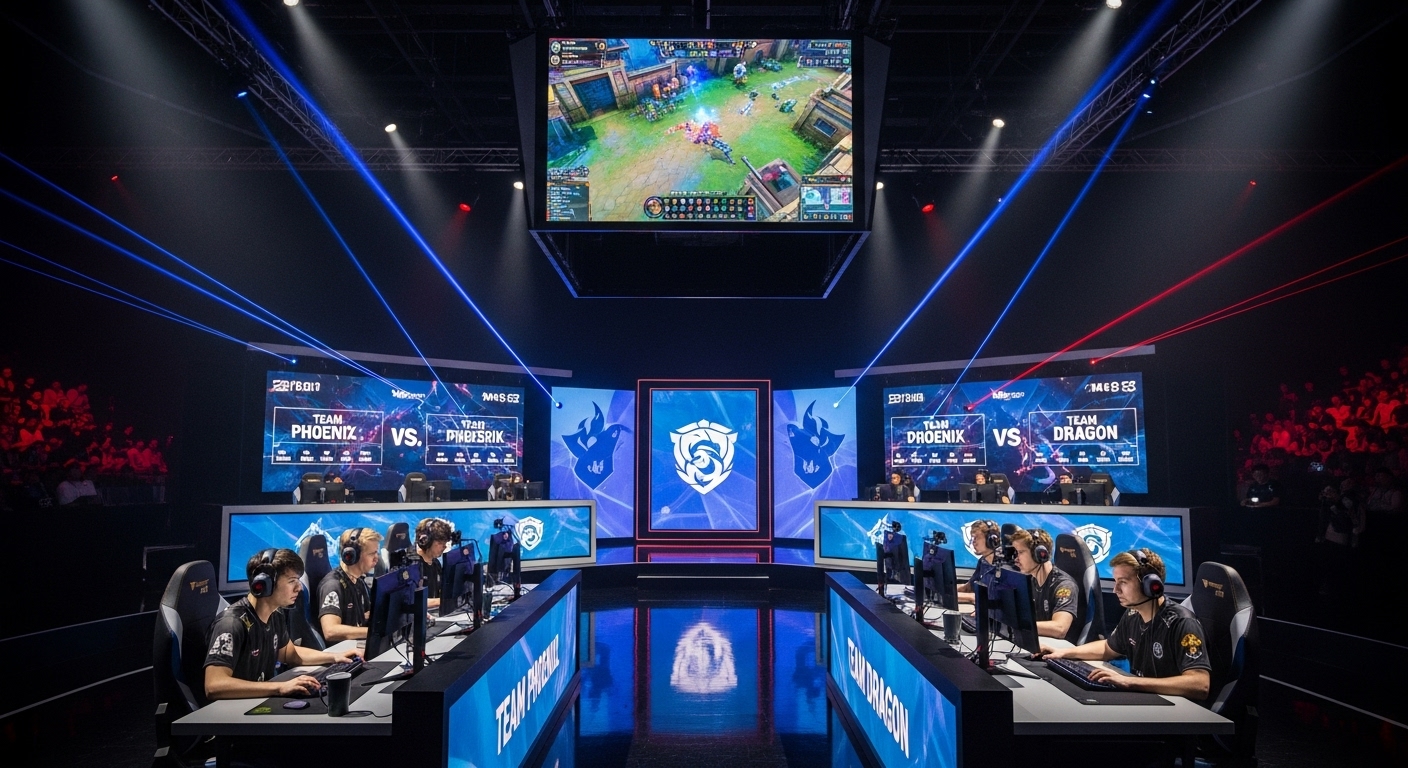
In the past two decades, esports has emerged from a niche subculture into a global entertainment powerhouse. Once seen as a pastime for a small, dedicated group of gamers, competitive gaming now attracts millions of viewers, generates billions of dollars in revenue, and garners mainstream recognition. As video games continue to evolve, so too does the world of competitive play, becoming a new form of sport that captures the imaginations of players and fans alike. In this blog post, we will explore the rise of esports, its impact on both the gaming and sports industries, and the cultural and economic implications of this rapidly growing phenomenon.
What is Esports?
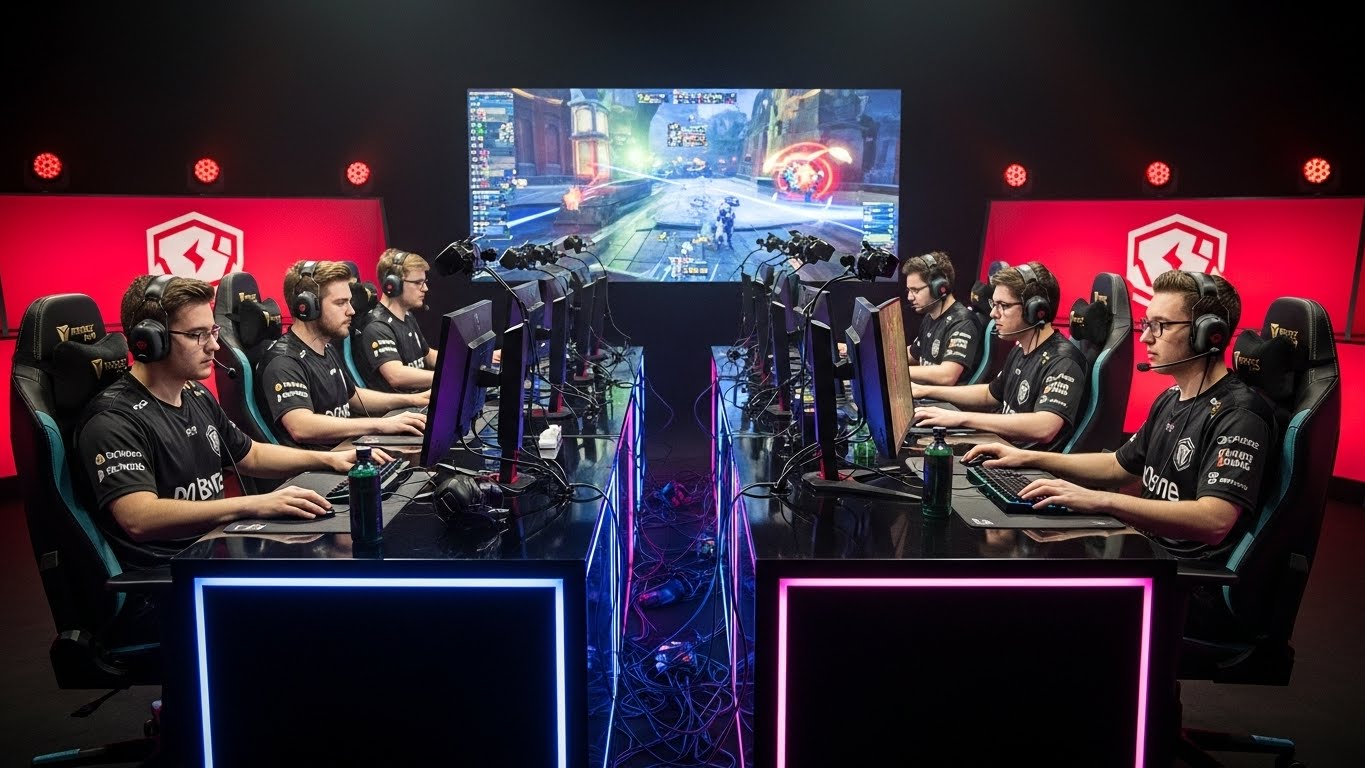
At its core, esports is a form of competitive gaming where individuals or teams participate in organized tournaments or leagues, often for substantial prizes and titles. Esports can take many different forms, ranging from real-time strategy games like StarCraft II to battle royale titles like Fortnite, multiplayer online battle arenas (MOBAs) like League of Legends, and first-person shooters such as Counter-Strike: Global Offensive (CS: GO). What sets esports apart from regular gaming is the level of competition, organization, and professional structure.
Esports is often referred to as “electronic sports” because it mirrors traditional sports in many ways, including the presence of professional teams, coaches, analysts, live audiences, and large-scale broadcasting events. However, unlike traditional sports, esports is firmly rooted in digital technology. The rise of online multiplayer games and the growth of streaming platforms have provided a stage for this competitive format to flourish on a global scale.
The Origins and Growth of Esports
The roots of esports can be traced back to the late 20th century, when video games first began to include multiplayer modes. Early competitive gaming took place in small gatherings, LAN (Local Area Network) parties, and small-scale tournaments. However, it was the rise of games like Warcraft, StarCraft, and Quake in the 1990s that truly laid the foundation for modern esports.
The first major esports tournament was the 1997 Red Annihilation tournament for Quake, which offered a significant cash prize and attracted competitors from all over the world. The event’s success sparked interest in larger-scale competitions, which soon evolved into professional leagues. By the mid-2000s, Korea became the epicenter of competitive gaming, with the StarCraft scene growing rapidly. This era also saw the advent of streaming platforms, particularly Twitch, which further popularized the idea of watching others play games.
The tipping point came with the development of global tournaments for games like League of Legends, Dota 2, and Overwatch. These games introduced significant prize pools, sponsorships, and media partnerships, drawing in large viewerships and attracting a new generation of fans.
Esports as a Professional Industry
Esports today is an established, multi-billion-dollar industry. The professionalization of competitive gaming has brought a level of legitimacy and respect to the scene. Players are no longer just hobbyists but highly skilled athletes who compete at the highest level. Like traditional athletes, esports competitors must train rigorously, maintain peak performance, and develop a deep understanding of their game mechanics.
The growing recognition of esports as a legitimate profession has been fueled by substantial investment from major corporations, including tech companies, beverage brands, and even automobile manufacturers. Companies like Intel, Coca-Cola, and Nike have invested heavily in esports, sponsoring teams, events, and creating products aimed at the esports community. These sponsorships not only increase the financial rewards for players but also help legitimize esports as a mainstream form of entertainment.
Today, top esports athletes can earn substantial salaries, both from tournament winnings and through sponsorships, streaming revenue, and product endorsements. Some esports stars, like Faker (Lee Sang-hyeok), Ninja (Tyler Blevins), and s1mple (Oleksandr Kostyliev), have achieved celebrity status and enjoy the kind of recognition once reserved for athletes in traditional sports.
Esports Tournaments and Global Competitions
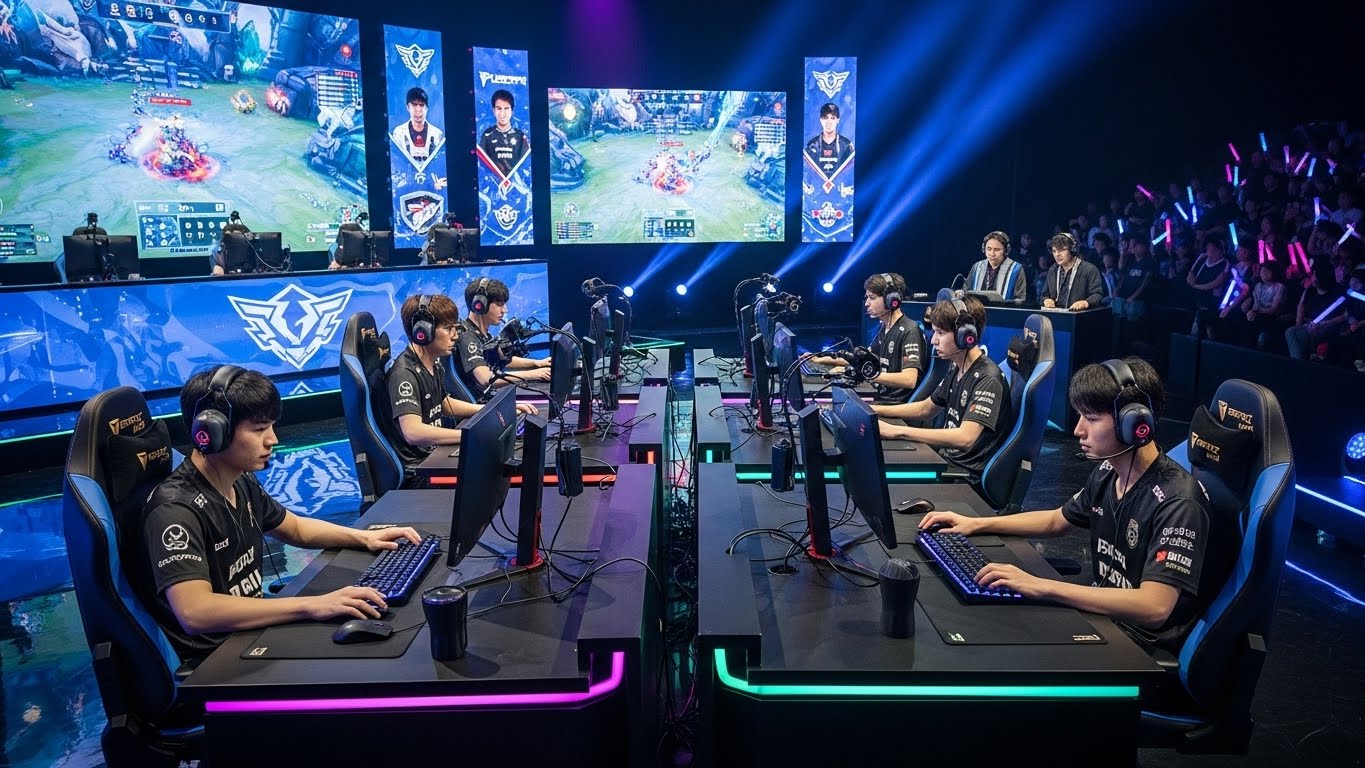
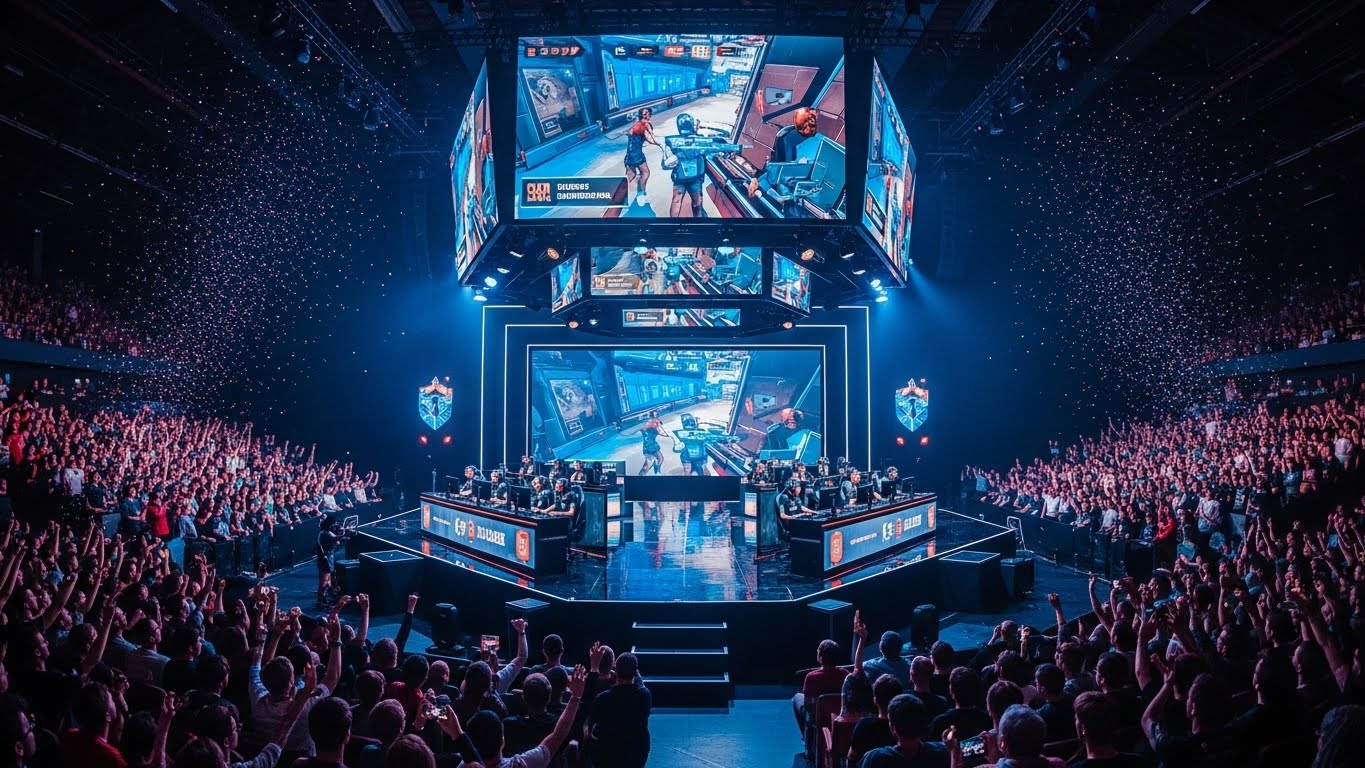
One of the most exciting aspects of esports is the scale of the tournaments. Events like The International (Dota 2), League of Legends World Championship, and CS: GO Major Championships bring together the best players and teams from all corners of the globe. These tournaments are held in massive arenas and attract millions of viewers online. The prize pools are also staggering, with some competitions offering tens of millions of dollars in rewards.
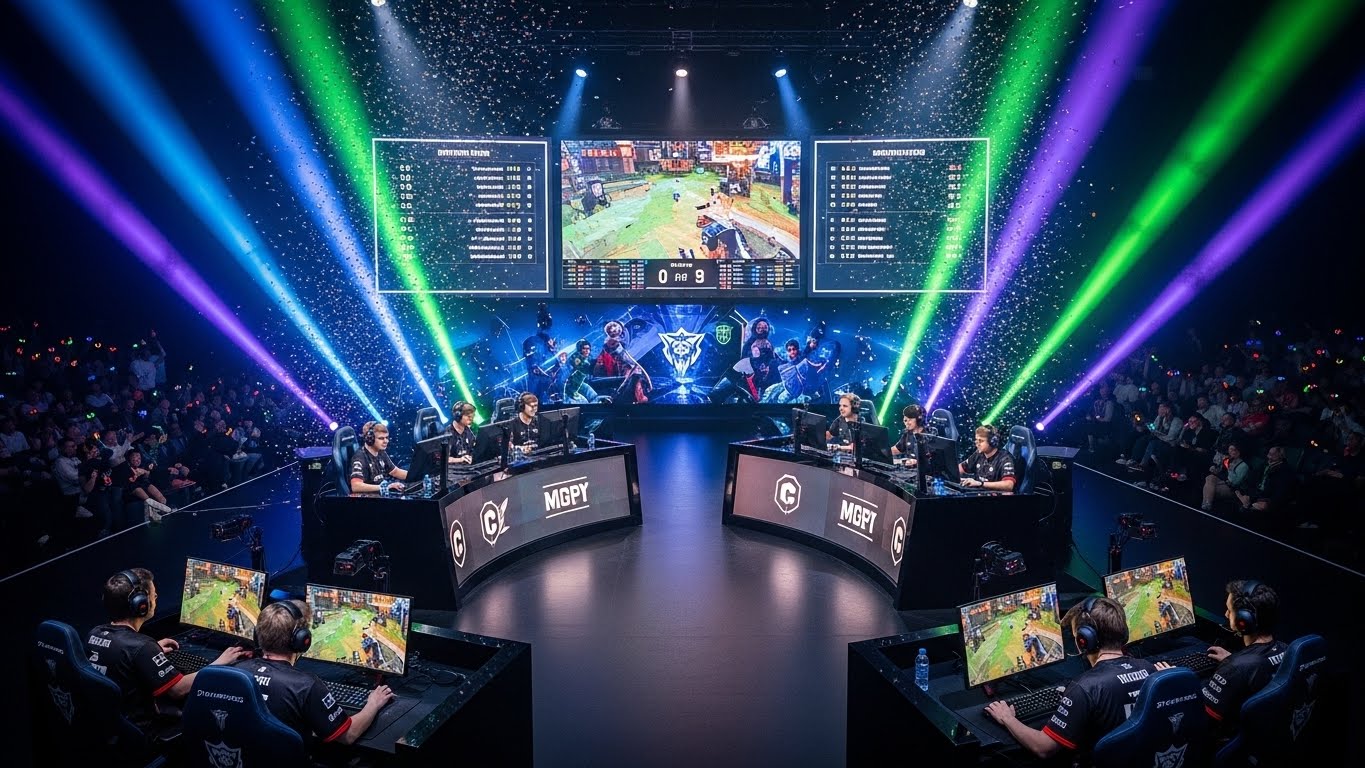
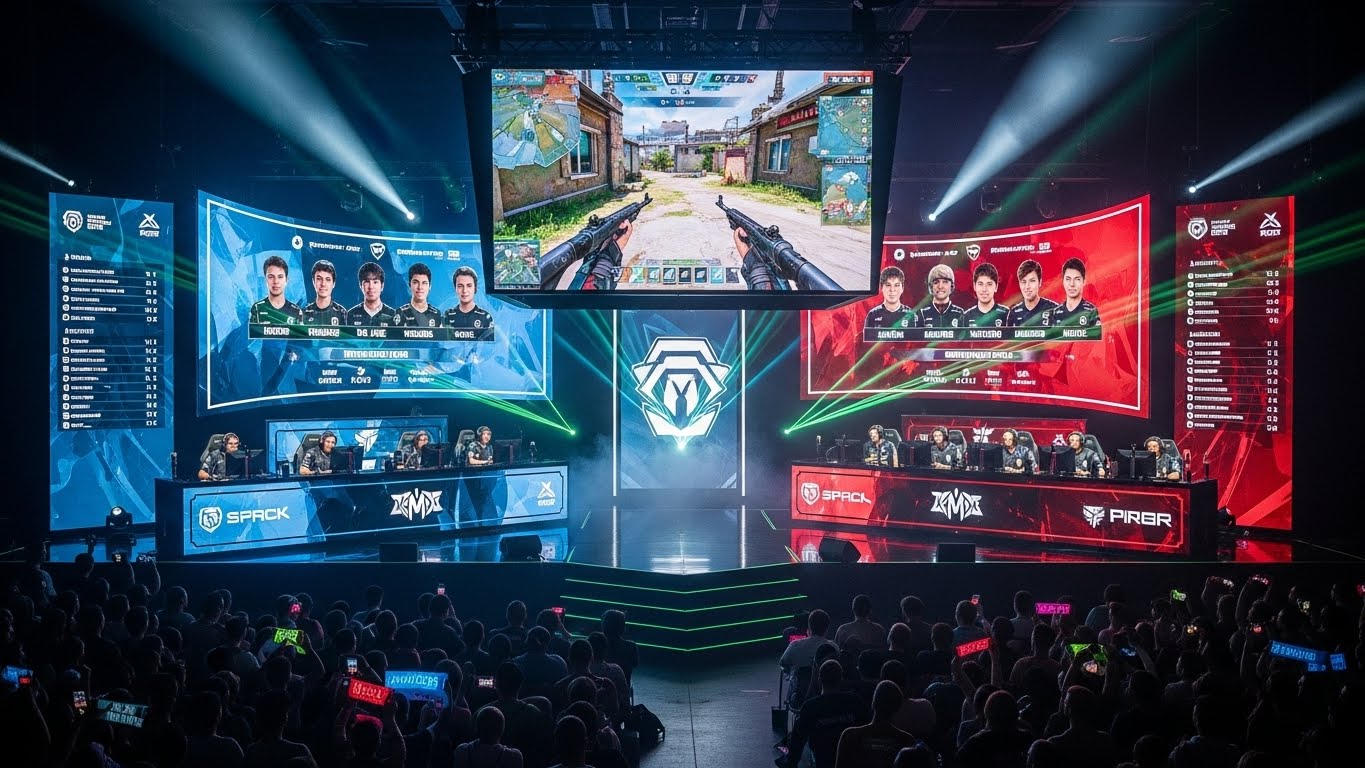
The most notable aspect of these events is the sheer spectacle they provide. Just as traditional sports competitions fill stadiums with fans, esports tournaments bring tens of thousands of spectators to sold-out arenas, while millions more tune in online to watch the action live. Major esports events are broadcast on platforms like Twitch, YouTube Gaming, and Facebook Gaming, where viewers can watch in real-time, interact with their favorite players, and engage with the community.
Esports tournaments also provide an intense competitive environment for players and teams. With multiple rounds, intense rivalries, and significant monetary rewards on the line, the pressure is high. Players train for months in advance, often working with coaches and analysts to improve their strategies and tactics. These competitions are not only about individual skill but also about teamwork, communication, and adaptability under pressure.
The Impact of Esports on Popular Culture
The rise of esports has not only transformed the world of gaming but also had a profound impact on broader popular culture. Esports stars have become celebrities in their own right, with legions of fans following them on social media platforms like Instagram, Twitter, and YouTube. They regularly interact with their audience through livestreams, Q&A sessions, and sponsored content, which further builds their personal brand.
Esports has also influenced music, fashion, and technology. Music artists often perform at major esports events, while clothing brands release limited-edition esports-inspired merchandise. In fact, many esports teams have their own lines of clothing, designed to capitalize on their popularity. Technology companies are also eager to invest in esports, with companies like ASUS, Razer, and MSI developing gaming hardware and peripherals tailored to the needs of competitive gamers.
Moreover, esports has opened new doors for content creation. The rise of YouTube Gaming and Twitch has allowed gamers to build massive followings through streaming. Platforms like these have transformed esports into a form of entertainment that rivals traditional TV and film in terms of viewership. In fact, some esports competitions now attract more viewers than major televised sports events, particularly among younger demographics.
The Economic Influence of Esports
The economic impact of esports is undeniable. According to various reports, the global esports market is expected to generate over $1.5 billion in 2025, with substantial growth in sponsorship, media rights, and merchandise sales. As esports has become a viable business model, new career opportunities have emerged within the ecosystem, including game developers, analysts, coaches, tournament organizers, broadcasters, and more.
Sponsorship and advertising revenue form the backbone of esports’ financial success. Just as companies sponsor traditional sports teams, brands now partner with esports teams, players, and events to reach a younger, more engaged audience. As esports continues to expand globally, its financial potential will likely continue to grow, providing opportunities for both large corporations and smaller companies to capitalize on this growing market.
Furthermore, the infrastructure surrounding esports has created an entire ecosystem. Event organizers, game publishers, media companies, and talent agencies are all benefiting from the growth of competitive gaming. As esports’ reach continues to expand, more venues will be built specifically for gaming events, and television networks may increasingly explore broadcasting esports competitions alongside traditional sports.
The Future of Esports
As esports continues to grow, the future holds exciting possibilities. Emerging technologies, such as virtual reality (VR) and augmented reality (AR), are expected to have a significant impact on the evolution of esports. These technologies could create more immersive and interactive gaming experiences for both players and fans, taking the competitive experience to new heights.
Moreover, the inclusion of esports in traditional sports frameworks is increasingly being discussed. The Olympic Games, for example, has been considering the possibility of integrating esports into its official competitions, signaling the potential for esports to be seen alongside physical sports. As more organizations adopt esports as a legitimate form of competition, it will likely gain even more mainstream recognition.
Esports will also continue to become more inclusive, with growing efforts to encourage diversity and inclusivity within gaming communities. Initiatives to promote women in esports, address harassment, and create safe spaces for all players are essential for ensuring that esports remains a welcoming environment for everyone, regardless of gender, race, or background.
Conclusion
Esports has firmly established itself as one of the most influential cultural and economic forces in the world of entertainment. What began as a small group of gamers competing for fun has transformed into a global industry worth billions of dollars. With professional leagues, massive audiences, and an ever-growing infrastructure, esports is poised for continued growth in the coming years.
As technology advances, esports will continue to push boundaries, offering new experiences and opportunities for both players and fans. Whether you’re a competitive gamer or someone simply enjoying the spectacle of a major tournament, esports represents the future of digital entertainment. The industry is here to stay, and its influence will only grow as it continues to captivate audiences around the world.