clashcircle44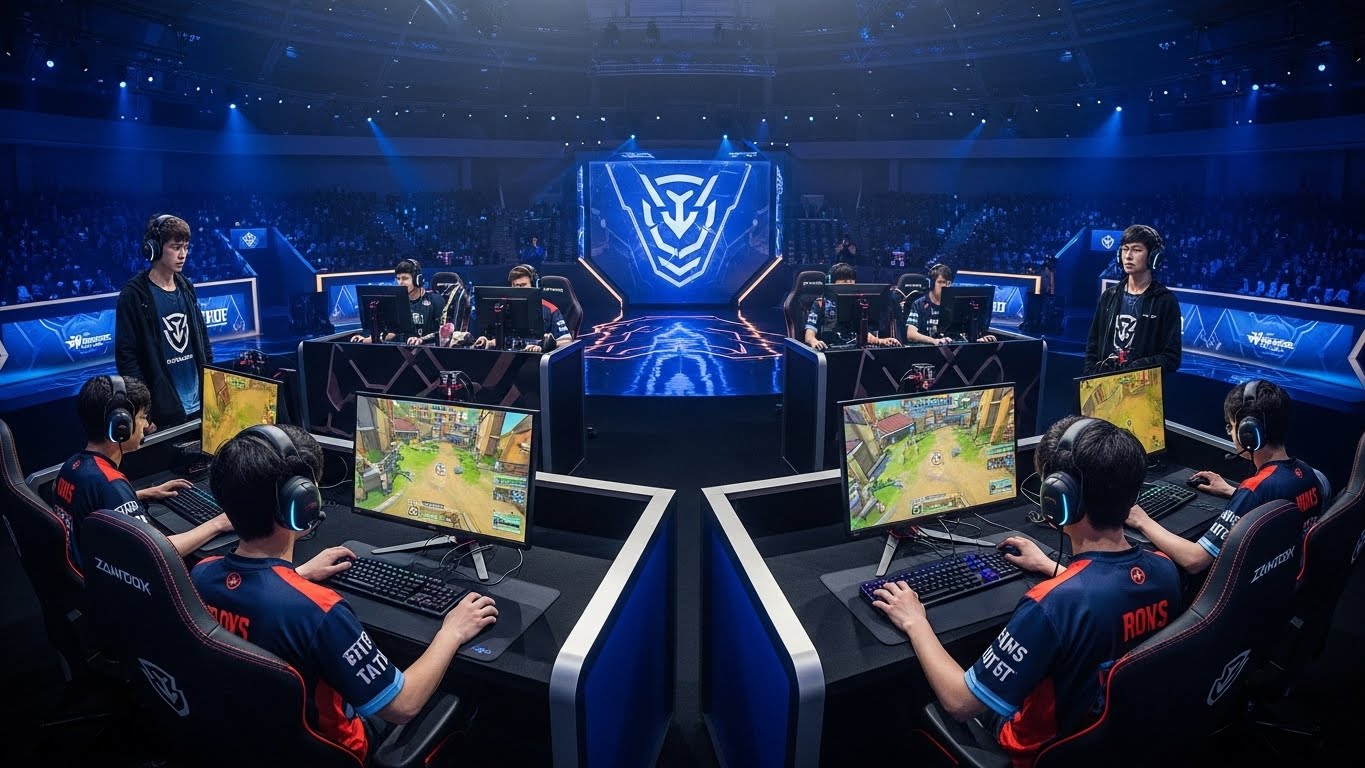
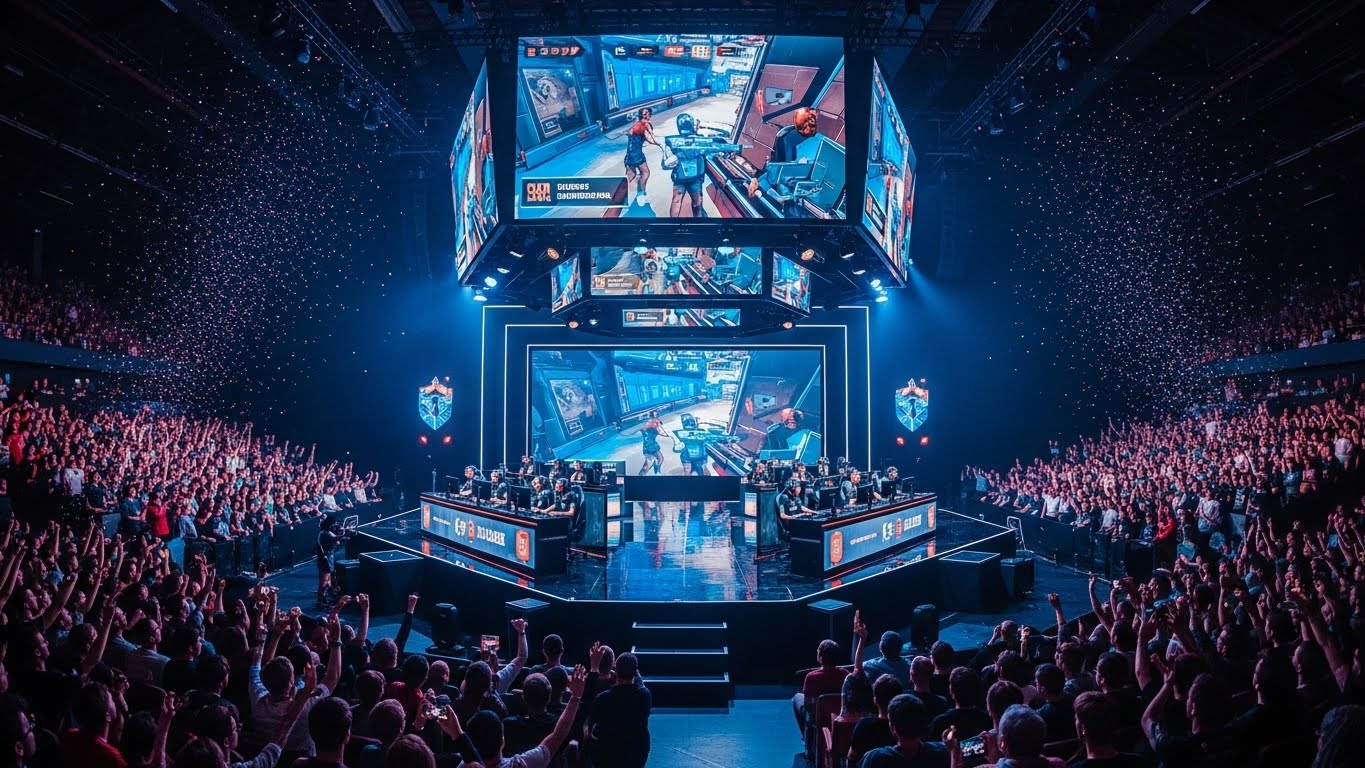
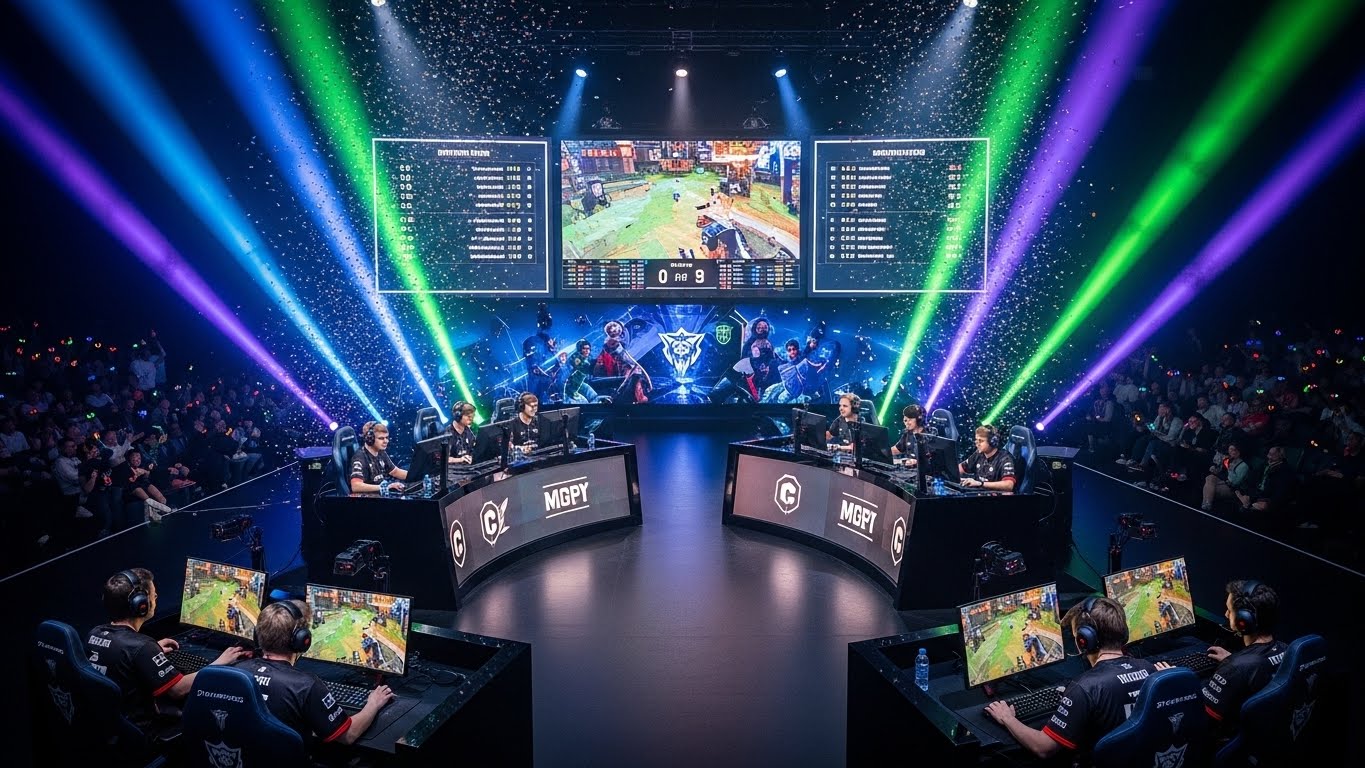
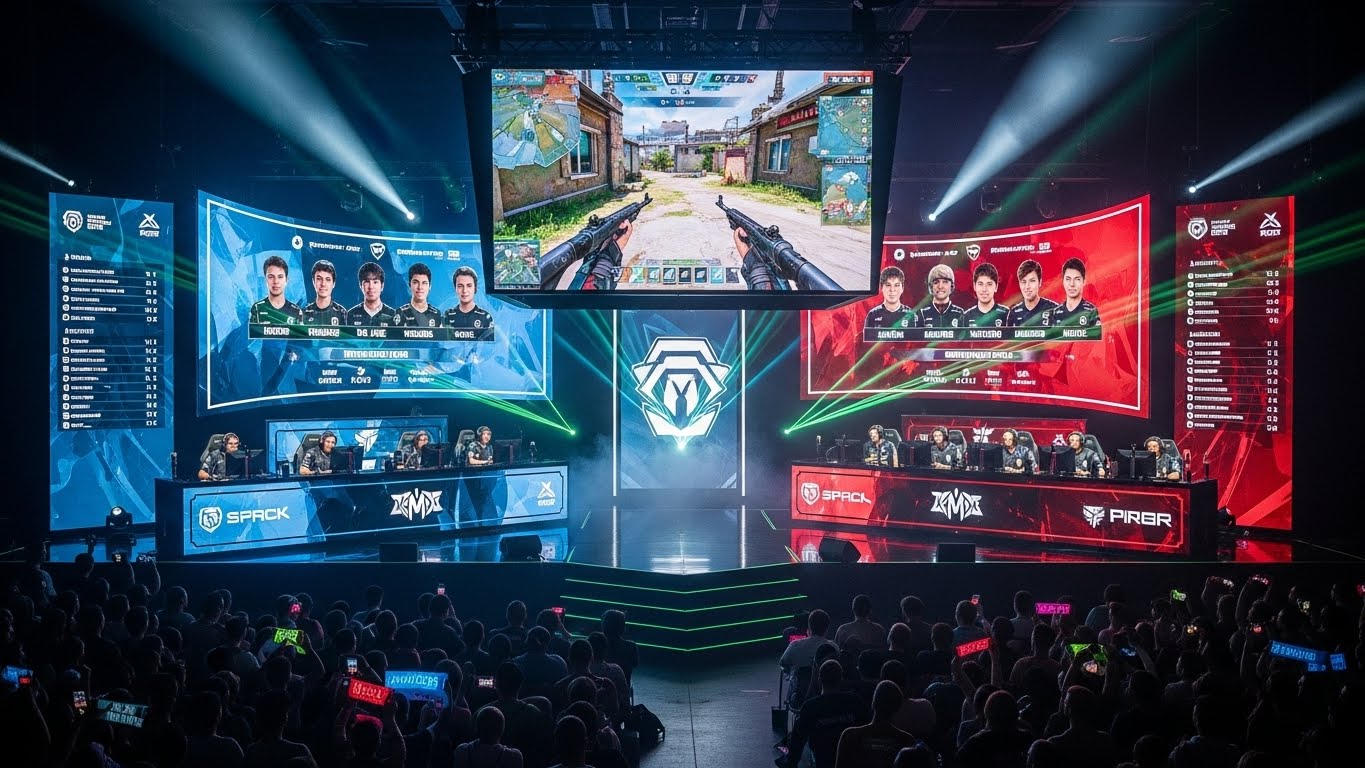
eSports, or competitive gaming, has exploded in popularity over the last decade. What was once considered a niche hobby has now evolved into a multi-billion-dollar global industry, with professional players, massive sponsorships, and audiences comparable to traditional sports. From a group of passionate gamers huddled in basements to sold-out arenas and televised events, eSports is no longer a passing trend but a cultural phenomenon that continues to gain momentum.
In this blog, we’ll take a closer look at the rapid rise of eSports, its current state, and its potential future impact on the world of entertainment, technology, and sports.
Understanding eSports: More Than Just Playing Games
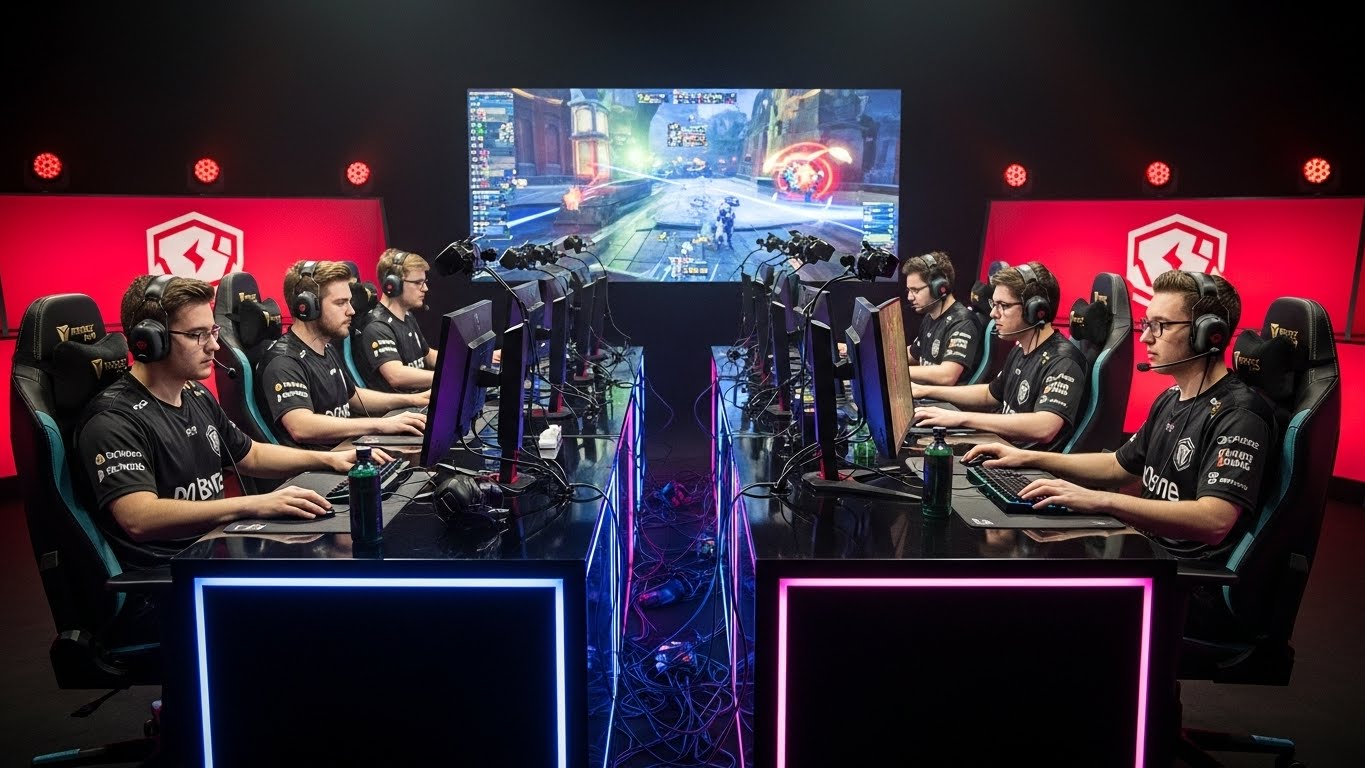
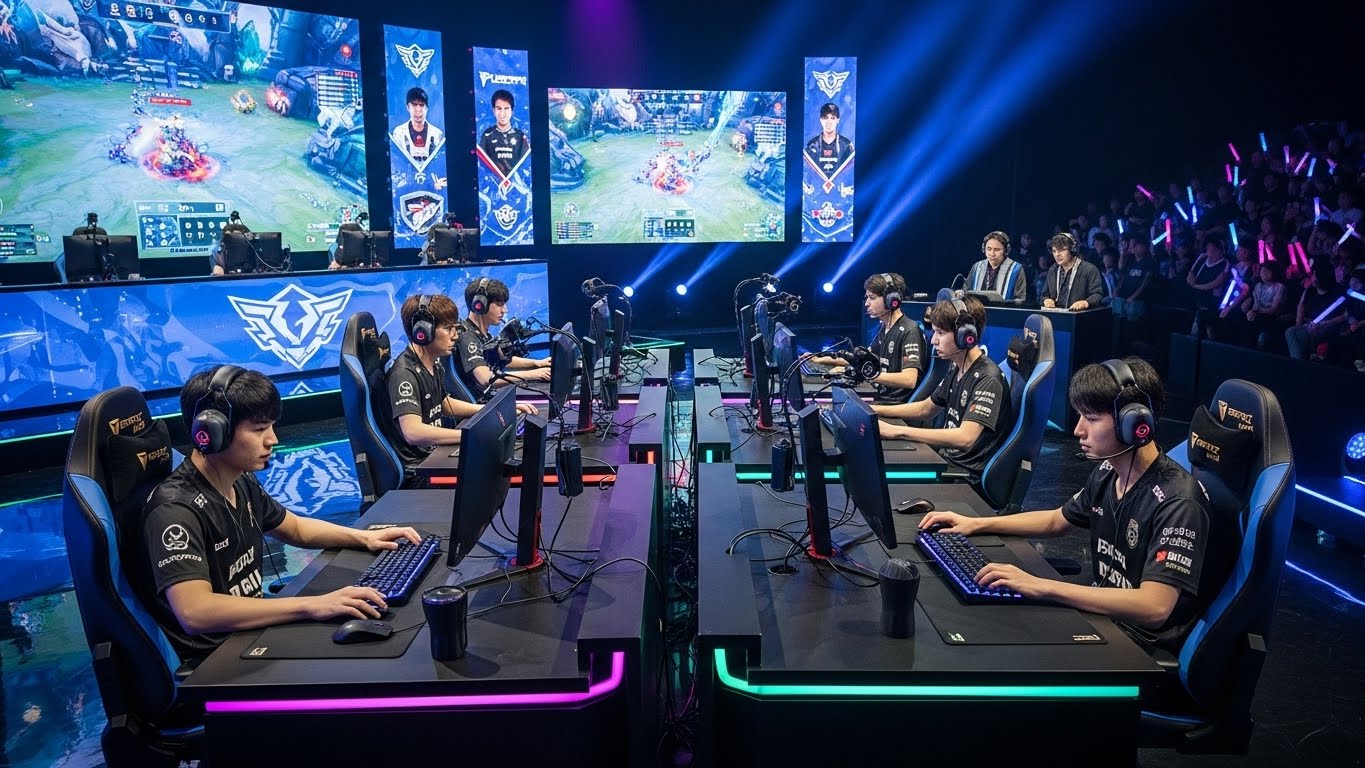
At its core, eSports is the competitive aspect of video gaming, where individuals or teams compete in various multiplayer video games in tournaments for prizes, glory, and recognition. Unlike casual gaming, eSports is organized and often professionalized, with players investing countless hours to hone their skills in specific games.
Games like League of Legends, Counter-Strike: Global Offensive, Dota 2, Overwatch, and Fortnite have become the hallmark of competitive gaming. These games are not just about playing for fun—they require a deep understanding of strategy, reflexes, communication, and teamwork. The level of dedication required to reach the professional tier of eSports is comparable to that of athletes in traditional sports, making the training and preparation both physically and mentally taxing.
eSports isn’t just limited to a few popular games; it spans a wide range of genres, from first-person shooters to strategy games, multiplayer online battle arenas (MOBAs), and sports simulations. The sheer diversity of games ensures that there is something for everyone, whether you’re a fan of fast-paced action or thoughtful strategy.
The Evolution of eSports: From Niche to Mainstream
eSports has not always enjoyed the widespread recognition it has today. In its early years, competitive gaming was mostly confined to local LAN (Local Area Network) tournaments, small college campuses, and amateur gaming clubs. But as internet connectivity improved and platforms like Twitch and YouTube made streaming and watching gameplay easier than ever, eSports began to grow exponentially.
The first major turning point came in the early 2010s when major game developers began investing heavily in eSports. Riot Games, the creator of League of Legends, built a global infrastructure around the game’s competitive scene, holding regional and international tournaments. This initiative was a game-changer, proving that eSports could be more than just a hobby and could evolve into a full-fledged professional sport.
Following Riot Games’ success, other companies like Valve (with Dota 2), Blizzard (with Overwatch), and Epic Games (with Fortnite) began creating their own competitive ecosystems. These companies implemented tournament structures, league systems, and large-scale events that attracted millions of viewers. By 2014, the League of Legends World Championship had a prize pool of over $2 million, drawing hundreds of thousands of live viewers, both online and in person.
The next major leap came with the increased involvement of major corporations, media companies, and traditional sports organizations. Global brands such as Coca-Cola, Intel, and Mercedes-Benz began to sponsor eSports teams and tournaments, elevating the industry’s credibility and financial viability. Additionally, major sports networks like ESPN and Fox Sports began airing eSports tournaments, providing visibility to a whole new audience.
The Role of Technology in eSports
Technology has been a driving force behind the rapid growth of eSports. High-performance gaming hardware, fast internet speeds, and sophisticated streaming platforms have all played crucial roles in shaping the competitive gaming landscape.
The quality of graphics and the speed of gameplay have reached new heights, allowing for highly immersive and visually stunning experiences. Games like Overwatch and Call of Duty have become more dynamic and realistic, while cutting-edge graphics engines deliver a new level of excitement to fans watching on screens around the world.
Furthermore, streaming platforms like Twitch, YouTube Gaming, and Facebook Gaming have made eSports more accessible to viewers worldwide. These platforms provide fans with the ability to watch tournaments live, engage with streamers, and even interact with other fans in real time.
Fast, low-latency internet is also essential for eSports tournaments to run smoothly. Online tournaments, where players are competing from different regions and even countries, require a stable connection to ensure fair play and prevent issues like lag or server problems. Technological innovations in cloud gaming, VR (virtual reality), and AI (artificial intelligence) also hold the potential to revolutionize eSports even further, creating more immersive experiences and enhanced training tools for players.
The eSports Audience: Who Is Watching?
One of the most remarkable aspects of eSports is its broad and diverse audience. While eSports was once considered something of a niche interest, the global popularity of gaming has attracted millions of viewers from all walks of life. As of 2021, eSports events attracted over 400 million viewers worldwide, with projections suggesting this number will grow in the coming years.
What sets eSports apart from traditional sports is its younger, tech-savvy audience. While traditional sports like football and basketball are often dominated by older demographics, eSports has successfully captured the attention of Generation Z and Millennials. In fact, eSports is now one of the most popular forms of entertainment among young people globally.
The appeal of eSports is multifaceted. For some, it’s the excitement of watching intense, high-level competition. For others, it’s the sense of community and connection with others who share a passion for gaming. Fans can interact with their favorite players and teams through social media, engage in live discussions during events, and even participate in fan-driven content like memes and fan art.
eSports also appeals to those who are avid gamers themselves, offering them a chance to watch professionals play the same games they enjoy and learn new strategies and techniques. This creates a cycle of engagement, where fans not only watch but actively participate in the ecosystem by streaming, discussing, or playing the games themselves.
The Economics of eSports: A Billion-Dollar Industry
The financial growth of eSports has been nothing short of extraordinary. In 2020, the global eSports industry was valued at over $1 billion, with projections for further growth in the coming years. Sponsorships, media rights, ticket sales, merchandise, and advertising revenue are driving this growth.
Brands have increasingly recognized the potential of eSports as a marketing tool, seeing it as a way to reach young, engaged, and tech-savvy consumers. Sponsorship deals with eSports teams and tournaments have become increasingly lucrative, and these sponsorships help to fund prize pools, team salaries, and event costs.
Players themselves can earn substantial incomes from sponsorships, prize money, and streaming revenue. In fact, many professional eSports players make six-figure salaries, with the top players bringing in millions of dollars annually. Additionally, eSports tournaments such as The International (for Dota 2) and League of Legends World Championship boast prize pools in the millions of dollars, making them highly coveted events in the gaming world.
The development of eSports as an industry has also created a wide range of career opportunities beyond playing. There are coaches, analysts, casters (commentators), event organizers, and content creators who contribute to the overall ecosystem. As the industry continues to grow, more and more jobs are being created, making eSports a viable career path for many people.
Challenges and Controversies in eSports
Despite its rapid growth, eSports is not without its challenges and controversies. One significant issue is the physical and mental health of professional players. The demanding training schedules, long hours spent in front of screens, and constant pressure to perform can take a toll on players’ well-being. Many players have reported experiencing burnout, anxiety, and other mental health issues due to the intense environment they work in.
Additionally, issues like cheating, match-fixing, and toxic behavior within the community have plagued eSports at times. These issues have drawn criticism from fans, players, and even developers, but organizations are working to address these problems through stricter regulations, codes of conduct, and increased oversight.
Despite these challenges, the eSports community remains resilient. Players, fans, and organizations continue to push for a more inclusive, healthier, and professional environment, which will only strengthen the industry as a whole.
The Future of eSports: Where Is It Heading?
The future of eSports looks incredibly bright. With its growing global audience, increasing investments, and expanding infrastructure, eSports is poised to continue its upward trajectory. As technology evolves, so too will the way we experience competitive gaming. Virtual reality (VR) and augmented reality (AR) could potentially play a large role in future tournaments, creating more immersive experiences for both players and viewers.
eSports could also see further integration with traditional sports. Some major sports organizations, like the NBA and NFL, are already exploring ways to incorporate gaming into their operations. In fact, the Olympics have even begun to consider the inclusion of eSports as a potential medal event, which would provide even greater legitimacy to competitive gaming as a global sport.
As the world continues to embrace eSports, there’s no telling how far it will go. What’s clear, however, is that competitive gaming is here to stay, and its impact will only continue to grow.