clashcircle44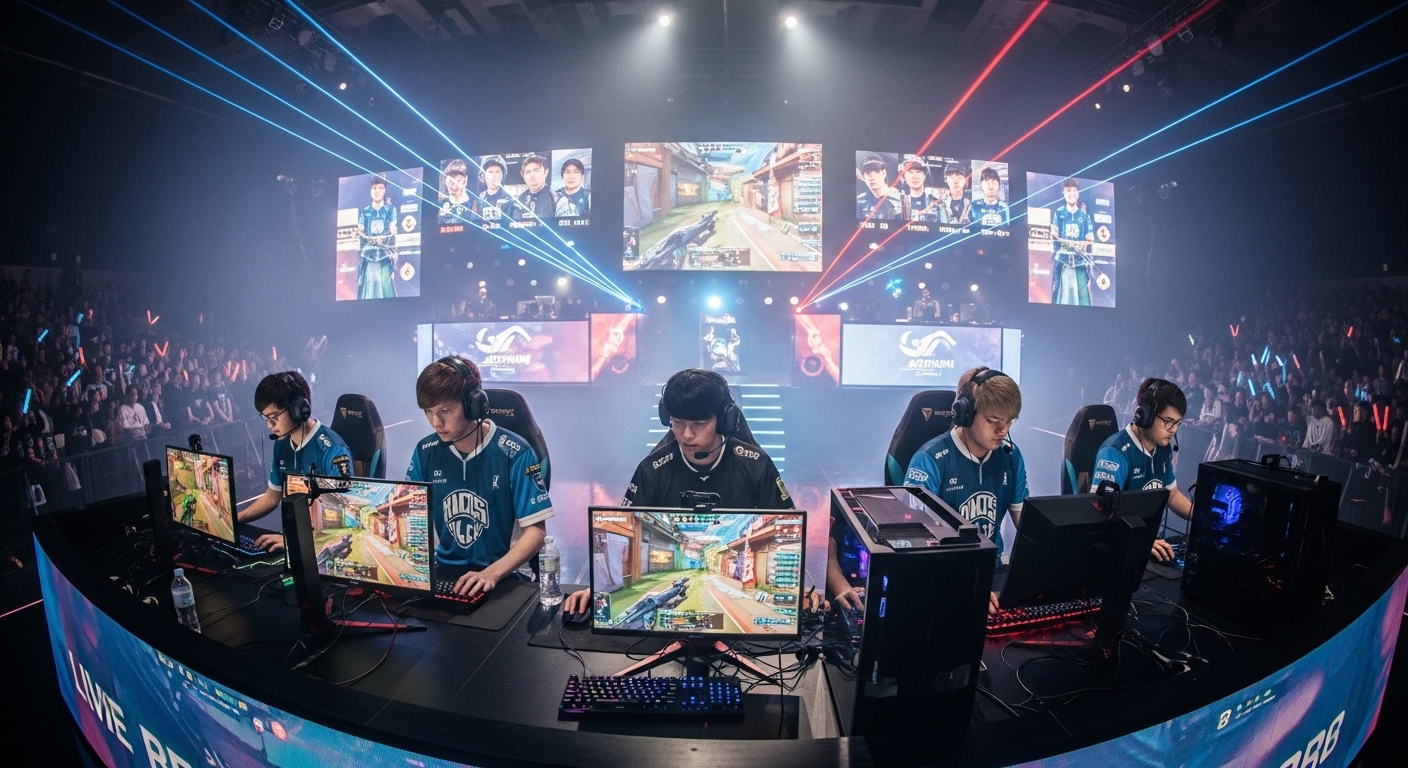
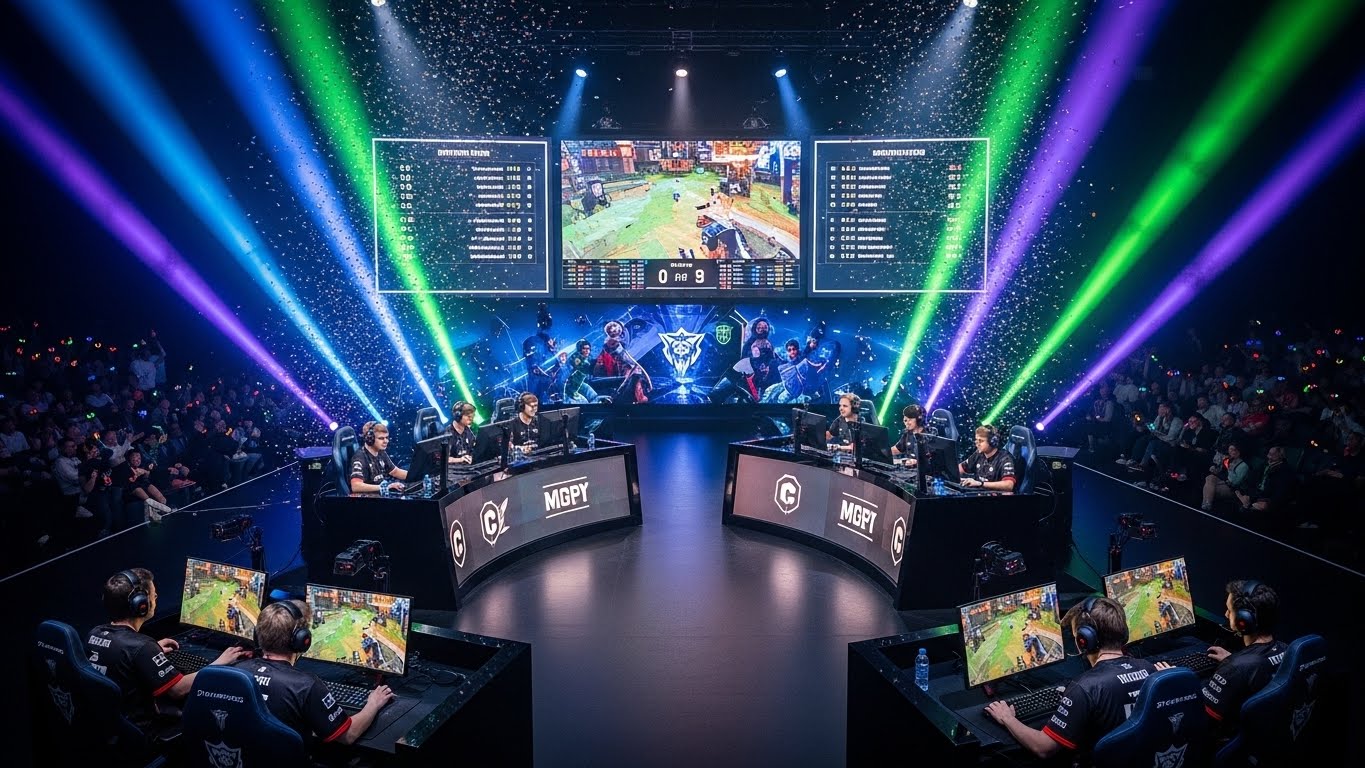
Over the last two decades, esports has grown from a niche hobby into a global phenomenon. What once was the domain of small online communities and local tournaments has now evolved into an industry worth billions of dollars, attracting sponsorships, investments, and viewership rivaling traditional sports. The transformation of esports reflects broader trends in technology, entertainment, and youth culture, reshaping the way people perceive competitive gaming.
At its core, esports represents competitive video gaming at a professional level. It encompasses a variety of genres, from first-person shooters to real-time strategy games, each offering unique challenges, strategies, and styles of play. The evolution of esports has been fueled by advancements in gaming technology, the proliferation of online streaming platforms, and the emergence of professional teams and players who are treated like traditional athletes in terms of fame, skill, and dedication.
A Brief History of Competitive Gaming
Competitive gaming isn’t entirely new. In fact, the roots of esports can be traced back to the 1970s and 1980s with arcade tournaments and early home computer games. One of the earliest documented competitions was the 1980 Space Invaders Championship in the United States, which drew thousands of participants and captured national attention.
The 1990s saw the rise of LAN (Local Area Network) tournaments for games like Quake, StarCraft, and Counter-Strike. These competitions allowed gamers to come together physically to compete in high-stakes matches, fostering the first serious competitive gaming communities. This era also marked the beginning of professional gaming as some players started to gain sponsorships and recognition.
However, the real explosion of esports came in the 2000s with the growth of online multiplayer games and streaming technology. Games such as Warcraft III, Dota, and Counter-Strike 1.6 became staples in competitive circuits, while platforms like YouTube and Twitch later provided the infrastructure for millions of fans to watch matches live, creating an entirely new form of spectator culture.
Popular Esports Genres and Games
Esports is not a monolith; it comprises various genres, each attracting different types of players and audiences. Understanding the diversity within esports is crucial to appreciating its scope and appeal.
First-Person Shooters (FPS)
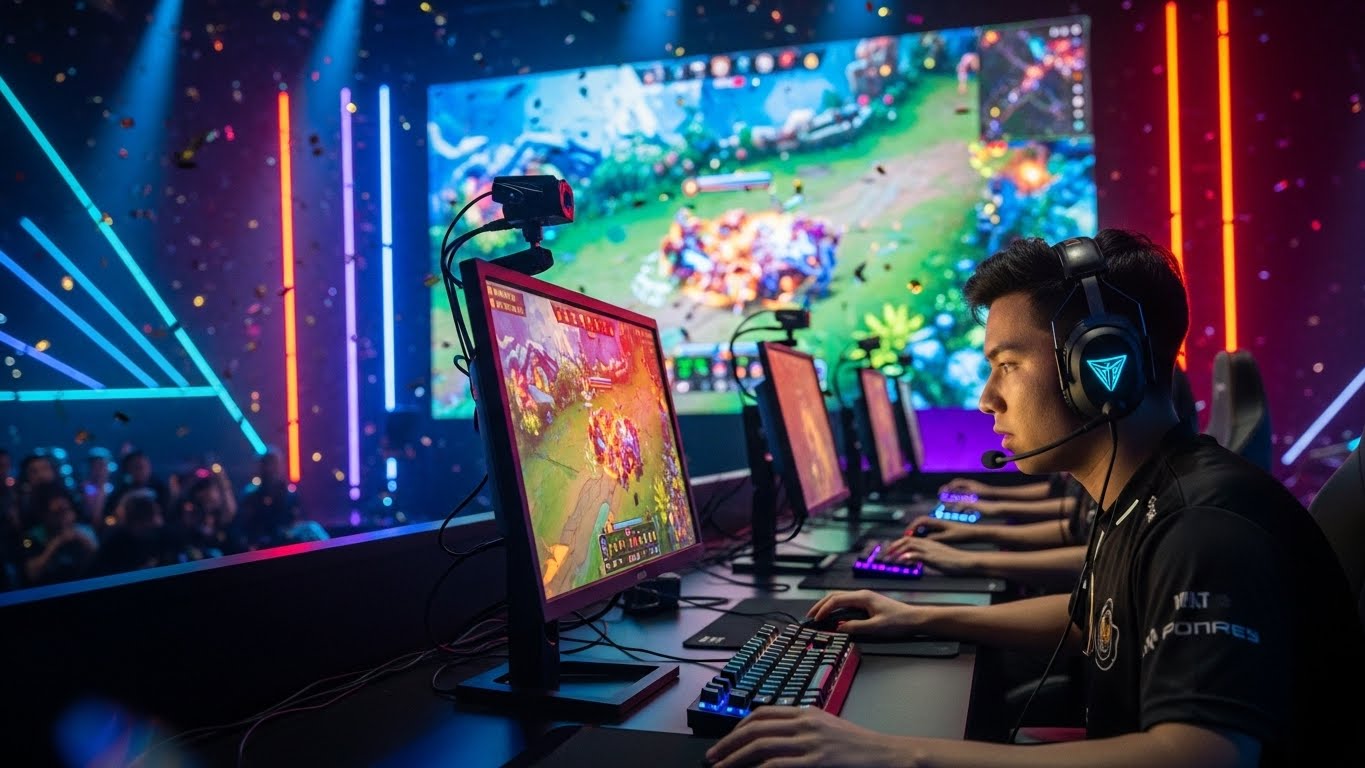
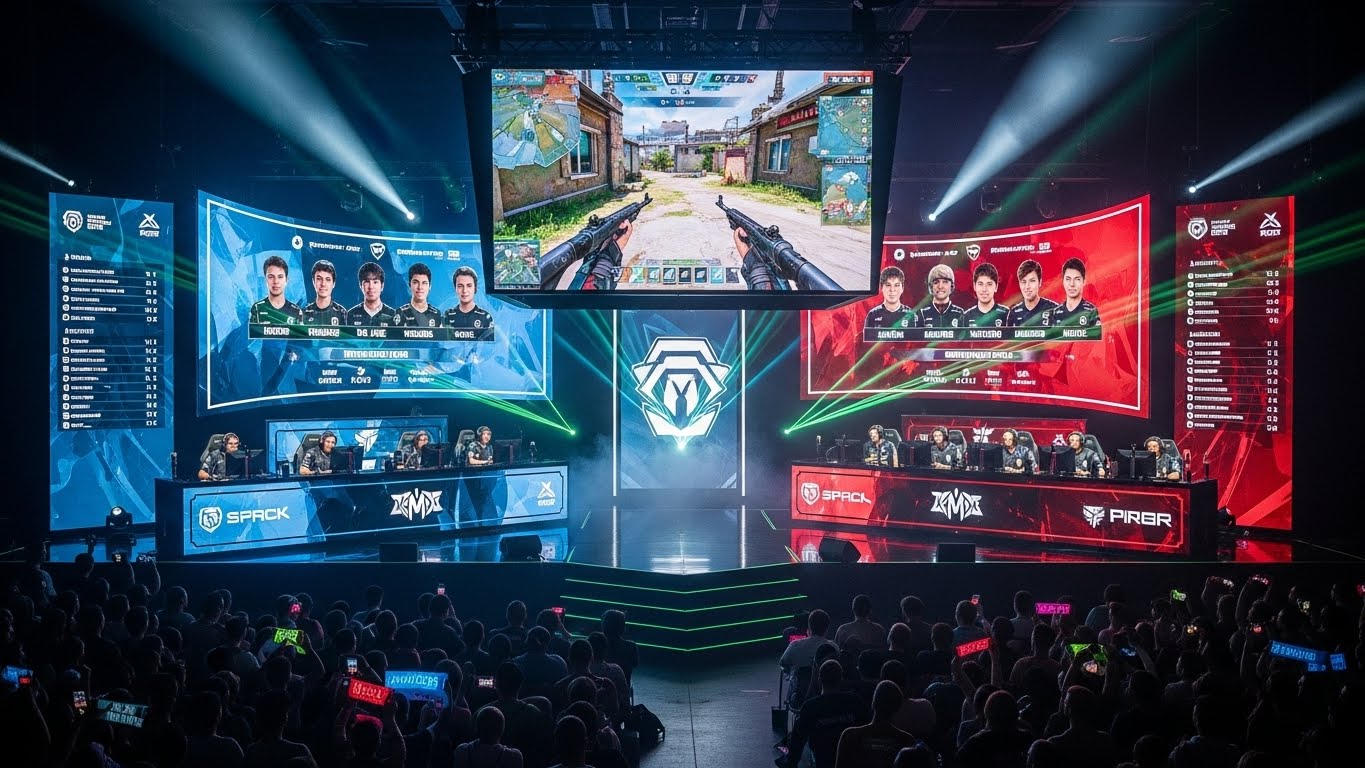
FPS games, such as Counter-Strike: Global Offensive, Call of Duty, and Valorant, are among the most popular esports genres. These games demand quick reflexes, precision, and teamwork. Players must communicate efficiently with teammates, strategize on the fly, and execute high-pressure maneuvers under tight time constraints. The thrill of FPS games lies in their intensity and the constant challenge of improving mechanical skills.
Multiplayer Online Battle Arenas (MOBA)
MOBA games, including League of Legends and Dota 2, are highly strategic team-based games where players control individual characters with unique abilities. Success in MOBAs relies on teamwork, map awareness, and long-term strategic planning. MOBA tournaments, particularly the Dota 2 International, offer some of the largest prize pools in esports history, reflecting the genre’s global popularity and competitive depth.
Real-Time Strategy (RTS) Games
RTS games like StarCraft II test a player’s ability to manage resources, control armies, and adapt strategies in real-time. Although RTS esports have a smaller audience compared to MOBAs and FPS games, they remain highly respected for the complexity and depth of skill required. StarCraft, in particular, achieved a cult-like following in South Korea, where professional leagues were televised nationally.
Fighting Games and Sports Simulations
Fighting games like Street Fighter, Tekken, and Super Smash Bros., as well as sports simulations such as FIFA and NBA 2K, have carved out their own esports niches. These genres focus on head-to-head competition and individual skill mastery, attracting dedicated communities and competitive circuits worldwide. While they may not always command the massive viewership of FPS or MOBA tournaments, their passionate fan bases contribute significantly to the broader esports ecosystem.
The Professional Esports Ecosystem
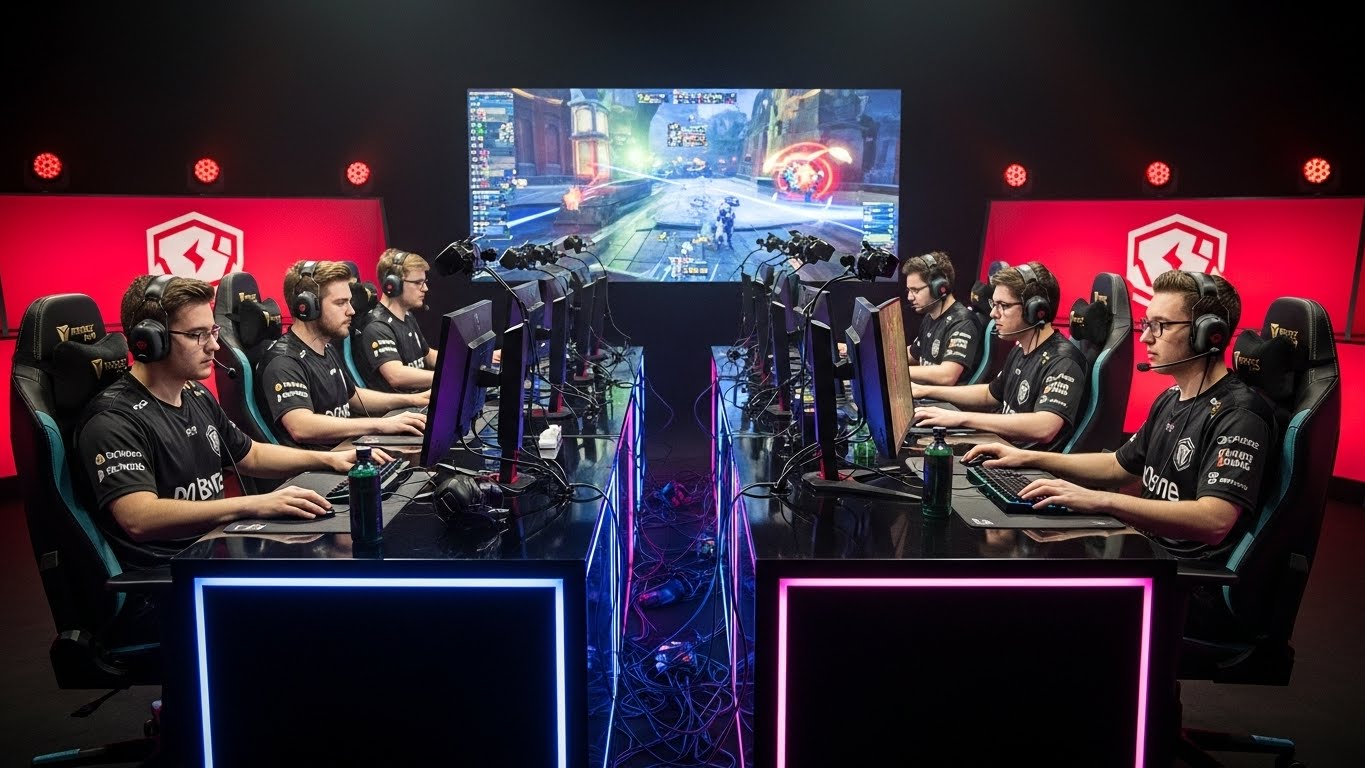
Esports has evolved into a structured industry with professional teams, leagues, sponsors, and media coverage. Professional players often train for hours each day, with strict regimens similar to traditional athletes. Training can include in-game practice, strategy analysis, physical exercise, and mental conditioning to handle the stress of competition.
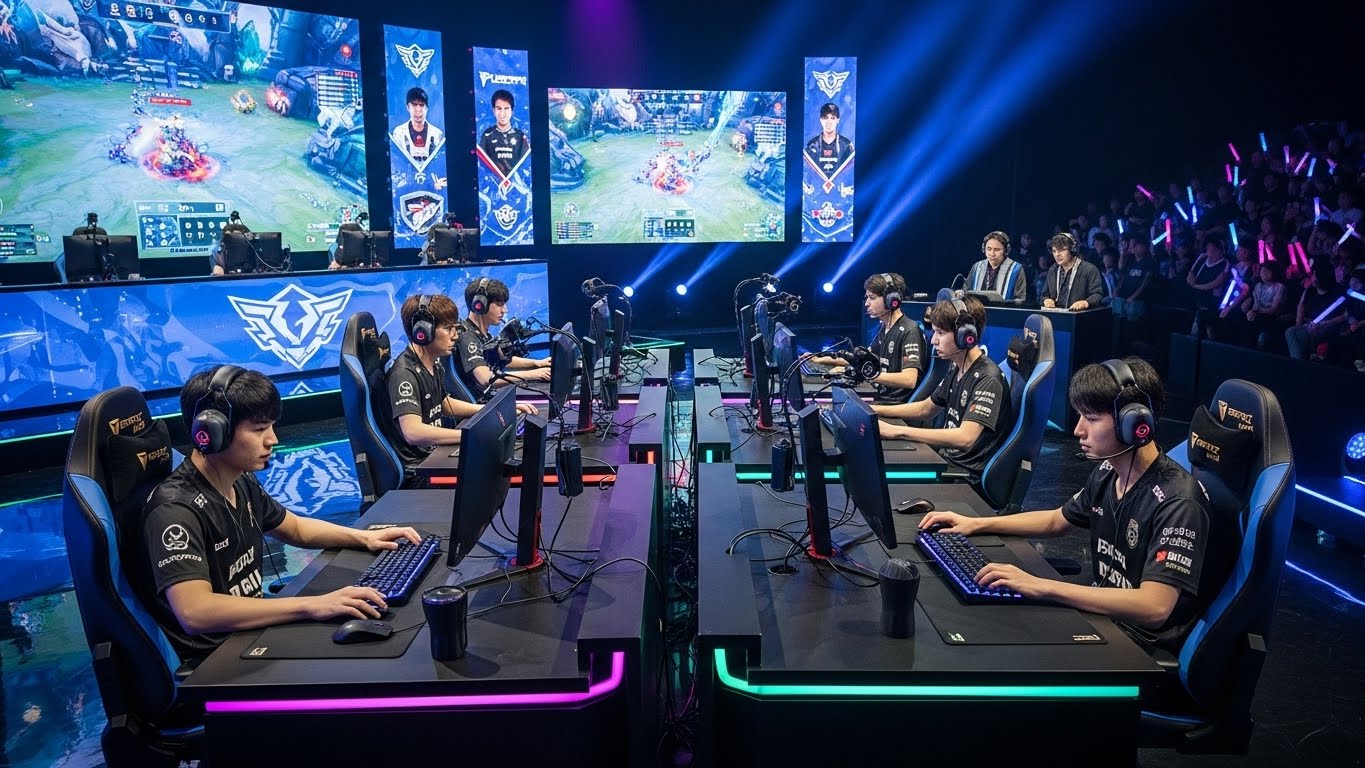
Professional teams operate like traditional sports franchises, complete with management staff, coaches, and analysts. Sponsorships from tech companies, energy drink brands, and global corporations provide the financial support necessary for players and organizations to thrive. Major tournaments often feature prize pools in the millions, drawing worldwide attention and creating career opportunities for players, coaches, commentators, and content creators alike.
Global Impact and Cultural Significance
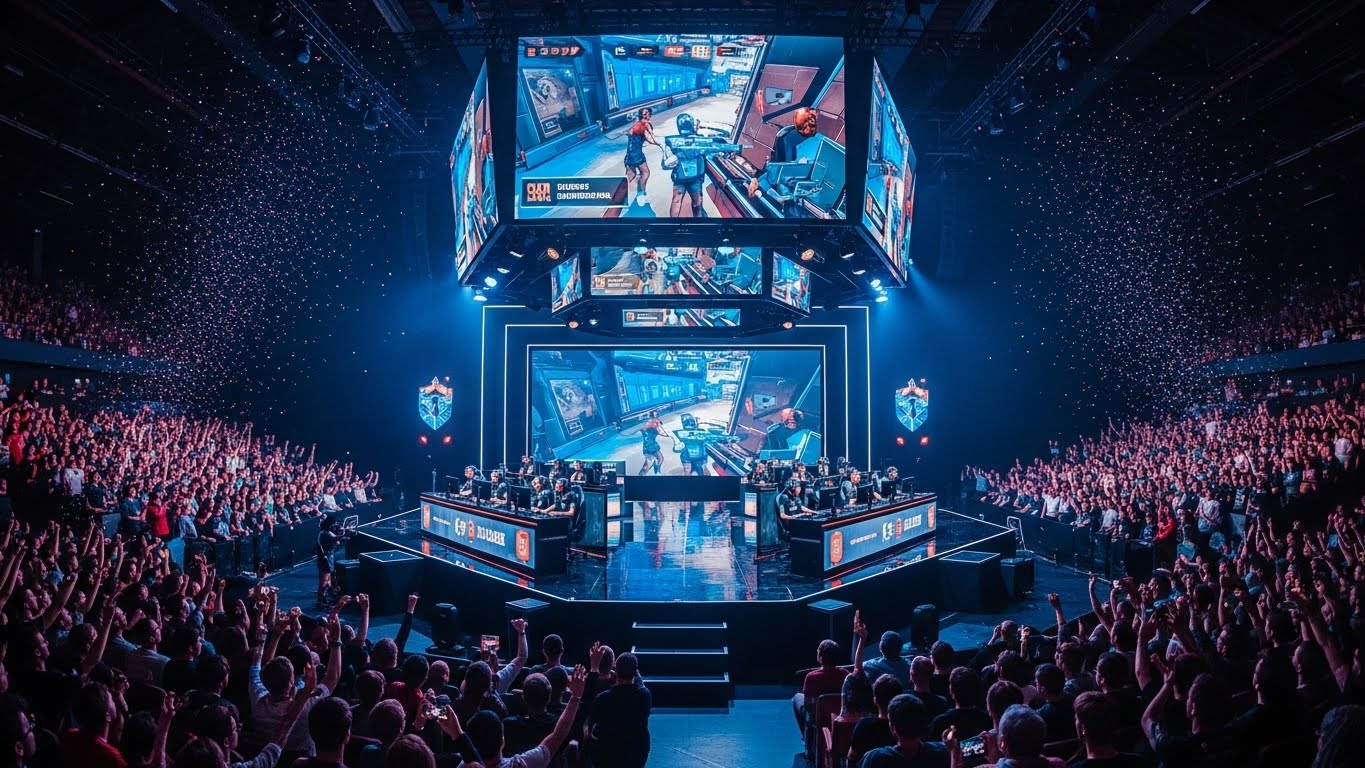
Esports has become a cultural force, influencing entertainment, technology, and even education. Major tournaments are broadcast globally, attracting audiences that rival traditional sports events. For example, the League of Legends World Championship and The International for Dota 2 are viewed by millions of fans across continents, creating shared experiences and a sense of community among global audiences.
The impact of esports is not limited to entertainment. Many universities now offer esports scholarships, training programs, and dedicated facilities, recognizing the legitimacy of competitive gaming as a career path. Additionally, esports has driven innovations in streaming technology, social media engagement, and fan interaction, influencing the broader media landscape.
Challenges Facing Esports
Despite its rapid growth, esports faces several challenges. One of the main issues is sustainability. While top-tier players can earn substantial incomes, the majority of aspiring professionals struggle to secure stable careers due to intense competition and limited spots on elite teams.
Another challenge is regulation. Esports is still relatively new compared to traditional sports, and governing bodies are often fragmented or absent. Issues like match-fixing, doping, and contractual disputes require oversight to ensure fair play and player protection.
Furthermore, the intense lifestyle of professional gamers can lead to physical and mental health concerns. Long hours of practice, irregular schedules, and high-pressure competitions can contribute to stress, burnout, and repetitive strain injuries. Many organizations are now implementing wellness programs and advocating for healthier training routines to address these concerns.
The Role of Streaming Platforms
Streaming platforms such as Twitch, YouTube Gaming, and others have played a pivotal role in the rise of esports. These platforms allow fans to watch live matches, follow their favorite players, and interact in real-time through chat and other engagement tools.
Streaming has also created opportunities for individual content creators to build personal brands and monetize their gameplay. Popular streamers often collaborate with esports organizations, participate in tournaments, and influence gaming culture through commentary, tutorials, and entertainment content. The symbiotic relationship between esports and streaming platforms has expanded the industry’s reach, making competitive gaming more accessible and engaging for fans worldwide.
Esports as a Career Path
As esports gains legitimacy, more young people are considering it as a viable career path. Beyond playing professionally, careers in esports include coaching, team management, event production, content creation, broadcasting, marketing, and analytics.
Educational programs are emerging to support these careers. Universities are offering courses in esports management, game design, and media production tailored to the esports industry. Scholarships and competitive leagues help students gain experience and exposure, bridging the gap between education and professional opportunities.
Community and Social Aspects of Esports
One of the most remarkable aspects of esports is its ability to create communities. Fans and players connect across continents, forming friendships, fan clubs, and online networks centered around their favorite games and players.
Esports communities often promote collaboration, creativity, and learning. Players share strategies, tips, and tutorials, while fans create art, videos, and content celebrating their favorite teams and moments. Social interaction and a shared passion for gaming create a sense of belonging that extends far beyond the screen.
The Future of Esports
The future of esports appears bright and full of potential. Advancements in technology, including virtual reality, augmented reality, and artificial intelligence, are poised to revolutionize gameplay and spectator experiences. VR esports could offer immersive competitions, while AI-powered analytics may enhance training and strategy development.
Esports is also expanding geographically. While South Korea, China, and the United States have long dominated the scene, countries across Europe, Latin America, and Southeast Asia are developing robust esports infrastructures. This globalization will likely increase competitiveness, viewership, and cultural influence.
Additionally, esports is increasingly intersecting with traditional sports. Partnerships between sports franchises and esports teams, crossover events, and hybrid competitions are blending audiences and creating new entertainment experiences. The line between digital and physical competition is becoming increasingly blurred, highlighting esports’ growing legitimacy and influence.
Conclusion
Esports has transformed from a niche pastime into a global industry with cultural, economic, and social significance. It combines entertainment, skill, strategy, and community in a way few other activities can. With professional leagues, dedicated players, passionate fans, and technological innovation driving its growth, esports continues to redefine what it means to compete, connect, and succeed in the digital age.
As esports matures, it faces challenges related to sustainability, regulation, and player well-being, but its potential remains vast. The industry’s rapid evolution promises exciting developments in the years ahead, solidifying esports not just as a form of entertainment but as a legitimate and respected facet of modern culture.
Whether you are a casual gamer, a dedicated fan, or an aspiring professional, the world of esports offers endless opportunities for engagement, growth, and inspiration. It’s no longer just a game—it’s a movement, a career, and a community shaping the future of entertainment and competition.