clashcircle44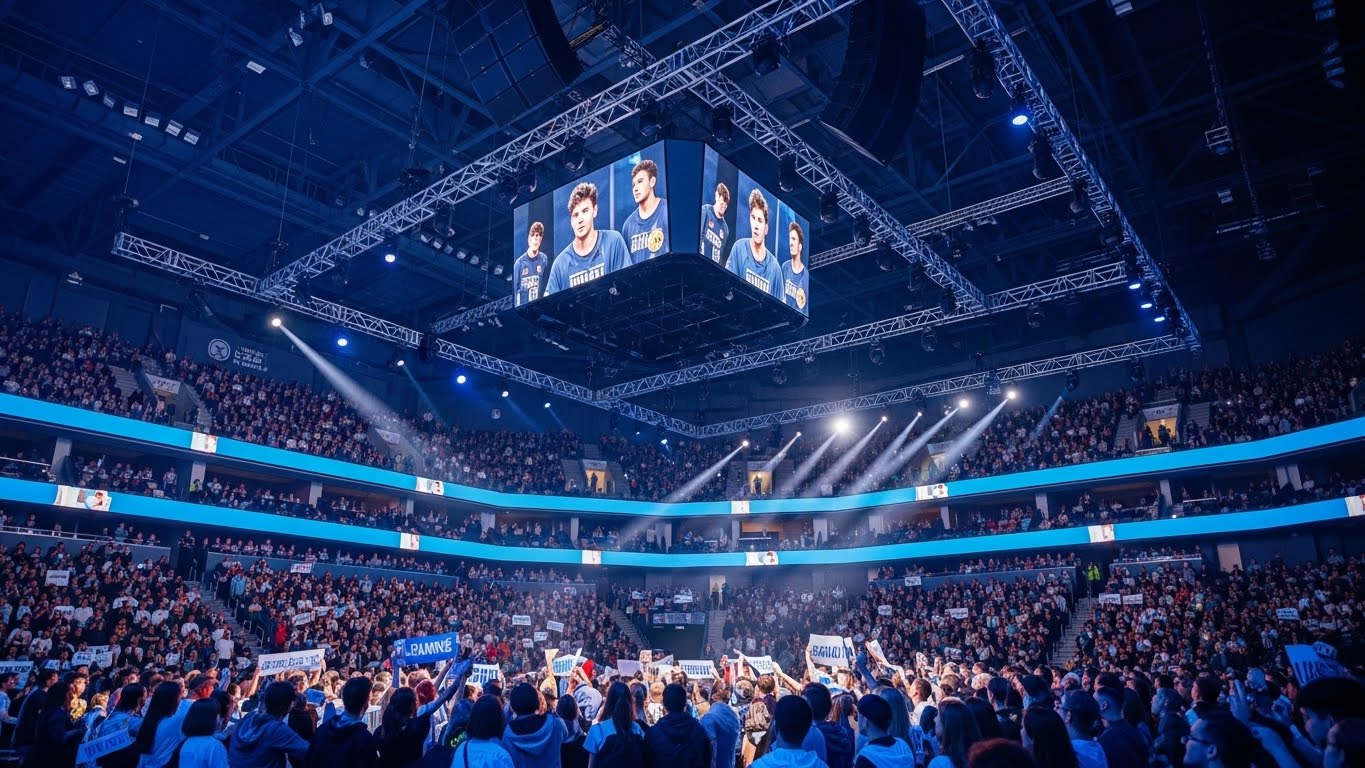
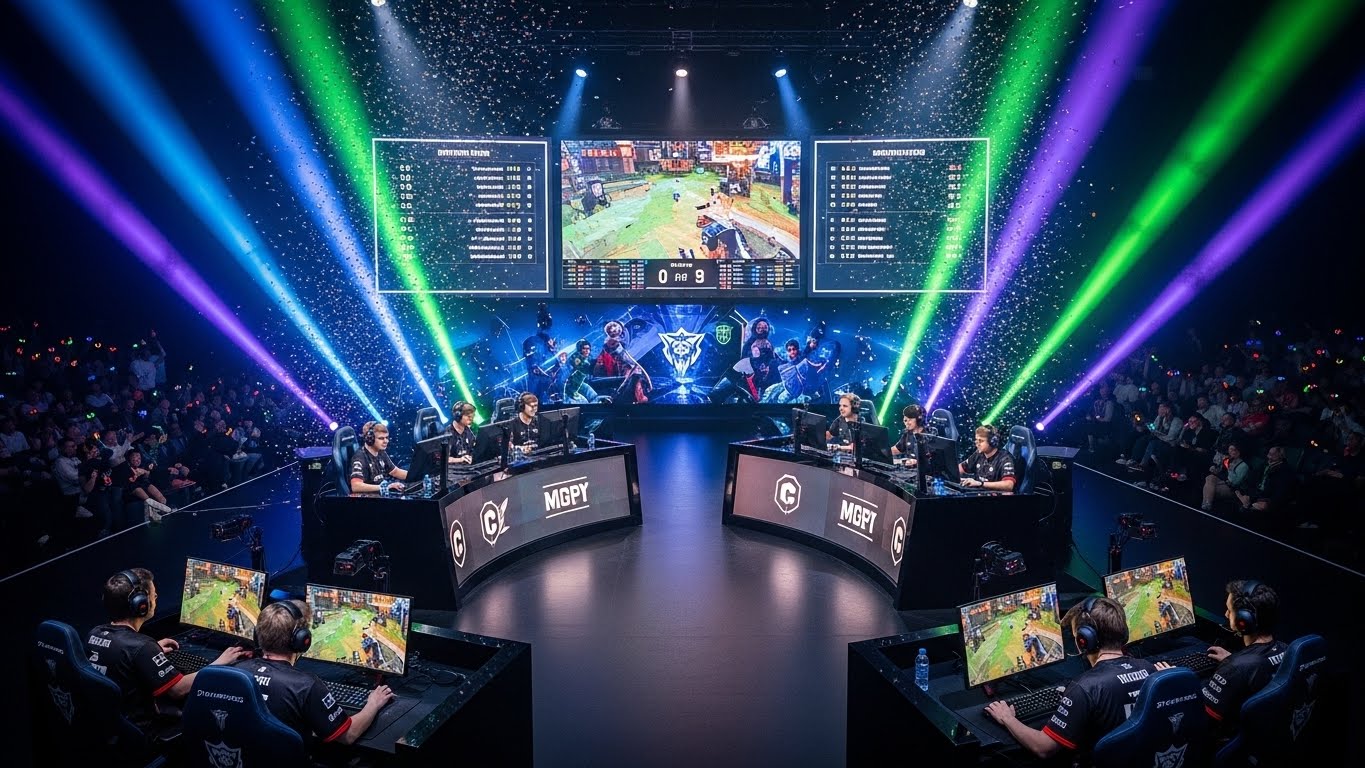
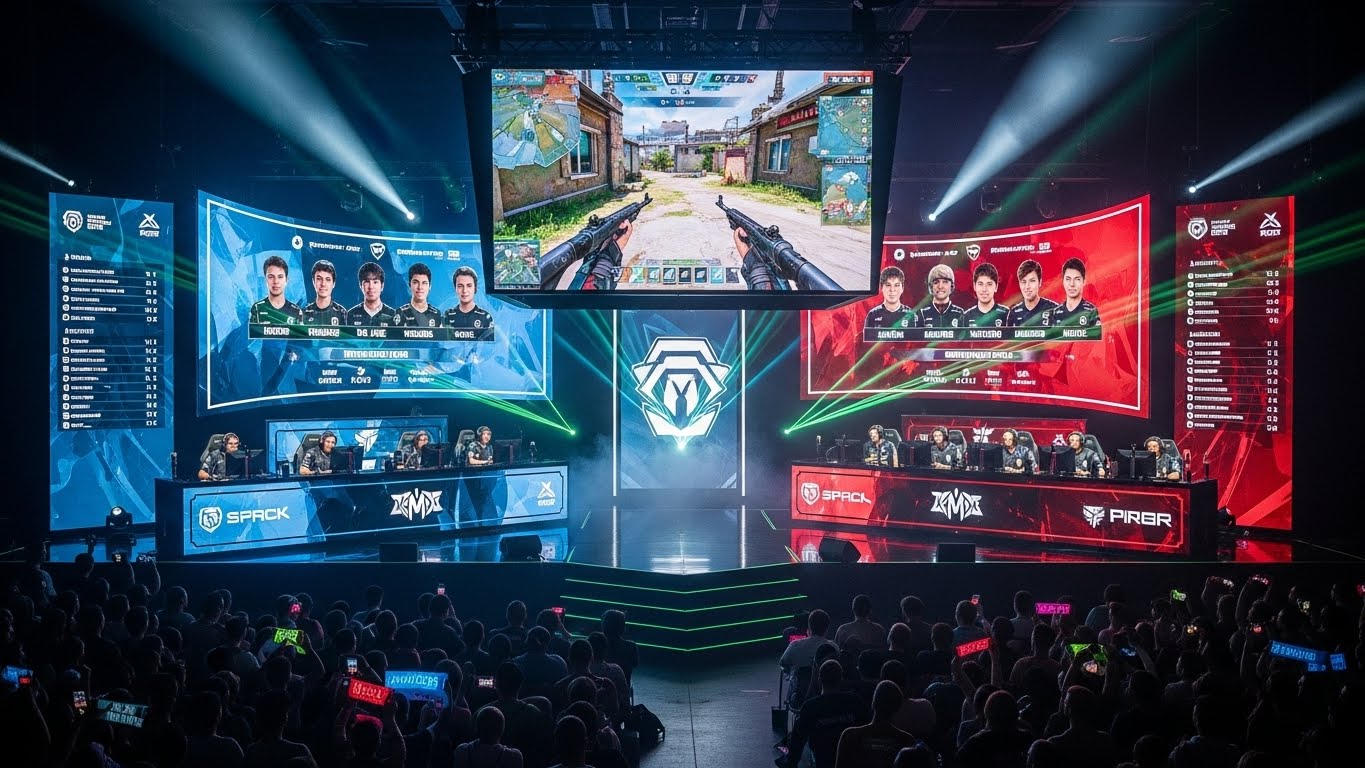
Esports, or electronic sports, has undergone a dramatic transformation in recent years. What started as a niche hobby for a select group of gamers has blossomed into a multi-billion dollar industry, attracting millions of players, viewers, and sponsors. Esports now stands as one of the most exciting and fast-growing sectors in entertainment. From global tournaments to professional players, the world of esports is more vibrant than ever before. But what has fueled this meteoric rise, and where is the industry headed? In this blog post, we will explore the evolution, impact, and future of esports, shedding light on its significance in the world of sports, technology, and culture.
What is Esports?
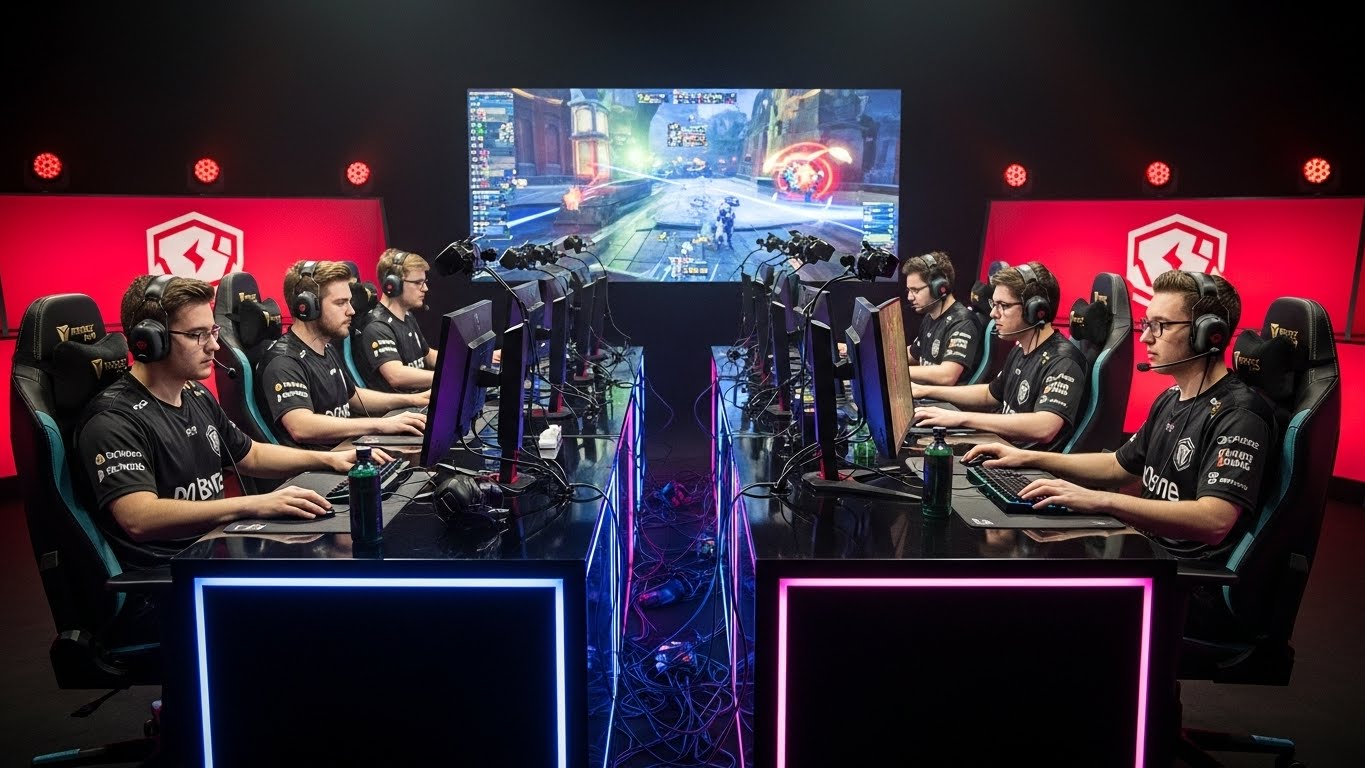
At its core, esports refers to organized, multiplayer video game competitions, particularly between professional players, teams, or organizations. Esports tournaments feature games across various genres, including real-time strategy, first-person shooters, multiplayer online battle arena (MOBA), and sports simulation games. Unlike casual gaming, esports demands intense skill, teamwork, strategy, and dedication, with professional players often dedicating hours to perfecting their craft.
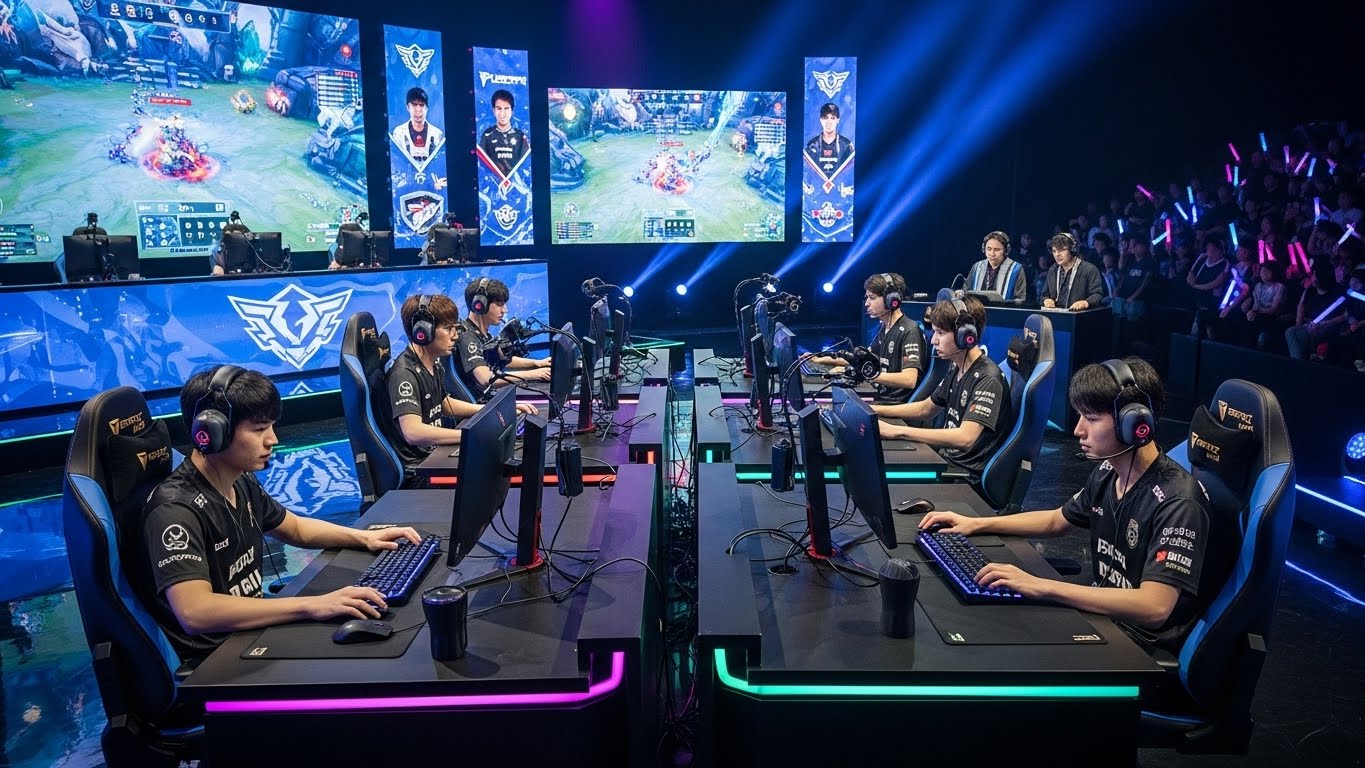
Esports competitions can be local, national, or international events, with some tournaments offering prize pools worth millions of dollars. Games like League of Legends, Dota 2, Counter-Strike: Global Offensive (CS: GO), Fortnite, and Overwatch are some of the most popular titles, each with its own competitive scene.
The Evolution of Esports
Early Beginnings: The Arcade Era
The history of esports dates back to the early days of gaming in the 1970s and 1980s when video games first started to gain popularity. During this period, the concept of competitive gaming was limited to small, informal events held at arcades. The first known video game competition, the “Space Invaders Championship,” took place in 1980 and attracted thousands of players. While these events were relatively small in scale, they set the foundation for future esports tournaments.
The Rise of Online Gaming and LAN Tournaments
In the late 1990s and early 2000s, online multiplayer games began to gain popularity, which in turn fostered the growth of esports. Titles like Quake, Warcraft III, and StarCraft introduced the concept of large-scale, internet-based competition, and players from around the world could now compete against each other in real-time. This led to the first true esports tournaments, such as the World Cyber Games and the Electronic Sports World Cup.
Mainstream Recognition and Professionalism
The real turning point for esports came in the late 2000s and early 2010s. Games like League of Legends and Dota 2 brought esports into the mainstream, attracting large audiences both online and at live events. The rise of streaming platforms like Twitch and YouTube Gaming played a crucial role in popularizing esports, allowing viewers to watch live broadcasts of their favorite games and players.
Esports organizations began to form, with professional teams and players signing contracts, competing for sponsorships, and earning significant prize money. Major gaming companies started to invest in esports, further professionalizing the scene and elevating it to new heights. The introduction of live-streamed tournaments, with tens of thousands of viewers tuning in from around the world, solidified esports as a global phenomenon.
The Economics of Esports
Sponsorships and Brand Partnerships
One of the key drivers behind the rapid growth of esports is the influx of sponsorships and brand partnerships. Major global companies, including tech giants like Intel, Coca-Cola, Red Bull, and Nike, have all invested heavily in the esports industry. Sponsorship deals provide financial support to esports organizations, players, and events, helping to fund prize pools, production costs, and team operations.
Brands are drawn to esports because of its highly engaged, predominantly young audience. Esports fans tend to be tech-savvy and spend considerable time online, making them an attractive demographic for advertisers. This has led to the creation of targeted marketing strategies, where brands can tailor their advertisements to specific esports communities and even sponsor individual players or teams.
Prize Money and Salaries
Esports tournaments now feature some of the largest prize pools in competitive sports. The International, an annual Dota 2 tournament, has boasted prize pools surpassing $40 million in recent years, with players taking home millions of dollars in winnings. While not every esports event offers such large sums, the overall prize money in the industry is still significant and continues to rise.
In addition to tournament prize money, professional esports players can earn substantial salaries through sponsorships, streaming revenue, and merchandising. Top players in games like League of Legends or CS: GO can command salaries in the six-figure range, while popular streamers on platforms like Twitch can make millions annually through ads, subscriptions, and donations.
The Role of Streaming Platforms
Streaming platforms like Twitch and YouTube Gaming are at the heart of the esports ecosystem. These platforms allow players to live-stream their gameplay and interact with fans in real-time. For many esports players, streaming is not only a way to build their personal brand but also a significant source of income. In fact, many professional players supplement their tournament earnings with revenue from streaming.
The growth of these platforms has democratized the esports landscape, enabling amateur players to gain visibility and grow a fanbase. It has also provided fans with a more immersive experience, as they can watch their favorite players, follow tournaments live, and engage with the community.
The Cultural Impact of Esports
Esports as a Global Community
One of the most striking aspects of esports is its ability to unite people from all corners of the globe. Esports transcends geographical boundaries, allowing players and fans from different cultures and languages to connect over a shared passion for gaming. The accessibility of esports, particularly through streaming platforms, has helped create a global community of gamers and fans who interact, compete, and support one another.
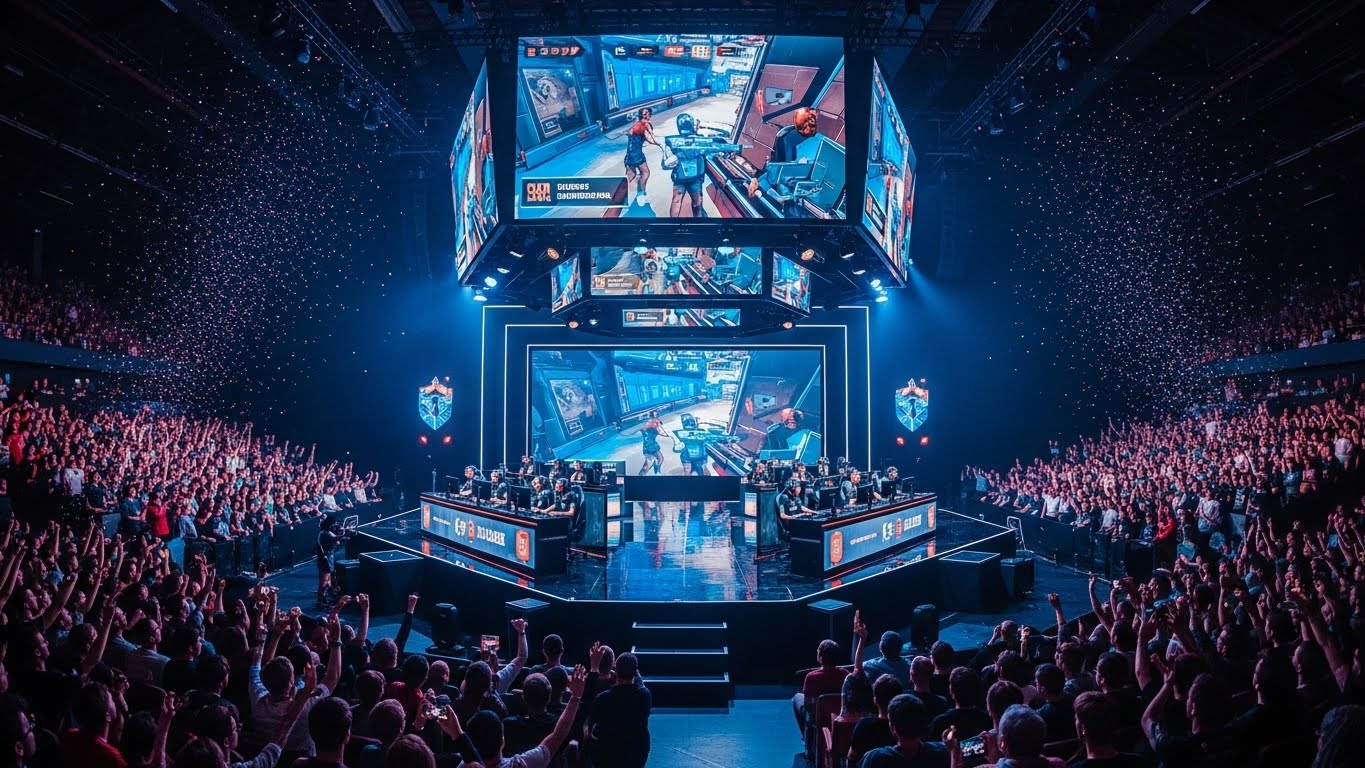
Tournaments often feature international teams, and online play allows individuals from countries all over the world to compete in a level playing field. Events like the League of Legends World Championship and The International are watched by millions of fans from different countries, and the esports community continues to grow as new games and events are introduced.
Esports and Mainstream Media
The growth of esports has also led to greater media coverage. Major sports networks, such as ESPN, have begun broadcasting esports events, and dedicated esports channels are now available on cable television. This shift in coverage reflects a growing recognition of esports as a legitimate form of competitive entertainment.
Additionally, esports has increasingly made its way into traditional sports media. High-profile partnerships with established sports organizations, such as the NBA’s venture into the esports world with NBA 2K League, highlight the mainstream acceptance of esports as a form of competition on par with traditional sports.
The Evolution of Gaming as a Social Activity
Gaming itself has evolved from being a solitary pastime to a highly social and collaborative activity. The advent of multiplayer games and online gaming has created new forms of social interaction, with players teaming up to achieve common goals or compete against each other in tournaments. Esports is a natural extension of this social gaming phenomenon, where teamwork, communication, and strategy are critical to success.
Communities around games like Fortnite, Apex Legends, and Valorant have formed, with players sharing tips, participating in online discussions, and supporting each other through streaming and social media. Esports fandom has also led to the creation of dedicated content, including analysis videos, player interviews, and behind-the-scenes documentaries.
The Future of Esports
Expansion into New Markets
The future of esports looks incredibly promising, with the industry poised for further growth and expansion. Esports is beginning to penetrate new markets, particularly in regions like Southeast Asia, Latin America, and Africa. In these areas, the rapid adoption of internet infrastructure and the increasing popularity of mobile gaming are contributing to the growth of esports.
Mobile esports, in particular, has seen a surge in popularity with games like PUBG Mobile, Free Fire, and Clash Royale. As smartphones continue to become more powerful, mobile gaming will likely continue to drive esports’ growth in emerging markets, where access to high-end gaming PCs and consoles may be limited.
Integration with Traditional Sports
The future of esports may also see closer integration with traditional sports. Already, professional sports leagues are creating their own esports divisions, as mentioned earlier with the NBA 2K League. Football clubs, including Paris Saint-Germain and Manchester City, have also entered the esports space by establishing teams and partnering with esports organizations.
This convergence of esports and traditional sports presents new opportunities for cross-promotion, with fans of traditional sports gaining exposure to esports and vice versa. We could see more hybrid events that combine traditional sports with esports competitions, creating a new category of entertainment that appeals to a broad audience.
Esports as an Olympic Sport?
One of the most exciting possibilities for the future of esports is its potential inclusion in the Olympic Games. In recent years, there have been discussions about adding esports as an official Olympic sport, with some believing that it could be the next natural step for the global sporting event. While the IOC (International Olympic Committee) has yet to make a final decision, the growing popularity of esports suggests that it may not be long before competitive gaming receives formal recognition in the world of traditional sports.
Conclusion
Esports has come a long way from its humble beginnings, and it shows no signs of slowing down. With its thriving global community, massive economic impact, and cultural significance, esports is quickly becoming a dominant force in the world of entertainment. As technology continues to evolve and new games are developed, the future of esports looks incredibly bright.