clashcircle44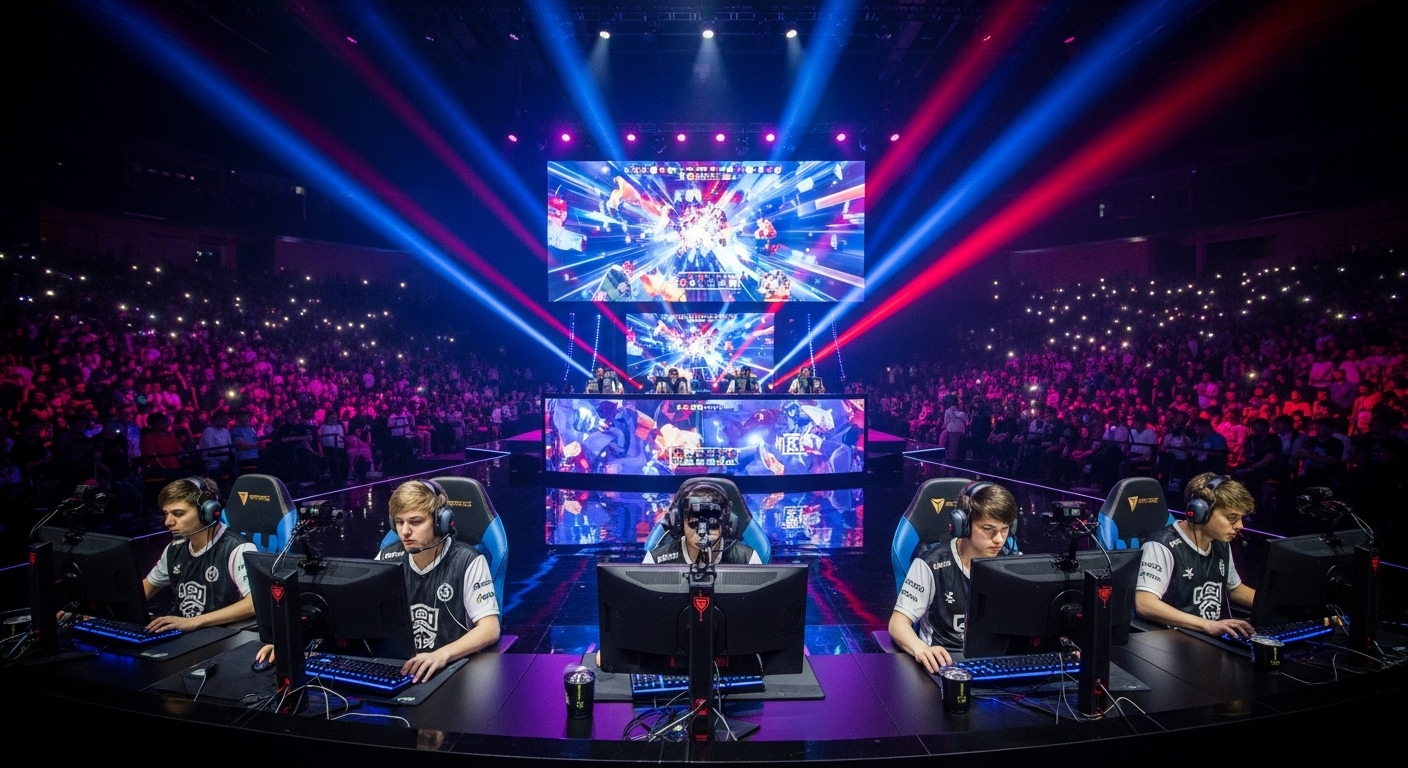
Esports, or electronic sports, has transformed from a niche hobby into a worldwide cultural and economic powerhouse. What began as casual video game competitions among friends has evolved into professional leagues, multimillion-dollar tournaments, and a thriving industry that rivals traditional sports in viewership and influence. From the humble arcades of the 1980s to modern stadiums packed with cheering fans, esports has cemented itself as a major form of entertainment in the 21st century.
The growth of esports can be attributed to technological advancements, increased internet accessibility, and the rise of streaming platforms. Games like League of Legends, Dota 2, Counter-Strike, and Fortnite have not only captivated millions of players but have also drawn massive audiences, creating a professional ecosystem that supports players, teams, broadcasters, and sponsors. As esports continues to expand, it challenges traditional perceptions of sports, entertainment, and competitive gaming.
The Origins of Competitive Gaming
Competitive gaming is not a new concept. The earliest recognized esports events date back to the late 1970s and early 1980s, when arcade tournaments and home console competitions began attracting attention. One of the first documented events was the 1980 Space Invaders Championship, which drew thousands of participants across the United States. This event highlighted the potential for gaming to foster organized competition.
In the 1990s, with the rise of personal computers and networked gaming, titles like Quake, StarCraft, and Counter-Strike became the foundation for professional esports. These games introduced the concept of multiplayer competition at a high skill level, creating communities that thrived on online forums, LAN parties, and local tournaments. The emergence of dedicated gaming magazines and early internet coverage began giving esports visibility and legitimacy.
Technological Advancements Driving Esports
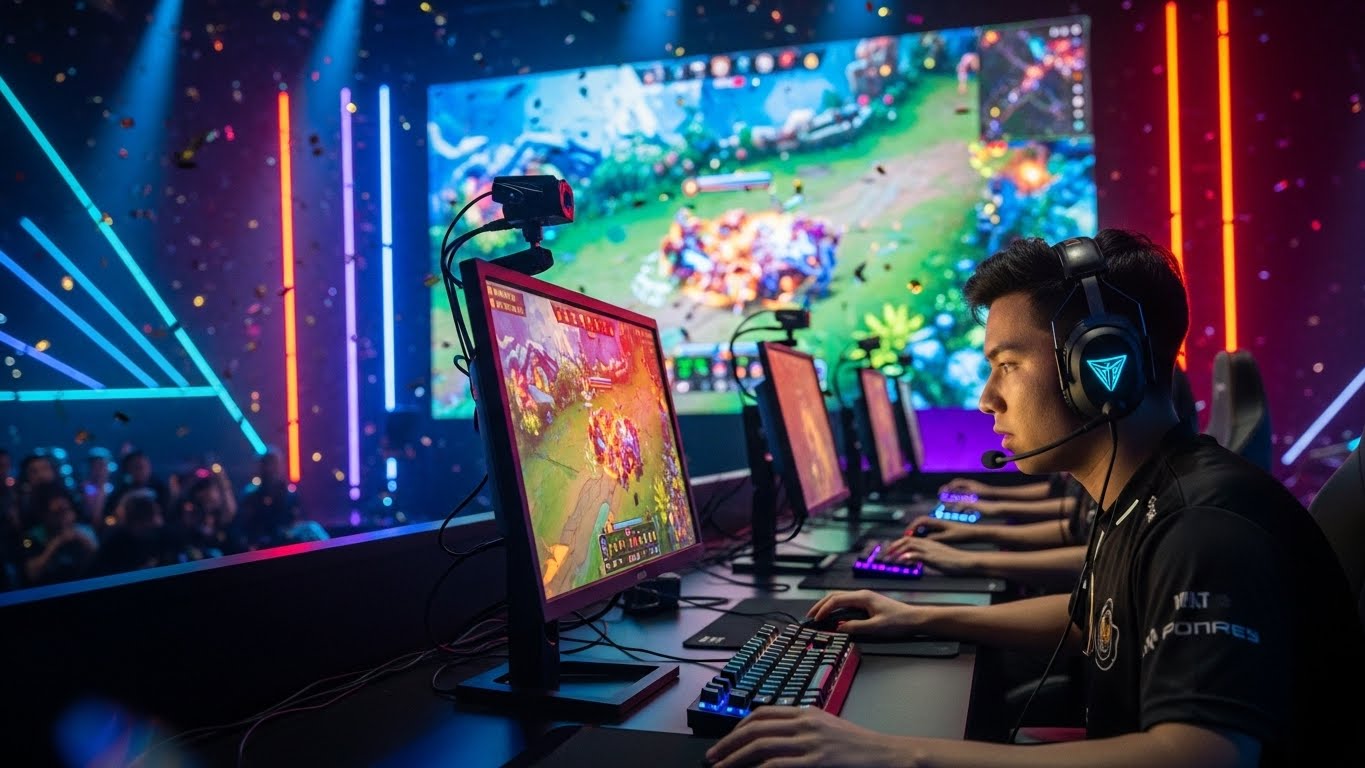
The exponential growth of esports is deeply intertwined with technological progress. High-speed internet, powerful gaming hardware, and advanced graphics engines have transformed gaming from a casual pastime into a spectator sport. Streaming technology, particularly platforms like Twitch and YouTube Gaming, has enabled millions to watch live competitions, interact with players, and follow their favorite teams and personalities.
Moreover, the rise of mobile gaming has broadened the esports audience. Games like PUBG Mobile, Free Fire, and Mobile Legends have brought competitive gaming to regions where PC or console gaming is less accessible. Mobile esports tournaments now draw millions of viewers, proving that competitive gaming is no longer limited by platform or geography.
Professionalization and the Esports Ecosystem
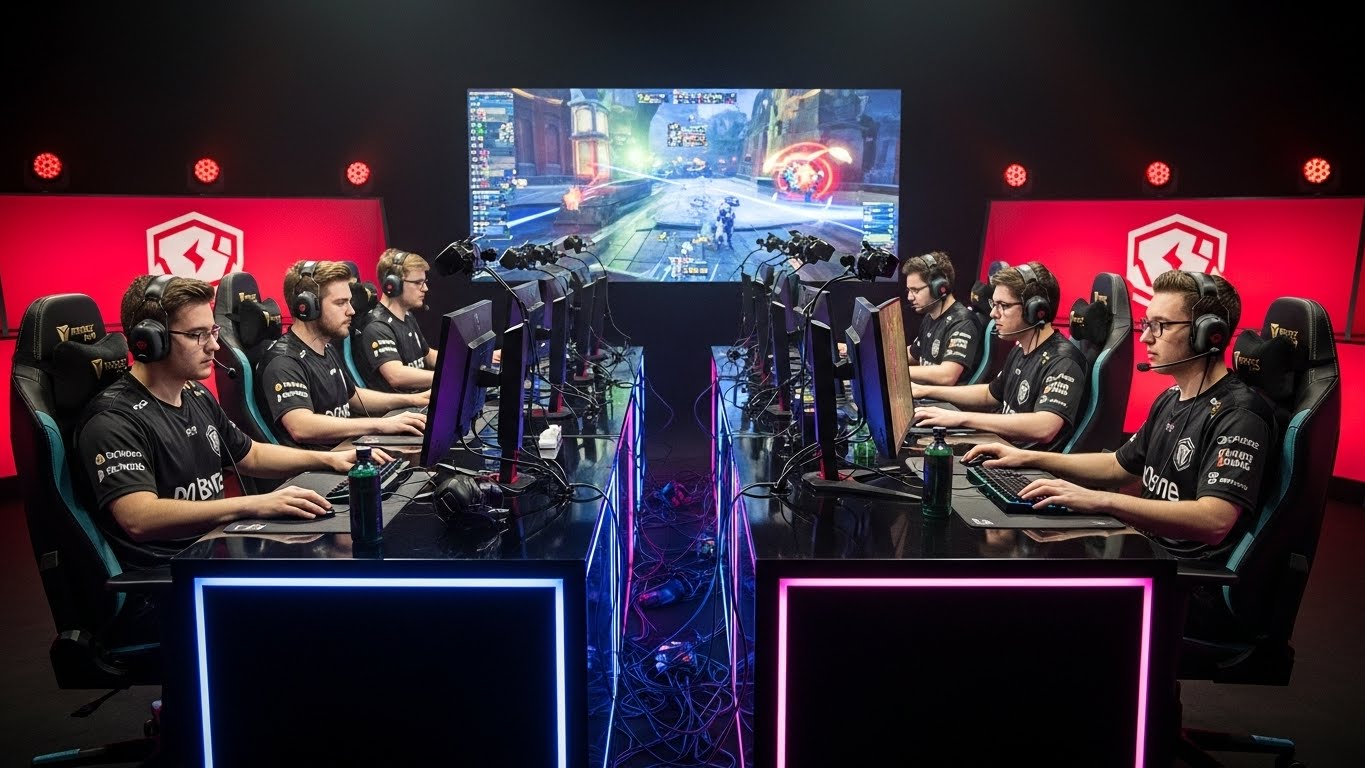
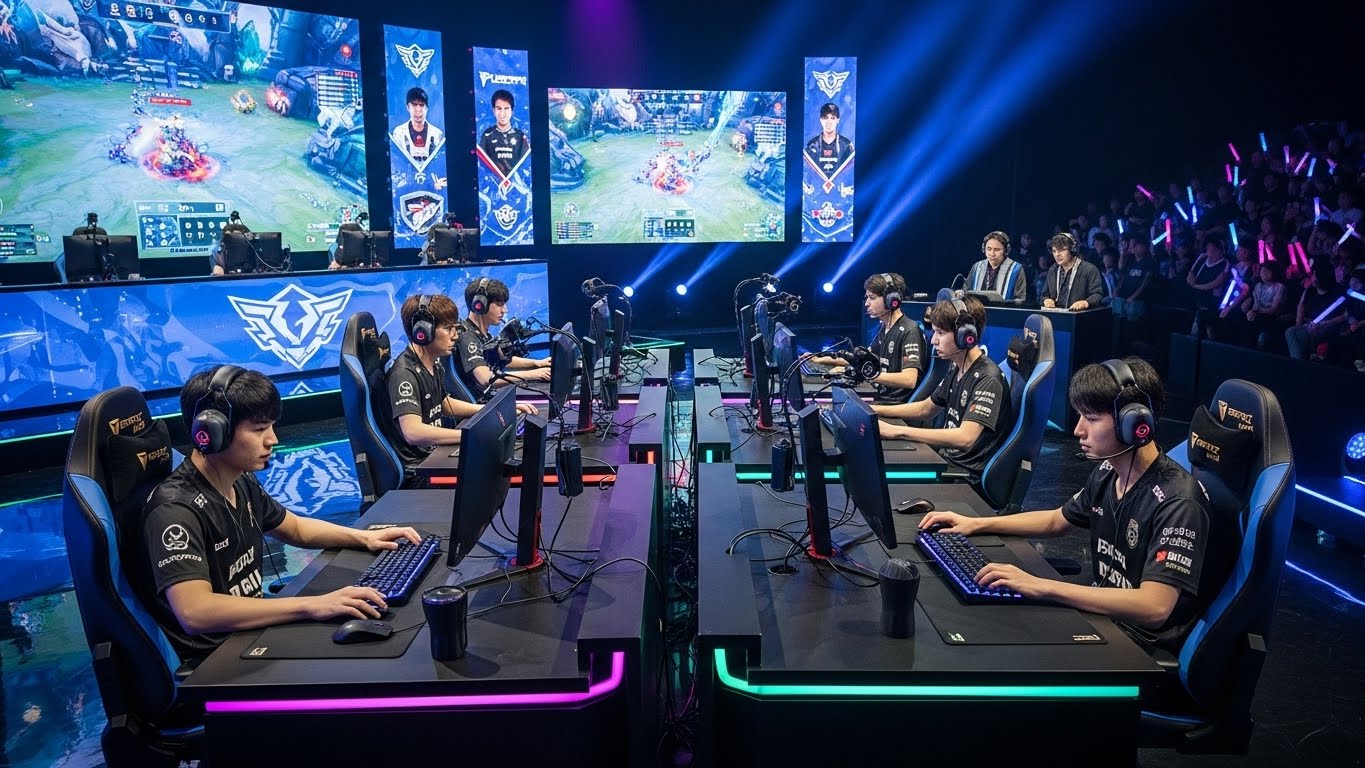
Esports has grown into a fully professional industry. Players train rigorously, often dedicating 8–12 hours a day to practice, strategy development, and team coordination. Organizations sign contracts with players, providing salaries, sponsorship deals, and living accommodations. Professional teams compete in regional leagues, international tournaments, and world championships, offering prize pools that can reach millions of dollars.
Supporting this ecosystem are coaches, analysts, content creators, and managers who contribute to a team’s success. Tournament organizers, broadcasters, and sponsors further enhance the visibility and profitability of esports. Companies such as Intel, Red Bull, and Nike have invested heavily in esports, recognizing the potential to engage with a younger, digitally connected audience.
Major Esports Titles and Their Impact
Certain games have become emblematic of the esports phenomenon. League of Legends, developed by Riot Games, has one of the largest global competitive scenes, with annual World Championships drawing millions of viewers worldwide. Its combination of strategy, skill, and team coordination has made it a cornerstone of professional esports.
Dota 2, known for its complex gameplay and strategic depth, hosts The International, a tournament famous for its record-breaking prize pools funded by community contributions. Counter-Strike: Global Offensive emphasizes tactical shooting and team coordination, creating a dedicated fanbase and thriving professional leagues. Fortnite introduced a unique combination of building mechanics and battle royale gameplay, attracting mainstream attention and sponsorships.
Mobile esports games, such as PUBG Mobile and Mobile Legends, have expanded the reach of competitive gaming in Asia, Africa, and Latin America. These games show that esports can be versatile and adaptable to different platforms, cultures, and audiences.
Esports as Spectator Entertainment
One of the most remarkable aspects of esports is its appeal as spectator entertainment. Millions of viewers worldwide tune in to watch live tournaments, follow their favorite players, and engage in online communities. Platforms like Twitch allow fans to interact with streamers, participate in live chats, and even influence gameplay through donations and suggestions.
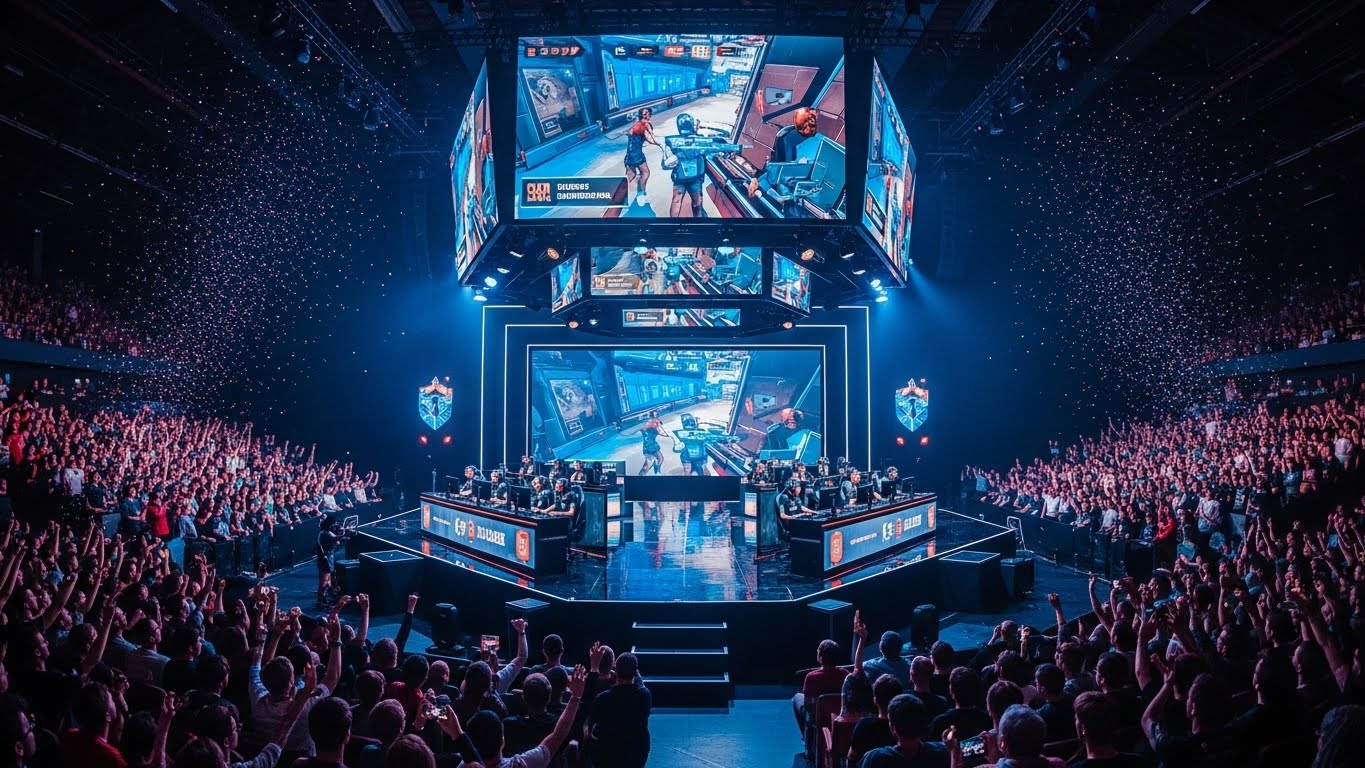
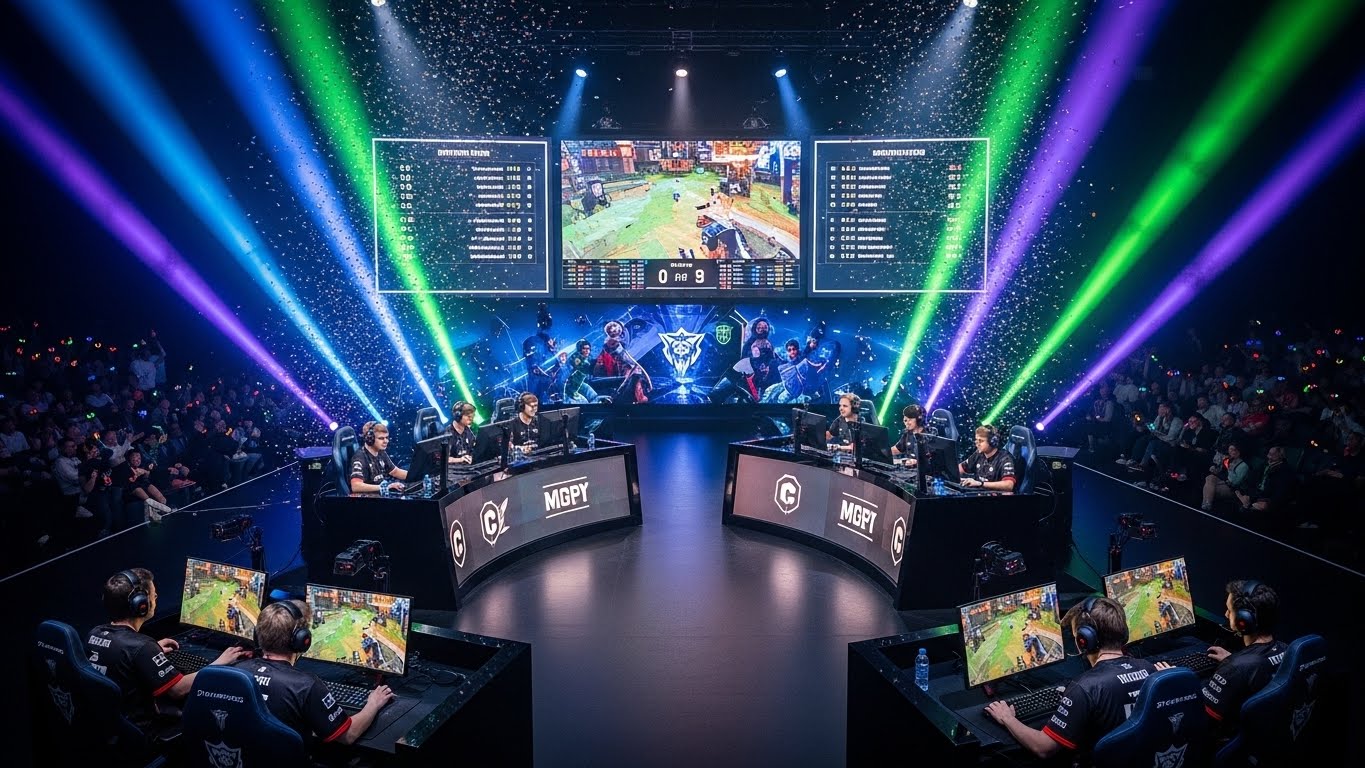
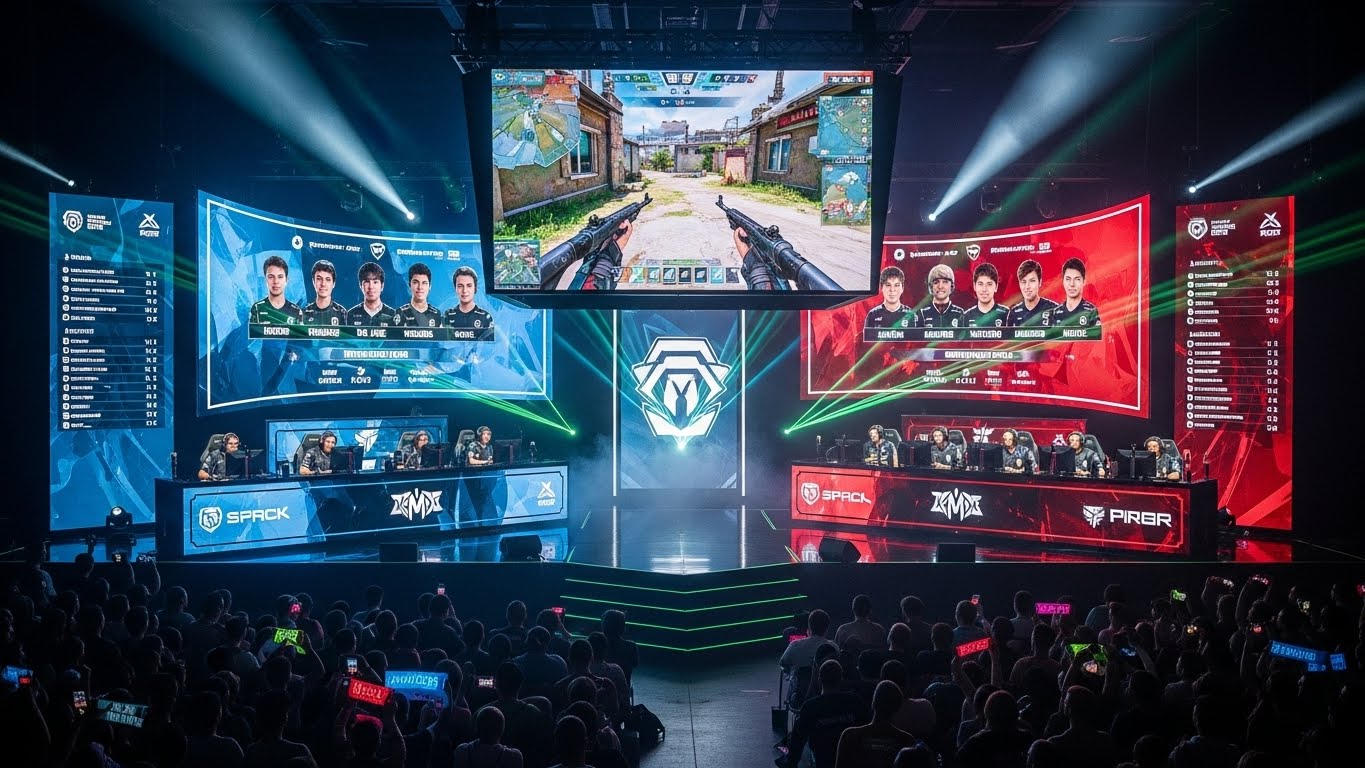
Esports stadiums and arenas now host large-scale tournaments, complete with professional production, live commentary, and interactive fan experiences. Major events can rival traditional sports finals in spectacle and excitement. The ability to watch high-level gameplay, combined with player personalities and storylines, creates a compelling entertainment experience.
Economic Impact of Esports
The esports industry has grown into a multibillion-dollar market. Revenue streams include advertising, sponsorships, media rights, merchandise, and tournament prize pools. Analysts predict continued growth as more investors, brands, and mainstream audiences embrace esports. This economic impact extends to job creation, technology development, and regional economic stimulation through events and tourism.
Esports also offers opportunities for ancillary industries, including content creation, streaming, gaming peripherals, and software development. This ecosystem demonstrates that esports is not just a cultural phenomenon but also a significant economic driver with lasting influence.
Esports and Education
As esports gains legitimacy, educational institutions have begun recognizing its value. Many colleges and universities now offer esports programs, scholarships, and dedicated facilities for competitive gaming. These programs provide students with opportunities to develop skills in teamwork, strategy, communication, and digital literacy. Beyond competition, esports can also serve as a gateway to careers in technology, broadcasting, marketing, and event management.
High school programs are also on the rise, allowing younger players to engage in structured competitions, build leadership skills, and explore potential career paths in the esports industry. This integration into education highlights esports’ potential to influence personal development and academic growth.
The Global Esports Community
Esports is a global phenomenon, transcending language, culture, and geography. Online platforms allow players from different countries to compete in real-time, fostering international rivalries and collaborations. Major tournaments often feature teams from diverse regions, creating cross-cultural exchange and shared experiences among fans.
Social media, forums, and content-sharing platforms have further strengthened the esports community. Fans create memes, discuss strategies, and celebrate achievements, building a sense of belonging and identity. This global community exemplifies how esports can unite people through shared passion and entertainment.
Challenges Facing Esports
Despite its rapid growth, esports faces challenges. Concerns include player burnout, mental health, cheating, and the sustainability of the industry. Long hours of practice, intense competition, and public scrutiny can take a toll on professional players. Organizations are increasingly investing in mental health support and wellness programs to address these issues.
Additionally, the esports industry must navigate regulatory challenges, intellectual property disputes, and concerns about fair play. As esports continues to mature, addressing these challenges will be critical to ensuring its longevity and credibility as a professional sport.
The Future of Esports
The future of esports looks promising. Advancements in technology, such as virtual reality (VR) and augmented reality (AR), could revolutionize gameplay and spectator experiences. Expanding mobile esports, integration with mainstream media, and increased investment from traditional sports organizations suggest continued growth.
Esports may also become more inclusive and diverse, attracting participants from a wider range of backgrounds and abilities. With proper governance, mental health support, and community engagement, esports can evolve into a sustainable, respected, and influential sector of global entertainment.
Conclusion
Esports has emerged as a transformative force in entertainment, culture, and business. From its early days in arcades to massive international tournaments, competitive gaming has captivated millions of players and spectators worldwide. Its professional ecosystem, economic impact, and cultural significance demonstrate that esports is more than a hobby—it is a global phenomenon shaping the future of competition and entertainment.
As esports continues to grow, it will challenge traditional notions of sports, foster global communities, and inspire the next generation of players, fans, and industry professionals. The journey of esports is far from over, and its influence will only continue to expand, redefining what it means to compete, watch, and engage in the digital age.