clashcircle44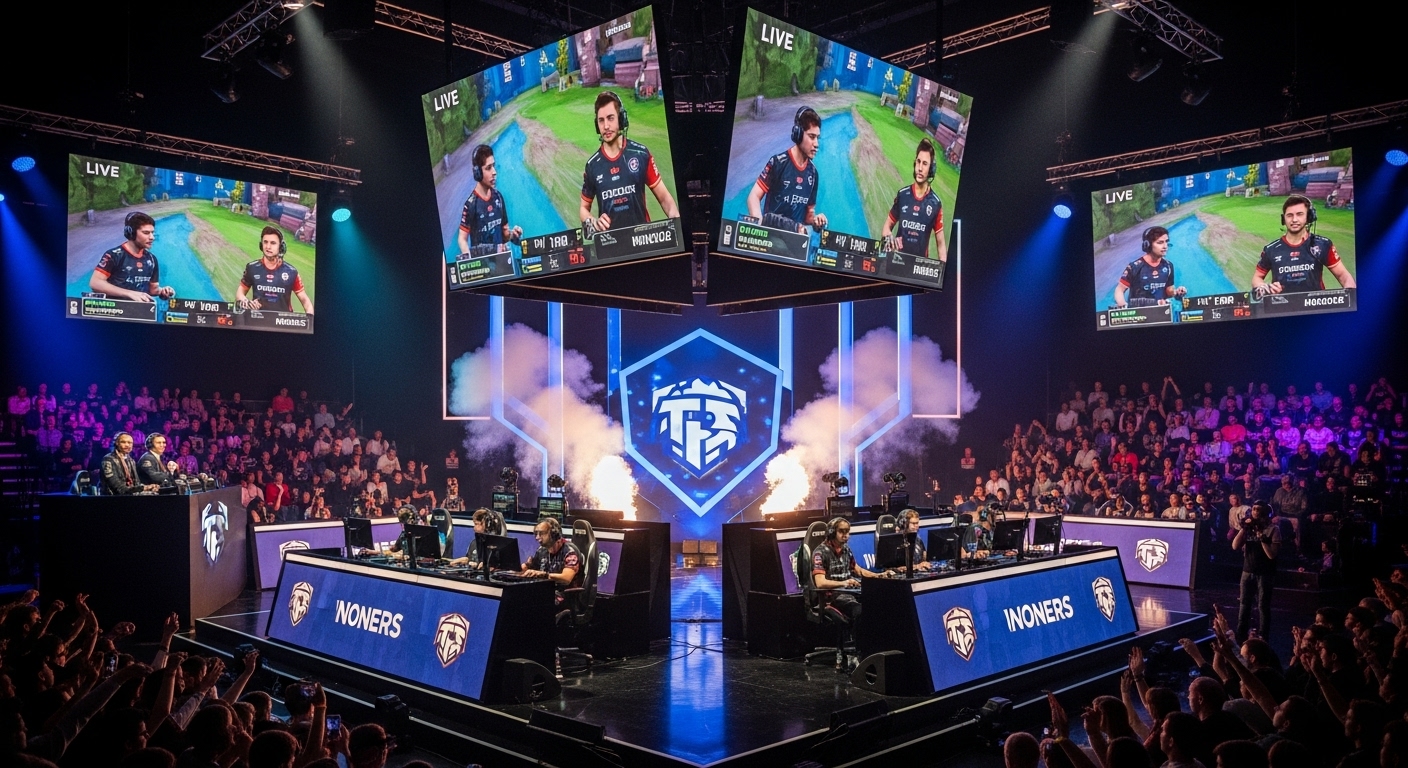
Introduction: The Birth of a Digital Sport
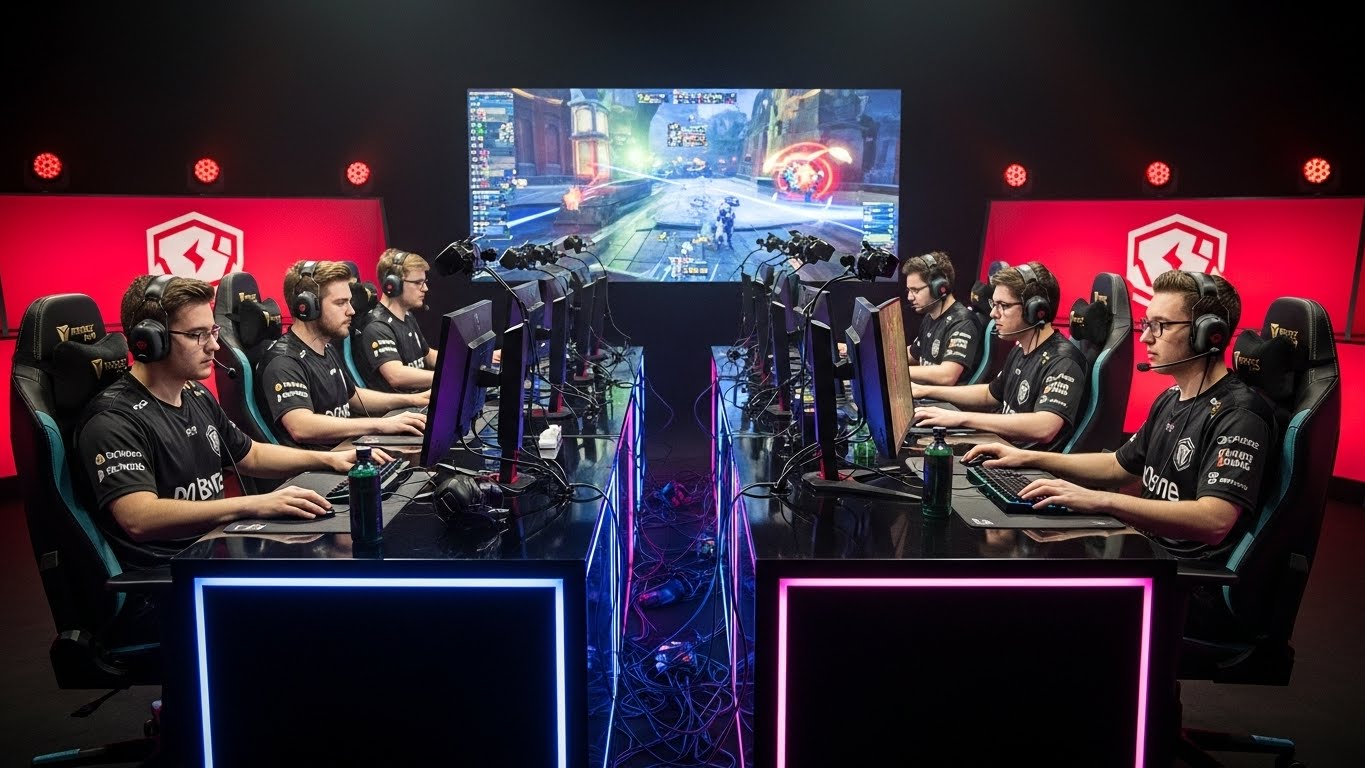
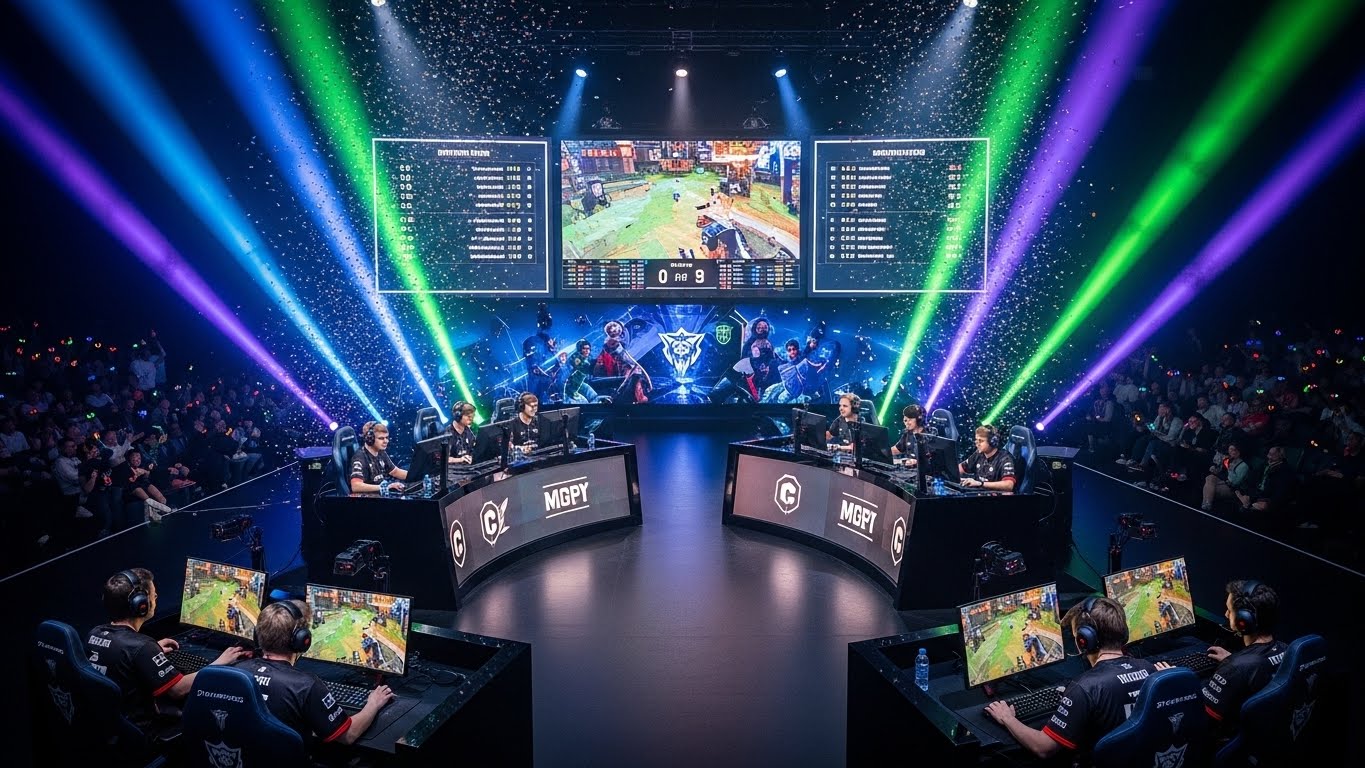
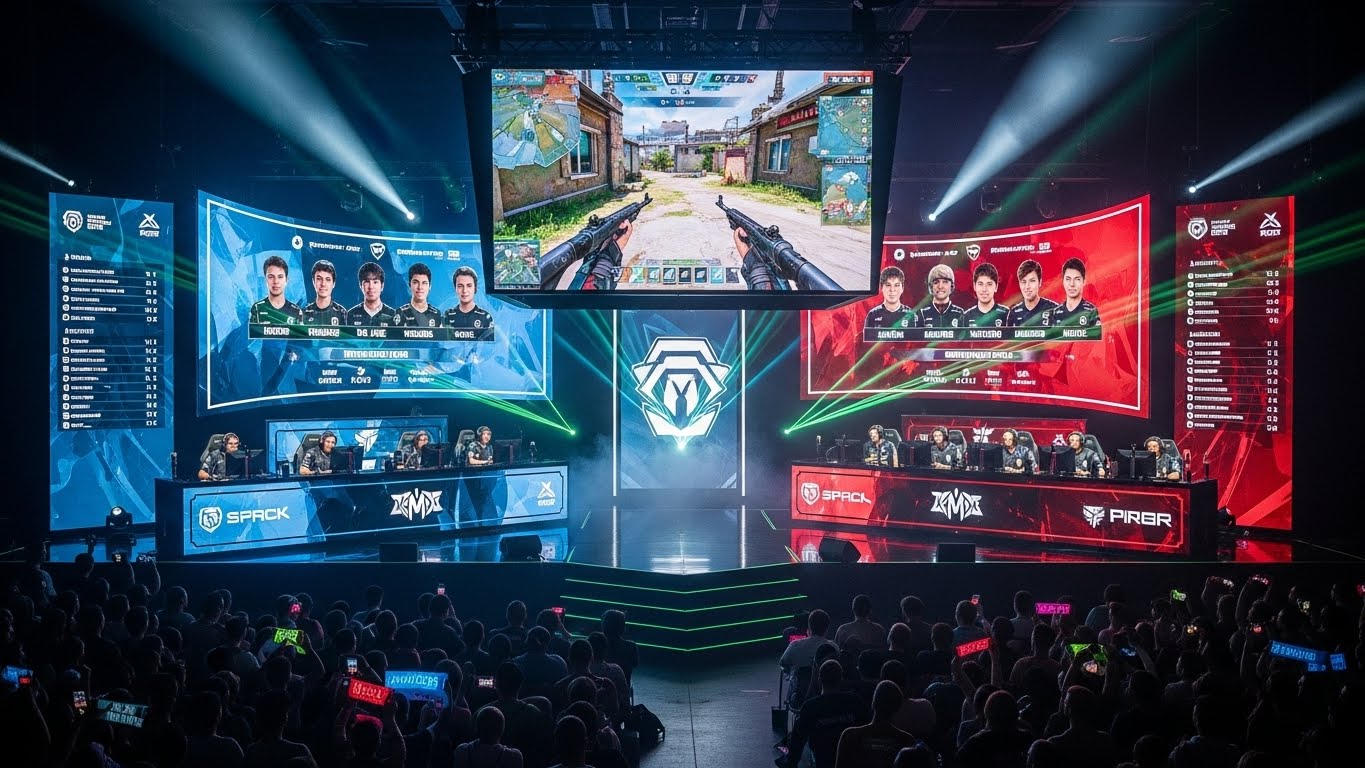
In the early days of gaming, few could have imagined that pressing buttons on a controller or keyboard would one day fill entire stadiums. Esports, or electronic sports, began as a niche hobby among tech enthusiasts and gamers gathering in small rooms, arcades, or local LAN parties. Today, it stands as a multibillion-dollar global industry that rivals traditional sports in viewership, revenue, and influence. What was once dismissed as a pastime for teenagers has now become a legitimate profession, with players achieving celebrity status and tournaments drawing millions of viewers from around the world.
The rise of esports represents more than just the evolution of gaming; it marks a cultural transformation in how competition, entertainment, and community converge in the digital age. To understand this revolution, one must explore the journey from humble beginnings to the grand stages of global tournaments and the impact it has left on modern culture.
The Origins of Competitive Gaming
The roots of esports trace back to the late 1970s and early 1980s, when the first video game competitions were held. In 1980, Atari hosted the Space Invaders Championship, attracting over ten thousand participants. This marked the first major gaming tournament and hinted at a future where gaming could become a shared spectacle. Arcade cabinets of classics like Pac-Man, Donkey Kong, and Galaga became informal battlegrounds for high scores, and players began carving reputations based on their skill.
As technology advanced, the introduction of personal computers in the 1990s expanded competitive gaming. Multiplayer games like Doom and Quake allowed players to face off through local networks. These early LAN parties were the ancestors of today’s online tournaments. When the internet became widely accessible, competition moved online, connecting players globally. This shift laid the foundation for organized esports leagues and the professionalization of competitive gaming.
The Early 2000s: Esports Enters the Spotlight
The early 2000s were the years that solidified esports as more than just a subculture. Titles such as Counter-Strike, StarCraft, and Warcraft III became cornerstones of the competitive gaming scene. South Korea, in particular, played a pivotal role in shaping esports into a legitimate profession. With the rise of broadband internet and specialized gaming TV channels, South Korean players achieved celebrity status, and professional gaming teams gained sponsorships from major corporations.
StarCraft became a national obsession in South Korea, often broadcast live to millions of viewers. This period marked the establishment of structured leagues, regular tournaments, and the creation of esports organizations with coaches, managers, and analysts. What had started as hobbyist gatherings was now a full-fledged industry.
Meanwhile, in the West, the growth was slower but steady. Events like the Cyberathlete Professional League (CPL) and Major League Gaming (MLG) introduced Western audiences to organized competitive gaming. Prize pools began to increase, and corporate sponsors recognized the potential of marketing to a young, tech-savvy demographic.
The Streaming Revolution and Global Expansion
One of the defining moments in esports history came with the birth of online streaming platforms. Services such as Twitch and YouTube Gaming transformed esports from a niche pastime into a global entertainment medium. Viewers no longer needed cable channels or live tickets; they could watch their favorite players and tournaments from anywhere in the world.
Streaming democratized the industry, giving independent players the power to build their own brands. Personalities like Ninja, Shroud, and Faker became icons not just for their skill but for their charisma and online presence. The accessibility of streaming content also helped break cultural and linguistic barriers, bringing together fans from different continents to share a unified passion.
As a result, esports no longer belonged to one region or genre. Games like Dota 2, League of Legends, Fortnite, and Valorant expanded the field across genres — from strategy and shooters to battle royales and mobile games. Every year, tournaments grew larger, prize pools soared higher, and production values rivaled those of traditional sports broadcasts.
The Structure of Modern Esports
Today’s esports ecosystem mirrors the structure of traditional sports leagues. There are professional organizations, sponsors, broadcasters, event organizers, and governing bodies. Players train full-time, follow strict schedules, and adhere to contracts that include salaries, prize shares, and performance clauses.
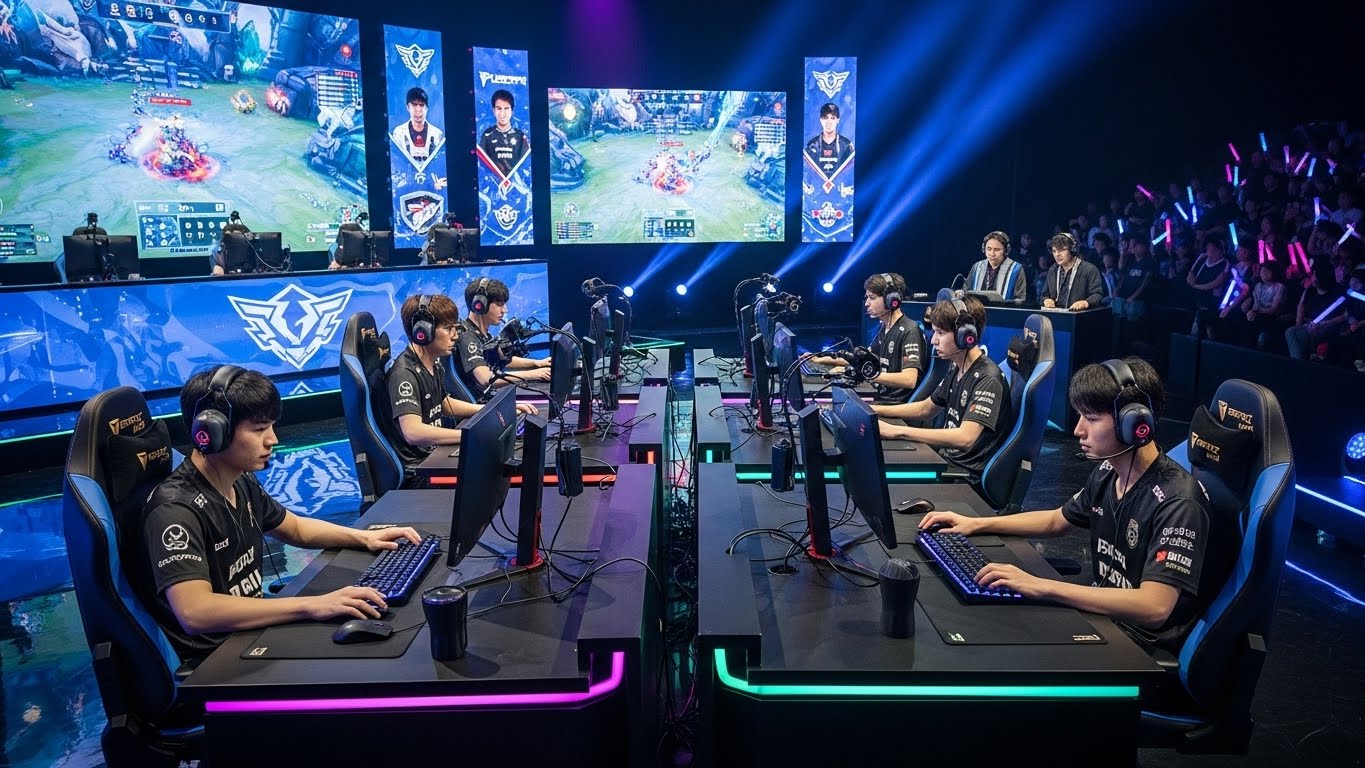
The largest esports titles each have their own professional leagues. For example, the League of Legends World Championship draws millions of live viewers, while Dota 2’s The International boasts record-breaking prize pools exceeding forty million dollars. Games like Counter-Strike 2, Call of Duty, and Rocket League also host their own competitive circuits.
Teams are often multinational, composed of players from various backgrounds. They operate under brand names, receive endorsements, and even have merchandise lines. Analysts, coaches, and strategists study gameplay footage, refine tactics, and help players maintain peak performance. The professionalism of esports has elevated it to a level of legitimacy once thought impossible for video games.
The Economics of Esports
The financial side of esports has grown exponentially in the past decade. Sponsorships, media rights, merchandise sales, and advertising form the backbone of revenue. Global brands such as Intel, Red Bull, Nike, and BMW have invested heavily in the industry, recognizing its massive reach among younger audiences.
Prize money alone can be life-changing for top players. In major tournaments, individual players can earn millions, while organizations gain international prestige. However, the economics extend beyond players and teams. Esports also drives peripheral industries such as hardware manufacturing, streaming technology, and event management.
Colleges and universities have begun offering esports scholarships, treating gaming as an academic and athletic pursuit. Dedicated esports arenas and training facilities have been built across cities, further embedding competitive gaming into mainstream culture.
Esports and Traditional Sports: A New Rivalry
The comparison between esports and traditional sports is inevitable. Both involve competition, teamwork, skill, and strategy. Yet, esports offers advantages that physical sports cannot — accessibility, diversity, and constant innovation. Anyone with a computer or console can enter the scene, regardless of physical ability or geographic location.
Major sports organizations have taken notice. Football clubs like Paris Saint-Germain, Manchester City, and FC Barcelona have established esports divisions. The NBA founded the NBA 2K League, and Formula 1 introduced its own virtual racing championship. These collaborations have blurred the lines between traditional and digital sports, creating a hybrid landscape of entertainment.
What once seemed worlds apart has now merged. The future may hold events where physical and digital competitions coexist within the same arenas, uniting fans of both worlds under one banner of global competition.
The Culture of Esports Fandom
Esports fandom operates differently from that of traditional sports. Fans not only watch matches but actively engage with players through social media, streaming platforms, and live chats. The community-driven nature of esports creates a sense of intimacy between players and fans. Gamers share memes, discuss strategies, and form online communities that often feel like extended families.
Conventions such as DreamHack, BlizzCon, and TwitchCon celebrate gaming culture as a whole. Attendees meet their favorite players, participate in tournaments, and immerse themselves in the world of interactive entertainment. Cosplay, merchandise, and digital art have all become integral to the esports ecosystem, merging creativity with competition.
Moreover, esports fans are global. Unlike traditional sports, where teams are tied to specific cities or regions, esports fandom transcends geography. A fan in Brazil can cheer for a team from Sweden, while a player from Japan can have millions of followers in the United States. The internet has dissolved borders, allowing a truly international fan culture to flourish.
The Psychology of Competitive Gaming
Behind every professional gamer is a story of discipline, strategy, and mental endurance. Esports demands more than reflexes; it requires the ability to remain calm under pressure, make split-second decisions, and work cohesively with teammates. The cognitive demands are immense, involving multitasking, spatial awareness, and adaptability.
Psychologists have begun studying esports athletes to understand the mental aspects of performance. Just like traditional athletes, gamers experience stress, burnout, and emotional fatigue. To maintain peak mental health, many teams now employ sports psychologists and wellness coaches. Meditation, physical exercise, and nutrition are becoming part of standard training regimens.
The perception that gaming is sedentary or unhealthy is gradually fading as professional players adopt holistic approaches to maintain both body and mind. The science of performance in esports continues to evolve, revealing the intricate balance between human cognition and digital mastery.
Challenges Facing the Esports Industry
Despite its explosive growth, esports faces several challenges. Player burnout remains a serious issue due to intense schedules and high performance pressure. Many professional gamers retire in their early twenties because of physical strain or mental exhaustion.
Regulation is another complex matter. The lack of a unified global governing body leads to inconsistencies in rules, prize distribution, and contract enforcement. Cheating, match-fixing, and doping scandals have occasionally tainted the industry’s reputation. However, with growing oversight from both publishers and external organizations, esports governance is improving.
Toxicity within online communities also remains a concern. Developers and tournament organizers are implementing stricter codes of conduct and moderation tools to foster safer, more inclusive environments. Diversity and representation, too, are areas where progress is needed. Female players, LGBTQ+ competitors, and marginalized communities continue to push for greater visibility and equality within the esports world.
The Educational and Social Impact of Esports
Beyond entertainment, esports has proven to be an educational tool. Schools and universities are recognizing the cognitive benefits of gaming, such as problem-solving, teamwork, and critical thinking. Esports programs encourage students to engage in technology, design, and communication disciplines, preparing them for modern digital careers.
Additionally, esports serves as a bridge between cultures. Players from different countries collaborate, communicate, and learn from one another, fostering global understanding and respect. Online communities offer social outlets for individuals who may struggle to connect in traditional environments, creating spaces where passion and creativity thrive.
Charity tournaments and community-driven events also highlight the positive power of gaming. Through fundraising and awareness campaigns, esports has contributed to social causes, disaster relief, and mental health advocacy, proving that digital competition can create real-world impact.
The Future of Esports
Looking ahead, the future of esports seems limitless. Technological innovations such as virtual reality, augmented reality, and artificial intelligence will reshape how games are played and experienced. As internet speeds and accessibility improve worldwide, more regions will enter the competitive scene, further diversifying the global landscape.
Mainstream media continues to embrace esports, with television networks and streaming giants broadcasting tournaments alongside traditional sports. Governments are beginning to recognize esports athletes as professionals, offering visas, funding, and infrastructure to support national teams.
Esports is also poised to integrate with the broader entertainment industry. Collaborations between game developers, musicians, filmmakers, and fashion designers are creating cross-media experiences that extend far beyond the digital arena. The line between gaming, art, and culture continues to blur, signaling a new era where esports stands as a central pillar of global entertainment.
Conclusion: A Digital Legacy in the Making
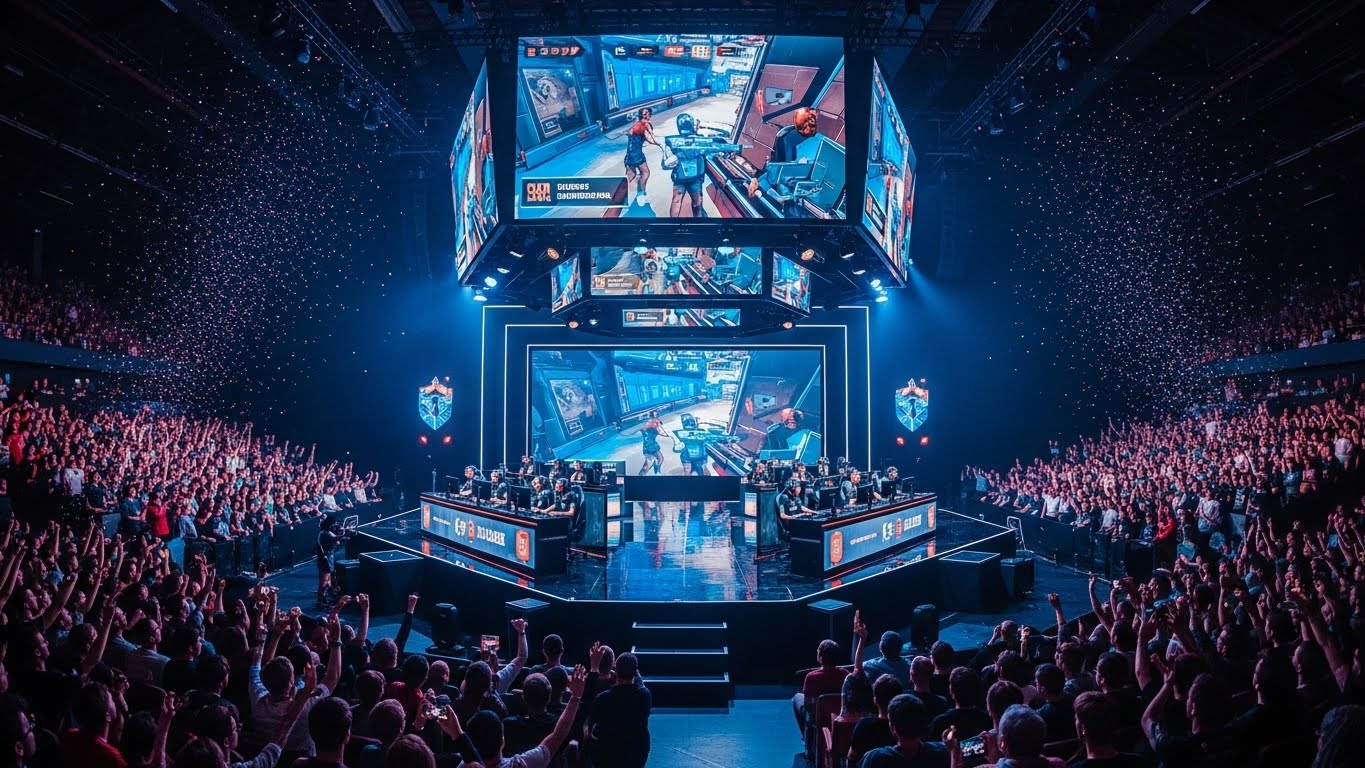
From humble arcade competitions to world-class arenas filled with roaring fans, esports has become a defining phenomenon of the 21st century. It reflects humanity’s enduring desire to compete, connect, and innovate. What began as friendly matches between friends has evolved into a cultural and economic powerhouse that unites millions across the globe.
The story of esports is far from over. As technology continues to advance and society embraces digital entertainment as a form of art and sport, esports will only grow stronger. It embodies the future of competition — a fusion of intellect, skill, and community — proving that greatness can be achieved not only on physical fields but also within the boundless worlds of pixels and imagination.