clashcircle44
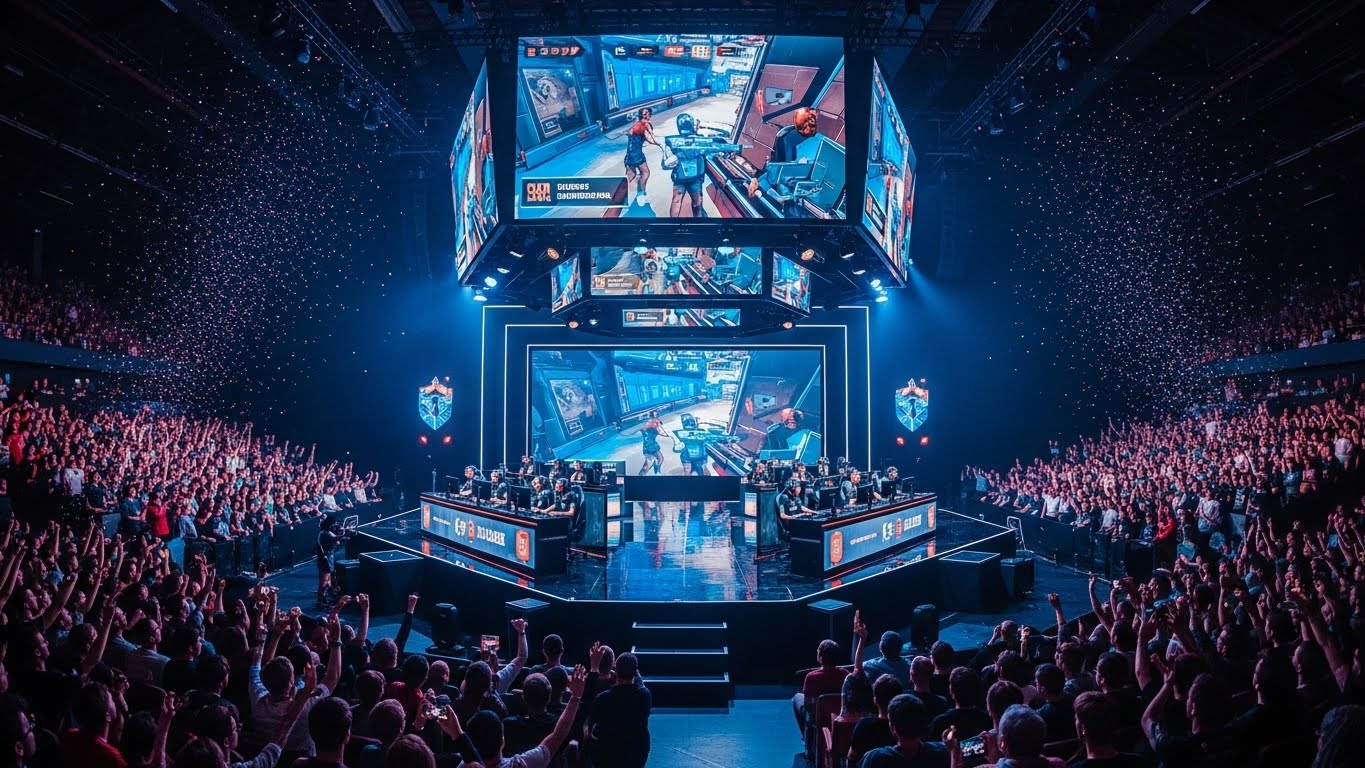
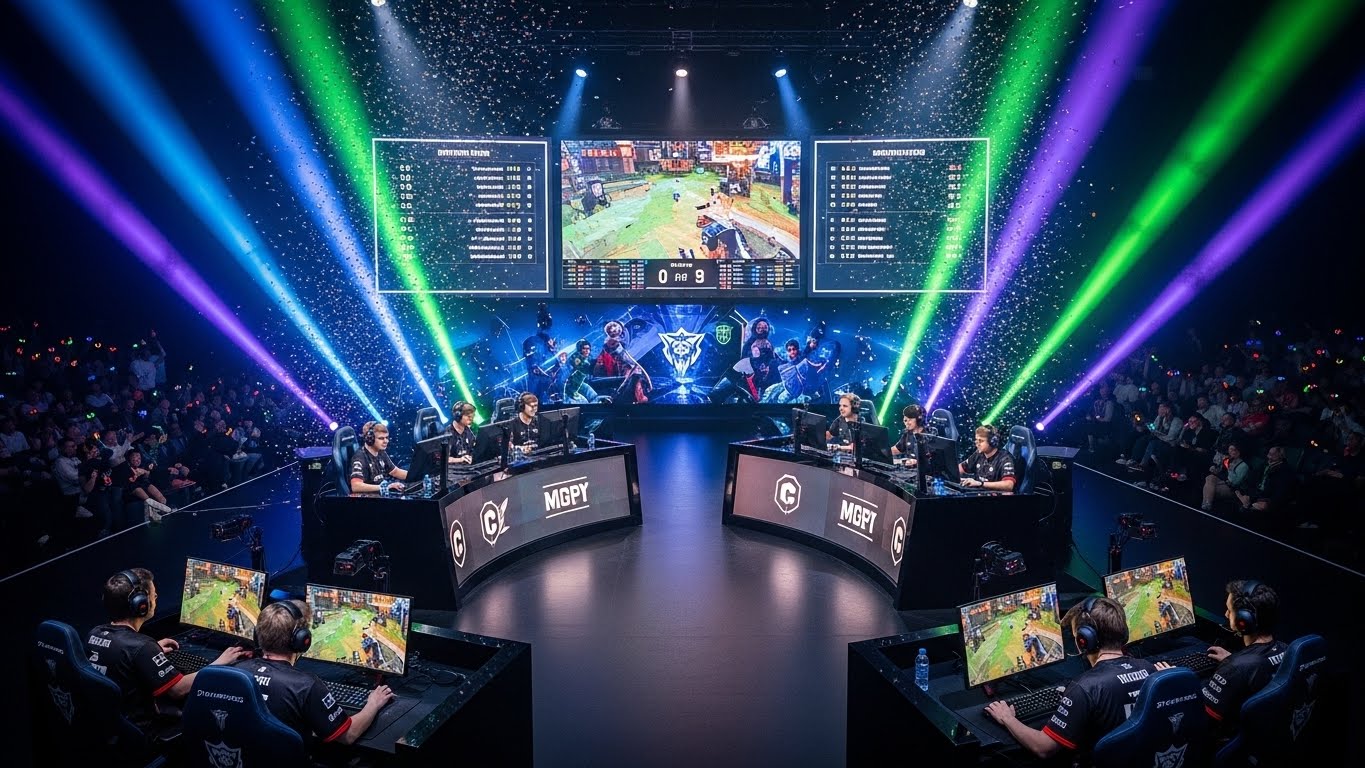
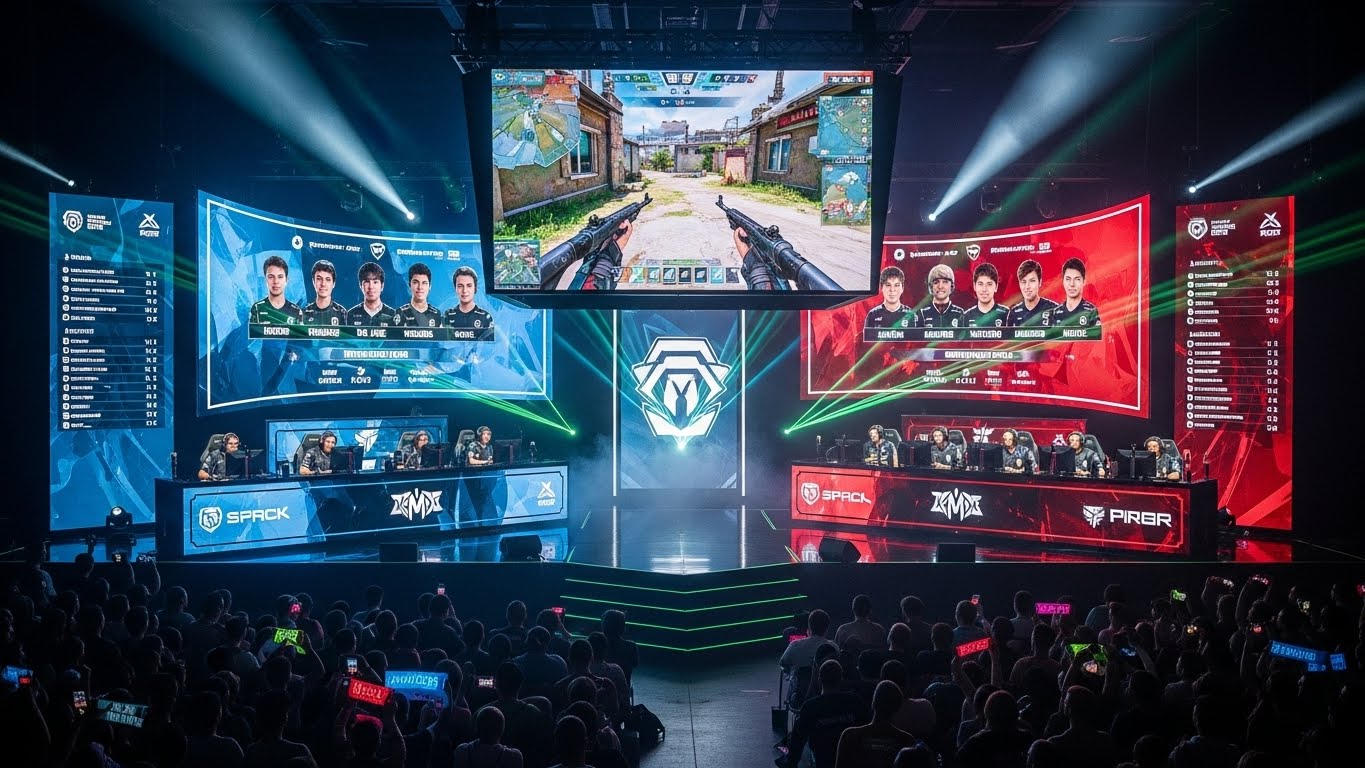
Esports, or electronic sports, refers to competitive video gaming at a professional level. Once seen as a niche hobby for gamers and enthusiasts, esports has experienced rapid growth over the last decade, evolving into a global industry worth billions of dollars. Today, esports tournaments fill stadiums, draw millions of viewers online, and have professional leagues just like traditional sports. With a rapidly growing fanbase, large prize pools, and increasing mainstream recognition, it’s clear that esports is not just a passing trend—it’s the future of competitive entertainment. This blog post will explore the rise of esports, the factors driving its success, and the impact it’s having on entertainment and culture worldwide.
What is Esports?
Esports is defined as competitive video gaming, typically involving organized multiplayer online video game tournaments. These competitions are often held at various levels, from local and regional events to large-scale international championships. Esports includes a wide array of games, from first-person shooters (FPS) like Counter-Strike and Call of Duty, to multiplayer online battle arenas (MOBA) like League of Legends and Dota 2, and battle royales like Fortnite.
While competitive gaming has been around since the early days of video games, it wasn’t until the rise of the internet and online gaming that esports began to form into its modern iteration. Online platforms like Twitch, YouTube Gaming, and others have turned gaming into a spectator sport, enabling fans to watch players compete in real-time from anywhere in the world.
The Birth of Esports: A Timeline of Growth
The early 2000s marked the beginning of esports as we know it today. Although there were small-scale competitions before then, games like StarCraft and Warcraft III were some of the first to feature organized tournaments, especially in South Korea, which played a key role in the early development of esports. These early events helped establish the framework for professional gaming, attracting large audiences and sponsorships.
As internet speeds increased and platforms like Twitch launched in 2011, the accessibility of esports grew dramatically. Gamers and fans could watch tournaments and stream matches without needing to be physically present. With more people able to participate in and watch competitions, esports began to evolve into a professional and highly competitive industry.
The creation of major leagues and tournaments further solidified esports’ place in the mainstream. Tournaments like The International for Dota 2, League of Legends World Championships, and the Fortnite World Cup began to offer prize pools in the millions of dollars, attracting top-tier talent from around the globe. These events not only showcased exceptional gameplay but also brought a sense of spectacle that rivaled traditional sports broadcasts.
The Factors Behind Esports’ Meteoric Rise
Several key factors have contributed to the rapid rise of esports, making it one of the most important cultural shifts of the 21st century. Let’s explore these driving forces behind its success.
1. The Growth of Streaming and Online Platforms
One of the biggest catalysts for esports’ success has been the rise of streaming platforms, with Twitch leading the charge. Twitch allows gamers to broadcast their gameplay to an audience, while also providing a platform for live esports tournaments. In 2020, Twitch had over 3 billion hours of content watched, with esports content being a major part of that. Fans now have easy access to professional esports events, allowing them to follow their favorite players and teams from anywhere in the world.
Platforms like YouTube Gaming, Facebook Gaming, and even TikTok have followed suit, giving esports a wider reach and enabling gamers to build personal brands through streaming and content creation. These platforms not only allow people to watch live gameplay but also create a space for interaction through chat features, community-building, and live commentary.
2. Sponsorship and Investment from Traditional Sports
Esports’ rise can also be attributed to significant investments and sponsorships from traditional sports organizations. In 2016, for example, NBA franchise owners began investing in esports teams, with several establishing their own esports leagues and teams in popular games like NBA 2K. Traditional sports companies have seen the massive appeal of esports, especially among younger audiences, and have used it as an opportunity to diversify their portfolios.
Beyond sponsorships, partnerships between esports organizations and major brands like Coca-Cola, Intel, Red Bull, and Nike have further legitimized esports as a professional pursuit. The large prize pools in games like Dota 2 and Fortnite have also contributed to the financial growth of the industry, turning esports players into multimillionaires.
3. Engagement of Younger Audiences
Esports is particularly popular with millennials and Generation Z, who have grown up in the digital age. Unlike traditional sports, esports caters to a demographic that is deeply immersed in gaming culture, and the accessibility of online platforms makes it easier for younger audiences to engage. The growth of esports as an entertainment genre is driven by the fact that it appeals to young people who are already familiar with video games and enjoy watching others play.
With many younger people viewing esports as a natural extension of the gaming world, esports tournaments and streams have become a form of entertainment that competes with more traditional media, including television and movies. Esports allows fans to connect with players, follow live matches, and even participate in the competitive gaming community, fostering a deeper sense of engagement.
4. The Global Appeal of Esports
One of the defining characteristics of esports is its global reach. Esports is not bound by borders or language barriers, and players from all over the world can compete in tournaments, creating an international community of fans. Games like League of Legends and Valorant feature regional leagues with teams from North America, Europe, Asia, and Latin America, and tournaments like The International bring together the best players from all corners of the globe.
This global appeal has helped esports grow rapidly, as viewers from different countries can watch matches in their native languages or cheer on their favorite international teams. The rise of esports has also led to the formation of esports organizations and teams with players from different countries, making esports a truly international and multicultural event.
Esports as a Professional Career
As esports has grown, it has transformed into a viable career for many players. Esports professionals often train for hours each day, practicing their gameplay, studying strategies, and developing communication skills to work effectively with their teams. In addition to prize money from tournaments, many esports athletes also earn revenue through sponsorships, streaming platforms, merchandise sales, and social media engagement.
Professional esports players are now treated like traditional athletes, with teams offering salaries, coaching, and support staff to help them succeed. The pressure to perform at a high level, the intense competition, and the time commitment all reflect the demands of traditional sports. With leagues, franchises, and sponsorships in place, professional gaming is becoming a respected career choice for gamers who want to turn their passion into a livelihood.
The Future of Esports: What Lies Ahead?
Looking to the future, there are several exciting developments and trends that will continue to shape the growth of esports:
1. Increased Mainstream Acceptance
As esports continues to grow in popularity, it will likely gain even more mainstream recognition. Major sports broadcasters like ESPN, Turner Sports, and others have begun airing esports competitions, signaling the acceptance of esports as a legitimate form of entertainment. As traditional sports fans begin to embrace esports, the lines between the two industries will continue to blur.
2. Virtual Reality and Augmented Reality Integration
With advances in technology, esports could soon incorporate virtual reality (VR) and augmented reality (AR) into its competitions. These technologies would allow players to engage in more immersive gameplay experiences, while viewers could watch matches from multiple perspectives or interact with the content in new and exciting ways. This could revolutionize the way esports is played and viewed, offering a more dynamic and interactive experience.
3. Esports in Education
As the esports industry grows, so too does the role of esports in education. Schools, colleges, and universities are increasingly offering scholarships for talented esports players and providing academic programs focused on esports management, marketing, and event organization. This trend will continue to shape the future of esports, creating more opportunities for aspiring players and industry professionals.
Conclusion
Esports has rapidly evolved from a niche interest to a global entertainment phenomenon, with a dedicated fan base, major sponsorships, and professional leagues. As the industry continues to grow, its influence on gaming culture, entertainment, and sports will only increase. Whether you’re an avid gamer or someone curious about the rise of competitive gaming, it’s clear that esports is here to stay. With more opportunities, higher stakes, and increased recognition, the future of esports looks brighter than ever, and it’s just getting started.