clashcircle44
Esports, the competitive world of video gaming, has transformed dramatically over the past few decades. Once seen as a niche hobby for dedicated enthusiasts, esports has now emerged as a global phenomenon, captivating millions of viewers and attracting professional players, investors, and sponsors from around the world. It combines strategy, reflexes, teamwork, and storytelling, creating a digital arena where skill and entertainment intersect. Unlike traditional gaming, esports demands precision, mental fortitude, and rigorous training, making it a legitimate and respected form of competition.
The Early Days of Competitive Gaming
The origins of esports can be traced back to the late 1970s and 1980s, when arcade gaming and early home consoles gained popularity. Players competed for high scores in titles such as Space Invaders, Pac-Man, and Donkey Kong. These early competitions were localized and often informal, but they established the first culture of gaming competition. Tournaments in arcades and school competitions allowed players to test their skills against others, fostering camaraderie and rivalry. This era emphasized personal mastery and community engagement, laying the foundation for modern esports.
The LAN Tournament Era
By the 1990s, local area networks (LANs) revolutionized competitive gaming. LAN tournaments allowed multiple players to connect computers within a single network, enabling real-time multiplayer gameplay. Games like Quake, Counter-Strike, and StarCraft became the cornerstones of this era. LAN tournaments were often hosted in community centers, conventions, or specialized gaming cafes, creating a physical space for players to compete and interact. These events were instrumental in building competitive gaming as a structured activity. Players learned strategies, honed teamwork, and developed skills that would later become essential in professional esports leagues.
The Internet and Global Connectivity
The rise of the internet in the early 2000s was a turning point for competitive gaming. Online multiplayer games allowed players to connect and compete across the globe, eliminating geographical boundaries. Games like DotA, Warcraft III, and Counter-Strike gained immense popularity, attracting competitive communities online. Online matchmaking, leaderboards, and ranking systems introduced a new level of structure, while online forums and social platforms facilitated communication and community building. The internet era transformed competitive gaming into a spectator-friendly activity, enabling fans to watch matches live, discuss strategies, and engage with players worldwide.
Professionalization of Esports
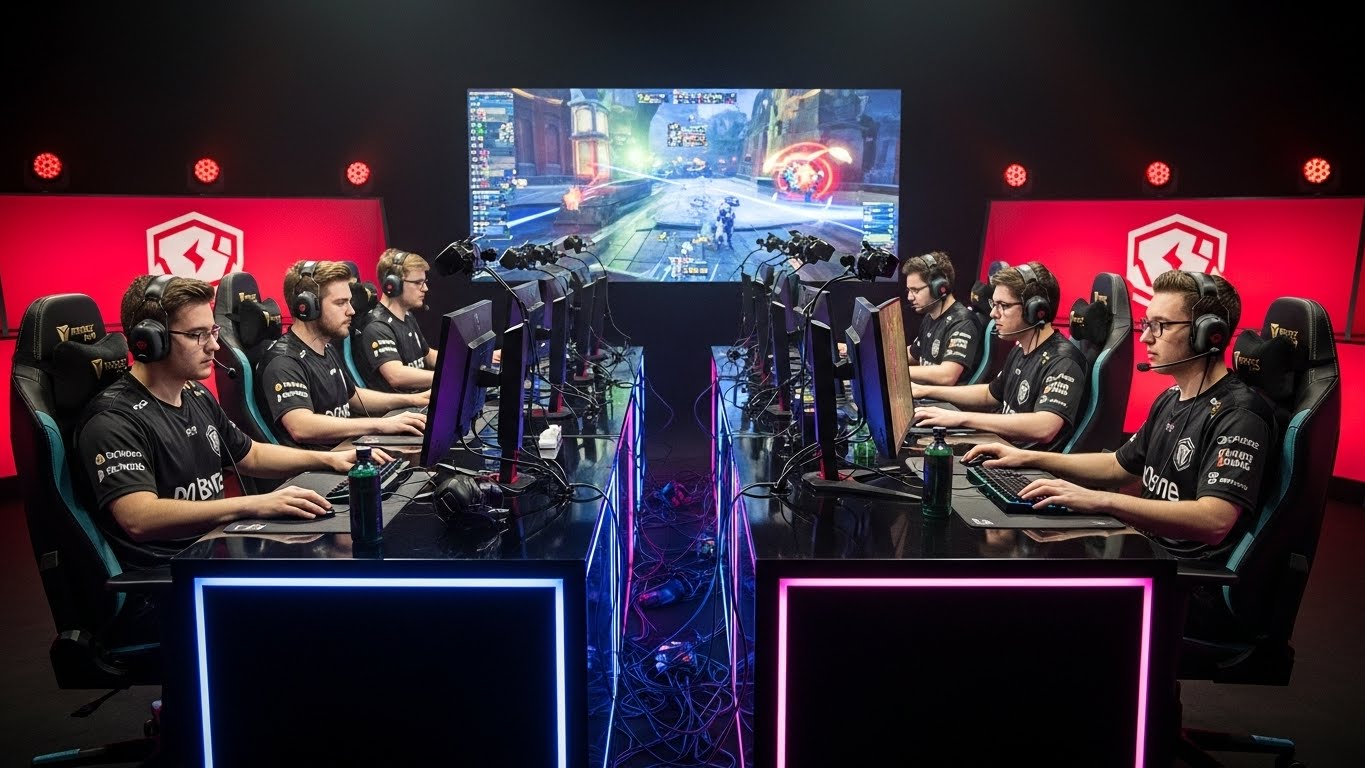
With increased interest and viewership, esports began to professionalize. Professional teams and leagues emerged, offering structured training, coaching, and sponsorship opportunities. Players could now dedicate themselves full-time to competing, receiving salaries, benefits, and support from organizations. Games such as League of Legends, Dota 2, Overwatch, and Call of Duty became central to the professional esports scene, with seasonal leagues, playoffs, and world championships. This professionalization elevated competition, attracting large audiences, corporate sponsorships, and media attention. Esports was no longer a hobby; it had become a legitimate profession and global entertainment industry.
The Role of Streaming Platforms
Streaming platforms have been critical to the growth of esports. Platforms such as Twitch, YouTube Gaming, and Facebook Gaming allow players to broadcast matches live, interact with fans, and build personal brands. Streaming has transformed esports into a spectator-driven entertainment industry, where fans can watch competitions in real-time, analyze strategies, and engage with players. Many professional players also stream content outside of tournaments, creating additional revenue streams through subscriptions, donations, and sponsorships. The rise of streaming has democratized esports, allowing anyone with talent and personality to gain visibility and connect with global audiences.
Global Esports Tournaments
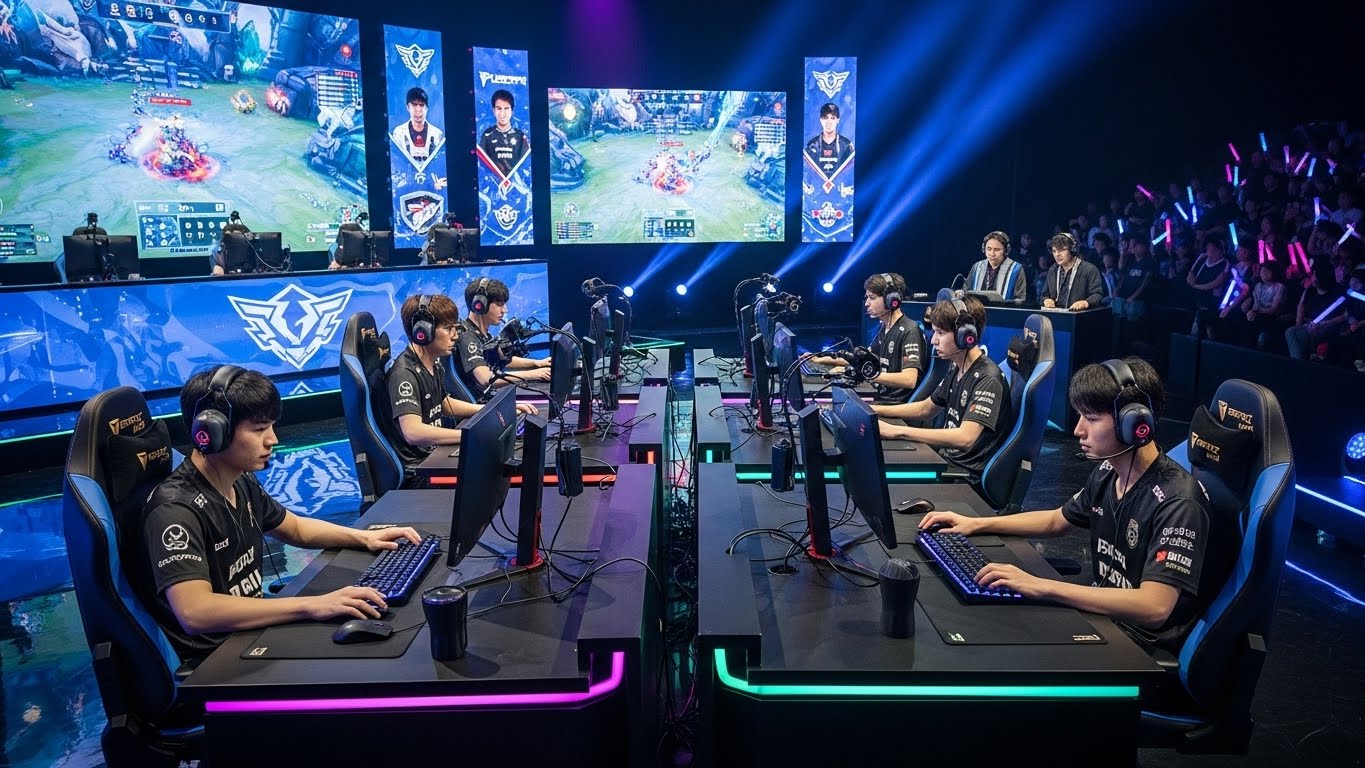
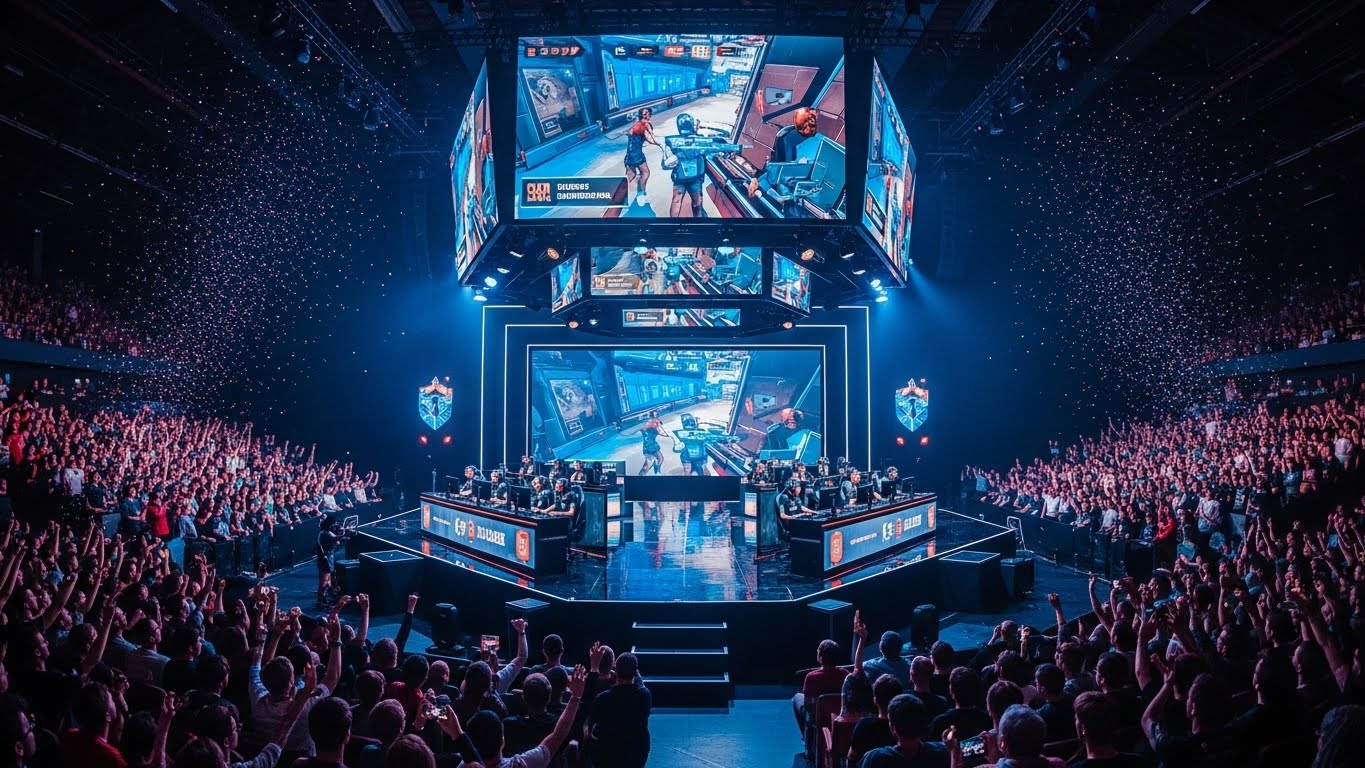
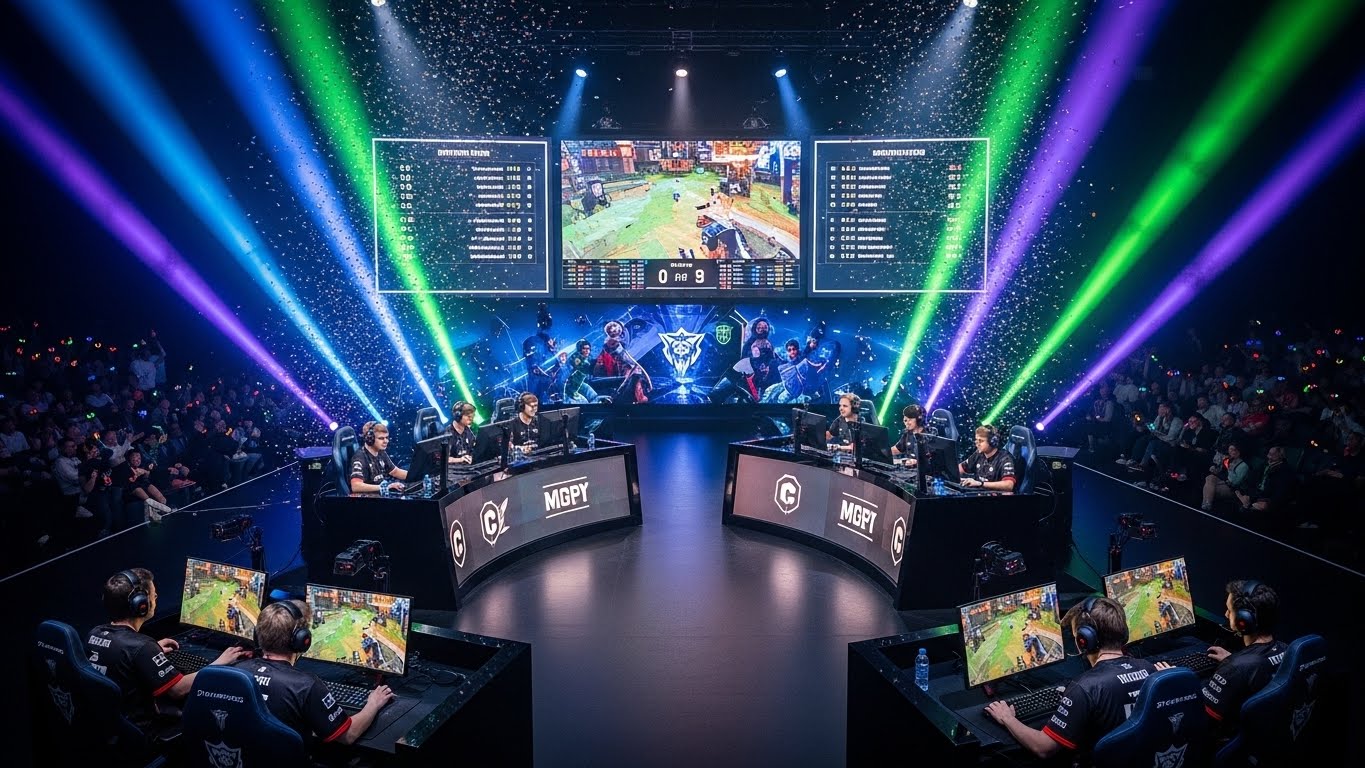
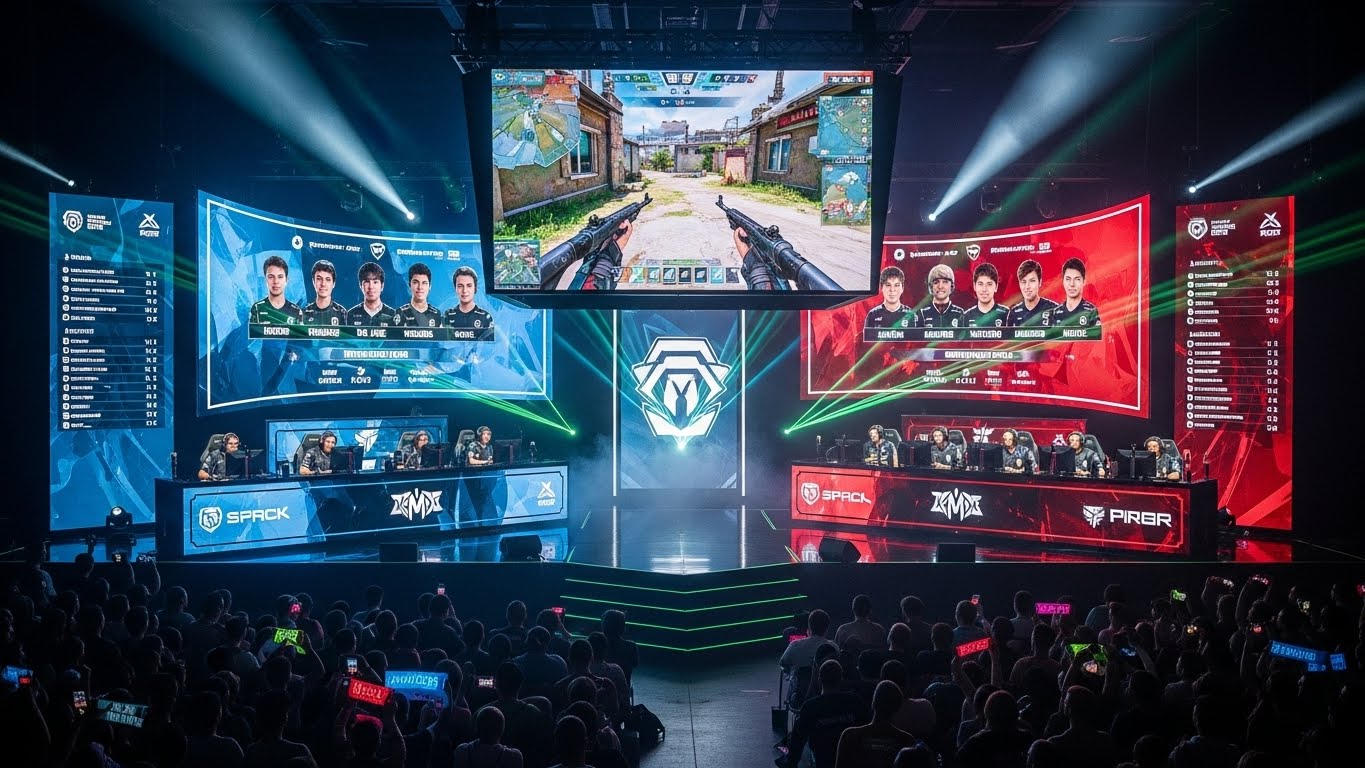
One of the defining features of esports is the scale of international competitions. Tournaments like The International for Dota 2, the League of Legends World Championship, and the Fortnite World Cup attract millions of viewers and offer multi-million-dollar prize pools. These events are meticulously organized, featuring live commentary, in-depth analysis, and elaborate stage designs. Global tournaments foster intense rivalries and create narratives that engage fans on a personal level. They also demonstrate the universality of esports, as players from diverse countries compete and fans from all over the world follow their favorite teams and stories.
Esports as a Spectator Sport
Esports has evolved into a spectator sport with its own unique appeal. Unlike traditional sports, esports combines the thrill of competition with immersive digital experiences. Fans enjoy watching strategic gameplay, rapid decision-making, and impressive displays of skill. Commentators provide analysis and storytelling, giving context to matches and enhancing viewer engagement. Spectators often participate actively, discussing strategies, predicting outcomes, and cheering for favorite players. The combination of interactivity, skill, and entertainment makes esports a captivating form of entertainment that appeals to a global audience.
The Economics of Esports
Esports has developed into a multi-billion-dollar industry, fueled by sponsorships, media rights, advertising, ticket sales, and merchandise. Corporations across technology, energy, and lifestyle sectors invest in esports teams and tournaments to reach engaged audiences. Sponsorship deals provide financial support to teams and players, enabling them to focus on training and competition. Streaming platforms also generate revenue through subscriptions, advertisements, and donations. The economic impact of esports extends beyond players, supporting careers in event management, content creation, marketing, and broadcasting. This robust financial ecosystem ensures the sustainability and continued growth of the industry.
Technology’s Role in Esports
Technology is at the core of esports, driving innovation and enhancing performance. High-performance gaming equipment ensures precision and responsiveness, while networking technology facilitates smooth online competition. Data analytics tools allow teams to analyze performance, refine strategies, and gain a competitive edge. Emerging technologies, such as virtual reality and augmented reality, are opening new frontiers for immersive gameplay and viewer experiences. Technology not only powers esports but also enables its rapid expansion, connecting players and fans across the globe in real-time.
Esports Culture and Community
Esports has cultivated a vibrant and inclusive culture. Fans form communities around specific games, players, and teams, engaging in discussions, sharing content, and participating in events. Cosplay, fan art, and fan-made content contribute to the creative energy of the community. Online forums and social media platforms provide spaces for fans to connect, debate strategies, and celebrate victories. This culture fosters a sense of belonging and shared identity, making esports more than a competitive activity—it is a global social phenomenon that transcends geographical and cultural boundaries.
Careers in Esports
Esports offers diverse career opportunities beyond professional gaming. Players can earn income through salaries, prize winnings, streaming revenue, and sponsorship deals. Coaches, analysts, commentators, and event organizers contribute to the industry’s infrastructure. Educational programs and esports academies are emerging to train the next generation of players and professionals, offering scholarships and structured development opportunities. The career paths in esports highlight the professionalism, organization, and skill required to thrive, demonstrating that gaming is a viable and sustainable profession in the modern digital economy.
The Psychology of Esports
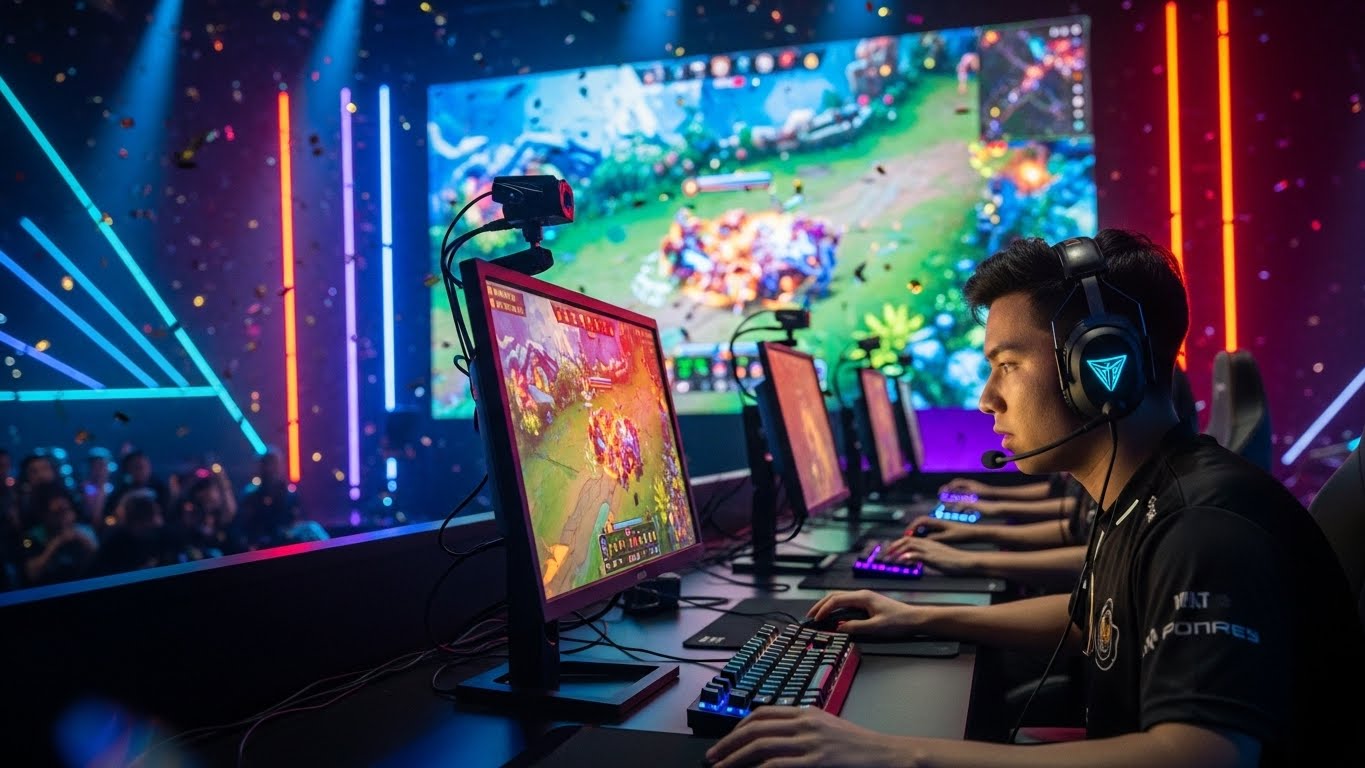
The mental demands of esports are significant. Players must maintain focus, make split-second decisions, and manage high-pressure situations. Team-based games require coordination, communication, and leadership. Mental resilience, emotional regulation, and strategic thinking are critical for consistent performance. Many organizations employ sports psychologists to support players’ mental health, prevent burnout, and optimize performance. Understanding the psychological aspects of esports emphasizes its complexity and legitimacy as a competitive and professional discipline.
Diversity and Inclusion in Esports
Esports has historically been male-dominated, but efforts are being made to promote diversity and inclusion. Women, LGBTQ+ individuals, and underrepresented groups are increasingly participating in competitive gaming. Initiatives such as inclusive tournaments, mentorship programs, and community support aim to create equitable opportunities for all players. Diverse representation enriches the competitive environment, bringing fresh perspectives, strategies, and fan engagement. Esports has the potential to model inclusivity, using its digital nature to break down traditional social barriers and create a global community united by passion and skill.
Challenges Facing Esports
Despite its growth, esports faces numerous challenges. Player health and wellness, including physical strain, mental fatigue, and burnout, remain critical concerns. Regulatory oversight is needed to prevent cheating, match-fixing, and unethical behavior. Revenue sharing and monetization models continue to evolve, creating financial uncertainty for some teams and players. Accessibility remains an issue in regions with limited infrastructure. Addressing these challenges is essential to maintain credibility, ensure fairness, and support sustainable growth within the industry.
The Future of Esports
The future of esports promises exciting innovations. Emerging technologies such as cloud gaming, artificial intelligence, virtual reality, and augmented reality will redefine gameplay and viewer experiences. Global connectivity will continue to expand audiences, while partnerships with traditional sports, entertainment, and media industries will create hybrid events and novel formats. Personalized content, immersive experiences, and community-driven engagement will shape the next generation of esports. The industry is poised for continued growth, further solidifying its place as a mainstream entertainment medium with cultural, professional, and economic significance.
Conclusion
Esports has evolved from arcade competitions to a global, professional, and cultural phenomenon. It combines skill, strategy, technology, and storytelling to create a competitive and entertaining ecosystem that attracts millions of fans worldwide. Professional players, organized teams, global tournaments, and streaming platforms have transformed gaming into a legitimate career and spectator sport. Beyond competition, esports fosters community, creativity, and cultural exchange, bridging geographical and social boundaries. With continued innovation, inclusivity, and professionalization, esports is poised to remain a major force in global entertainment, redefining the way people play, watch, and engage with games.