clashcircle44
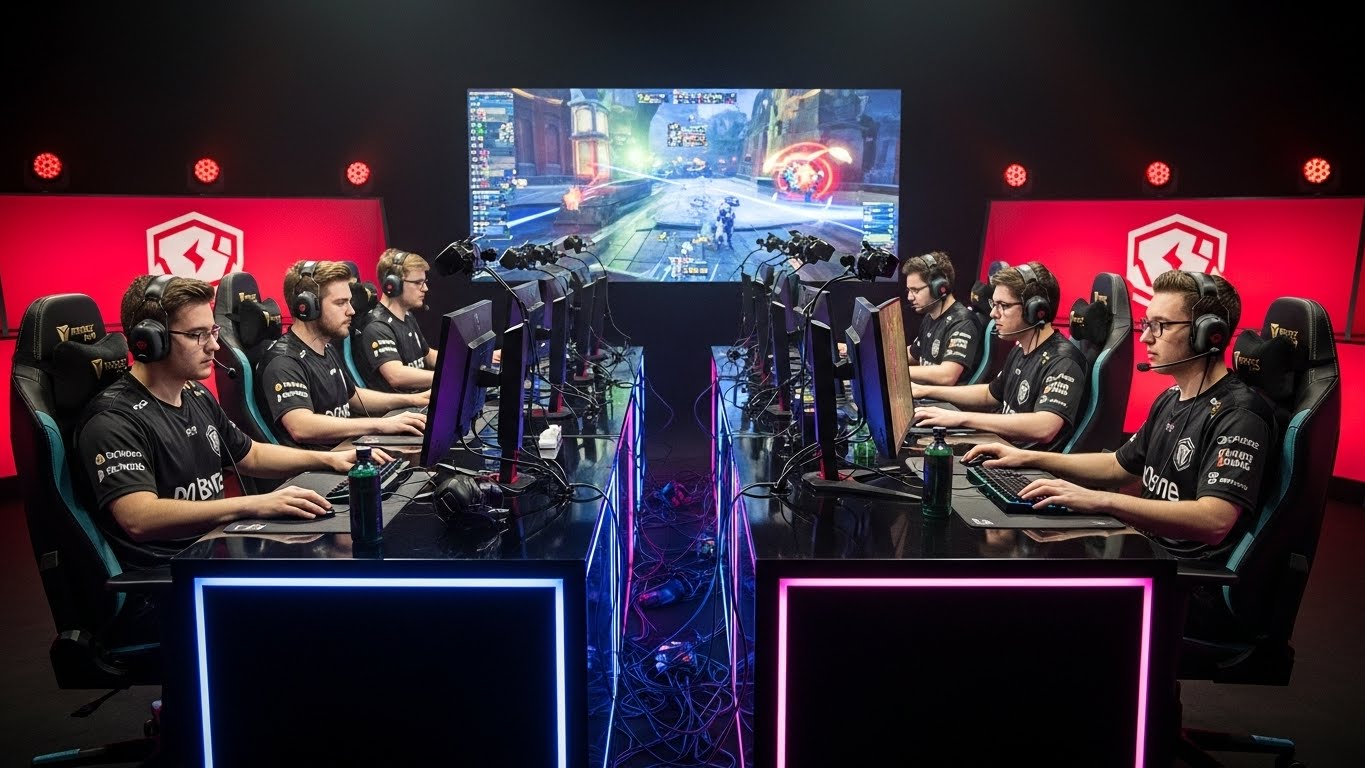
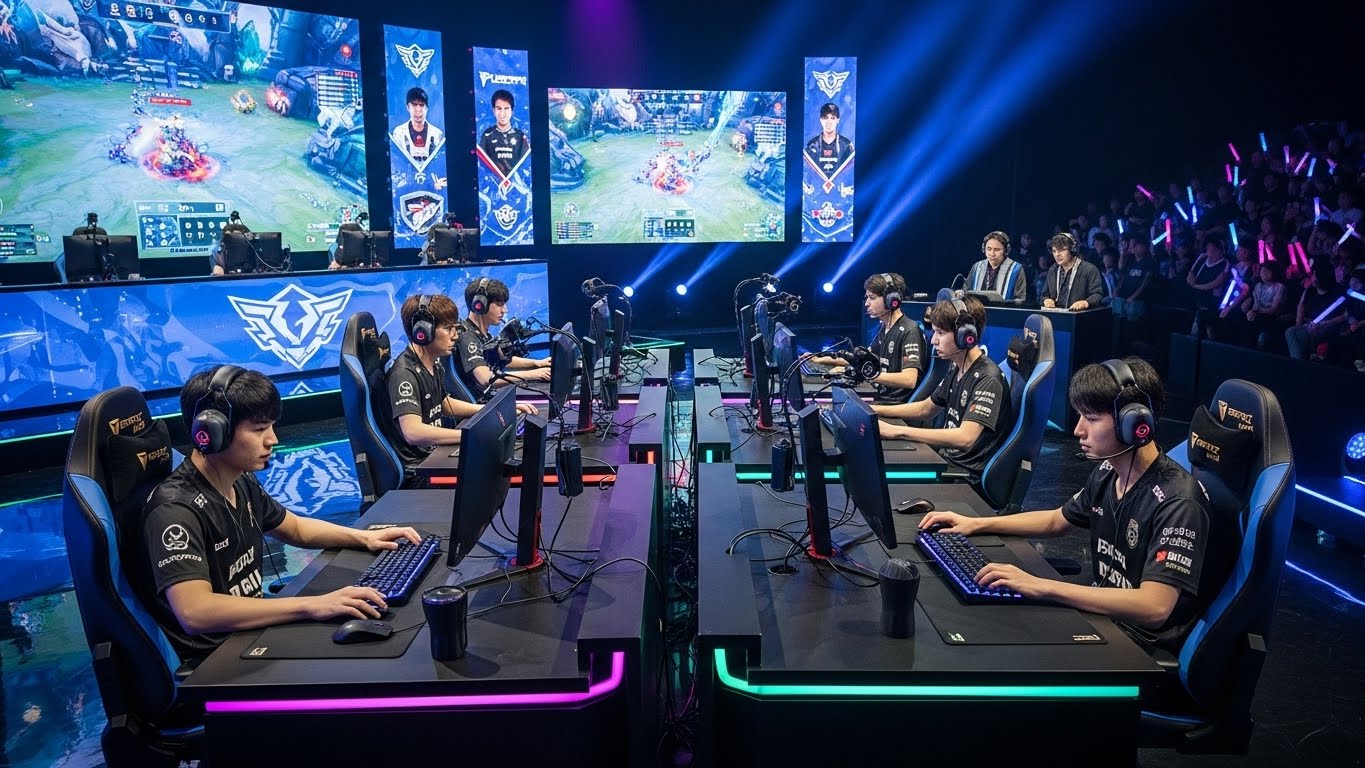
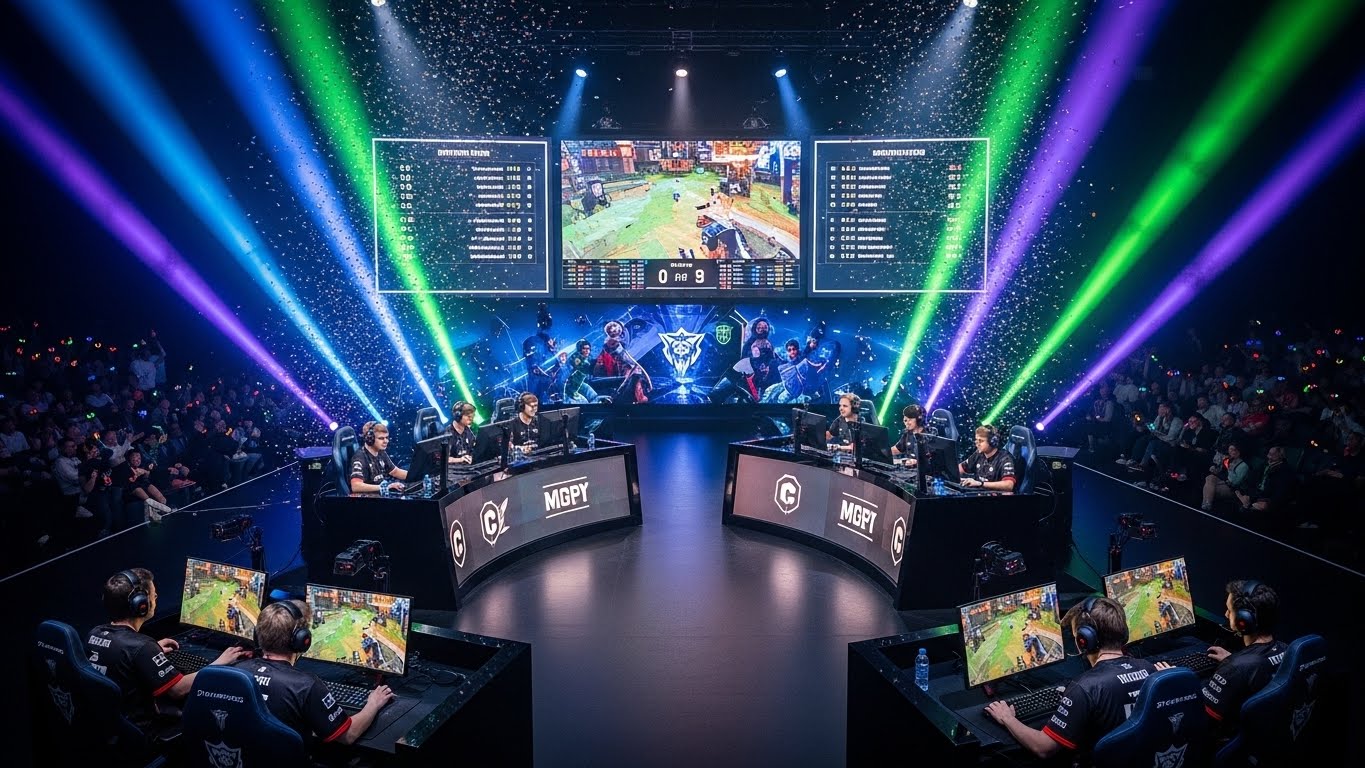
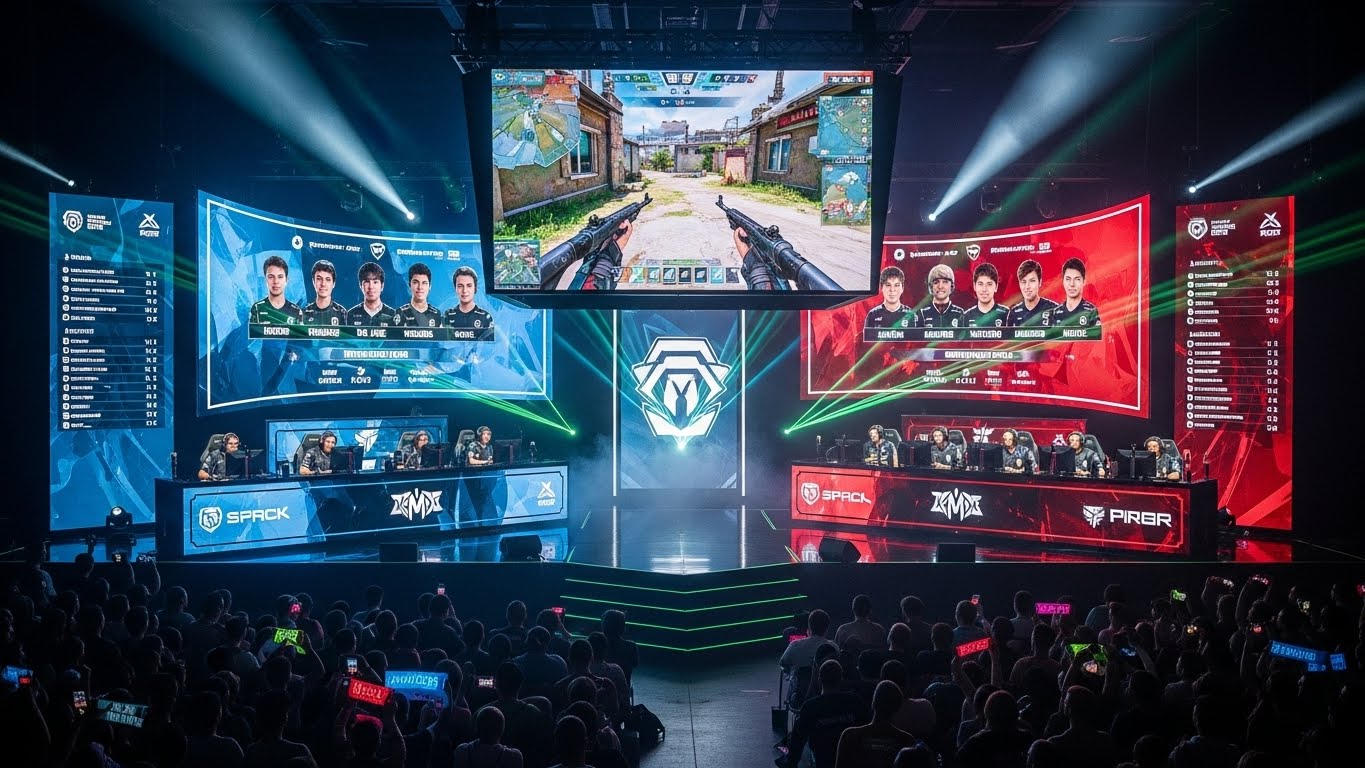
Esports, once a niche activity for gaming enthusiasts, has exploded into a global phenomenon in recent years. What started as a hobby for a small group of competitive gamers has transformed into an industry worth billions of dollars, captivating millions of fans around the world. Esports now holds its place in mainstream entertainment, rivaling traditional sports in terms of viewership, sponsorship, and cultural influence. This blog post explores the history, evolution, and future of esports, highlighting its growth from humble beginnings to becoming one of the most important cultural and economic forces of the 21st century.
The Origins of Esports: A Humble Beginning
The seeds of esports can be traced back to the 1970s and 1980s, when video games began to gain popularity. However, the first true competitive gaming events didn’t emerge until the 1990s. In the early days, gaming competitions were typically small and informal, held among friends or at local gaming arcades. The first major gaming tournament, the Space Invaders Championship, took place in 1980, organized by Atari. This was a simple competition, but it marked the beginning of competitive gaming. Still, it was far from the global spectacle that esports would later become.
It wasn’t until the late 1990s and early 2000s that the concept of professional gaming began to take shape. As personal computers and internet access became more widespread, online gaming became possible. This opened the door for organized online competitions. Games like StarCraft, Warcraft III, and Quake became some of the first titles to foster dedicated competitive communities. The creation of online platforms like Battle.net by Blizzard Entertainment allowed players to connect from different regions, compete against one another, and form communities around their favorite games.
One of the earliest examples of an esports tournament was the Red Annihilation tournament held in 1997, which featured the game Quake. The winner of the tournament, Johnathan “Fatal1ty” Wendel, would go on to become one of the first professional esports players, helping to legitimize the idea that video games could be played at a professional level for money and recognition.
The Growth of Esports in the Early 2000s
As the internet infrastructure improved and online gaming became more accessible, competitive gaming began to thrive. In 2000, the World Cyber Games (WCG) was founded, quickly becoming one of the most prestigious global esports competitions. The WCG helped to further legitimize esports and encouraged more gamers around the world to pursue professional gaming. Alongside the WCG, the Cyberathlete Professional League (CPL) was established in 1997, providing competitive players with a platform for high-stakes tournaments. The CPL hosted events for games like Counter-Strike and Quake, which became staples of the competitive gaming scene.
The early 2000s also saw the rise of real-time strategy (RTS) games like Warcraft III and StarCraft: Brood War, which attracted large, competitive communities. In particular, StarCraft became a sensation in South Korea, where competitive gaming was embraced on a national level. Korean television stations began broadcasting major esports tournaments, and players became celebrities. This period laid the foundation for the esports culture we know today, where players were seen not only as athletes but as stars in their own right.
By the mid-2000s, esports was becoming increasingly professionalized. The prize pools for major tournaments grew larger, attracting more skilled players and teams. Sponsorship deals and corporate partnerships began to emerge, adding a financial element to the competitive scene. However, esports was still seen as a niche hobby by many, and the mainstream recognition that it enjoys today was still a few years away.
The Explosion of Esports: The 2010s and Beyond
In the 2010s, esports reached a turning point. Several key factors contributed to its explosion in popularity during this time. The rise of streaming platforms like Twitch, which launched in 2011, was one of the most important developments in the esports industry. Twitch allowed gamers to broadcast their gameplay live to audiences around the world, creating a platform for both casual and professional gamers to showcase their skills. The accessibility of streaming created a new level of engagement for esports fans, who could now watch tournaments and matches in real-time from the comfort of their homes. It also allowed for the emergence of gaming personalities and influencers, who built massive followings by regularly streaming their gameplay and interacting with viewers.
Meanwhile, the release of League of Legends (LoL) in 2009 by Riot Games played a pivotal role in shaping the future of esports. League of Legends quickly became one of the most popular esports titles, with an ever-growing professional scene. Riot Games was also one of the first companies to recognize the potential for esports as a sustainable business model, investing heavily in the game’s competitive ecosystem. They introduced the League of Legends Championship Series (LCS) in 2013, a professional league that featured top teams from North America and Europe.
One of the most significant developments during this period was the launch of major esports leagues, modeled after traditional sports leagues. For example, Blizzard Entertainment’s Overwatch League (OWL), which began in 2018, adopted a franchise system similar to the NBA or NFL, where teams represent different cities. This move signaled that esports was maturing as an industry, attracting investment from traditional sports teams, media companies, and big-name sponsors. The model provided stability for teams and players, and it mirrored the structure of established sports leagues.
Additionally, the growth of esports was bolstered by the increasing role of media and broadcasting. Major television networks and platforms began covering esports events, further legitimizing competitive gaming as a form of entertainment. Networks like ESPN, Turner Broadcasting, and even mainstream sports channels started airing esports competitions, drawing in a larger, more diverse audience. For example, ESPN’s coverage of ELeague events and the Overwatch League showcased that esports had arrived as a form of entertainment on par with traditional sports.
The Globalization of Esports: A Multi-Billion Dollar Industry
Today, esports is a multi-billion-dollar industry, and its influence continues to expand. In 2021, the global esports market was valued at over $1.1 billion, and this number is expected to continue growing in the coming years. The growth of esports has been fueled by a variety of factors, including sponsorships, media rights deals, and merchandise sales. Companies like Intel, Red Bull, Coca-Cola, and Nike have become major sponsors of esports events, teams, and individual players, further blurring the line between traditional sports and competitive gaming.
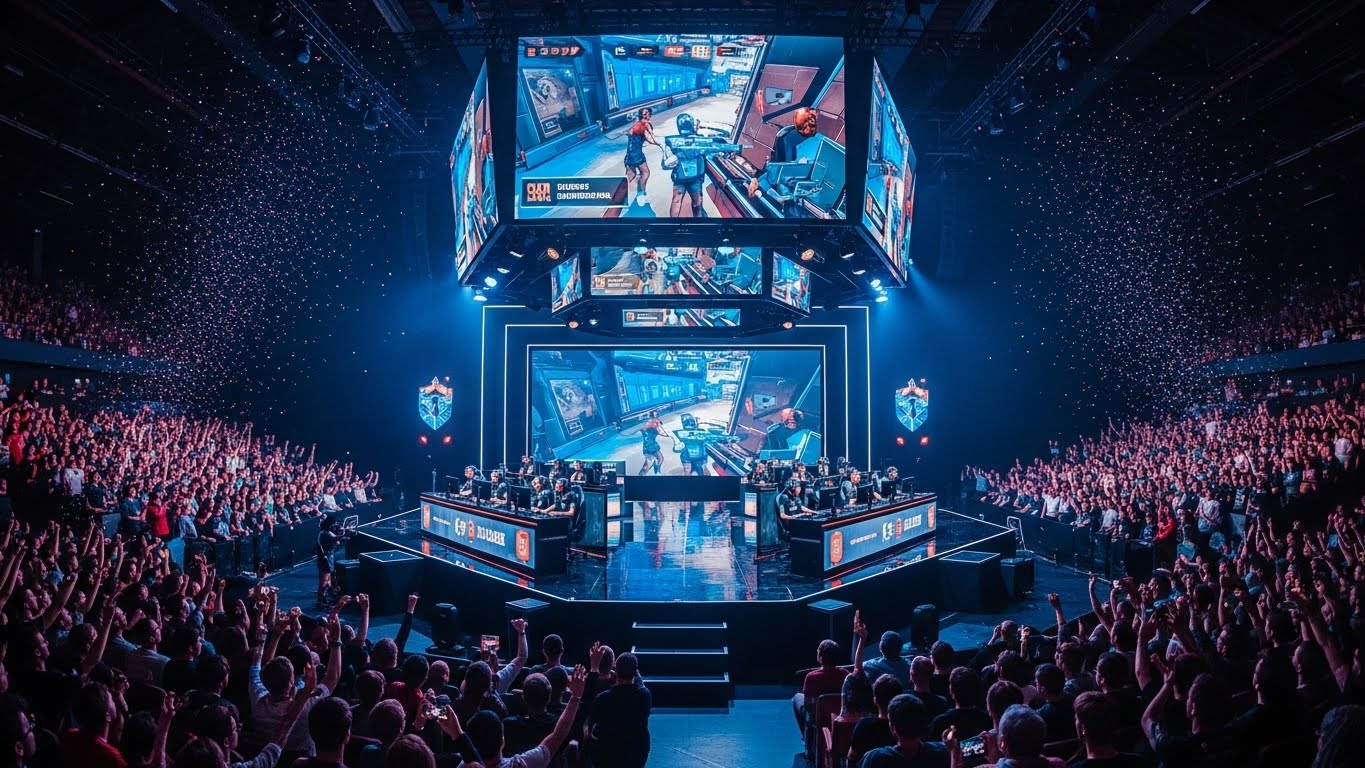
One of the most remarkable aspects of esports’ growth is its global reach. Esports competitions are now held all over the world, attracting players and fans from every continent. Major tournaments like The International (Dota 2) and League of Legends Worlds draw millions of viewers, with prize pools often reaching tens of millions of dollars. These tournaments have become cultural events, with spectators filling arenas to watch live matches and cheer for their favorite teams. The League of Legends World Championship has consistently broken viewership records, attracting more viewers than many traditional sports events.
Esports is also a key driver of technological innovation. The industry’s growth has led to advances in gaming hardware, streaming technology, and virtual reality. Gaming companies and esports organizations are continuously investing in cutting-edge technology to improve the viewing experience for fans and enhance the performance of players. The rise of virtual reality (VR) and augmented reality (AR) could potentially revolutionize the esports experience, offering immersive environments and new ways to engage with audiences.
Another factor contributing to the industry’s expansion is the increasing participation of mobile gaming. Mobile esports titles such as PUBG Mobile, Free Fire, and Arena of Valor have attracted massive followings, particularly in regions like Southeast Asia, Latin America, and India. These games have made competitive gaming more accessible, as players can now participate in esports events from their mobile devices. Mobile esports tournaments have been held in large arenas and broadcast online, drawing millions of viewers.
Esports and its Cultural Influence
Esports has become more than just a competitive activity—it has become a cultural phenomenon. Professional gamers are now treated as celebrities, with massive followings on social media platforms like Twitch, YouTube, and Twitter. These players, some of whom have earned millions of dollars through sponsorships, tournament prizes, and streaming revenue, have become influential figures in the gaming and entertainment industries.
Moreover, esports has had a profound impact on the gaming community and broader popular culture. It has created a space for people to connect, socialize, and share a passion for gaming. Esports fans, often referred to as the “fandom,” form tight-knit communities that celebrate their favorite games, players, and teams. Online platforms and forums allow fans to interact with one another, share content, and discuss strategies and techniques. In many ways, esports has created a new form of digital social interaction, where like-minded individuals come together to celebrate their shared interests.
Furthermore, esports is increasingly becoming a career path for many young gamers. College esports programs are now available at universities and colleges across the world, offering scholarships for talented players and coaching programs. Many professional esports players began their careers by competing in university or collegiate leagues before making the leap to the professional scene. Esports has become a legitimate career option for young people, offering opportunities not only for professional gaming but also in game development, broadcasting, event management, and marketing.
The Future of Esports: What’s Next?
The future of esports looks incredibly promising. As technology continues to advance and the audience for competitive gaming expands, the industry will only continue to grow. One of the key areas of development is virtual reality (VR), which has the potential