clashcircle44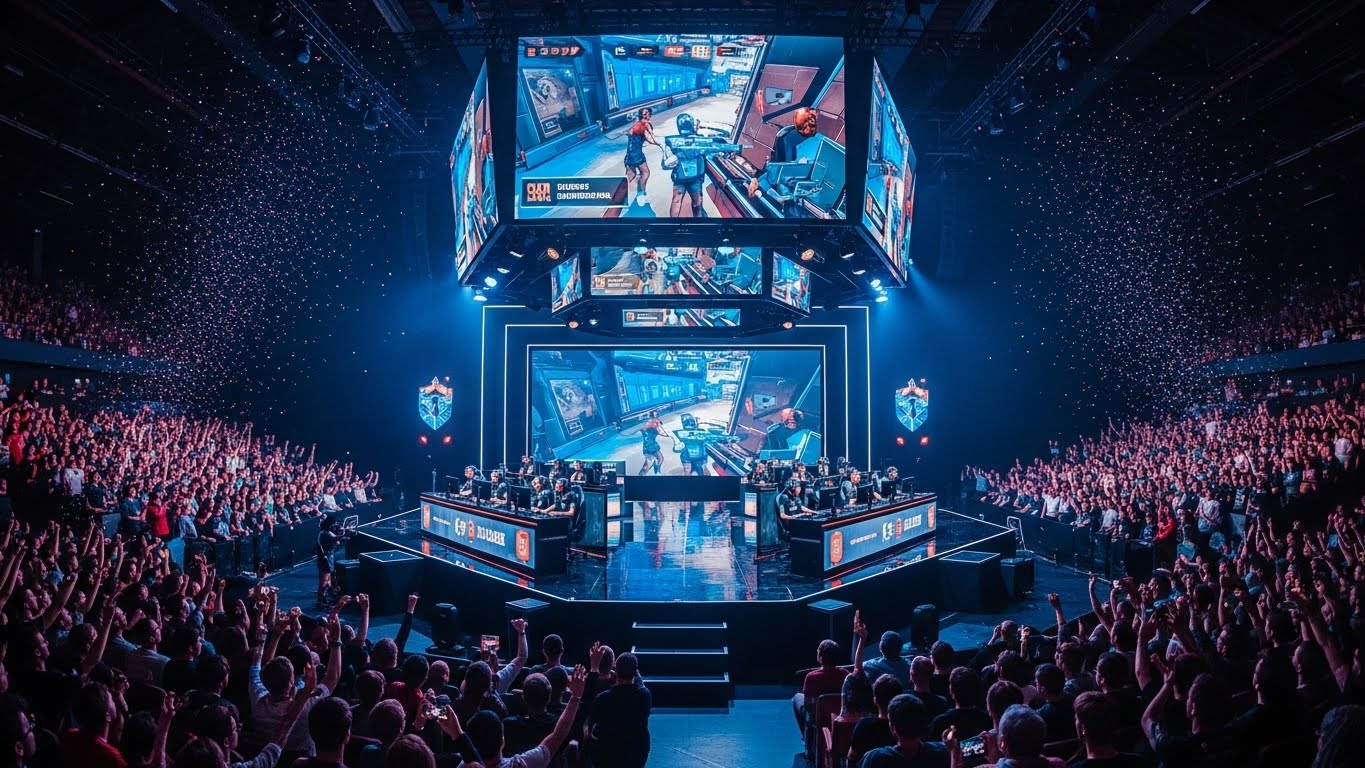
Introduction: More Than Just Playing Games
Esports, once dismissed as a casual hobby for teenagers, has transformed into a global industry worth billions. Competitive gaming is no longer confined to bedrooms or internet cafés; it now fills stadiums, attracts multinational sponsors, and commands audiences rivaling traditional sports. Esports represents a shift in how entertainment, competition, and community intersect in the digital age. This blog explores the journey of esports, its ecosystem, cultural impact, economic power, and what the future holds for this rapidly evolving phenomenon.
The Early Origins of Competitive Gaming
The roots of esports can be traced back to the late twentieth century, when early video game competitions were organized around arcade machines and home consoles. Simple games sparked competitive instincts, leading to small tournaments and local bragging rights. As technology advanced and personal computers became more powerful, multiplayer gaming flourished. The introduction of the internet changed everything, allowing players from different regions to compete in real time. These early online battles laid the foundation for structured competitive gaming.
The Birth of Modern Esports
Modern esports began to take shape in the early 2000s with the rise of organized leagues, professional teams, and dedicated tournaments. Games designed specifically for competition emerged, emphasizing balance, strategy, and spectator appeal. Tournament organizers began offering prize pools, attracting skilled players who treated gaming as a serious pursuit rather than a pastime. Streaming platforms further accelerated growth by allowing fans to watch live matches, interact with players, and form global communities around their favorite teams and games.
The Esports Ecosystem Explained
Esports is supported by a complex ecosystem that mirrors traditional sports. At its core are the players, who train rigorously to maintain peak performance. Surrounding them are teams, coaches, analysts, and managers who handle strategy, logistics, and branding. Tournament organizers create leagues and events, while game developers continuously update and balance their titles to keep competition fair and engaging. Sponsors, advertisers, and media platforms provide financial backing, making the entire system sustainable and profitable.
Training, Discipline, and Professionalism
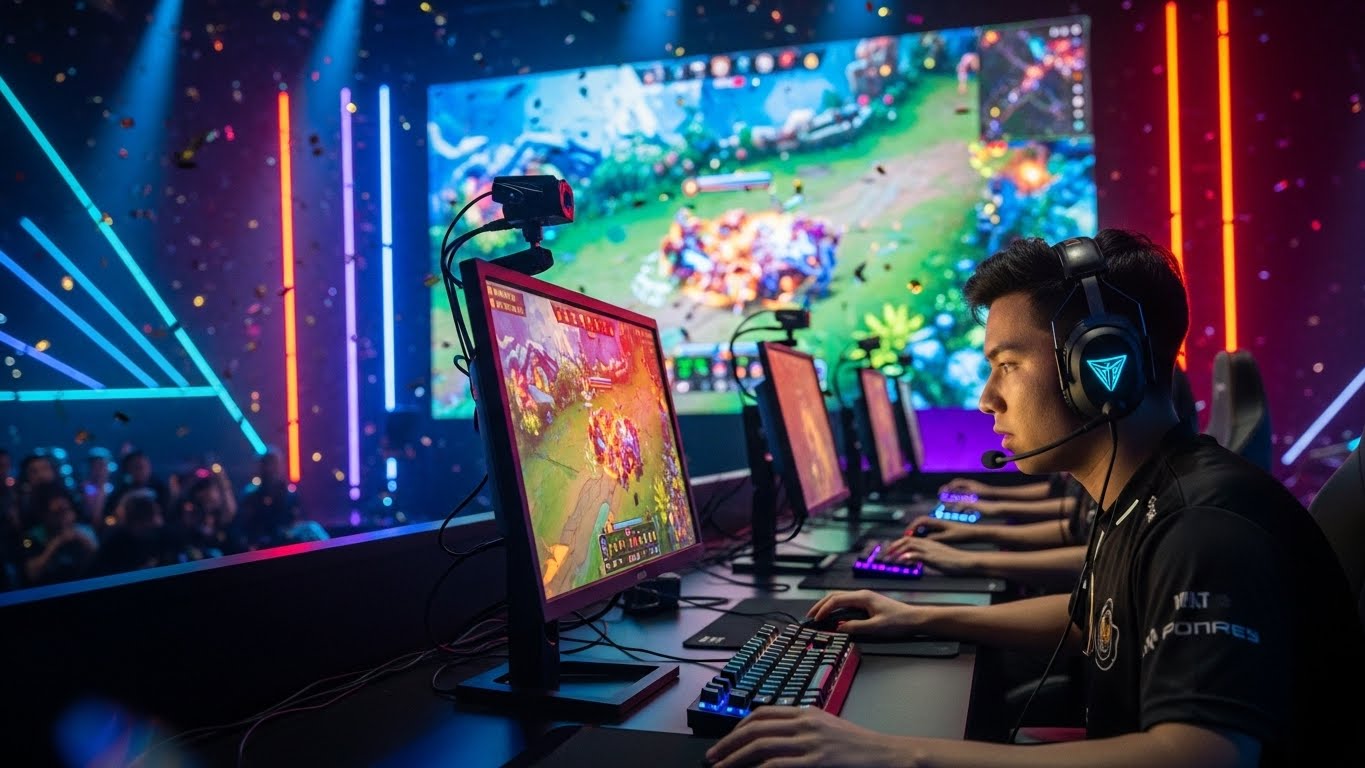
Contrary to popular belief, professional esports players follow demanding routines. Training sessions can last many hours a day, focusing on mechanical skills, teamwork, strategy, and mental resilience. Players analyze past matches, study opponents, and refine tactics much like athletes in traditional sports. Physical fitness and mental health have also become priorities, as teams recognize the importance of stamina, focus, and stress management. This level of discipline underscores that esports is not casual gaming but a professional endeavor.
The Role of Technology in Esports Growth
Technology is the backbone of esports. High-speed internet, powerful gaming hardware, and advanced software make competitive play possible at a global scale. Streaming technology allows millions of viewers to watch matches live, while data analytics tools help teams evaluate performance in minute detail. Virtual reality, artificial intelligence, and cloud gaming are expected to further reshape the esports landscape, offering new ways to play, watch, and engage with competitive gaming.
Esports as Entertainment and Spectacle
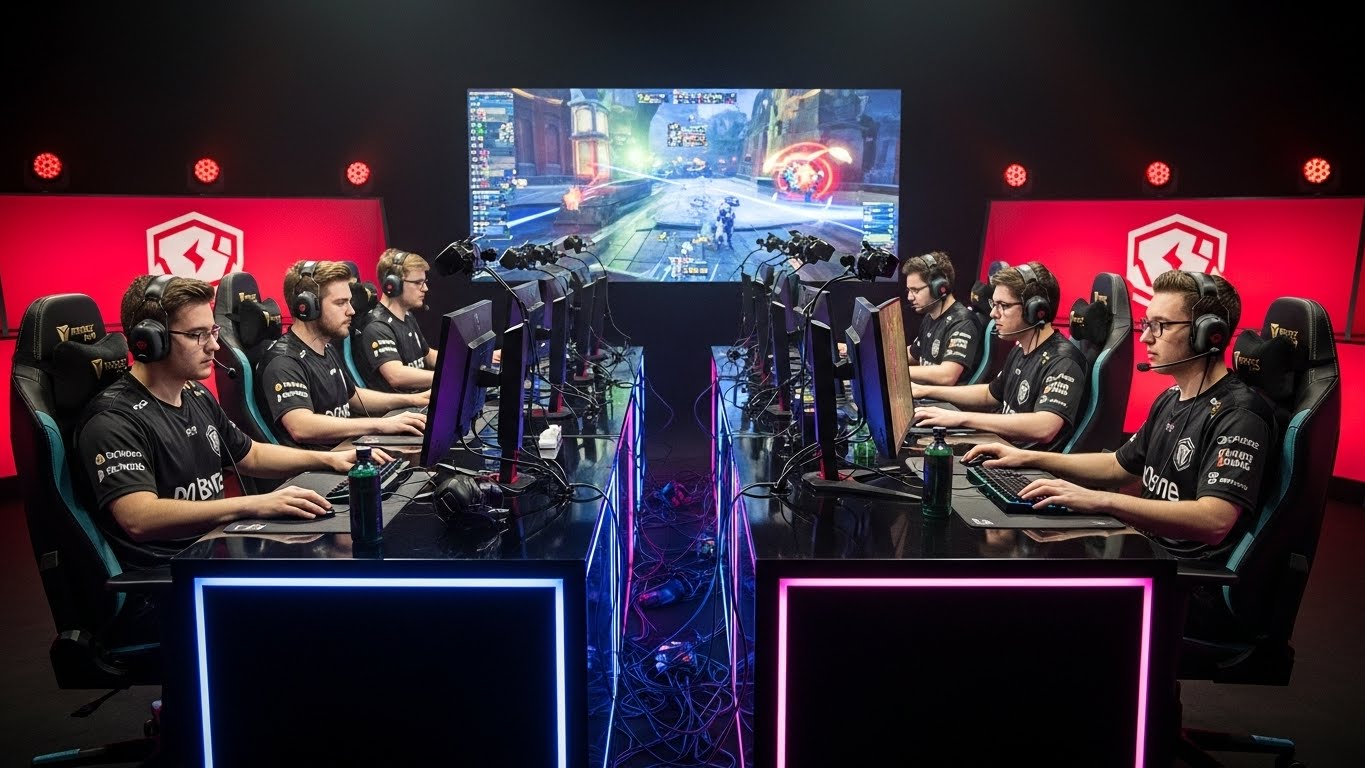
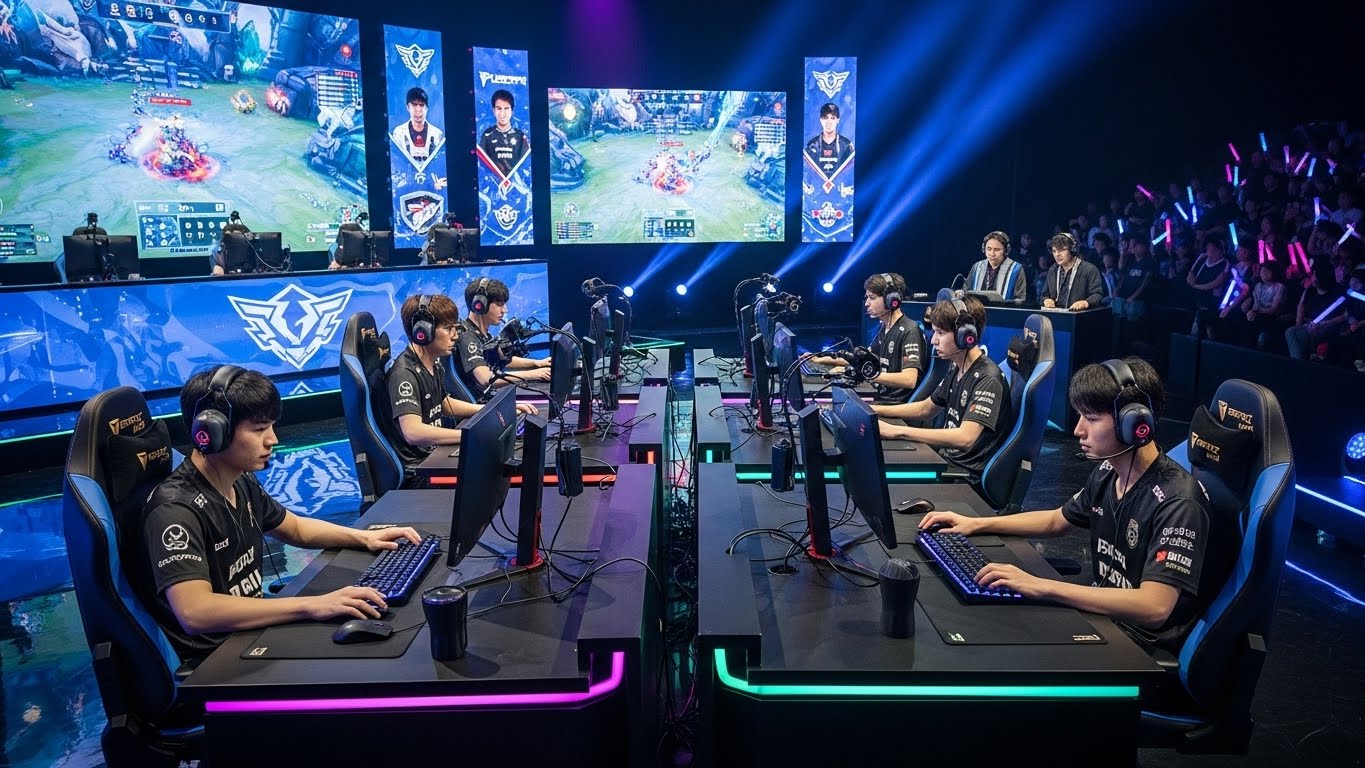
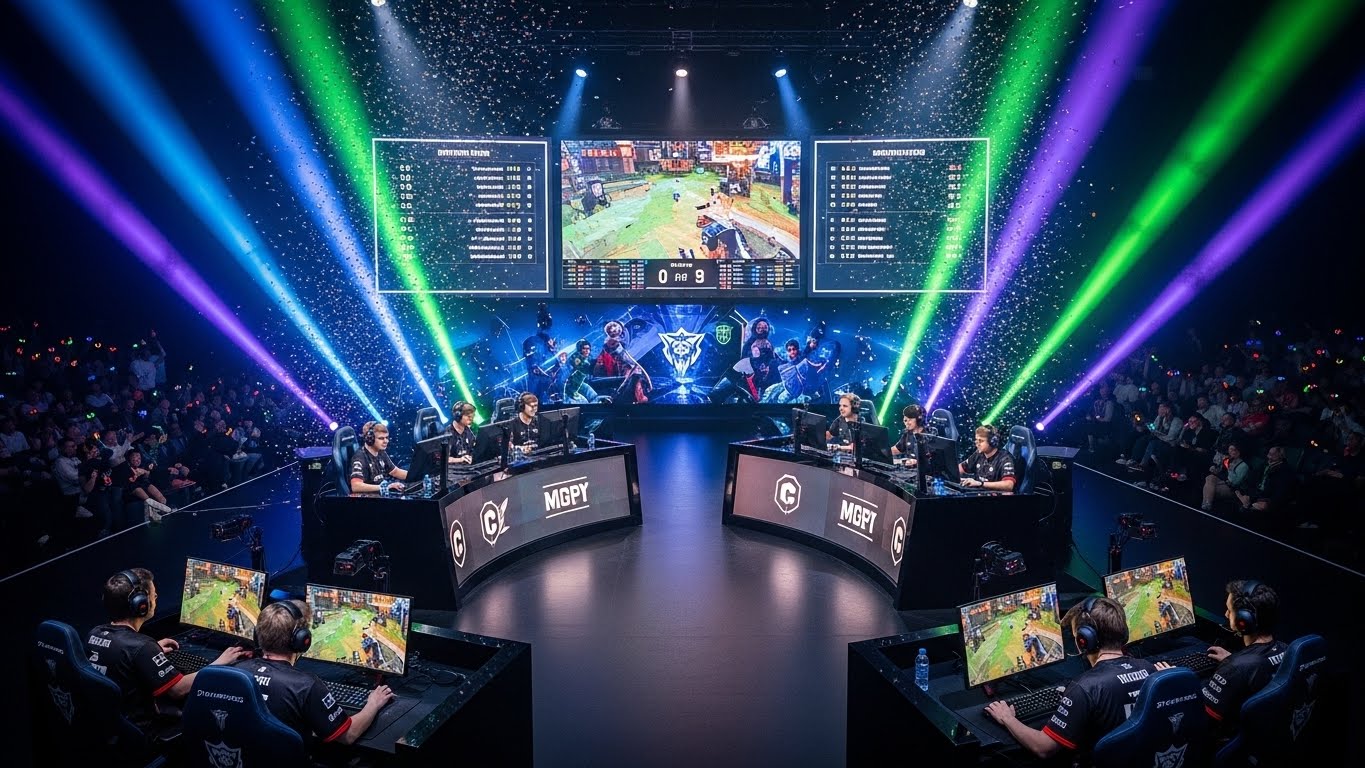
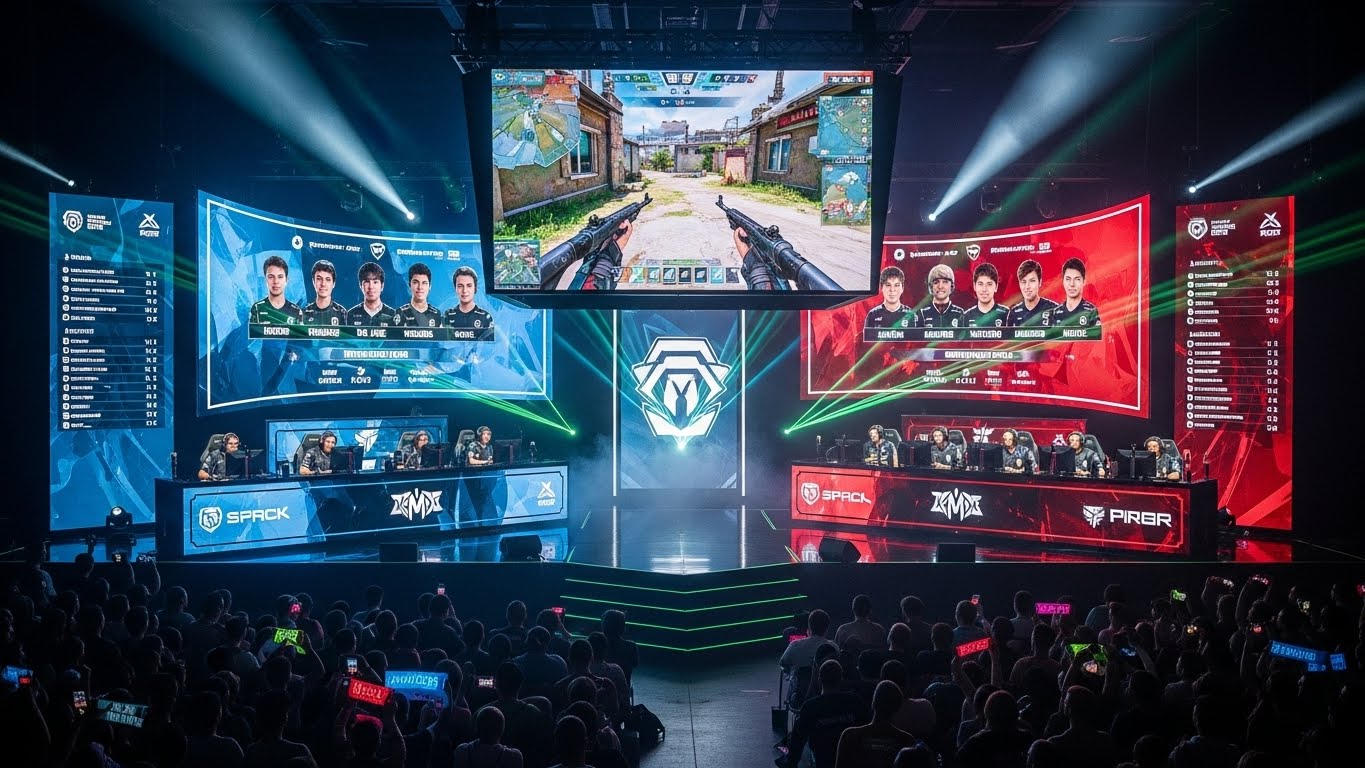
One of the defining features of esports is its entertainment value. Matches are fast-paced, visually engaging, and often unpredictable. Professional broadcasts include commentators, analysts, and high-quality production that enhance the viewing experience. Large-scale tournaments feature dramatic stage designs, live audiences, and opening ceremonies that rival those of major sporting events. This spectacle has helped esports attract viewers who may not even play the games themselves but enjoy the excitement and narratives surrounding competition.
The Global Reach of Esports
Esports is inherently global. Players, teams, and fans come from diverse cultural and geographic backgrounds. International tournaments bring together competitors from different continents, fostering cross-cultural interaction and shared enthusiasm. Some regions have become esports powerhouses, producing top talent and hosting major events, while others are rapidly developing their own scenes. This global nature makes esports a unifying force, connecting people through a shared digital language.
Economic Impact and Career Opportunities
The economic impact of esports extends far beyond prize money. Revenue streams include sponsorships, merchandise, media rights, ticket sales, and in-game purchases. This growth has created numerous career opportunities, not only for players but also for coaches, event organizers, broadcasters, marketers, and developers. Educational institutions have even begun offering esports-related programs, recognizing the industry’s potential and legitimacy. For many young people, esports represents a viable and exciting career path.
Cultural Influence and Social Perception
Esports has significantly influenced popular culture. Gaming terminology, player personalities, and iconic moments have entered mainstream conversations. Social media amplifies these influences, turning players into celebrities and role models. While skepticism still exists, especially among those unfamiliar with gaming, perceptions are changing as esports demonstrates professionalism, discipline, and widespread appeal. The growing acceptance of esports reflects broader changes in how society values digital experiences.
Challenges Facing the Esports Industry
Despite its success, esports faces several challenges. Issues such as player burnout, inconsistent regulations, and ethical concerns require careful attention. Maintaining competitive integrity is crucial, as cheating or match manipulation can damage trust. Additionally, ensuring diversity and inclusion remains an ongoing effort. Addressing these challenges will be essential for sustaining long-term growth and credibility within the global sports and entertainment landscape.
The Future of Esports
The future of esports appears promising and dynamic. As technology continues to evolve, new game genres and competitive formats will emerge. Integration with traditional sports organizations may deepen, leading to hybrid events and shared audiences. Grassroots development, improved governance, and greater focus on player well-being will likely shape the next phase of growth. Esports is not a passing trend but a reflection of how digital culture is redefining competition and community.
Conclusion: A New Era of Competition
Esports has grown from simple gaming competitions into a powerful global phenomenon that blends technology, entertainment, and human skill. It challenges traditional notions of sports while creating new opportunities for connection and expression. As millions of fans cheer for their favorite teams and players, esports continues to prove that competition is not limited by physical fields or arenas. Instead, it thrives wherever passion, strategy, and digital innovation come together, marking the beginning of a new era in competitive entertainment.