clashcircle44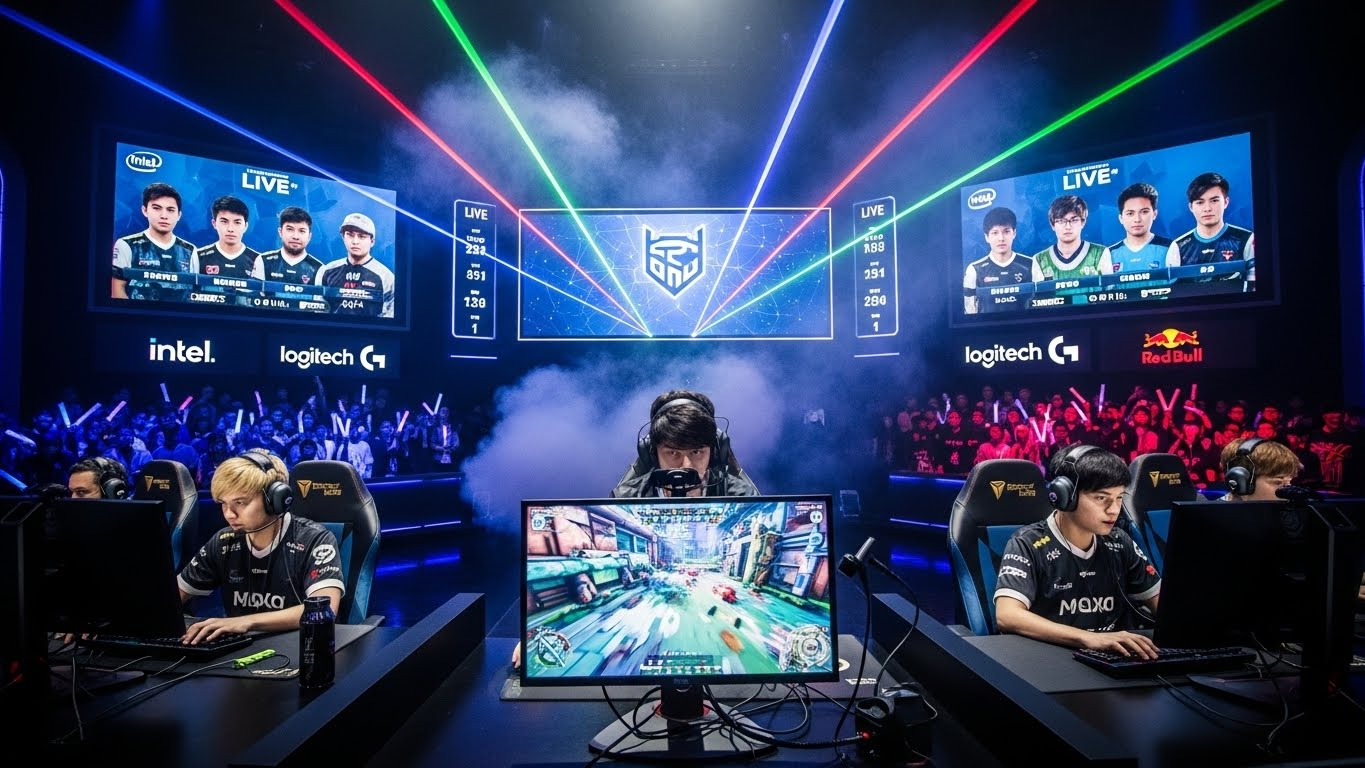
Esports, short for electronic sports, has evolved from a niche hobby into a global phenomenon. What once began as casual video game competitions in arcades and local communities is now a multi-billion-dollar industry with professional players, organized leagues, massive audiences, and worldwide recognition. Competitive gaming has redefined what it means to be an athlete, how entertainment is consumed, and how communities form in the digital age. This blog explores the rise of esports, its cultural significance, economic impact, and the promising future of this thriving industry.
The Origins of Competitive Gaming
Esports did not emerge overnight. Its roots can be traced back to the late 1970s and 1980s, when arcade games and early home consoles introduced multiplayer experiences. Classic games like Space Invaders, Pac-Man, and later Street Fighter became popular among competitive players who sought to test their skills against others. Early competitions were informal, often taking place at arcades or university campuses, but they laid the foundation for structured competitive gaming.
The introduction of local area networks and online gaming in the 1990s marked a turning point. Players could now compete across cities and countries, and titles like StarCraft and Quake popularized the idea of strategy and skill being tested in competitive formats. These early games demonstrated the potential for esports to become more than a pastime—it could become a spectator sport and a serious profession.
The Rise of Esports Leagues and Tournaments
The 2000s saw esports move from hobbyist circles to organized competition. Major tournaments began offering significant cash prizes, attracting professional players and teams. Games like Counter-Strike, Dota, and League of Legends led the charge, establishing structured leagues, ranking systems, and professional circuits.
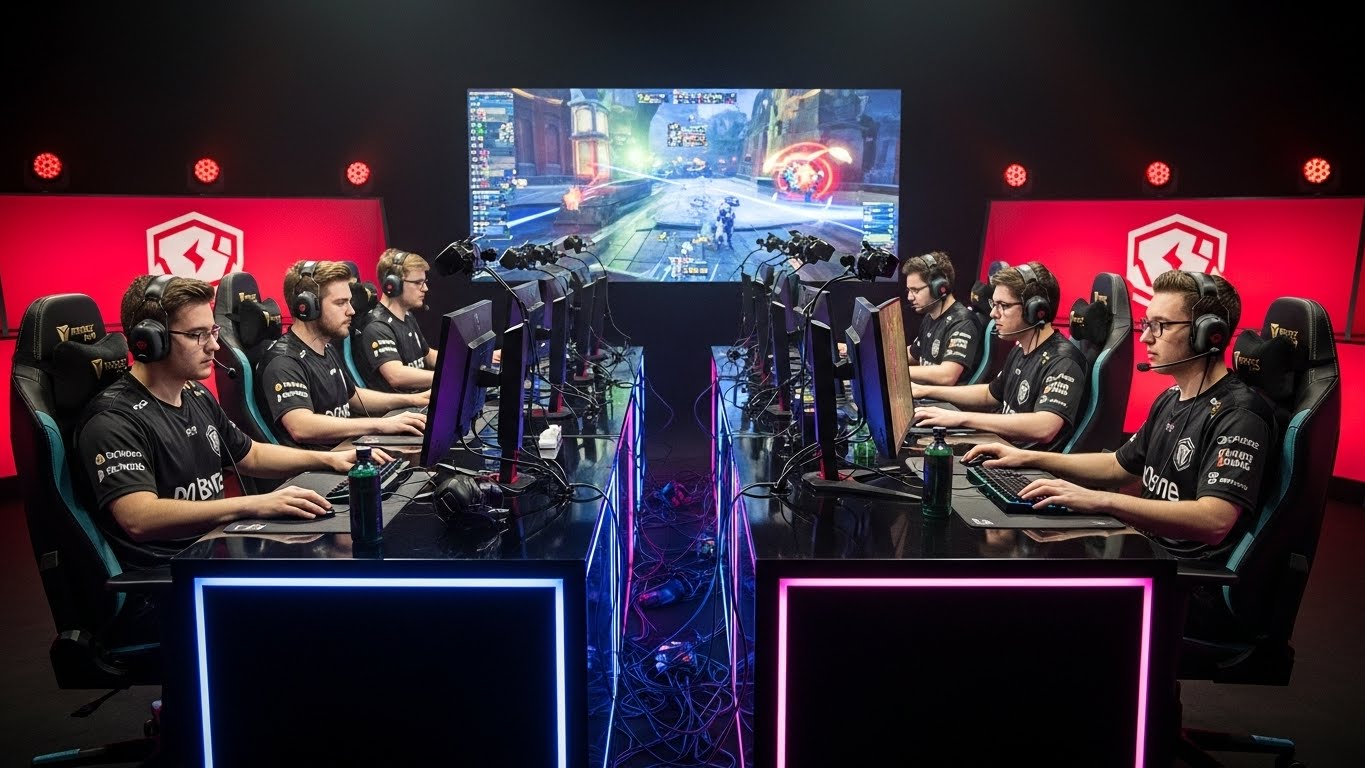
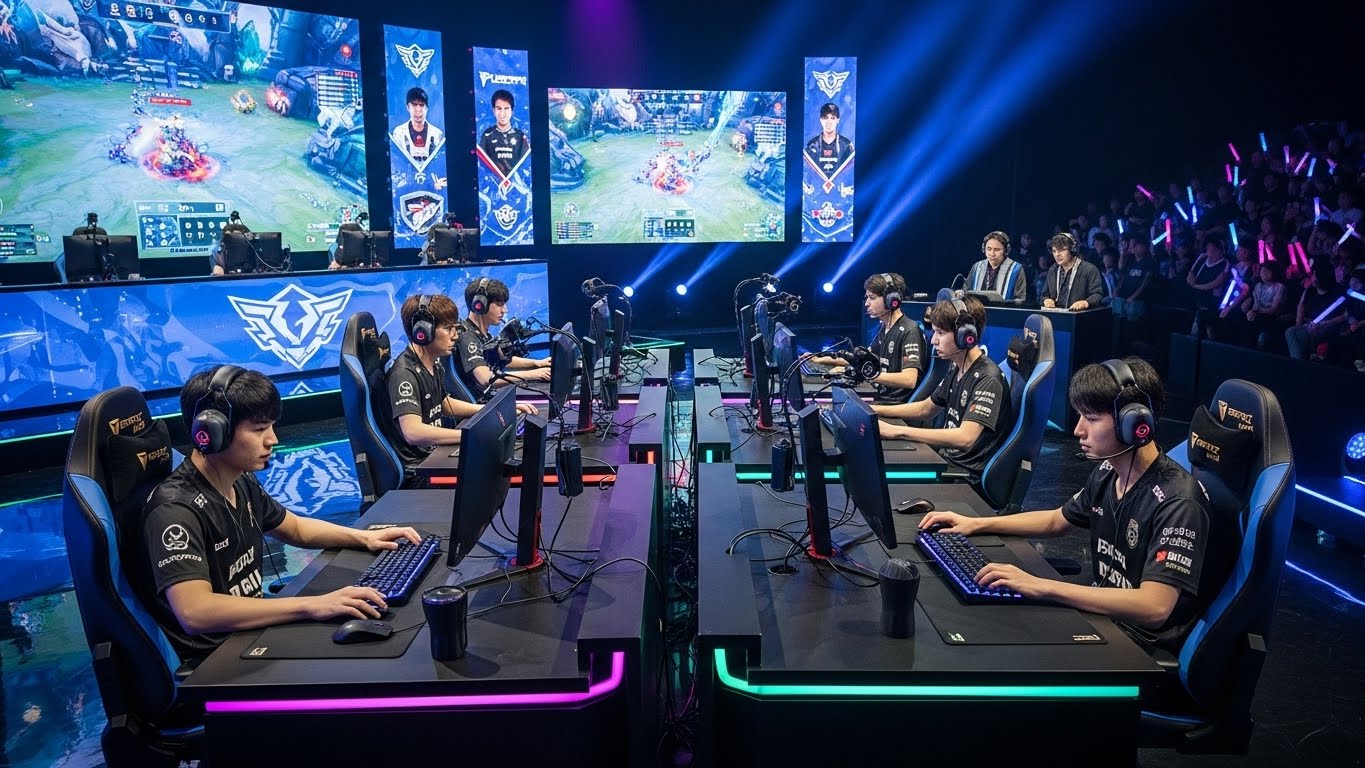
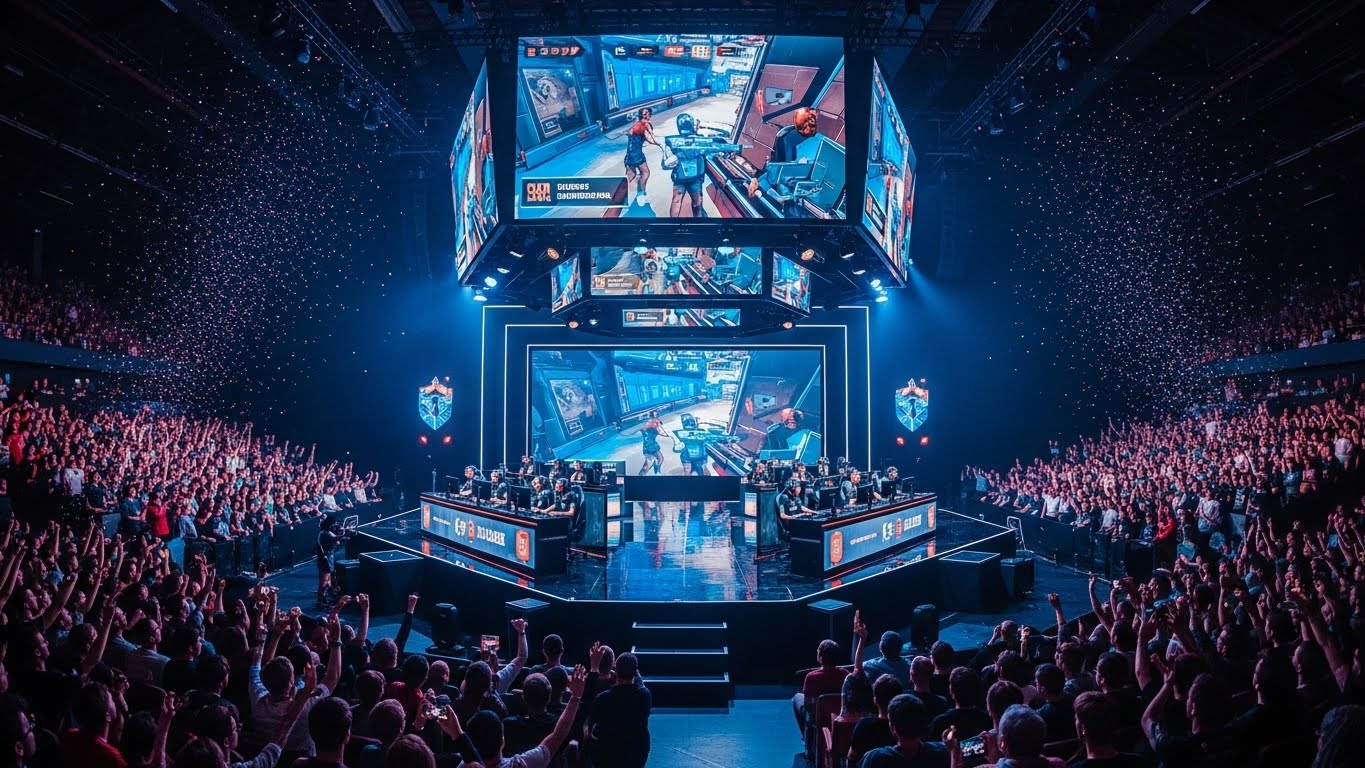
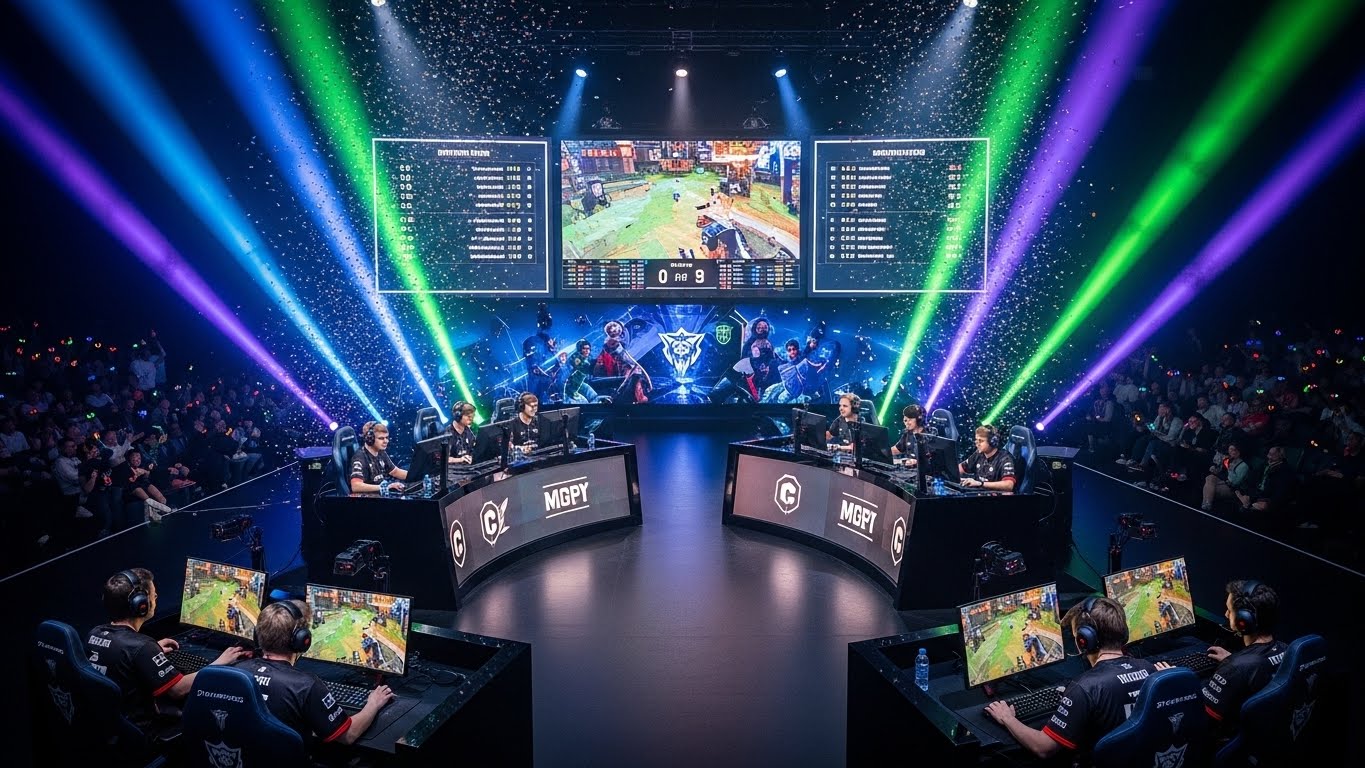
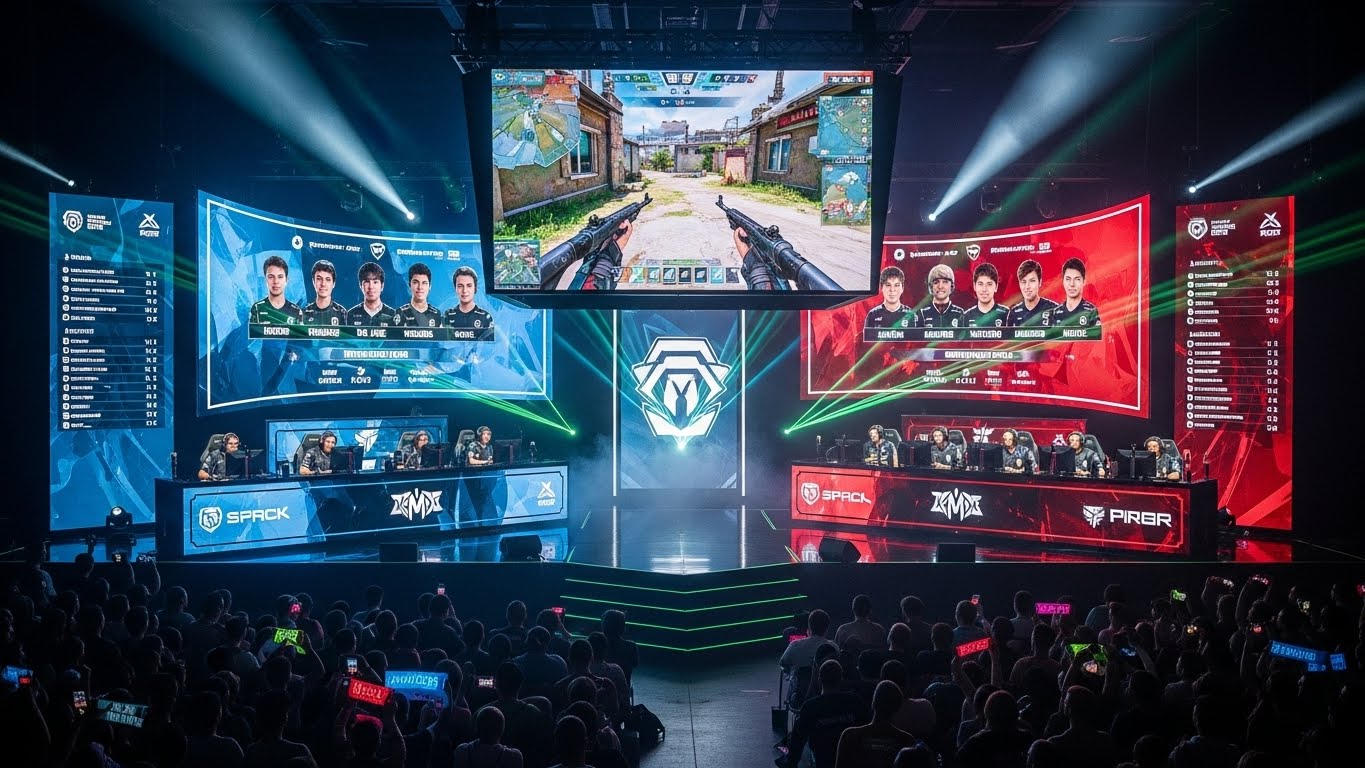
Today, tournaments such as The International, League of Legends World Championship, and EVO attract millions of viewers worldwide. Stadiums are filled with fans cheering for their favorite teams, while millions more watch online streams. This transformation mirrors traditional sports, complete with commentators, analysts, sponsorships, and extensive media coverage. Competitive gaming had firmly entered mainstream entertainment.
Popular Esports Games and Their Impact
Esports thrives on variety, with games spanning multiple genres. Multiplayer online battle arenas (MOBAs) like Dota 2 and League of Legends test strategic thinking and teamwork. First-person shooters (FPS) such as Counter-Strike: Global Offensive and Call of Duty challenge reflexes, precision, and quick decision-making. Fighting games, racing simulations, and real-time strategy games also have thriving competitive communities.
Each game offers a unique spectator experience. MOBAs emphasize strategy and teamwork, while FPS games focus on speed and skill execution. Fighting games showcase individual mastery and split-second reactions. The diversity of genres ensures that esports appeals to a wide range of players and fans, fostering a vibrant and inclusive global community.
Professional Players and Their Journey
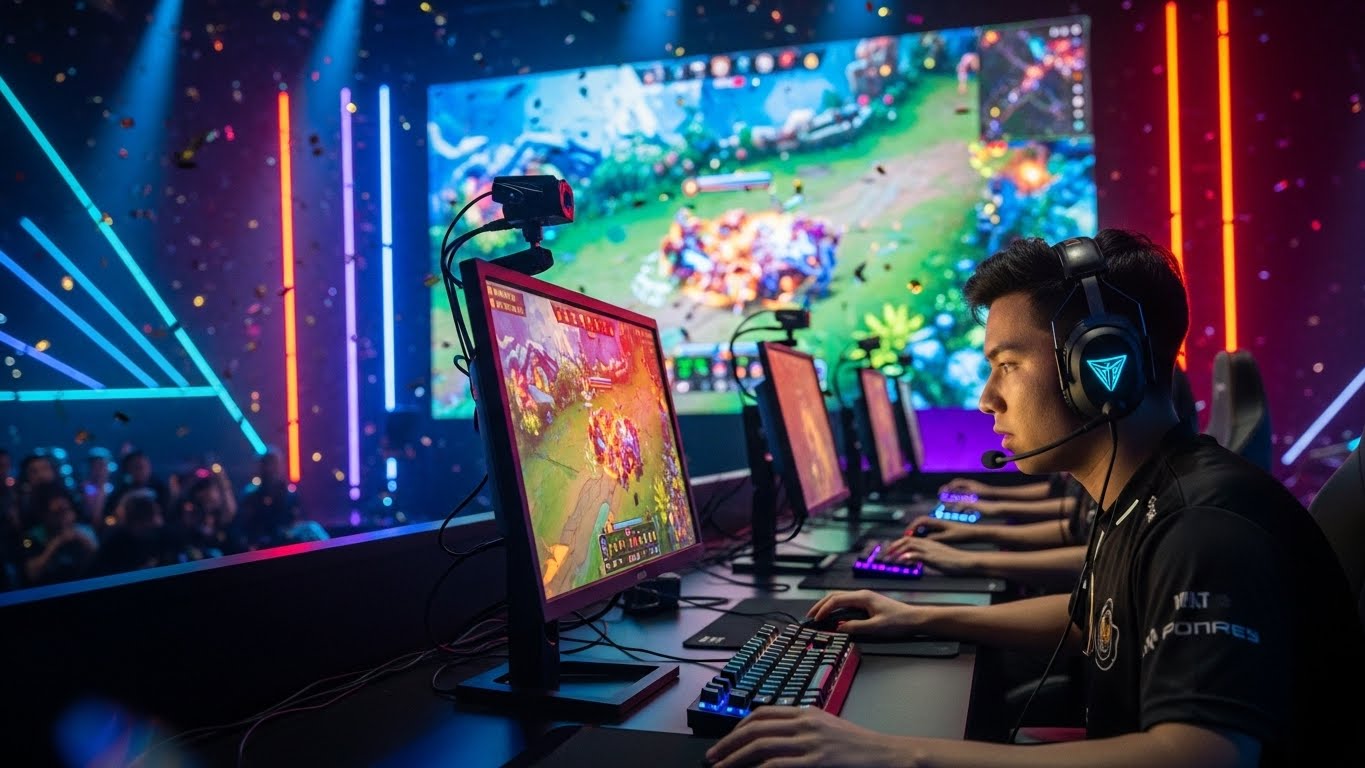
Professional esports players are more than skilled gamers; they are athletes in every sense. Top players dedicate hours daily to practice, study opponents, and refine strategies. Many teams employ coaches, analysts, and nutritionists, ensuring that players are prepared both mentally and physically.
The journey to becoming a professional player often begins at a young age. Players participate in local tournaments, online leagues, and amateur competitions before joining professional teams. The dedication required is immense, and only the most disciplined and talented individuals succeed at the highest levels. The competitive spirit, resilience, and teamwork necessary in esports mirror traditional athletic disciplines.
The Role of Technology in Esports
Technology has been instrumental in esports’ growth. High-speed internet allows players to compete globally in real-time, while streaming platforms enable fans to watch live matches from anywhere. Advances in graphics, computing power, and game development have created increasingly complex and immersive competitive environments.
Streaming technology also revolutionized how fans engage with esports. Platforms allow viewers to interact with players, join chat communities, and experience matches as if they were live in the arena. This accessibility has transformed esports into a social phenomenon, connecting players and fans across borders and time zones.
Esports as a Spectator Sport
Esports is unique in that it combines participation with spectator entertainment. Fans follow teams and players much like traditional sports teams, forming communities, celebrating victories, and discussing strategies. Large-scale tournaments attract global audiences, with millions tuning in to watch matches streamed live.
Commentary and analysis are central to the experience. Professional casters provide play-by-play narration, explain strategies, and highlight player performance, enhancing the spectator experience. The rise of esports influencers and content creators also plays a significant role, making gaming culture accessible and entertaining to broader audiences.
Economic Growth and Opportunities
Esports has become a multi-billion-dollar industry with significant economic impact. Revenue streams include sponsorships, merchandise, advertising, media rights, tournament tickets, and prize money. Corporations recognize the marketing potential in esports, targeting a highly engaged and youthful audience.
The industry has created new career opportunities beyond professional players. Coaches, analysts, commentators, event organizers, graphic designers, and content creators all contribute to the ecosystem. The growth of esports infrastructure, including arenas, training facilities, and media production, further demonstrates its economic influence.
The Educational and Skill-Building Aspect
Esports is not just entertainment; it also develops valuable skills. Players learn teamwork, strategic thinking, problem-solving, time management, and adaptability. These skills are transferable to various professional fields and personal development.
Recognizing these benefits, some schools and universities have introduced esports programs, offering scholarships and organized competitions. These programs provide a structured environment for students to pursue competitive gaming while balancing academics, preparing them for potential careers in the industry.
Mental and Physical Challenges
While esports does not involve the physical exertion of traditional sports, it presents unique mental and physical challenges. Players endure long hours of practice, intense focus, and high-pressure competition, which can lead to stress and burnout. Maintaining physical fitness and mental health is essential, and many professional teams provide resources such as physical training, nutrition guidance, and psychological support.
The demands of esports highlight the importance of discipline, resilience, and balance. Successful players must manage their health, training schedules, and personal lives to sustain performance over time.
Esports and Global Culture
Esports has had a profound cultural impact. It has redefined gaming from a hobby to a respected professional pursuit. Players become cultural icons, inspiring fans and influencing trends in fashion, media, and lifestyle. The popularity of esports has also encouraged diversity and inclusivity, breaking stereotypes about who can participate in competitive gaming.
Esports connects people across the globe, fostering international communities united by shared passion. Fans from different countries and backgrounds can engage, communicate, and celebrate together, highlighting the unifying power of competitive gaming.
The Future of Esports
The future of esports is filled with possibilities. Virtual reality and augmented reality could create immersive competitions where players physically interact with game environments. Artificial intelligence may enable adaptive training systems, dynamic tournaments, and personalized spectator experiences.
Esports is expected to grow in both audience and revenue, with expanding opportunities for professional players, content creators, and industry professionals. Collaboration with traditional sports, entertainment, and technology sectors will continue to push boundaries, integrating esports further into mainstream culture.
Why Esports Matters
Esports matters because it reflects innovation, dedication, and global connectivity. It has redefined competition, challenged perceptions of gaming, and created pathways for creative and professional opportunities. Beyond the thrill of gameplay, esports builds communities, inspires skill development, and offers entertainment that resonates with millions.
The influence of esports extends beyond digital arenas, shaping culture, education, and the future of entertainment. Its rapid growth demonstrates the power of technology to transform leisure into a global industry that blends competition, creativity, and social connection.
Conclusion
Esports has grown from informal gaming contests to a professional, globally recognized industry. With professional players, massive audiences, and significant economic impact, esports has transformed competitive gaming into a mainstream phenomenon. It offers entertainment, community, skill development, and career opportunities while influencing culture worldwide.
As technology advances, esports will continue to evolve, creating new forms of competition, immersive experiences, and cultural impact. From casual players to professional athletes, the world of esports demonstrates the power of dedication, creativity, and passion in shaping the future of entertainment. Competitive gaming is no longer just a hobby—it is a movement, a career path, and a cultural force that continues to level up the possibilities of digital engagement.