clashcircle44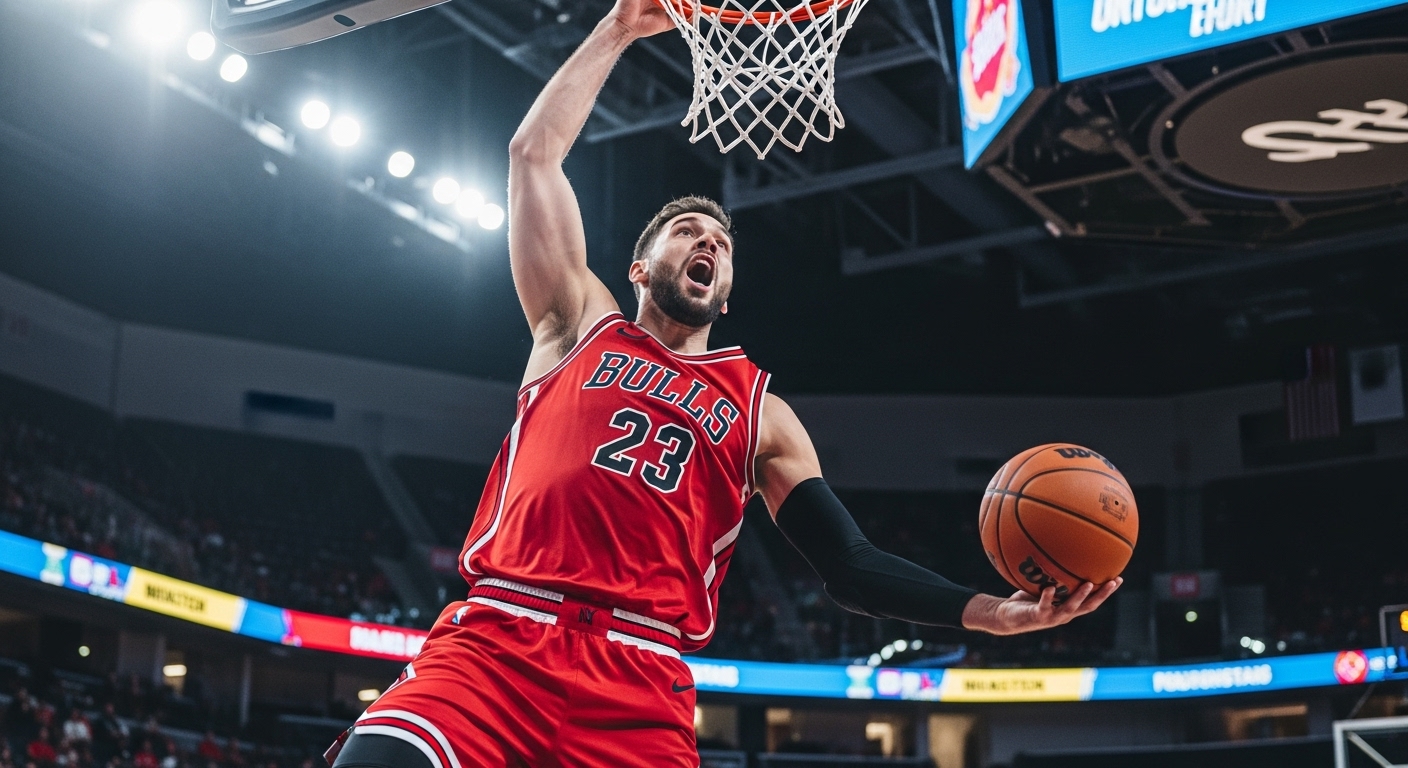
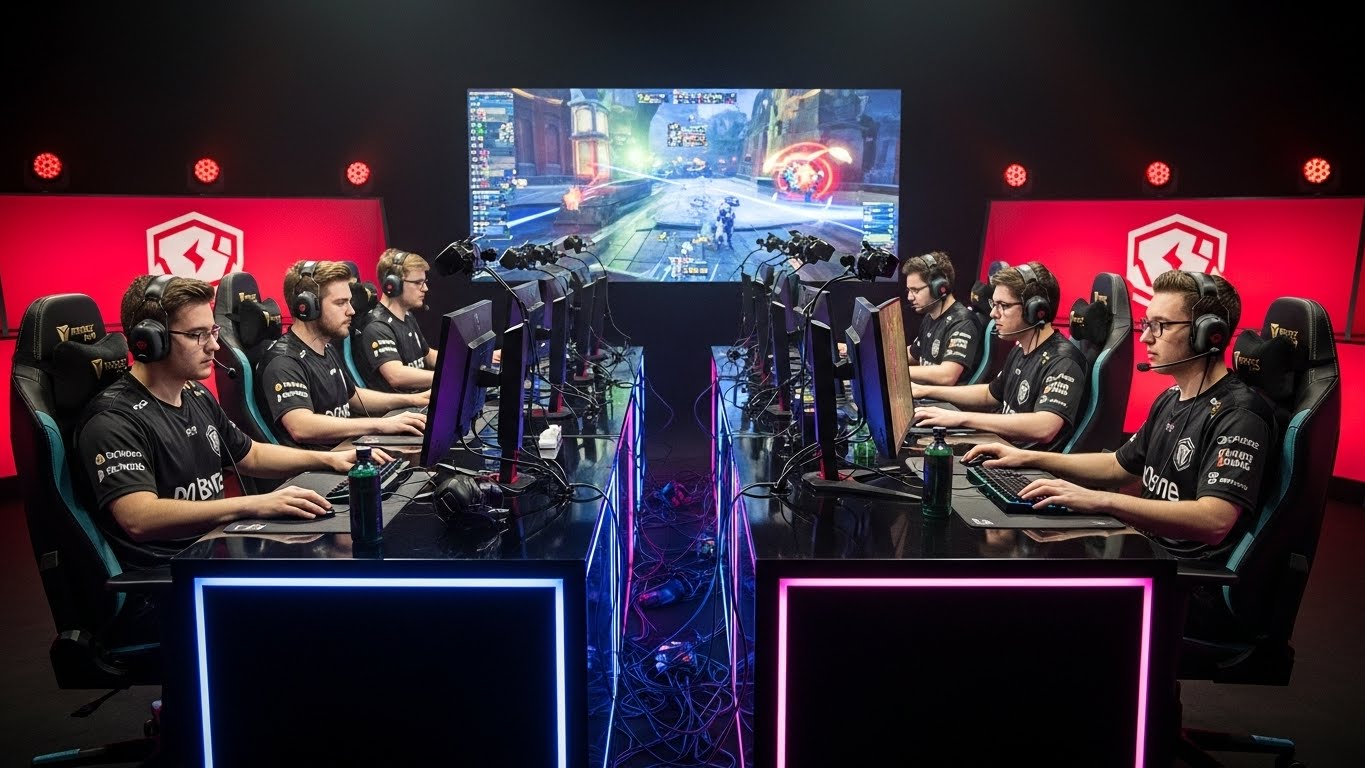
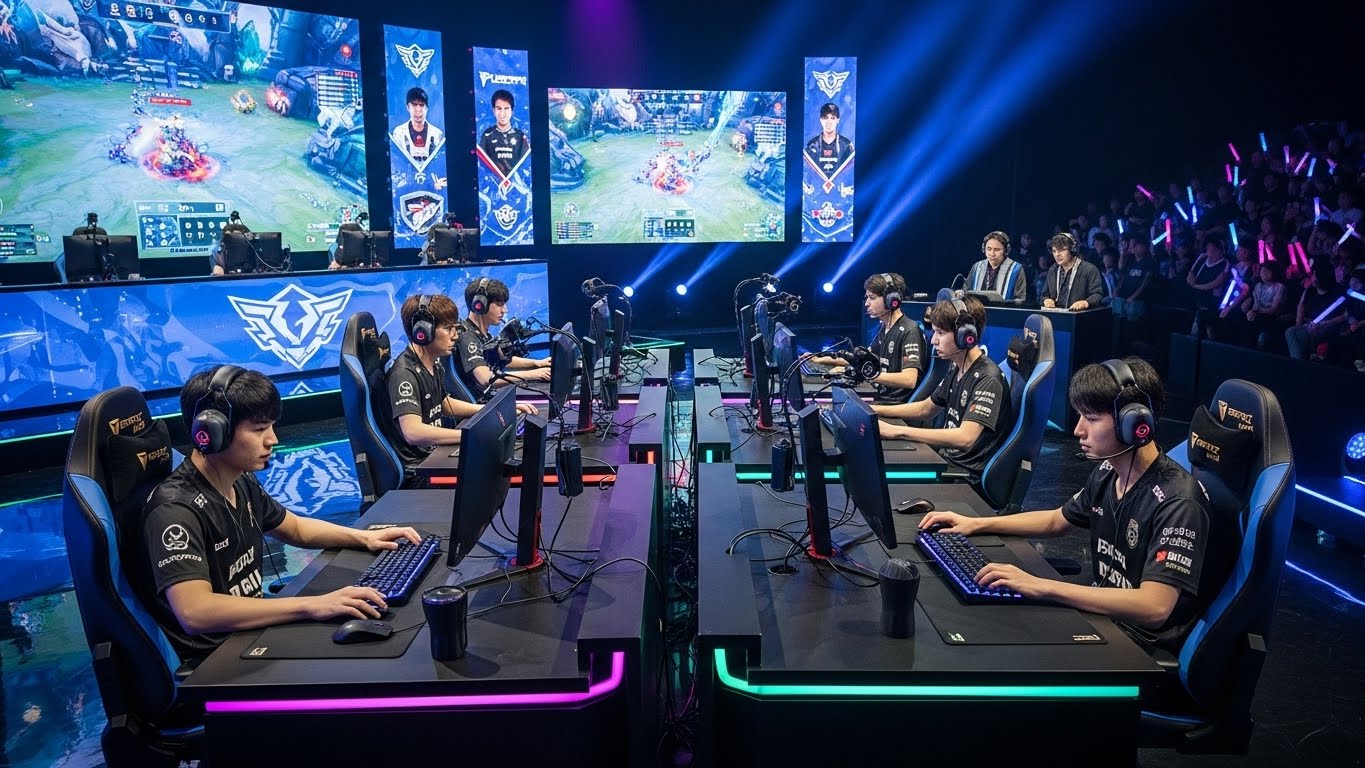
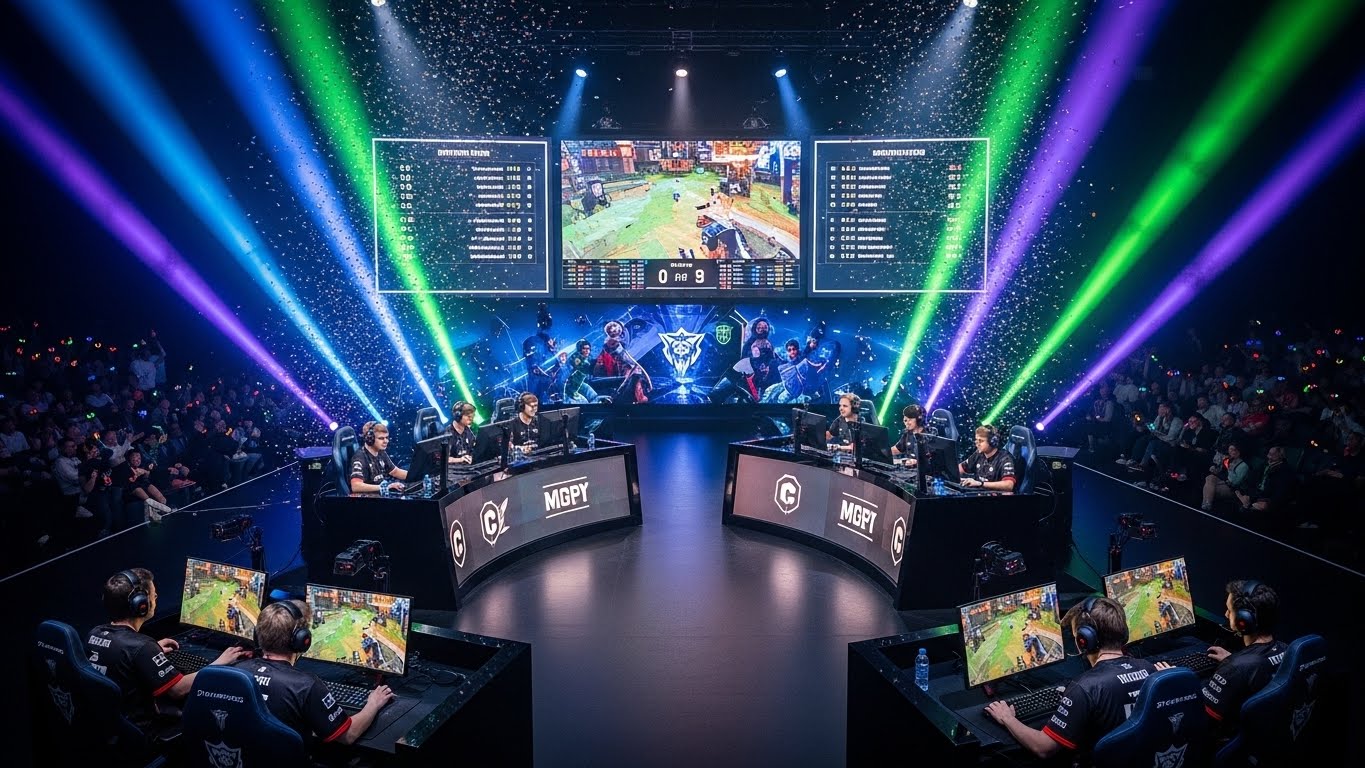
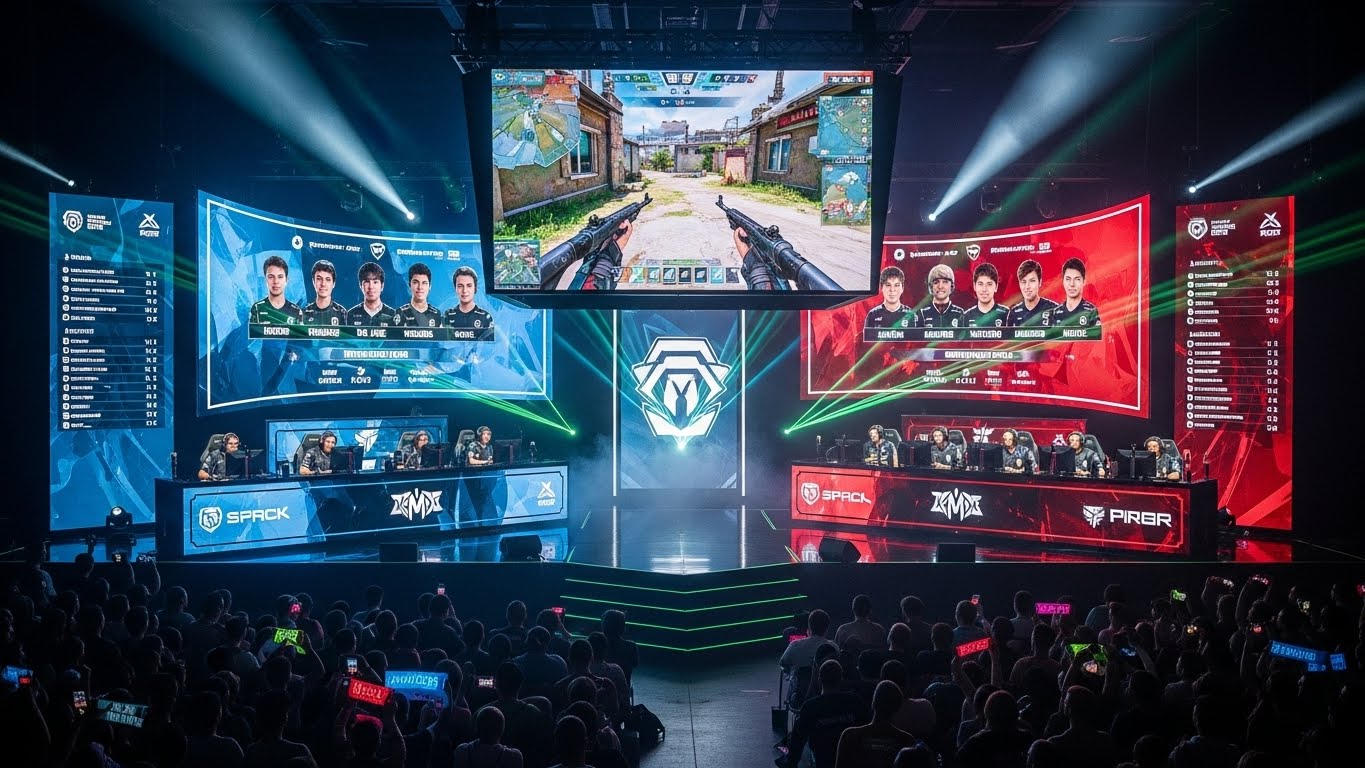
Over the past two decades, esports has transformed from a niche subculture into a mainstream global phenomenon. What was once seen as casual gaming among friends has evolved into a billion-dollar industry with professional players, massive audiences, and worldwide recognition. But beyond the tournaments and prize pools, esports has had a profound influence on global pop culture. From fashion and music to film, media, and even education, the impact of competitive gaming can now be seen everywhere.
The relationship between esports and pop culture is symbiotic. Pop culture shapes how people perceive esports, while esports reshapes modern entertainment, style, and identity. This exchange has created an entirely new cultural movement—one that transcends age, geography, and language.
In this in-depth blog, we will explore how esports has integrated into global pop culture, changing the way people connect, express themselves, and experience digital entertainment.
The Cultural Rise of Esports
To understand how esports affects pop culture, we must first understand how it became part of mainstream consciousness. In the early 2000s, esports was largely confined to internet cafés, small tournaments, and online communities. Competitive gaming was known mainly within circles of dedicated fans. However, as streaming platforms like Twitch, YouTube, and later Kick and Facebook Gaming emerged, esports exploded into public view.
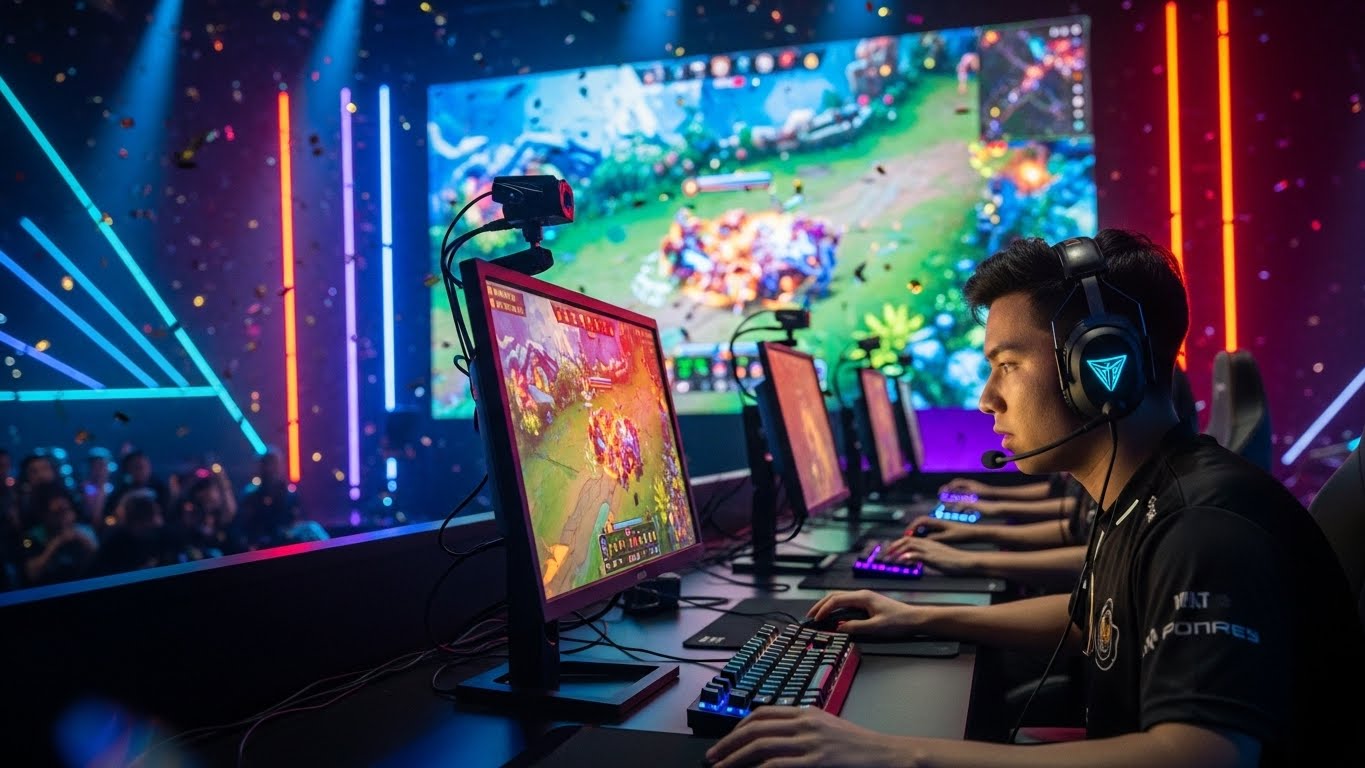
Live-streamed tournaments brought professional players and their personalities into millions of homes. Fans could watch their favorite gamers in real-time, engage in chatrooms, and become part of global communities. This digital accessibility broke down barriers between fans and players, turning esports into a form of interactive entertainment.
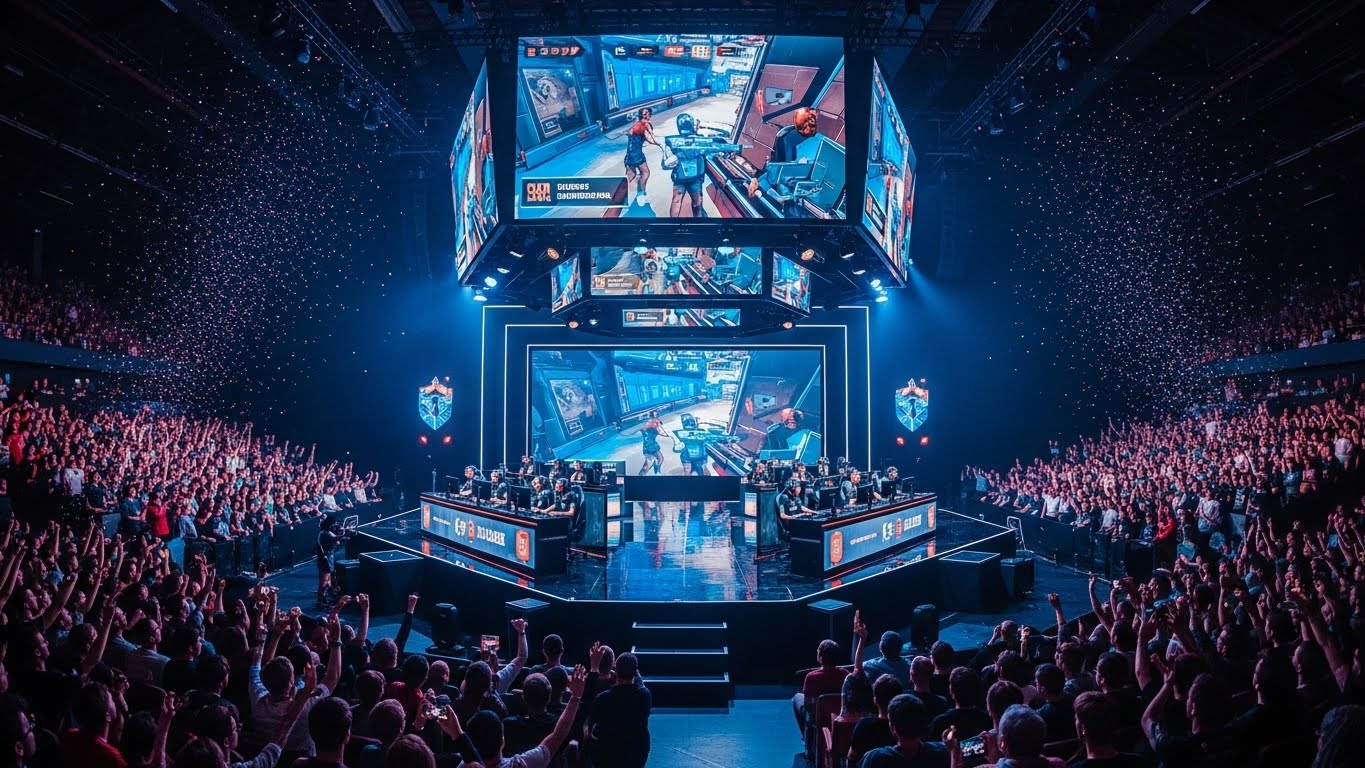
The moment esports entered mainstream media—when major television networks began covering tournaments and global brands started sponsoring teams—marked the cultural turning point. Esports was no longer just a pastime; it was a cultural movement.
Esports and the New Generation of Celebrities
One of the clearest signs of esports’ influence on pop culture is the rise of a new type of celebrity: the gamer. Professional players, content creators, and streamers have become household names, rivaling traditional athletes and movie stars in popularity.
Figures like Faker from League of Legends, s1mple from Counter-Strike, and Ninja from Fortnite have become global icons. Their skill, personality, and online presence have earned them millions of fans. But what makes esports stars different from traditional celebrities is their accessibility. Fans can interact with them directly through chat, social media, or even in-game. This creates a sense of intimacy and community that traditional entertainment industries rarely achieve.
Esports athletes also blur the line between celebrity and influencer. Many of them use their platforms to collaborate with brands, release their own merchandise, and influence fashion and lifestyle trends. Their fame extends beyond gaming, shaping how young people express themselves and engage with digital culture.
The Influence of Esports on Fashion and Style
Fashion has always been a reflection of cultural trends, and esports is no exception. The rise of competitive gaming has birthed a distinct fashion movement that merges streetwear, technology, and gaming culture.
Esports organizations have recognized the importance of branding and style. Teams like 100 Thieves, FaZe Clan, and G2 Esports have launched their own clothing lines, creating apparel that appeals not just to gamers but to the general public. These brands combine gaming identity with high-end streetwear aesthetics, blurring the lines between gaming gear and mainstream fashion.
The impact doesn’t stop there. Major fashion brands have begun collaborating with esports teams and gaming influencers. Nike, Adidas, and Puma have designed jerseys and sneakers for professional players. Luxury brands such as Louis Vuitton have partnered with game developers, creating exclusive in-game skins and real-world merchandise.
This fusion of gaming and fashion illustrates how esports has moved beyond competition—it has become a lifestyle. For many young people, wearing esports-inspired fashion is a way to express identity, belonging, and creativity.
Esports in Music and Entertainment
Music has always played a vital role in pop culture, and esports has found a way to influence this space too. Major tournaments often feature live musical performances from world-renowned artists. Events like the League of Legends World Championship have included spectacular performances by Imagine Dragons, Zedd, and Lil Nas X. These collaborations not only elevate esports events but also introduce gaming culture to new audiences.
Game developers and tournament organizers have also invested heavily in original soundtracks and theme songs. These anthems often go viral, becoming synonymous with specific tournaments or teams. The combination of competitive intensity and emotional music creates unforgettable cultural moments.
Beyond live events, gaming has inspired musicians to integrate esports themes into their lyrics, videos, and stage designs. Artists often collaborate with streamers, perform in virtual concerts, or even compete in charity tournaments. The bond between music and gaming has grown so strong that esports is now considered part of the entertainment industry’s creative backbone.
Film, TV, and the Mainstream Representation of Esports
Esports has also made a powerful entry into film and television. Documentaries, dramas, and animated shows centered around gaming are becoming increasingly popular. Movies such as Free Guy and series like Arcane showcase how deeply gaming influences modern storytelling.
Streaming platforms have released multiple documentaries exploring the lives of professional gamers and the evolution of esports. These productions highlight the emotional and human side of competitive gaming—stories of passion, teamwork, failure, and success.
Esports’ presence in mainstream media has helped remove outdated stereotypes about gamers. Instead of being portrayed as isolated individuals, players are now seen as disciplined, strategic, and creative professionals. This shift in representation reflects the cultural acceptance of gaming as both an art form and a legitimate career.
Esports and the Globalization of Pop Culture
Esports is one of the few cultural movements that transcends national borders effortlessly. Unlike traditional sports, which are often tied to local teams or regions, esports is inherently global. Players from Asia, Europe, North America, and the Middle East compete against each other on the same stage, watched by fans from every corner of the world.
This global nature of esports has accelerated cultural exchange. Fans from different countries share memes, cheer for international players, and connect through online platforms regardless of language barriers. Esports commentary and fan content are often translated into multiple languages, ensuring accessibility and inclusivity.
In this way, esports acts as a unifying force in global pop culture. It brings people together under a shared passion, promoting diversity and collaboration. The rise of international tournaments has even influenced tourism and urban identity, with cities like Seoul, Shanghai, Los Angeles, and Berlin becoming synonymous with gaming excellence.
The Language of the Internet: Memes, Jokes, and Shared Culture
No discussion about esports and pop culture would be complete without mentioning internet memes. Esports communities have created some of the most viral and enduring memes on the internet. These jokes and references often stem from iconic tournament moments, player reactions, or memorable plays.
Memes have become a unique cultural currency in the gaming world. They shape how fans interact, communicate, and express emotion. Entire communities on Reddit, Twitter, and Discord revolve around esports humor, creating a shared language that transcends generations and geography.
This humorous side of esports helps humanize the players and fosters a sense of belonging among fans. It also keeps esports relevant in the fast-paced world of online entertainment, where humor spreads faster than news.
The Role of Social Media and Content Creation
Social media has been instrumental in transforming esports into a global pop culture phenomenon. Platforms like Twitter, TikTok, Instagram, and YouTube are filled with esports highlights, behind-the-scenes moments, and creative fan edits. These snippets reach millions of people who might not even watch full tournaments, spreading awareness and excitement.
Content creators play a vital role in this ecosystem. Streamers, casters, analysts, and meme creators bridge the gap between professional competition and casual entertainment. Their personalities and content styles attract audiences who may not be hardcore gamers but enjoy the humor, creativity, and authenticity that esports provides.
This democratization of content means that esports is no longer just for dedicated fans—it’s part of everyday internet culture. Whether through short clips, viral reactions, or influencer collaborations, esports continues to expand its presence in mainstream media.
The Economic and Cultural Power of Esports Brands
Esports organizations today are not just teams—they are full-fledged lifestyle brands. They operate across multiple industries, including entertainment, fashion, and technology. Teams like FaZe Clan and 100 Thieves have built empires that go far beyond competition. Their brand identities are rooted in internet humor, pop culture references, and collaborations with artists, actors, and fashion designers.
This crossover appeal allows esports to influence how younger generations perceive fame, success, and identity. Many teenagers today aspire not just to be athletes or musicians but to be professional gamers or content creators. Esports has redefined what it means to be part of pop culture in the digital age.
Esports in Education and Youth Culture
The influence of esports has also reached classrooms and universities. Educational institutions around the world are introducing esports programs, scholarships, and degrees. These initiatives reflect how gaming has become an accepted and respected part of modern culture.
For younger generations, esports represents more than just entertainment—it’s a form of community, creativity, and career opportunity. Schools are now recognizing the teamwork, communication, and problem-solving skills that esports promotes. This cultural shift highlights how gaming is shaping the values and aspirations of the digital-native generation.
Esports and the Redefinition of Competition
Traditional sports have long dominated the global conversation about competition, teamwork, and athletic excellence. However, esports has redefined what it means to compete in the modern world. It proves that skill, strategy, and mental agility can be as captivating as physical strength.
This shift in perception has influenced pop culture in profound ways. It challenges the old idea that sports must involve physical exertion. Instead, it celebrates cognitive mastery, reflexes, and coordination as forms of talent. As a result, esports has expanded the definition of what athleticism and entertainment mean in the twenty-first century.
The Relationship Between Esports and Technology
Technology has always been at the core of esports, and its constant evolution has shaped how fans experience competitive gaming. From high-speed internet connections to virtual reality and artificial intelligence, esports often pioneers the adoption of new tech trends.
This technological innovation influences pop culture far beyond gaming. Streaming culture, online communities, and virtual events—all popular aspects of modern entertainment—have roots in esports. The digital-first lifestyle promoted by esports has inspired how other industries approach fan engagement, interactivity, and storytelling.
Moreover, virtual environments and digital avatars, once exclusive to gaming, are now common in music performances, movies, and art. Esports has shown that technology can create meaningful, emotional connections between audiences and entertainment experiences.
The Future of Esports in Global Pop Culture
As esports continues to evolve, its influence on pop culture will only deepen. The next frontier may involve more crossovers with film, fashion, and virtual entertainment. We can expect more collaborations between game developers, celebrities, and major brands.
Virtual reality tournaments, augmented reality fan experiences, and metaverse-inspired events will blur the line between reality and gaming even further. Esports will not only entertain but also shape how society interacts with technology and creativity.
Cultural boundaries will continue to fade as fans from every part of the world participate in shared digital experiences. Esports will remain a unifying force—an art form that represents the global language of modern youth.
Conclusion
Esports has moved far beyond the world of gaming. It has become a cornerstone of global pop culture, influencing how people dress, communicate, and connect. From celebrity gamers and fashion collaborations to music performances and online communities, esports reflects the spirit of the modern digital age—creative, fast-paced, and inclusive.
More than just a competition, esports is a cultural revolution. It unites people through shared passion and redefines entertainment for the twenty-first century. Whether you are a dedicated fan or a casual observer, its impact is undeniable. The world of pop culture now beats to the rhythm of esports, where pixels and personalities create the stories that define a generation.