clashcircle44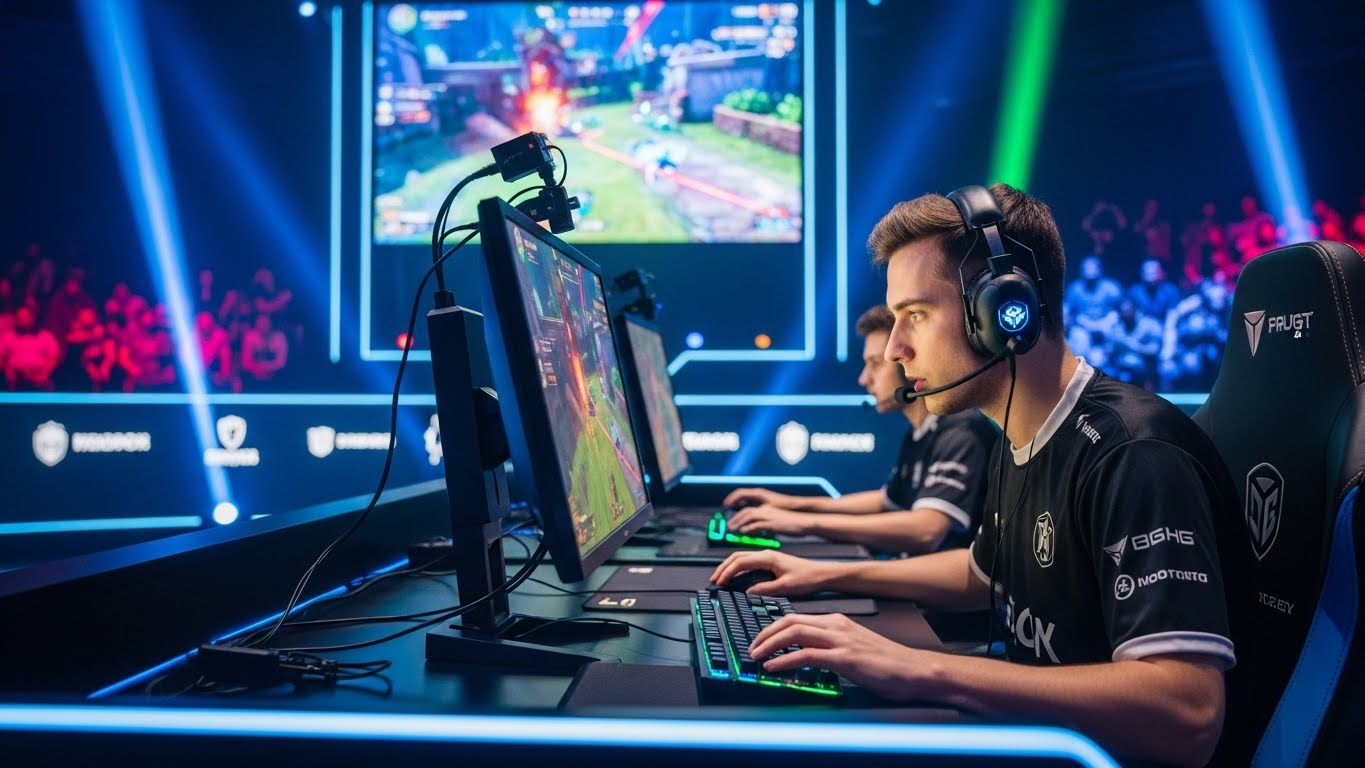
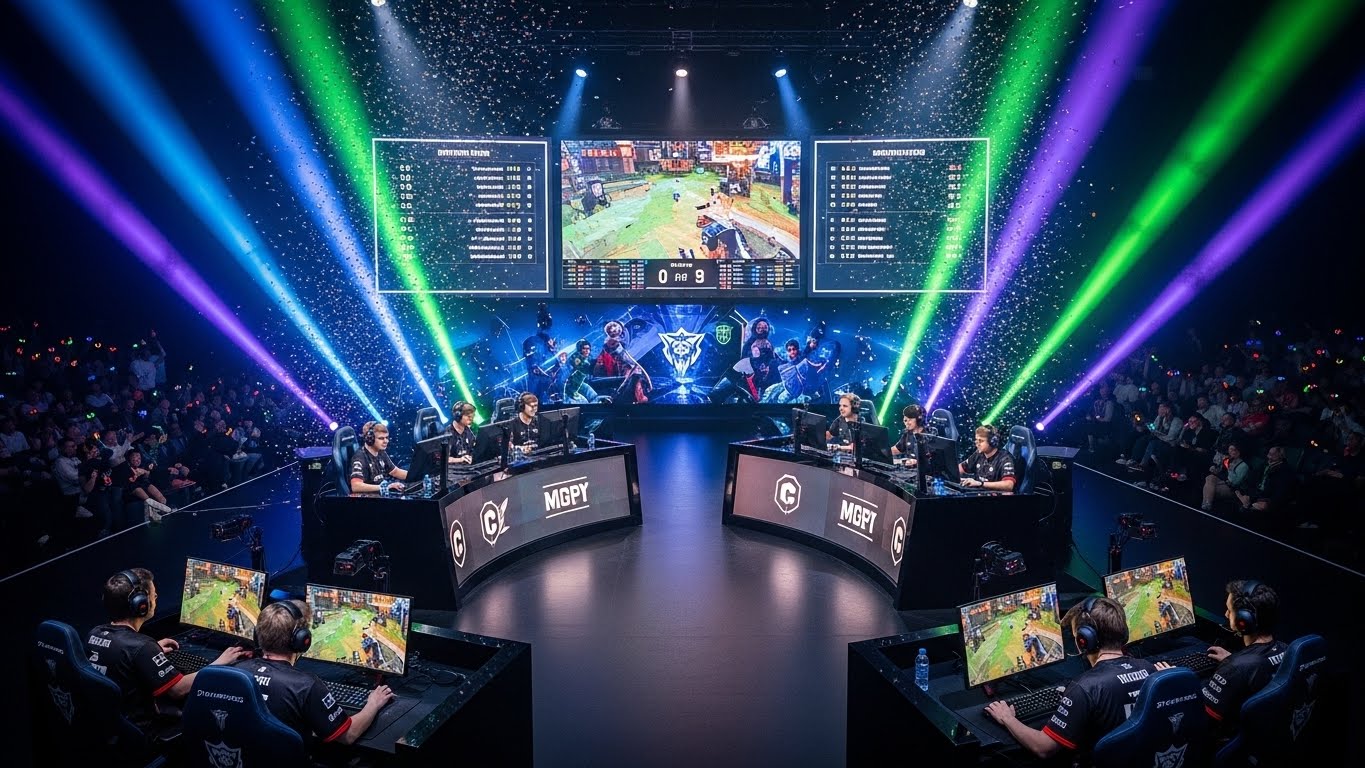
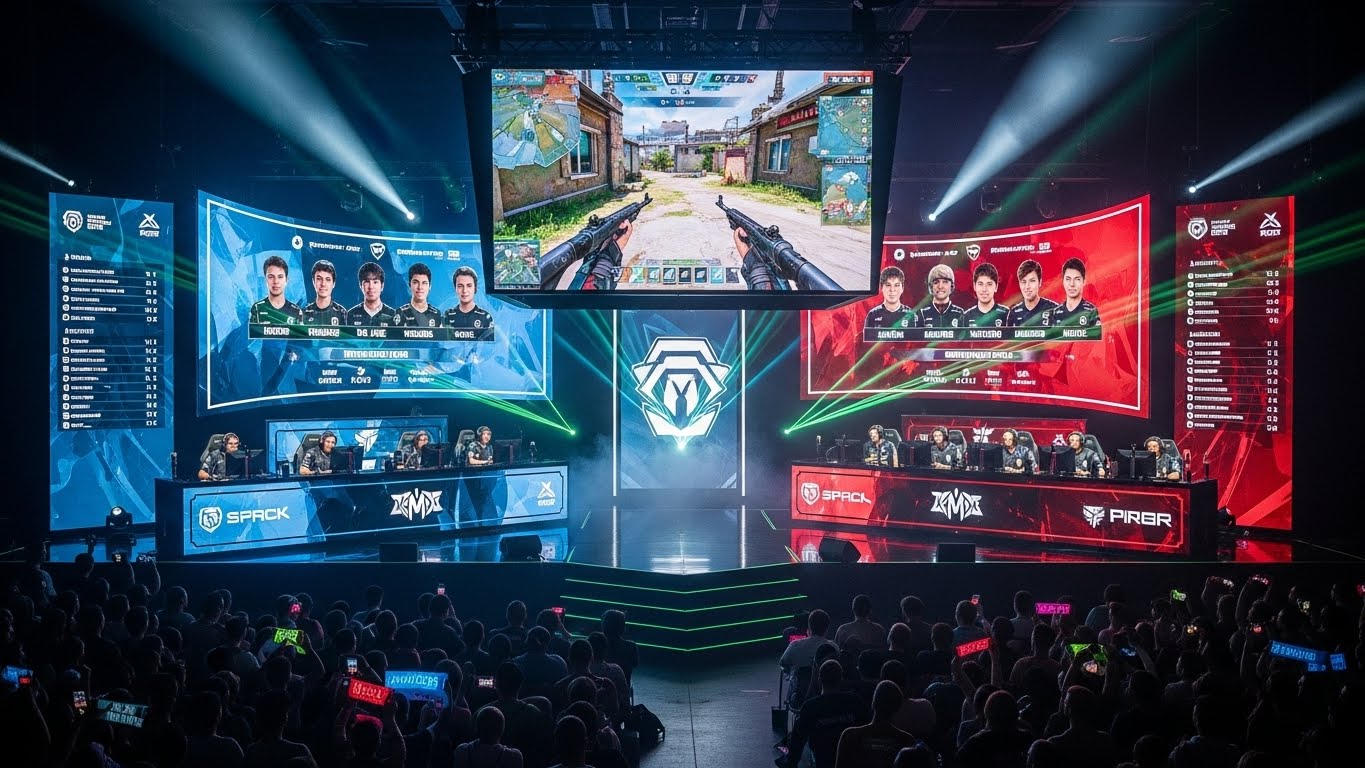
Esports, or competitive video gaming, has emerged as one of the fastest-growing industries in the world. What began as a niche hobby among passionate gamers has transformed into a global phenomenon with professional leagues, international tournaments, and millions of fans. Today, esports rivals traditional sports in popularity, economic impact, and cultural influence. The rise of esports reflects not only technological advancement but also a shift in how we perceive competition, entertainment, and skill in the digital age. This blog explores the growth, significance, challenges, and future of esports, highlighting why it has become a defining aspect of modern society.
The Rise of Competitive Gaming
The origins of esports can be traced back to the late 1970s and early 1980s when arcade games became a cultural sensation. Early competitions, such as the 1980 Space Invaders Championship, were among the first instances of organized gaming contests. With the advent of personal computers and home consoles in the 1980s and 1990s, competitive gaming expanded rapidly. Titles like Street Fighter, StarCraft, Quake, and Counter-Strike laid the foundation for modern esports, fostering communities that organized tournaments both locally and online.
The 2000s brought a major shift with the rise of high-speed internet and streaming platforms. Gamers could now compete in real time against opponents worldwide, and audiences could watch matches live. This connectivity accelerated the growth of esports, turning what was once a casual pastime into a structured industry with professional players, teams, and leagues. Today, esports includes a diverse array of genres such as multiplayer online battle arenas, first-person shooters, strategy games, and sports simulations, reflecting its broad appeal and adaptability.
Esports as a Professional Industry
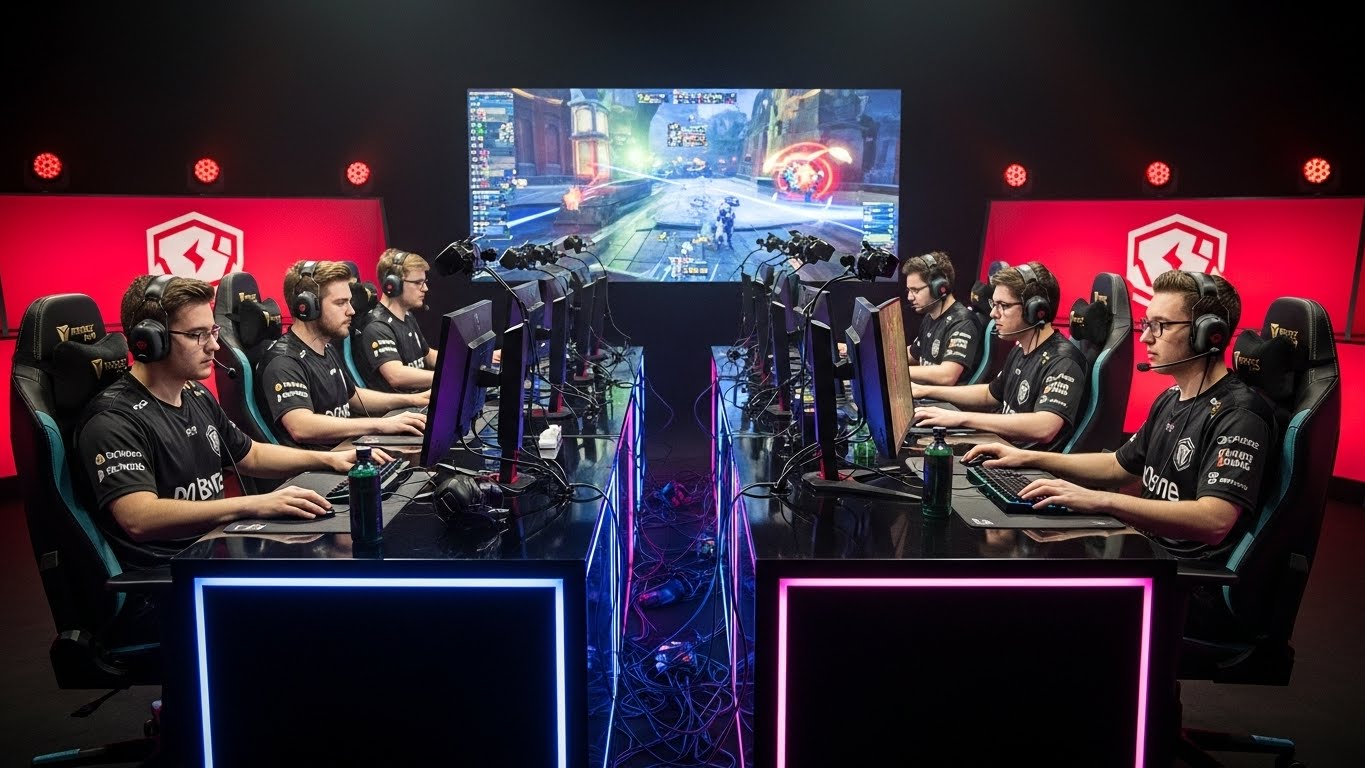
Esports is no longer just about passion—it is a highly professionalized industry. Top players train rigorously, often practicing for eight to twelve hours daily, honing their skills, strategies, and teamwork. Professional esports teams operate similarly to traditional sports clubs, with coaches, analysts, nutritionists, and psychologists supporting players to optimize performance. Prize pools for major tournaments can reach millions of dollars, and players often receive salaries, sponsorships, and endorsements.
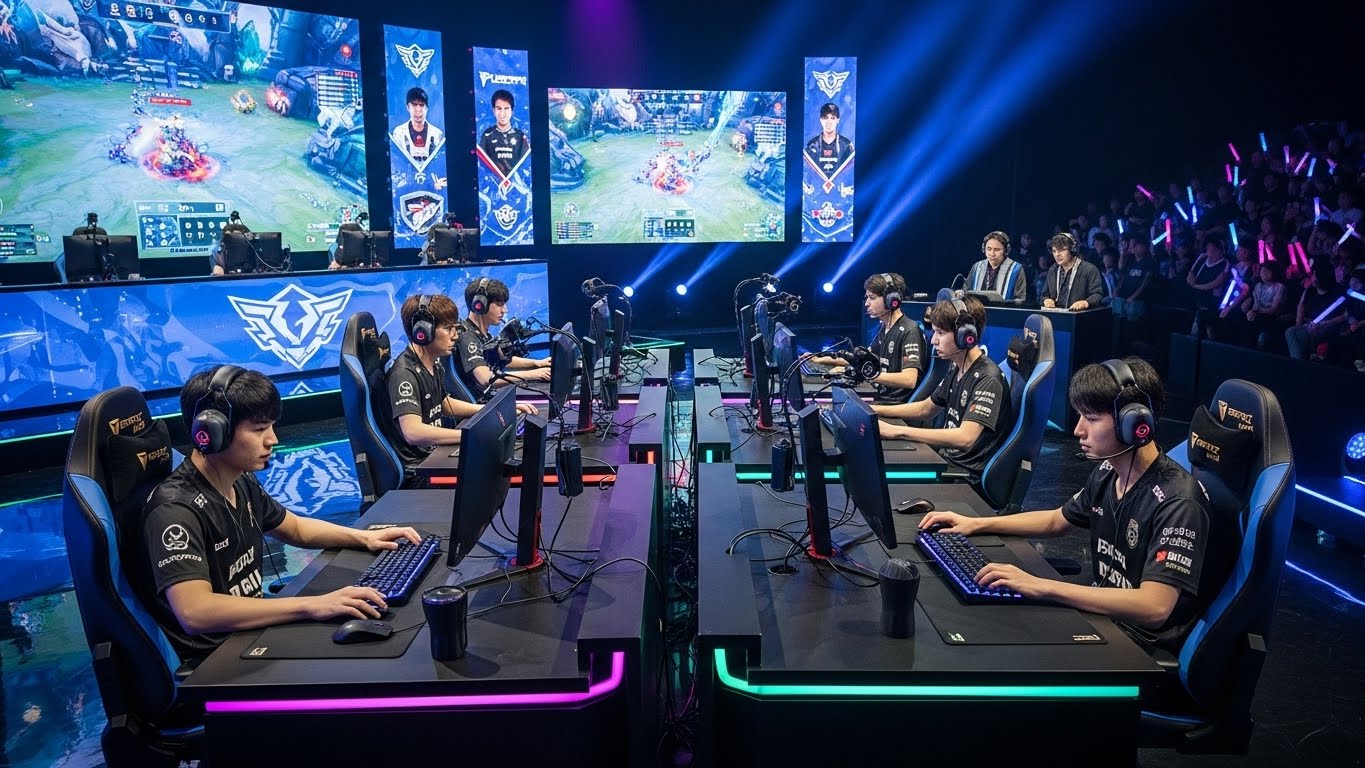
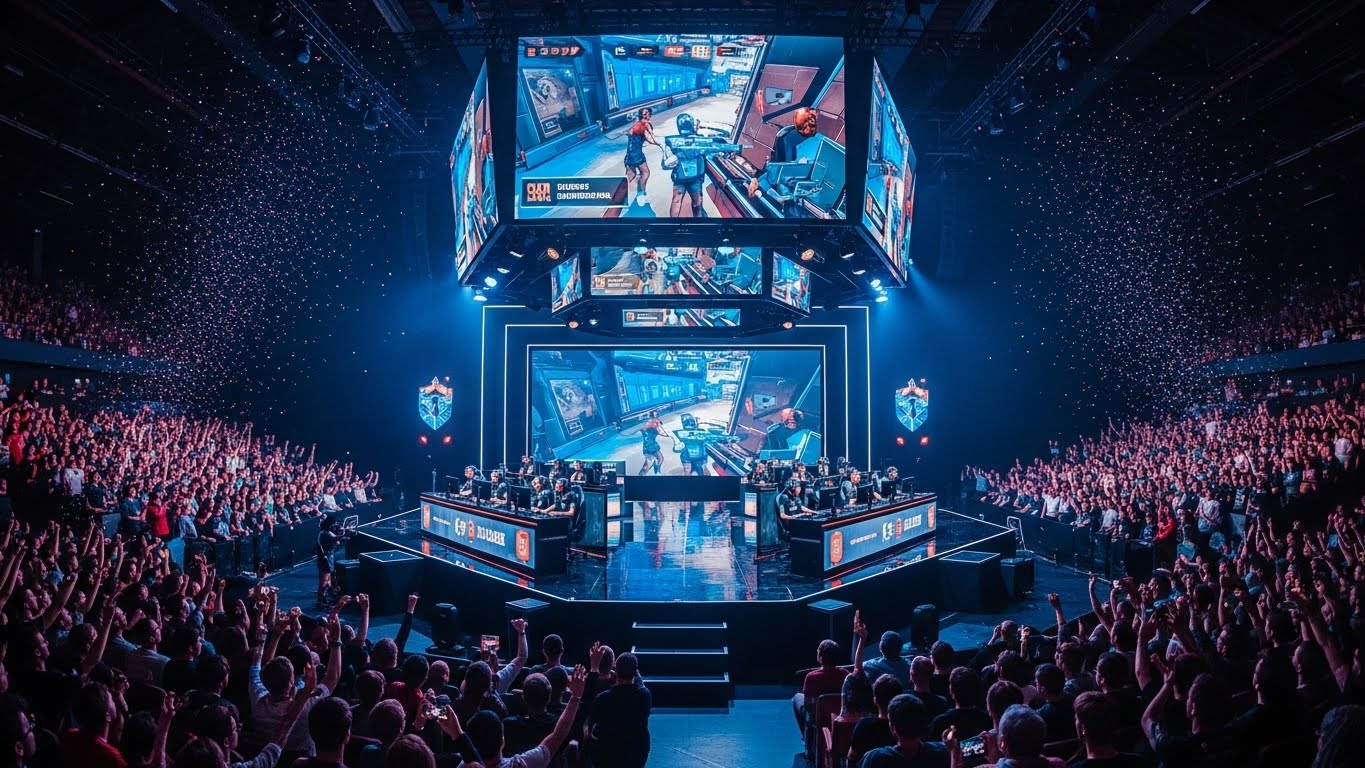
The economic impact of esports extends beyond players. The industry supports careers in broadcasting, marketing, event management, game development, content creation, and data analytics. Large-scale tournaments generate revenue through ticket sales, merchandising, and media rights, making esports a multi-billion-dollar global market. Corporations are increasingly investing in esports to engage younger audiences, creating a sustainable ecosystem that continues to grow year after year.
Cognitive and Skill Benefits of Esports
Esports is more than entertainment; it offers substantial cognitive and skill-based benefits. Competitive gaming enhances hand-eye coordination, reaction times, and spatial awareness. Many games require complex decision-making, multitasking, and strategic thinking, which promote problem-solving and adaptability. Team-based games, in particular, foster communication, leadership, and collaboration, skills that are valuable in both educational and professional contexts.
Participating in esports also builds resilience and mental fortitude. Players face high-pressure situations and must cope with victories and defeats alike. Learning to analyze mistakes, develop strategies, and persevere is a core part of the esports experience. For younger players, esports provides a structured environment where they can develop focus, patience, and confidence while engaging in a competitive yet enjoyable activity.
Esports and Technology
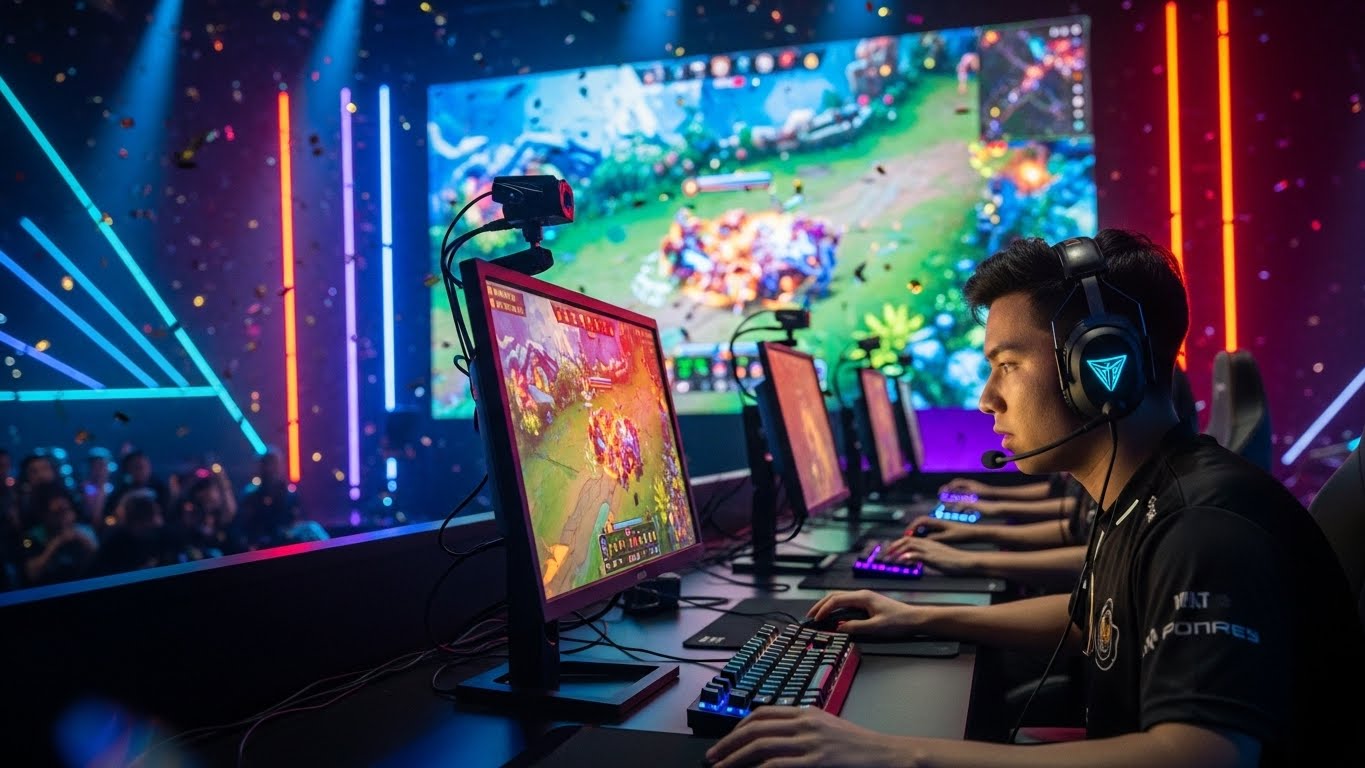
Technology is the backbone of esports. High-performance computers, gaming consoles, and peripherals enable precise gameplay, while high-speed internet allows real-time competition and global connectivity. Streaming platforms and social media have revolutionized how audiences engage with esports, creating communities around games, players, and events. Fans can interact with tournaments in real time, watch highlight reels, and participate in discussions across the world.
Emerging technologies such as virtual reality, augmented reality, and artificial intelligence are beginning to influence the esports landscape. VR and AR offer immersive experiences for both players and spectators, while AI helps teams analyze performance, predict opponent strategies, and optimize training. The constant integration of technology ensures that esports remains dynamic, innovative, and deeply intertwined with the digital revolution.
Social and Cultural Impact
Esports has a significant social and cultural influence. Online communities bring together players and fans from diverse backgrounds, fostering connections and shared experiences. Esports culture includes its own language, traditions, fan art, and conventions, creating a sense of identity and belonging among enthusiasts. Popular players and streamers have become cultural icons, inspiring fans, shaping trends, and promoting positive role models.
Esports has also challenged traditional perceptions of gaming. No longer seen as a solitary or unproductive activity, esports is now recognized as a legitimate form of competition and professional achievement. Furthermore, efforts to increase diversity and inclusivity have made esports accessible to a broader audience. Female gamers, players with disabilities, and participants from underrepresented regions are increasingly making their mark in the industry, contributing to a more equitable and vibrant esports ecosystem.
Esports in Education
Education is embracing esports as a tool for engagement and skill development. Schools and universities worldwide have established esports programs, scholarships, and competitive teams. These programs integrate gaming with academic learning, offering courses in game strategy, design, marketing, and media production. Students gain leadership, teamwork, critical thinking, and technological skills, preparing them for careers in esports and related industries.
Esports programs also provide opportunities for students who may not participate in traditional sports to excel. They encourage collaboration, confidence, and personal growth, creating an inclusive environment that fosters achievement and community. The incorporation of esports into educational institutions highlights its potential as both a learning tool and a platform for talent development.
Challenges Facing Esports
Despite its rapid growth, esports faces several challenges. Player burnout is a major concern, as long hours of practice, intense competition, and public scrutiny can lead to physical and mental health issues. Support systems, including psychological counseling, physical training, and wellness programs, are essential to sustain players’ careers.
Maintaining competitive integrity is another challenge. Cheating, hacking, and exploitation of game mechanics can undermine trust and fairness. Anti-cheat technologies, regulatory frameworks, and strict tournament rules are critical for preserving the legitimacy of esports competitions. Accessibility also remains an issue, as high-quality equipment and fast internet are still out of reach for many potential players, particularly in developing regions. Addressing these challenges is essential for the continued growth and credibility of the industry.
The Future of Esports
The future of esports looks promising, with continued growth in participation, viewership, and investment. Emerging technologies such as cloud gaming, virtual reality, and artificial intelligence will redefine how games are played and experienced. Esports will likely continue to expand globally, reaching new audiences and creating opportunities in previously untapped markets.
Collaboration between traditional sports and esports is also expected to increase. Hybrid events, cross-promotional initiatives, and shared training methodologies may blur the lines between physical and digital competition. The emphasis on inclusivity, education, and community building will ensure that esports remains a meaningful and positive force. Ultimately, esports represents a convergence of skill, strategy, and technology, reflecting the evolving nature of competition and entertainment in the digital era.
Conclusion
Esports has transformed from a hobby into a global industry, offering professional opportunities, cognitive benefits, and cultural significance. Its growth highlights the influence of technology, community, and creativity in shaping modern entertainment. While challenges such as burnout, integrity, and accessibility persist, the industry continues to innovate, adapt, and expand.
Competitive gaming is more than just a pastime—it is a platform for skill, strategy, and social connection. It allows players to excel, audiences to engage, and communities to flourish. As esports continues to evolve, it redefines what it means to compete and succeed in the digital age, making it a cornerstone of modern culture and a symbol of the future of entertainment.
Word Count: ~1,520