clashcircle44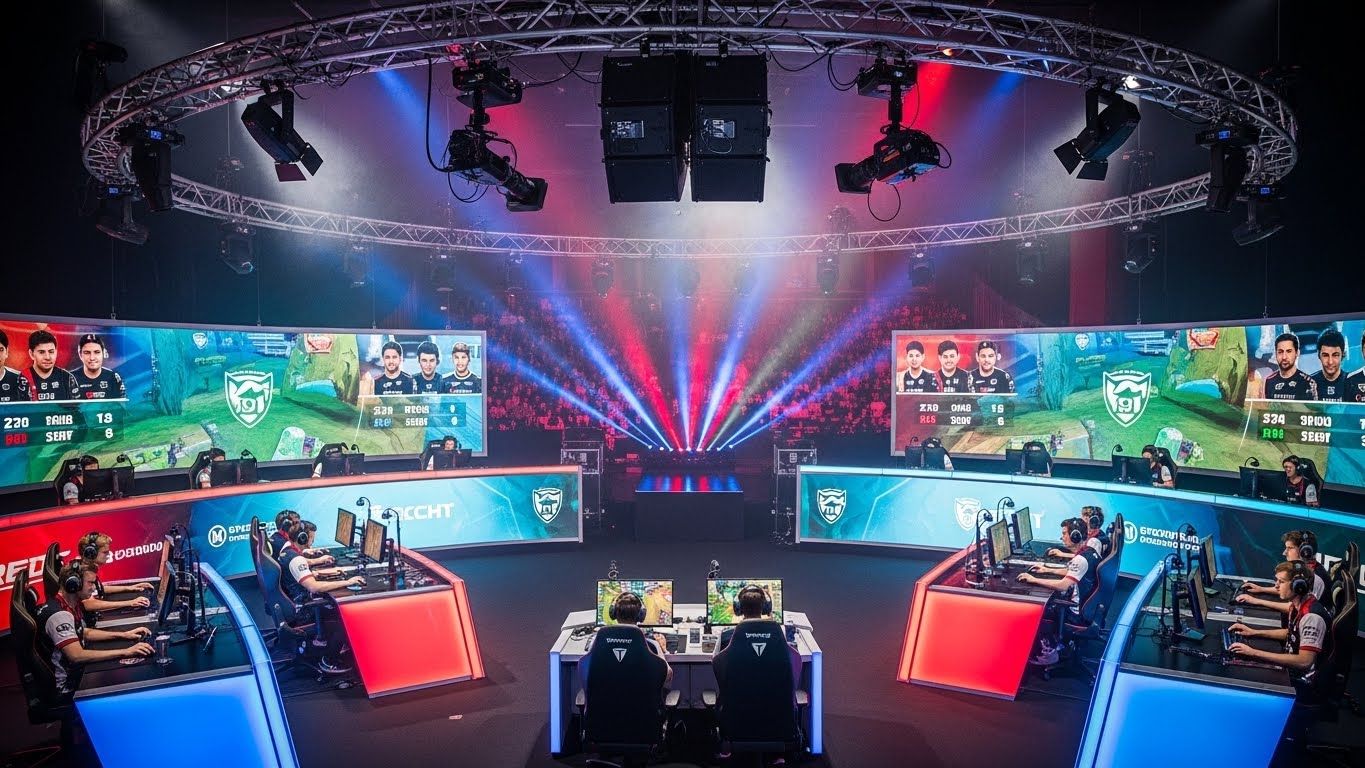
Esports, once considered a niche hobby for avid gamers, has transformed into one of the most influential and fastest-growing industries in the world. With professional players, international tournaments, massive audiences, and multi-million-dollar prize pools, esports has redefined what it means to be a competitive athlete in the digital age. This blog explores the rise of esports, its economic and cultural impact, and what the future holds for this digital revolution.
Understanding Esports: More Than Just Video Games
Esports, short for electronic sports, refers to organized competitive video gaming. Players or teams compete in video games across various genres including multiplayer online battle arenas, first-person shooters, real-time strategy games, and sports simulations. Unlike casual gaming, esports requires dedication, strategy, and exceptional skill.
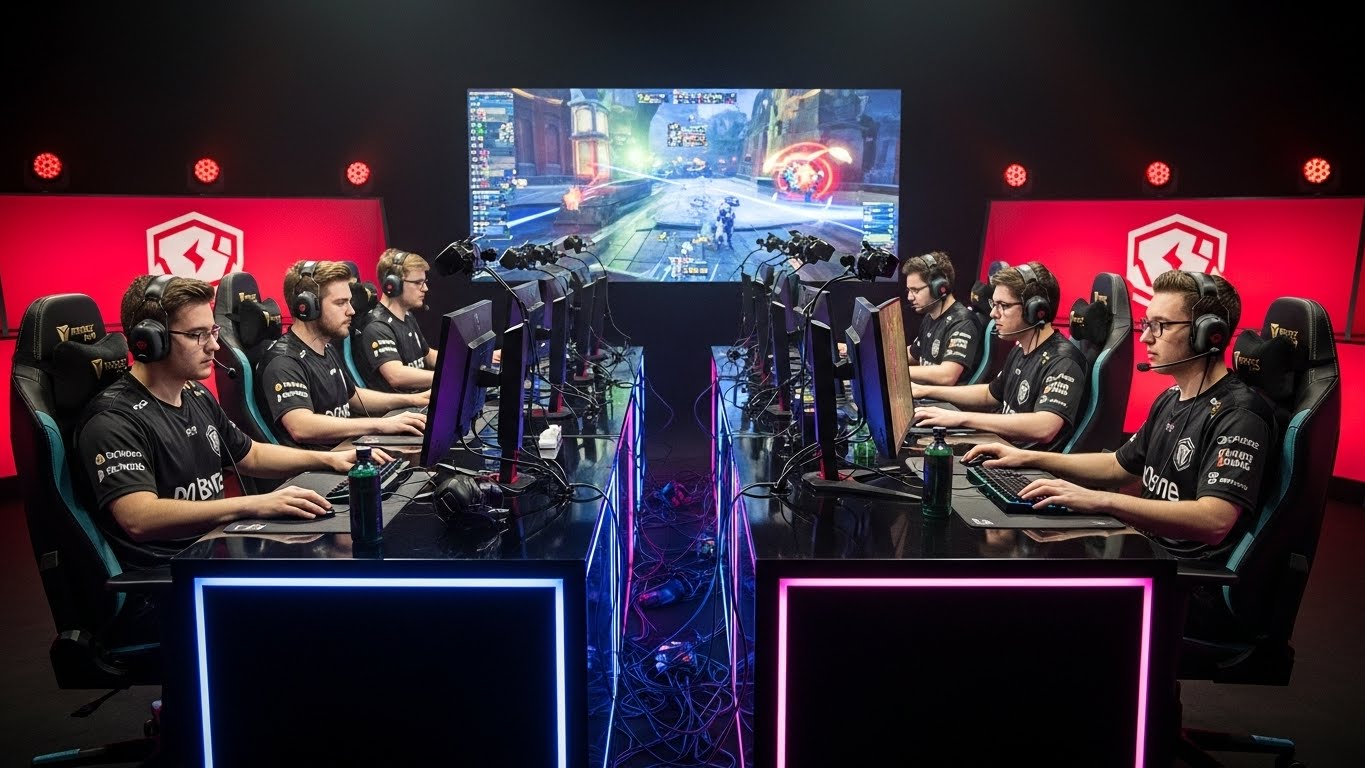
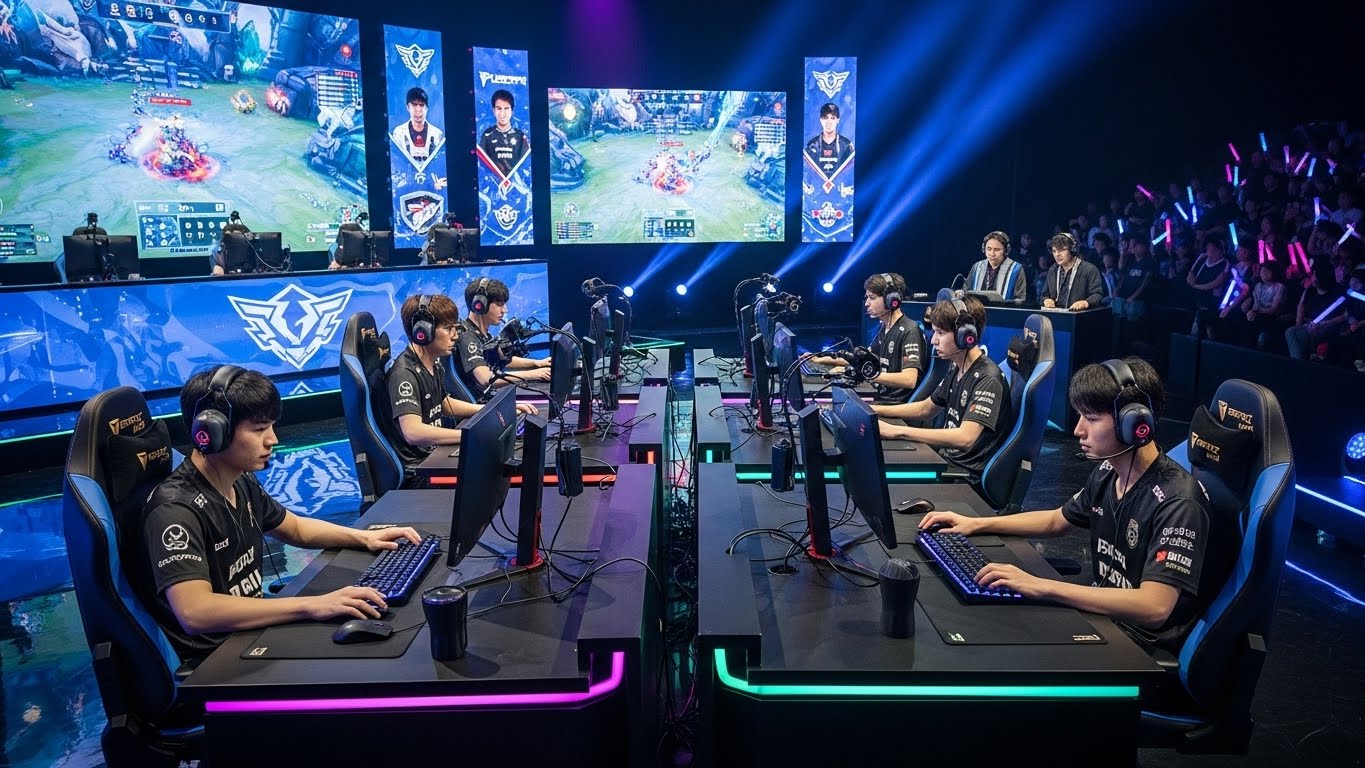
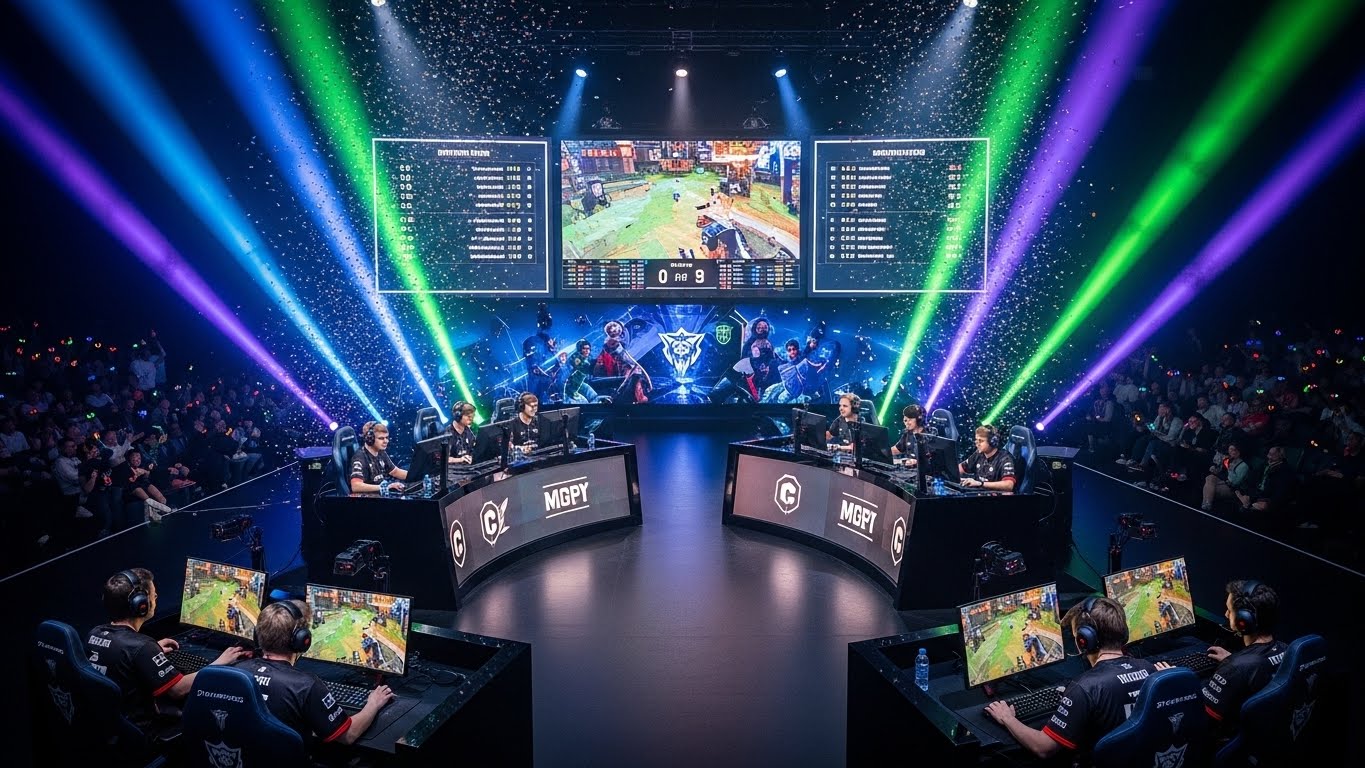
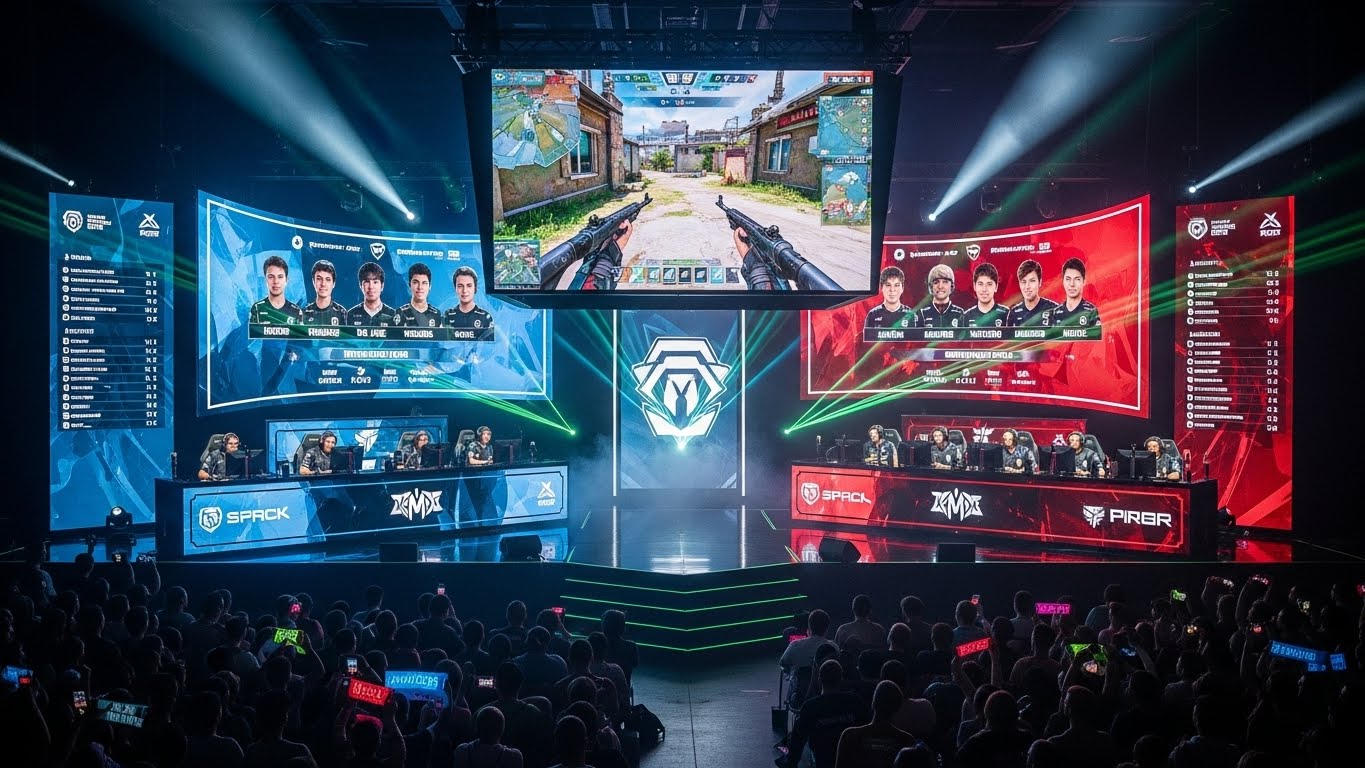
Esports is not just about entertainment; it has become a professional pursuit. Players train for hours daily, analyze opponents, and develop tactics similar to traditional sports teams. Tournaments are highly structured events with live audiences, commentators, and professional production quality. For fans, watching esports is an immersive experience that rivals traditional sports in excitement and intensity.
The History of Esports: From Small Competitions to Global Stage
The concept of competitive gaming is not new. In the 1970s and 1980s, players competed in local arcade tournaments. One of the earliest notable events was the 1980 Space Invaders Championship in the United States, which drew thousands of participants. However, it wasn’t until the 1990s that esports began to resemble the modern industry we know today.
With the rise of multiplayer games like Quake and StarCraft, players began organizing LAN tournaments. These events were the foundation of the competitive gaming culture, allowing players to face off in person. As internet connectivity improved, online competitions became feasible, allowing players from different countries to compete without geographical limitations. Titles like Counter-Strike, DotA, and Warcraft III became iconic games in the early esports scene.
By the late 2000s, esports had grown into a professional industry. Massive tournaments with significant prize pools, such as the World Cyber Games and the Electronic Sports World Cup, attracted global attention. Today, events like The International for Dota 2 and the League of Legends World Championship offer millions of dollars in prize money and are broadcast to millions of viewers worldwide.
Global Audience and Fan Engagement
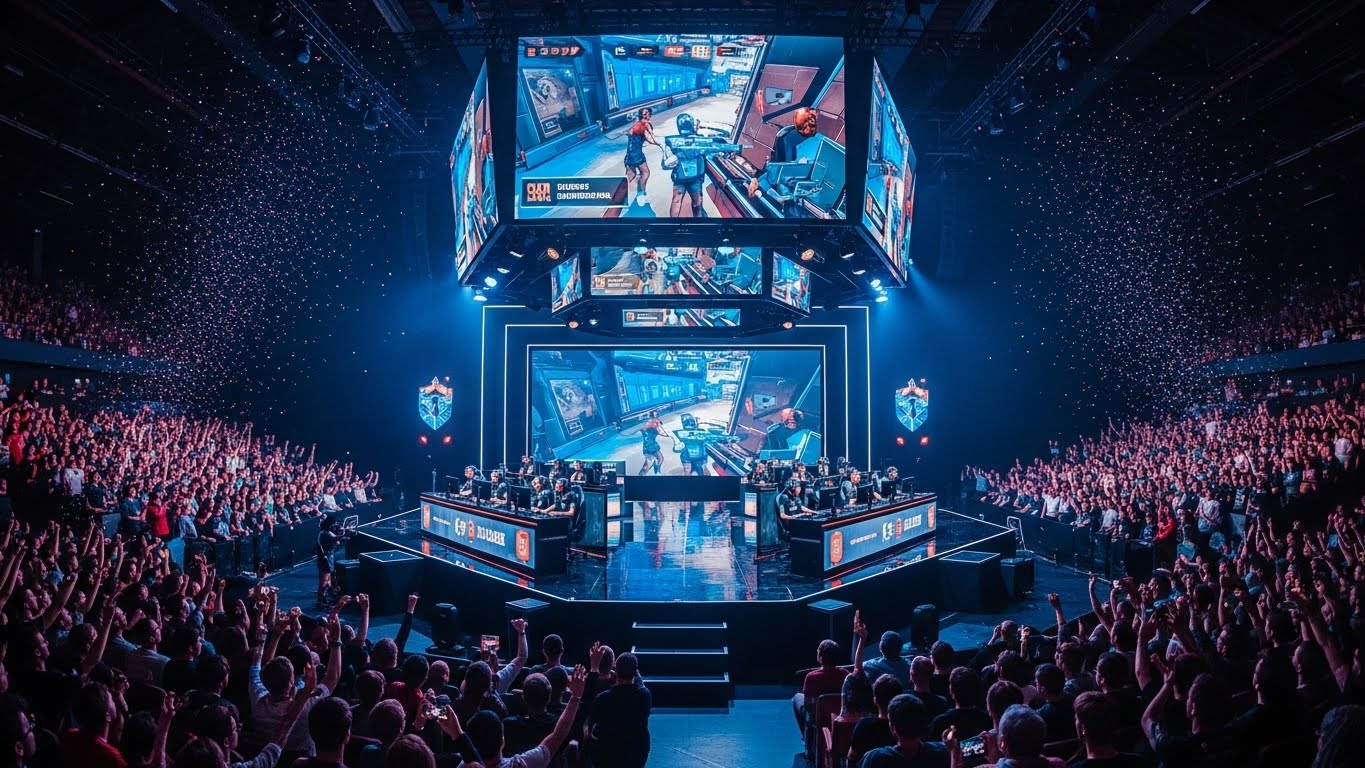
One of the most impressive aspects of esports is its ability to attract a massive global audience. Millions of fans watch tournaments live online, while thousands attend in-person events in stadiums and arenas. Unlike traditional sports, esports allows for a highly interactive experience, where viewers can comment in real-time, follow player streams, and even influence certain in-game events through live interaction.
The typical esports audience is young, tech-savvy, and highly engaged. Most fans are aged between 18 and 34, making the industry a prime target for advertisers and sponsors. Gaming communities often form around specific games, teams, or players, creating a strong sense of identity and loyalty. Social media, streaming platforms, and community forums allow fans to stay connected, share content, and celebrate victories, creating a unique culture around esports.
Esports as a Career: From Hobbyist to Professional Athlete
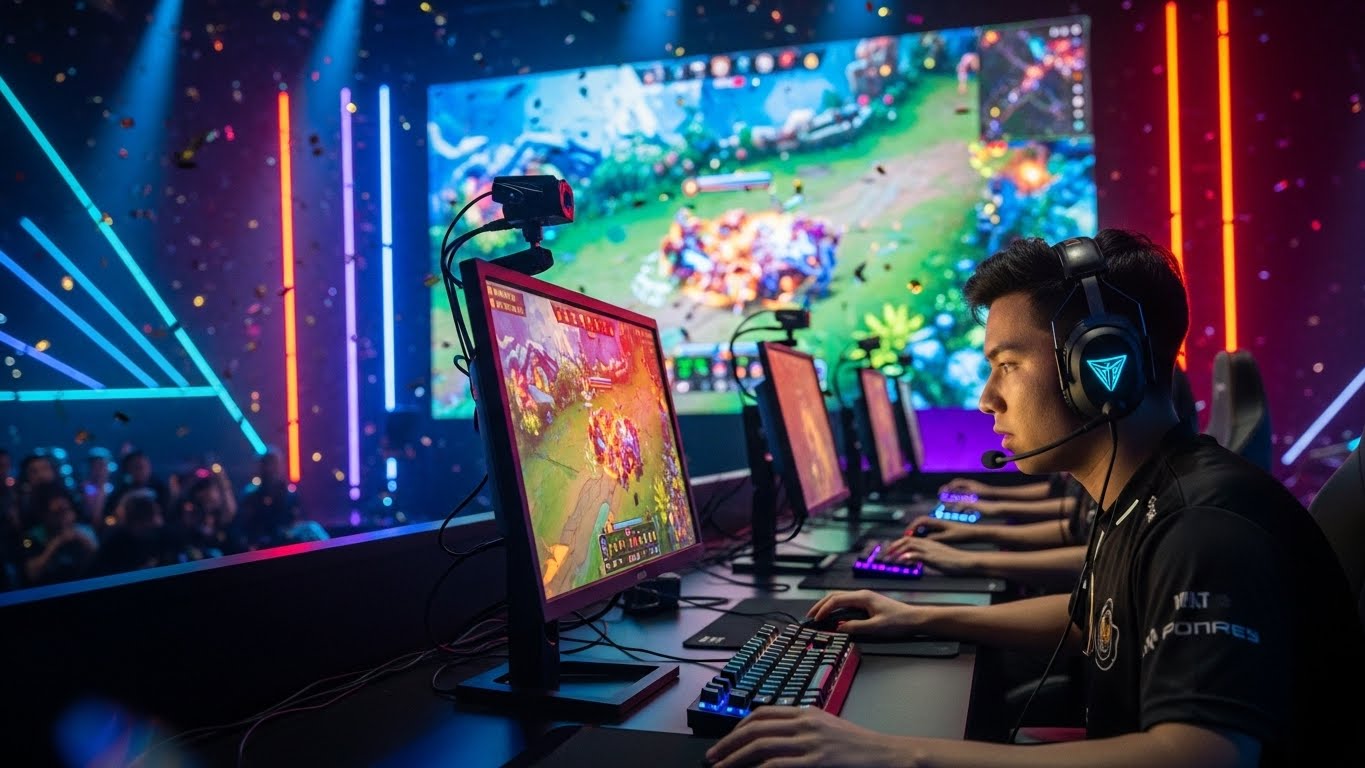
Esports has created a new form of professional sportsmanship. Top players can earn substantial incomes through tournament winnings, sponsorships, and streaming revenue. Becoming a professional esports player requires rigorous training, often involving 8 to 12 hours of daily practice, strategy sessions, and physical conditioning.
Esports players are not just skilled gamers; they are athletes who must maintain focus, mental resilience, and physical fitness. Professional teams often employ coaches, analysts, and psychologists to ensure players perform at their peak. The dedication and lifestyle of an esports professional resemble those of traditional sports athletes, with strict schedules, practice routines, and travel for competitions.
Beyond players, esports has created careers for content creators, commentators, analysts, event organizers, and marketing professionals. The industry has a diverse ecosystem that extends beyond gaming, offering opportunities for individuals with different skill sets.
The Economics of Esports: A Billion-Dollar Industry
Esports has grown into a multi-billion-dollar industry driven by multiple revenue streams. Sponsorships and advertising play a crucial role, with companies eager to reach the young and engaged audience of esports fans. Brands from technology, beverage, and apparel industries frequently partner with teams, tournaments, and individual players.
Media rights are another significant source of revenue. Tournaments sell broadcasting rights to streaming platforms and television networks, allowing millions of fans to watch events globally. Ticket sales for live events and merchandise, including team jerseys, hats, and accessories, further contribute to the industry’s income.
In-game purchases also play a critical role. Games often sell virtual items, skins, and upgrades that allow fans to customize their experience while financially supporting the game and its competitive ecosystem. The combination of these revenue streams has positioned esports as a highly profitable industry with continuous growth potential.
The Role of Streaming Platforms in Esports Growth
Streaming platforms have been instrumental in the rise of esports. Platforms like Twitch and YouTube Gaming allow players to broadcast their gameplay to millions of viewers, offering live commentary, interactive chat, and instant fan engagement. These platforms have created opportunities for players to monetize their content through subscriptions, advertisements, and sponsorships.
Streaming has also expanded the audience for esports. Even casual fans can follow their favorite players or teams without attending live events. Tournaments broadcast on these platforms provide professional-level production, commentary, and analysis, making esports accessible to a global audience.
Esports and Traditional Sports: Convergence and Collaboration
Esports is increasingly intersecting with traditional sports. Major sports leagues and clubs, including basketball, soccer, and football organizations, have invested in esports teams or launched dedicated esports competitions. The NBA 2K League is an example of how traditional sports can merge with digital gaming, allowing professional athletes and esports players to coexist in a shared competitive space.
This convergence has also led to collaboration in marketing, event hosting, and fan engagement. Traditional sports venues now host esports tournaments, while esports organizations adopt strategies from professional sports teams for management, branding, and sponsorships. Far from being competitors, esports and traditional sports complement each other, expanding entertainment options and audience reach.
Challenges in Esports: Mental Health, Fair Play, and Sustainability
Despite its growth, esports faces unique challenges. Mental health is a critical concern for professional players, as long hours of gaming, travel, and high-pressure competitions can lead to stress, anxiety, and burnout. Teams are now investing in psychological support, physical training, and wellness programs to ensure player well-being.
Fair play and cheating remain ongoing issues. Competitive gaming requires strict rules, monitoring, and anti-cheating technologies to maintain integrity. Tournament organizers invest in advanced software to detect cheating and enforce fair competition.
Sustainability is another challenge, as esports events consume significant energy and resources. Organizers are increasingly exploring eco-friendly solutions, such as virtual events, renewable energy, and digital ticketing, to reduce the industry’s environmental impact.
The Future of Esports: Innovation and Expansion
The future of esports is promising and full of potential. Emerging technologies like virtual reality, augmented reality, and artificial intelligence are set to revolutionize how players compete and how audiences engage. Virtual reality could provide immersive spectator experiences, allowing fans to feel as though they are inside the game. AI can enhance training, improve matchmaking, and provide insights that elevate the level of competition.
Mobile esports is also gaining momentum. With the widespread availability of smartphones, competitive gaming is no longer limited to PCs and consoles. Mobile games are attracting millions of players and viewers, expanding the reach of esports to new audiences and regions.
The global expansion of esports shows no signs of slowing down. With continued investment, technological innovation, and growing cultural acceptance, esports is poised to become an integral part of the entertainment landscape worldwide.
Conclusion: Esports as a Cultural and Professional Force
Esports has transcended its origins as a niche hobby and emerged as a global cultural and professional phenomenon. It has reshaped how people view competitive gaming, created new career paths, and established a dynamic industry with worldwide influence. From professional players to global audiences, esports continues to grow, innovate, and inspire.
As technology advances and the world becomes more digitally connected, esports will continue to redefine sports, entertainment, and human interaction. Its journey from small competitions to billion-dollar tournaments is a testament to the power of digital culture, community, and innovation. Esports is no longer just a game; it is a movement that is shaping the future of competition and entertainment on a global scale.