clashcircle44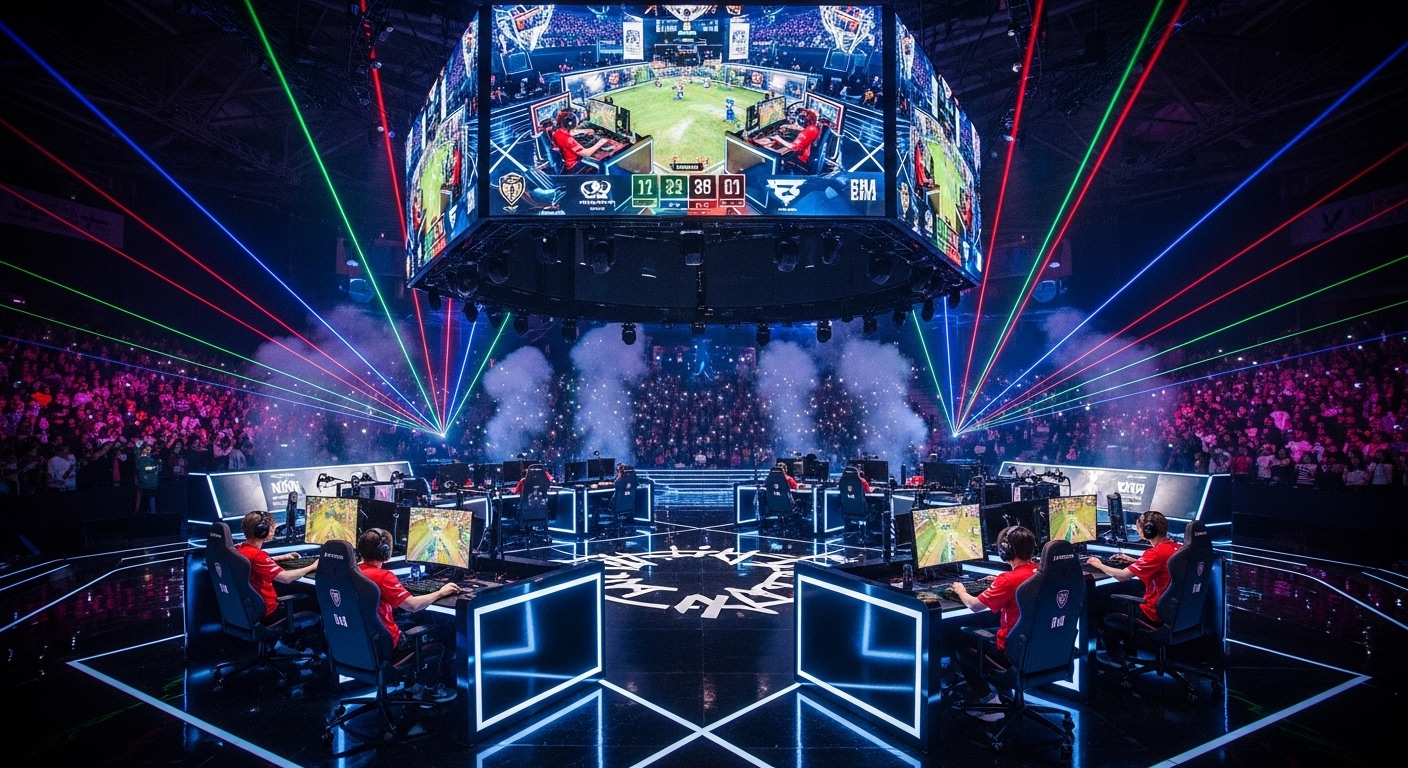
Introduction: A New Era of Gaming
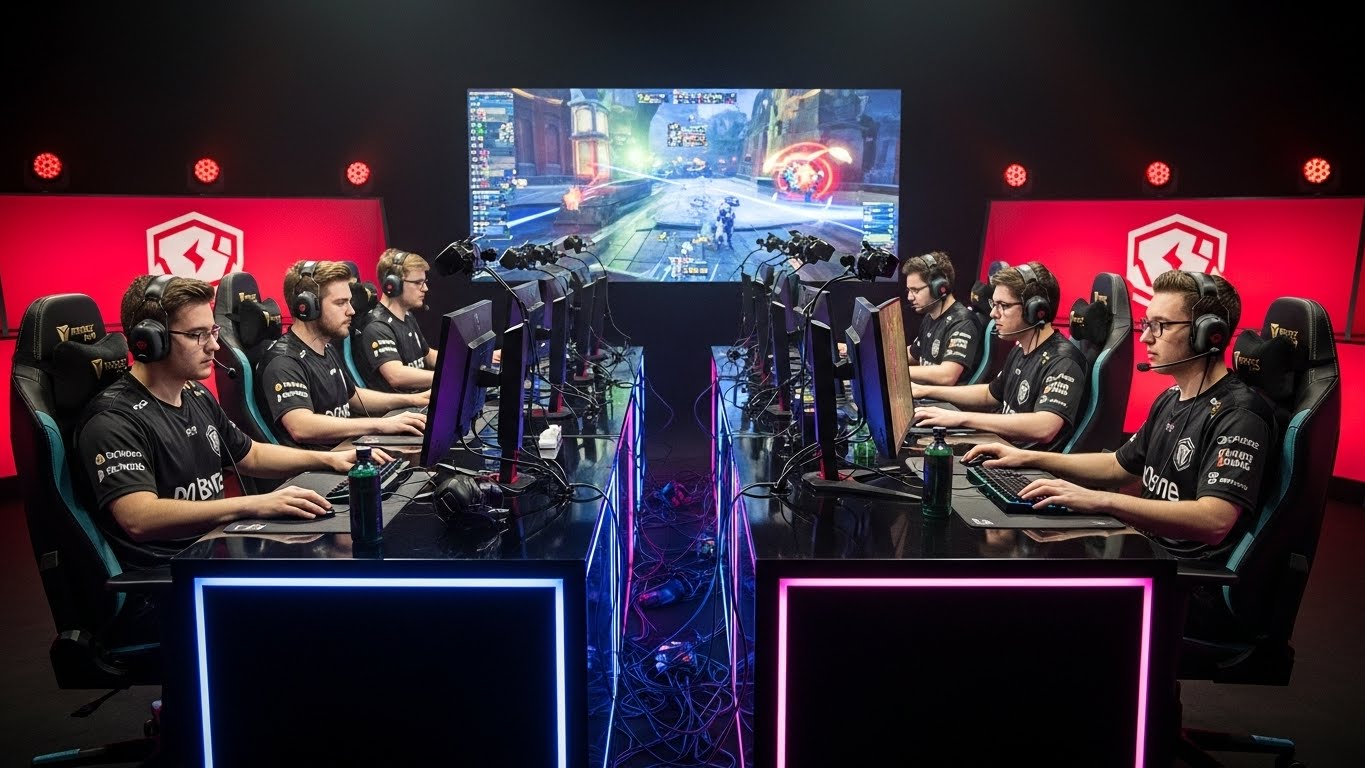
Esports, short for electronic sports, has become one of the fastest-growing industries in the world. What once started as a niche interest has now evolved into a global phenomenon, with millions of viewers and players engaging in competitive gaming. Esports isn’t just a pastime—it has become a career, a cultural movement, and a defining part of modern entertainment. From professional players to passionate fans, esports is reshaping the way we think about competition and entertainment.
The Evolution of Esports
The journey of esports began in the early 2000s, with amateur tournaments and small-scale competitions. However, it wasn’t until the advent of high-speed internet, better gaming hardware, and streaming platforms like Twitch that esports truly started to take off. Games like StarCraft, Warcraft, and Counter-Strike laid the foundation for what would become a multi-billion-dollar industry. Today, esports spans across various genres, from multiplayer online battle arenas (MOBAs) like League of Legends to first-person shooters (FPS) such as Call of Duty and Valorant. The rise of battle royales like Fortnite and Apex Legends has further expanded the appeal of esports, attracting a younger and more diverse audience.
The Global Reach of Esports
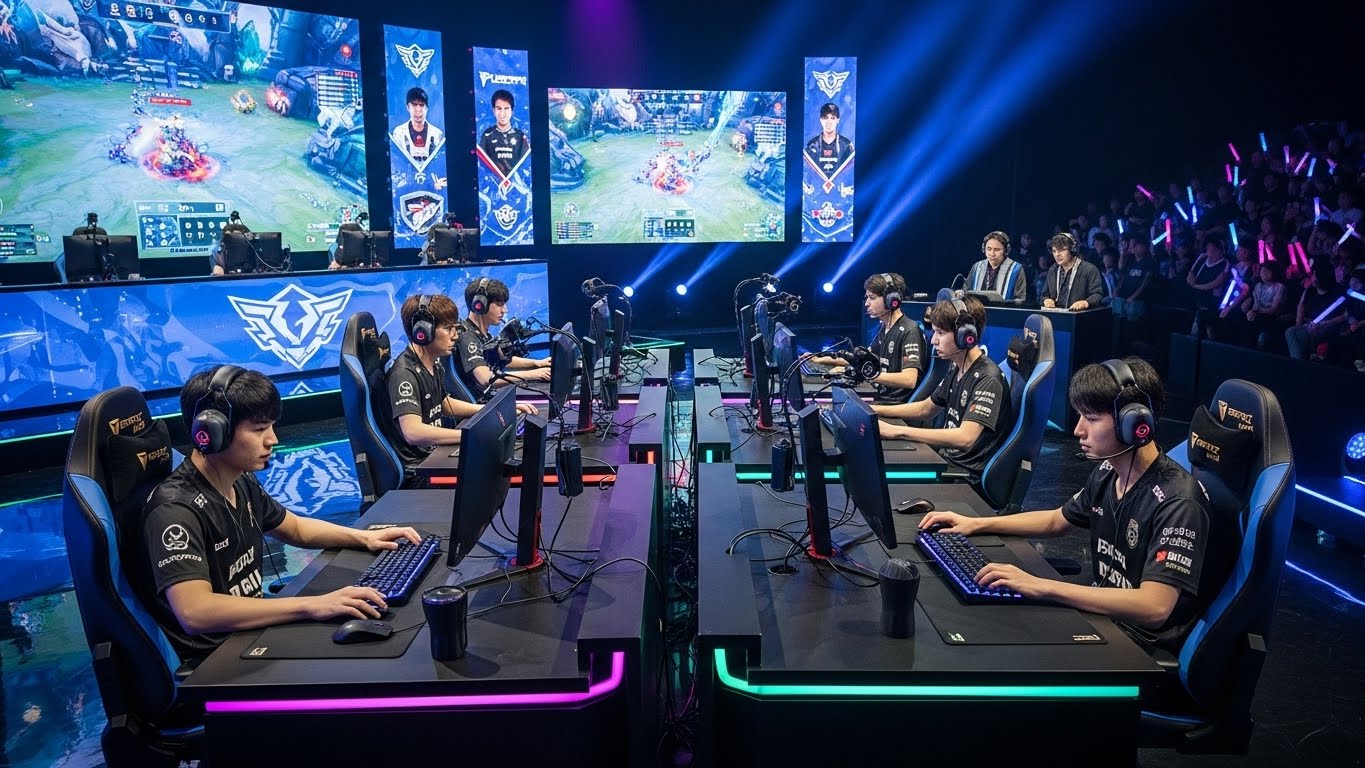
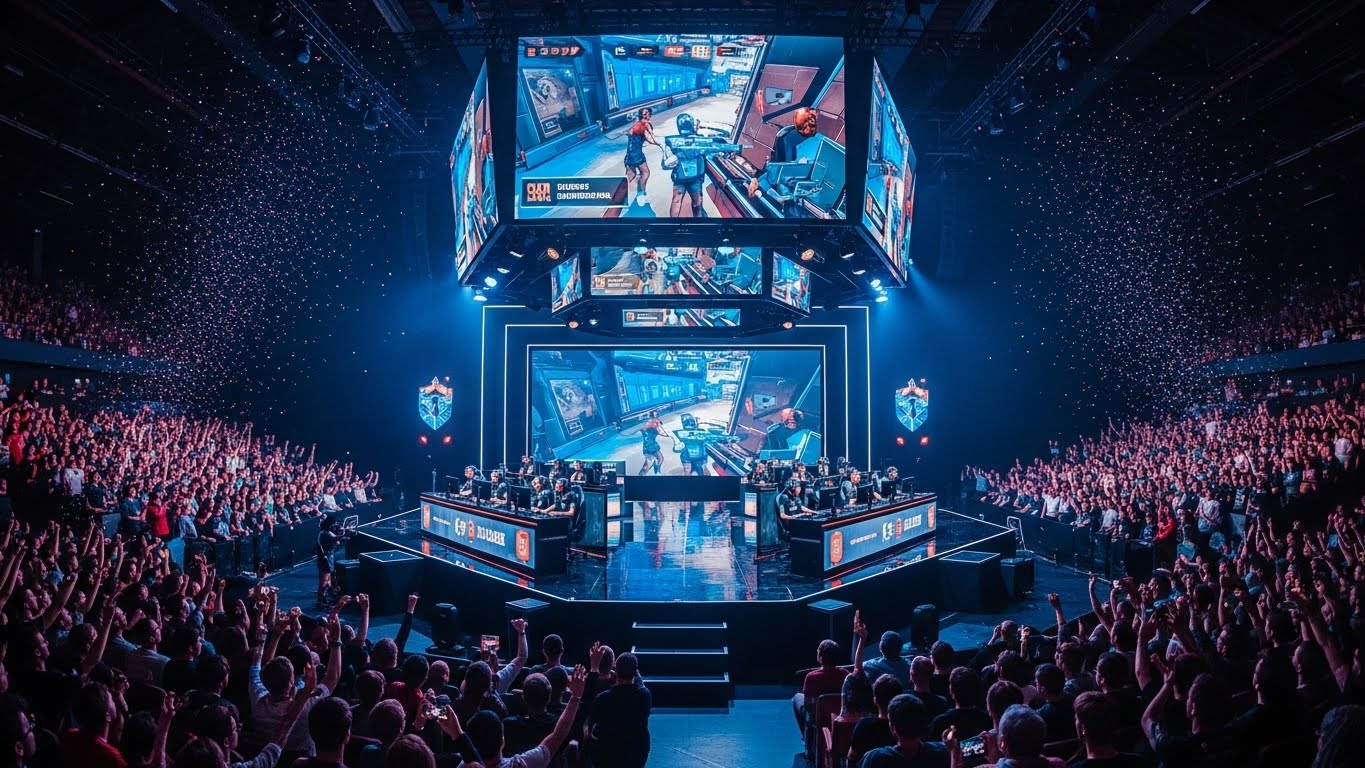
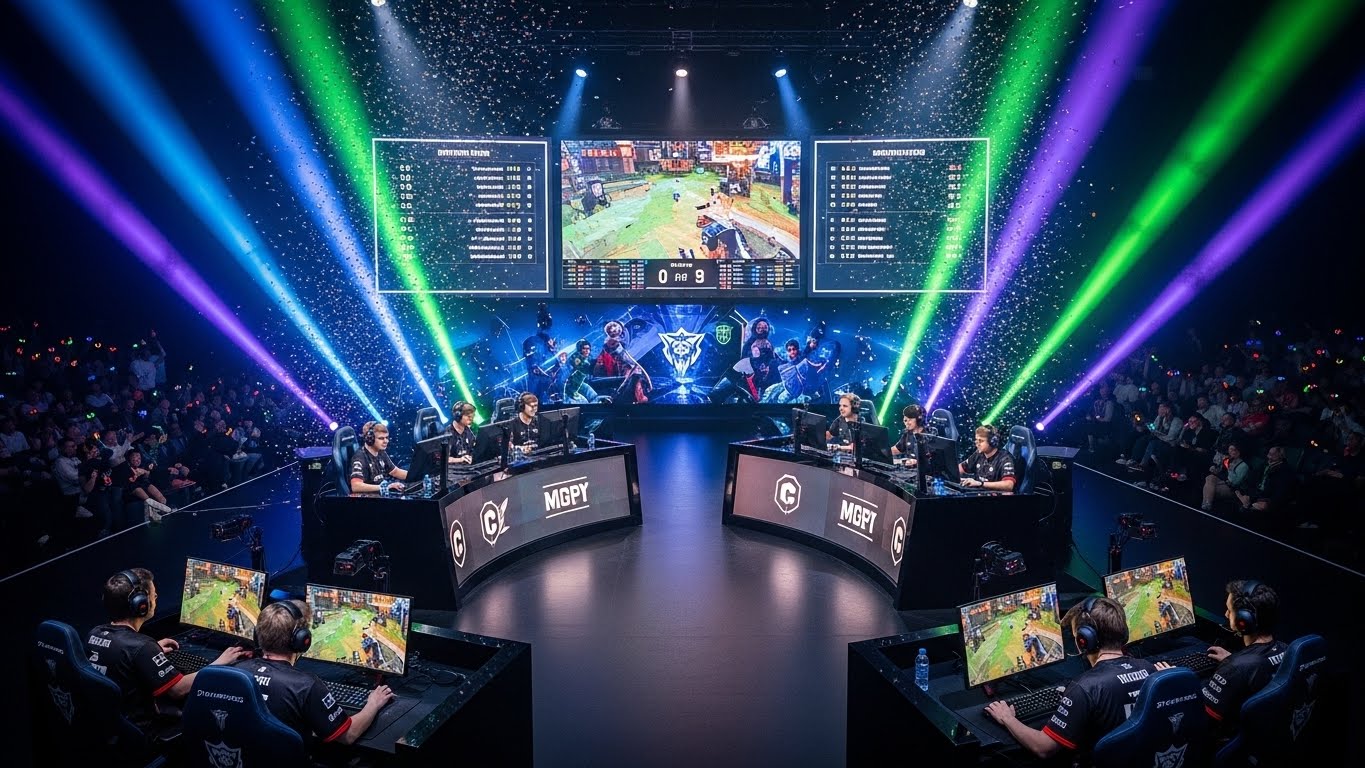
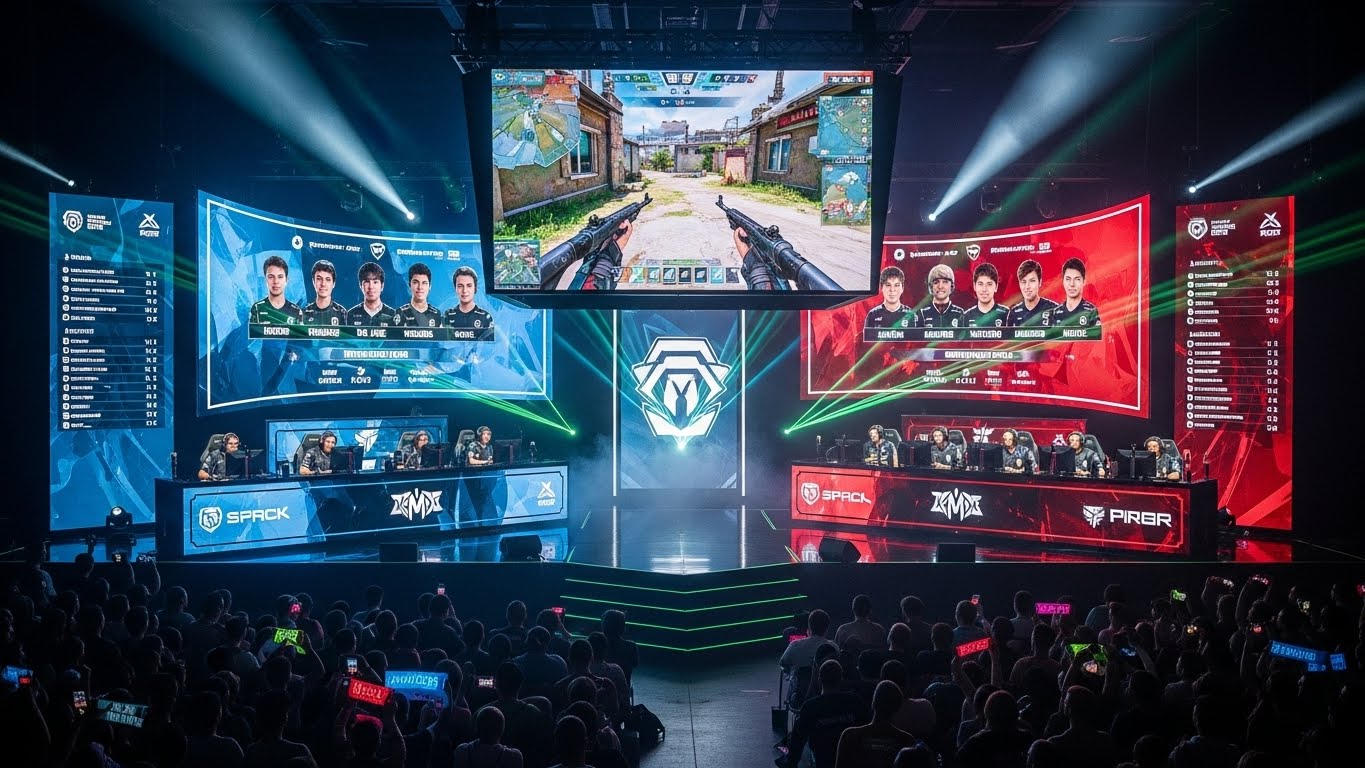
One of the most striking aspects of esports is its global reach. Major tournaments such as The International for Dota 2 and the League of Legends World Championship draw massive international audiences, often surpassing traditional sports in terms of viewership. Esports tournaments take place in large arenas with thousands of spectators, while millions more watch online from all corners of the globe. The accessibility of online streaming allows fans from different countries and cultures to connect, creating a sense of global community. The rise of esports has transcended national borders, becoming a truly international sport.
Esports as a Career Path
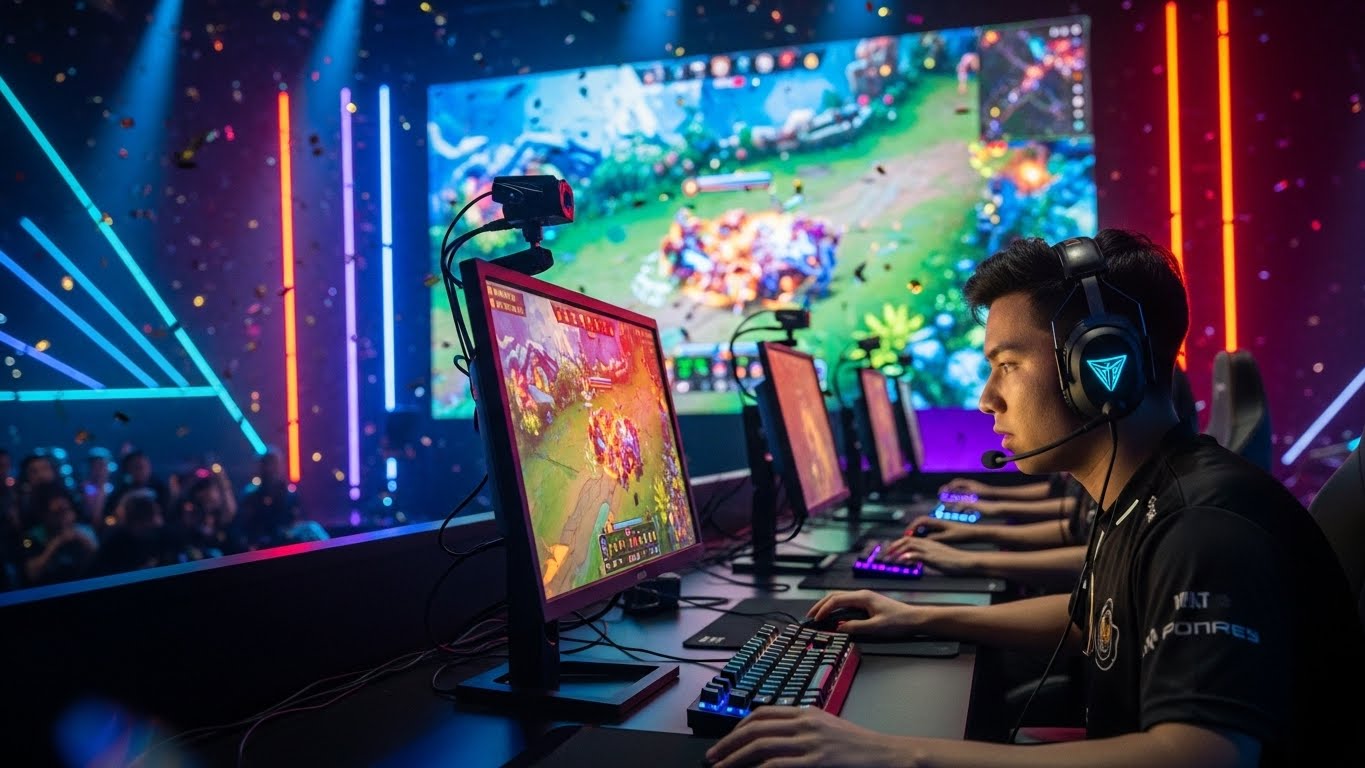
Gone are the days when playing video games was seen as a waste of time. Today, professional gamers can make a living from competing in tournaments, streaming their gameplay, and securing sponsorships. Esports has not only opened the door for professional players but also for coaches, analysts, casters, content creators, and even team managers. The business of esports is booming, with major brands and corporations investing in teams, players, and events. Sponsorship deals, media rights, and merchandise sales have turned esports into a highly profitable industry. For young gamers, this offers the opportunity to turn a passion into a full-time career.
Esports and the Role of Technology
Technology plays a crucial role in the growth of esports. The improvement in internet speeds and the development of high-performance gaming PCs and consoles have made online competitions more seamless. Platforms like Twitch and YouTube have made it easier for players to broadcast their gameplay to a global audience, while virtual reality (VR) and augmented reality (AR) technologies are opening up new possibilities for immersive gaming experiences. As technology continues to evolve, so too will the way esports is played, viewed, and experienced by fans and players alike.
Challenges in the Esports Industry
While esports has come a long way, it’s not without its challenges. One of the most pressing issues is the physical and mental health of professional players. The long hours spent training, playing, and streaming can lead to burnout, stress, and even injury. As the industry grows, there is a need for better support systems for players, including physical therapy, mental health counseling, and more sustainable training schedules. Another challenge is the issue of toxicity in online communities, where harassment and negative behavior can create a hostile environment. As the industry matures, addressing these issues and fostering a positive, inclusive culture will be crucial for long-term success.
The Future of Esports
The future of esports is incredibly exciting. With the continued rise of mobile gaming, esports will likely expand even further, making it accessible to a broader audience. Virtual reality and augmented reality could bring new layers of immersion to esports competitions, while advances in AI and machine learning may create new ways for players to train and improve. The growing recognition of esports in educational institutions, including scholarships for top players, is another promising sign for its future. As esports continues to integrate into mainstream culture, it will likely become even more embedded in our daily lives, with new forms of media, entertainment, and social connection.
Conclusion: Esports as a Cultural Mainstay
Esports has proven that it’s not just a passing trend but a revolutionary shift in the entertainment and sports industries. It’s a platform where skill, strategy, and passion collide to create unforgettable experiences for both players and fans. As technology continues to advance and more people discover the excitement of competitive gaming, the esports industry will continue to grow and evolve. For those who have embraced it, esports isn’t just a game—it’s a lifestyle, a career, and a global community that will continue to shape the future of entertainment.