clashcircle44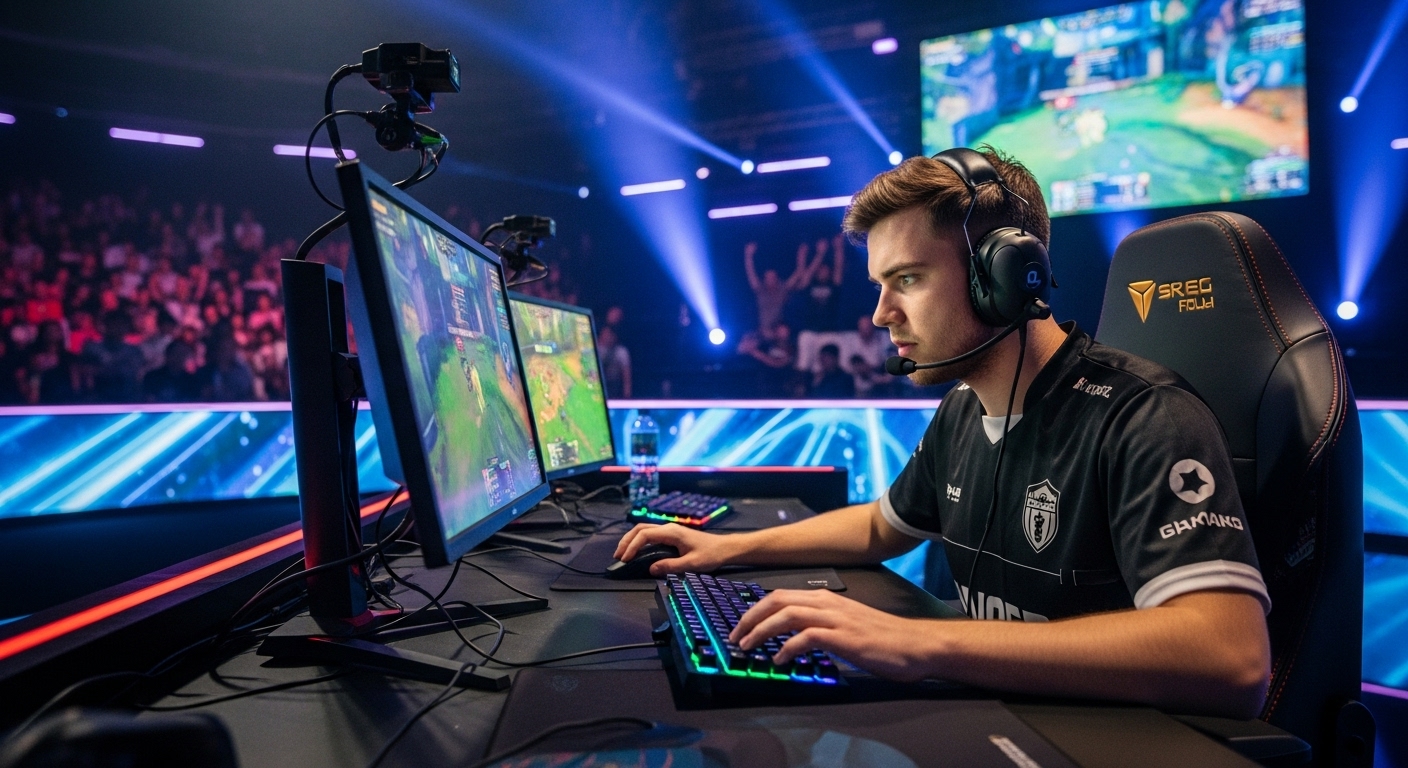
Introduction: The Rise of Esports
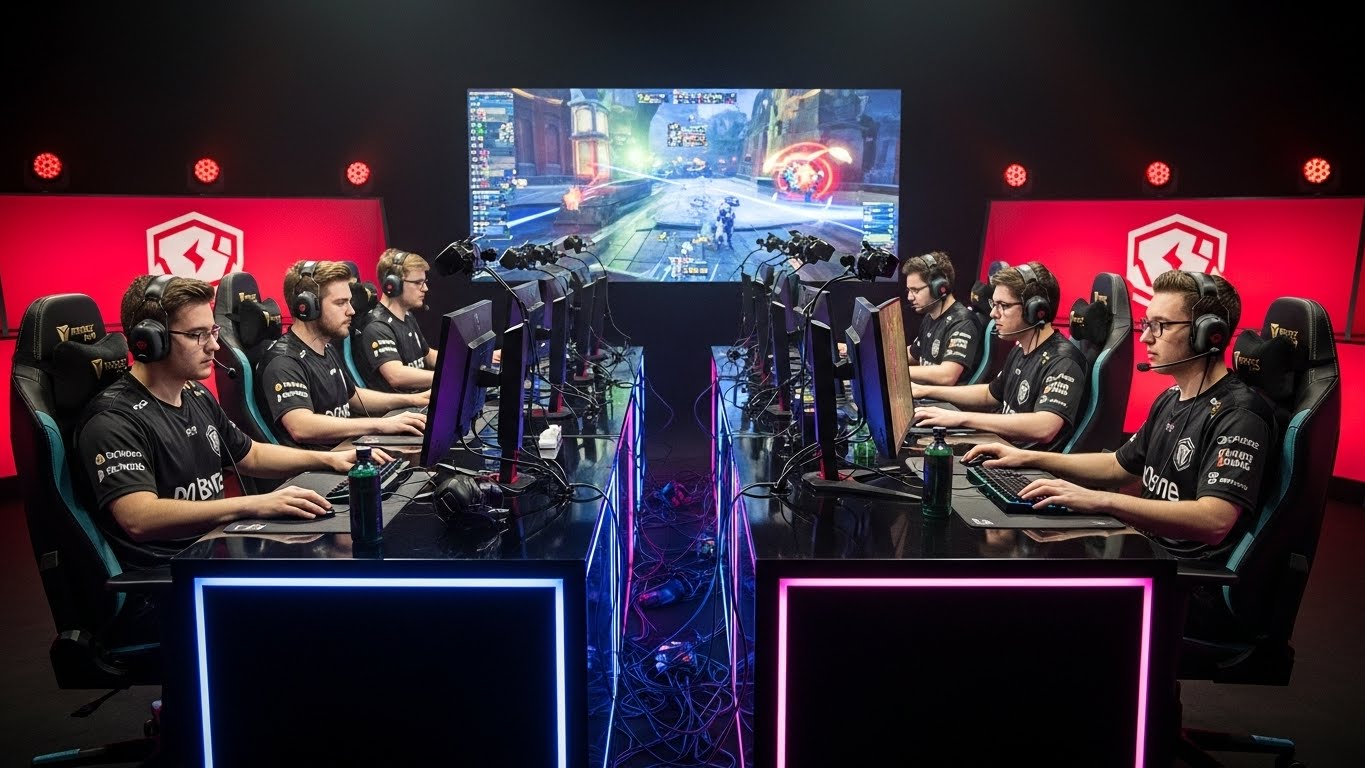
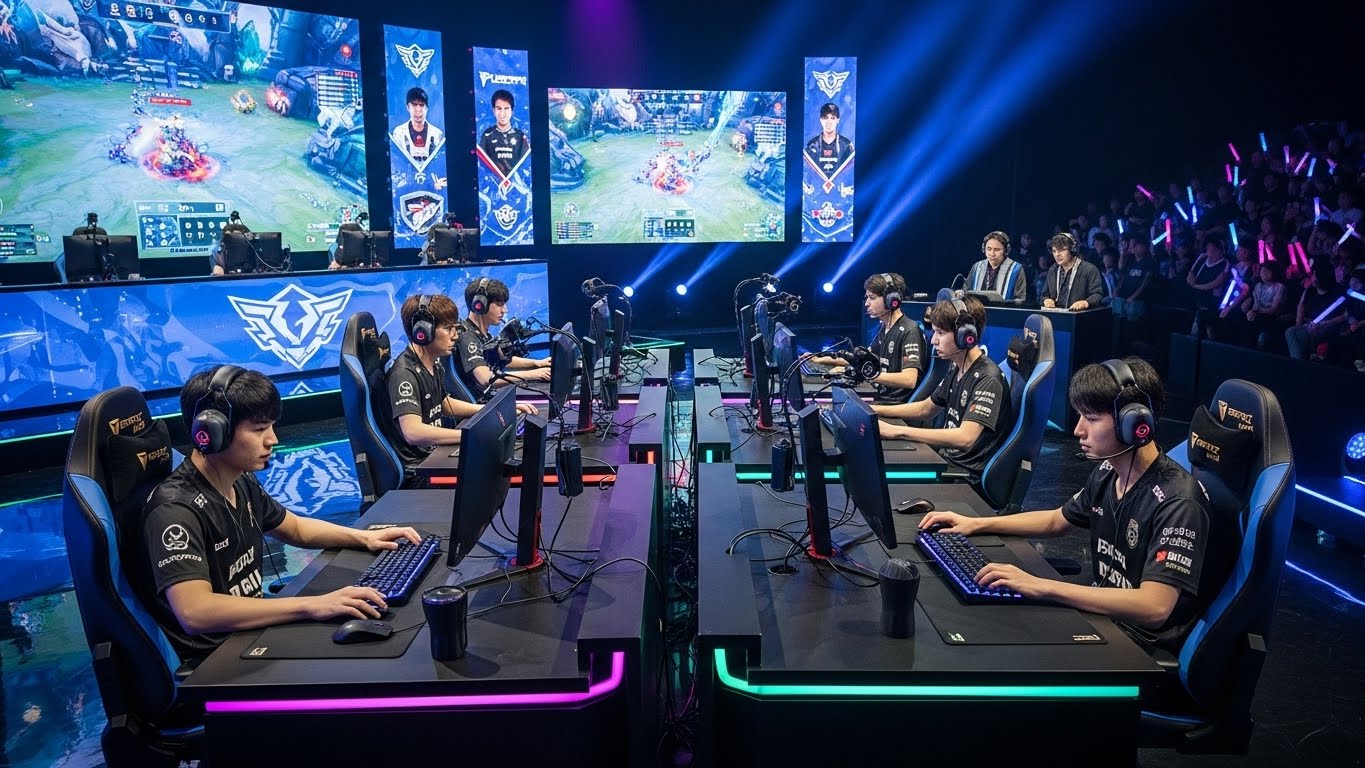
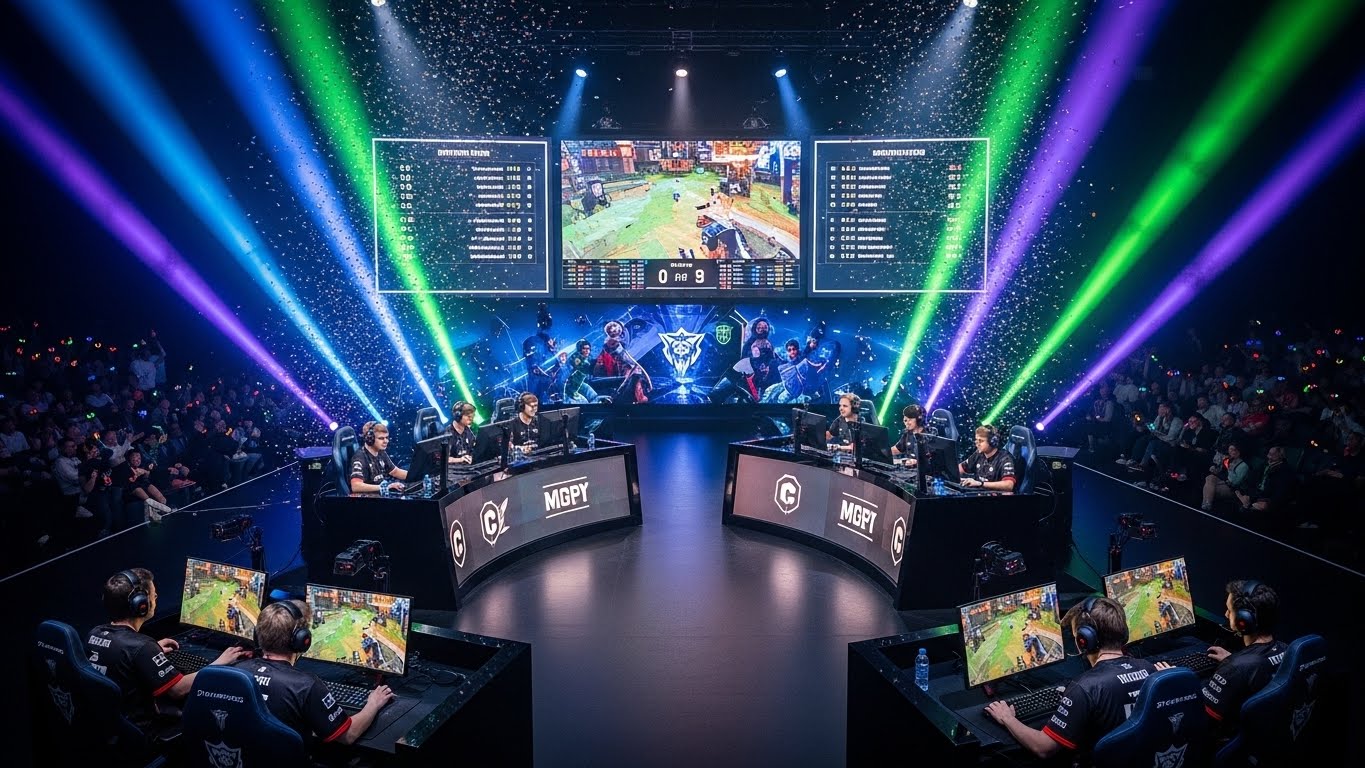
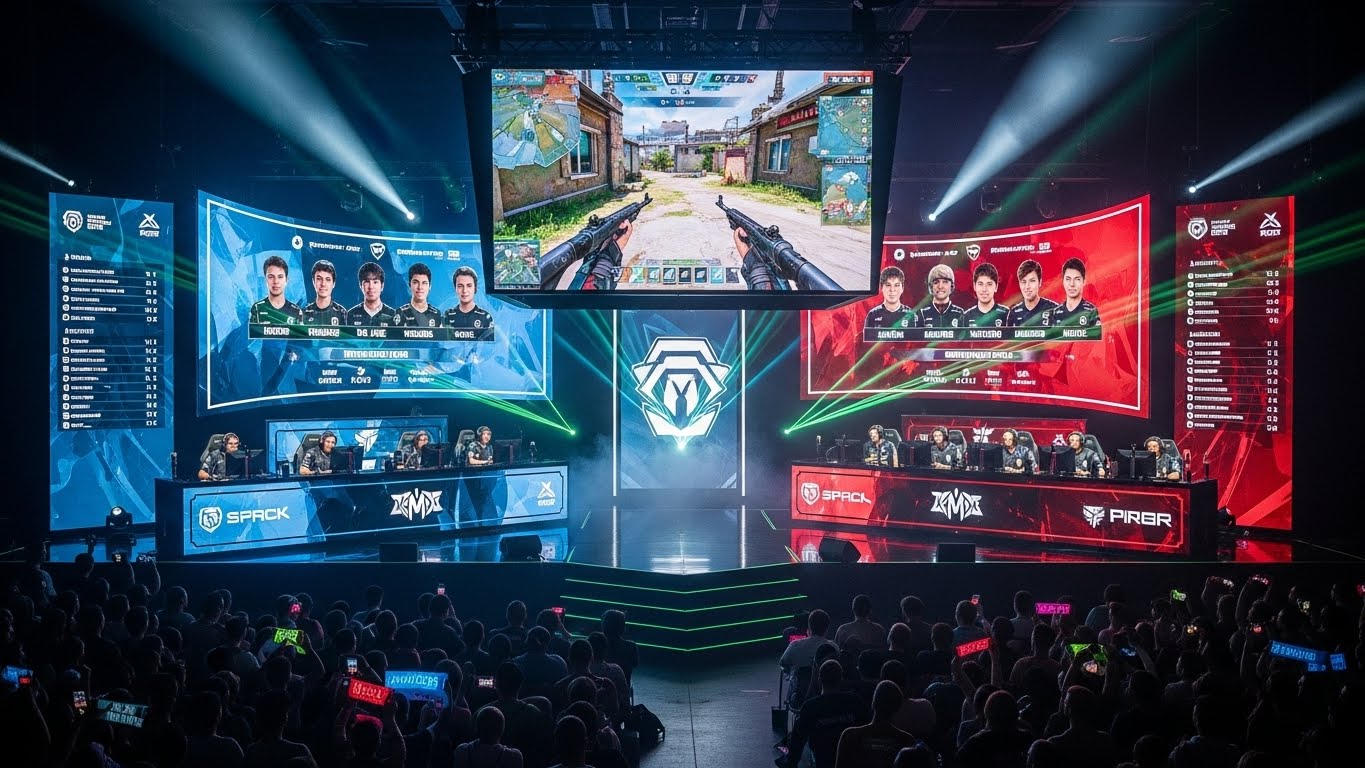
Esports, the world of competitive gaming, has quickly evolved from a niche activity into a global powerhouse. What was once a hobby for a select group of players has now become a multi-billion dollar industry that rivals traditional sports in viewership, revenue, and influence. Today, esports encompasses a vast array of games, from strategy-based titles like League of Legends and Dota 2 to fast-paced shooters like Counter-Strike: Global Offensive and Overwatch.
In this blog post, we’ll explore how esports has transformed from a subculture into a global entertainment phenomenon and what makes it so captivating for players, fans, and organizations alike.
The Early Days of Competitive Gaming
Esports may seem like a recent trend, but its roots trace back to the 1990s when competitive gaming began in earnest. The first known esports tournament took place in 1997, with the Red Annihilation tournament for Quake. This event, which attracted players from across the globe, helped lay the foundation for the world of esports as we know it today. As the internet and online multiplayer games grew in popularity, gaming communities began to form around specific titles, and competitive gaming was no longer confined to LAN (Local Area Network) parties or small-scale events.
By the early 2000s, competitive gaming was taking off with major tournaments like the World Cyber Games (WCG) and The Electronic Sports World Cup (ESWC). These early competitions provided a glimpse of esports’ potential as an organized, global event. As technology improved, so did the scope and scale of these events, helping set the stage for esports to become the global industry it is now.
Why Esports Is Growing at an Unprecedented Rate
So, what exactly has fueled the meteoric rise of esports in the past decade? Several key factors have played a role in propelling esports from a niche hobby to a mainstream spectacle.
The Power of Streaming
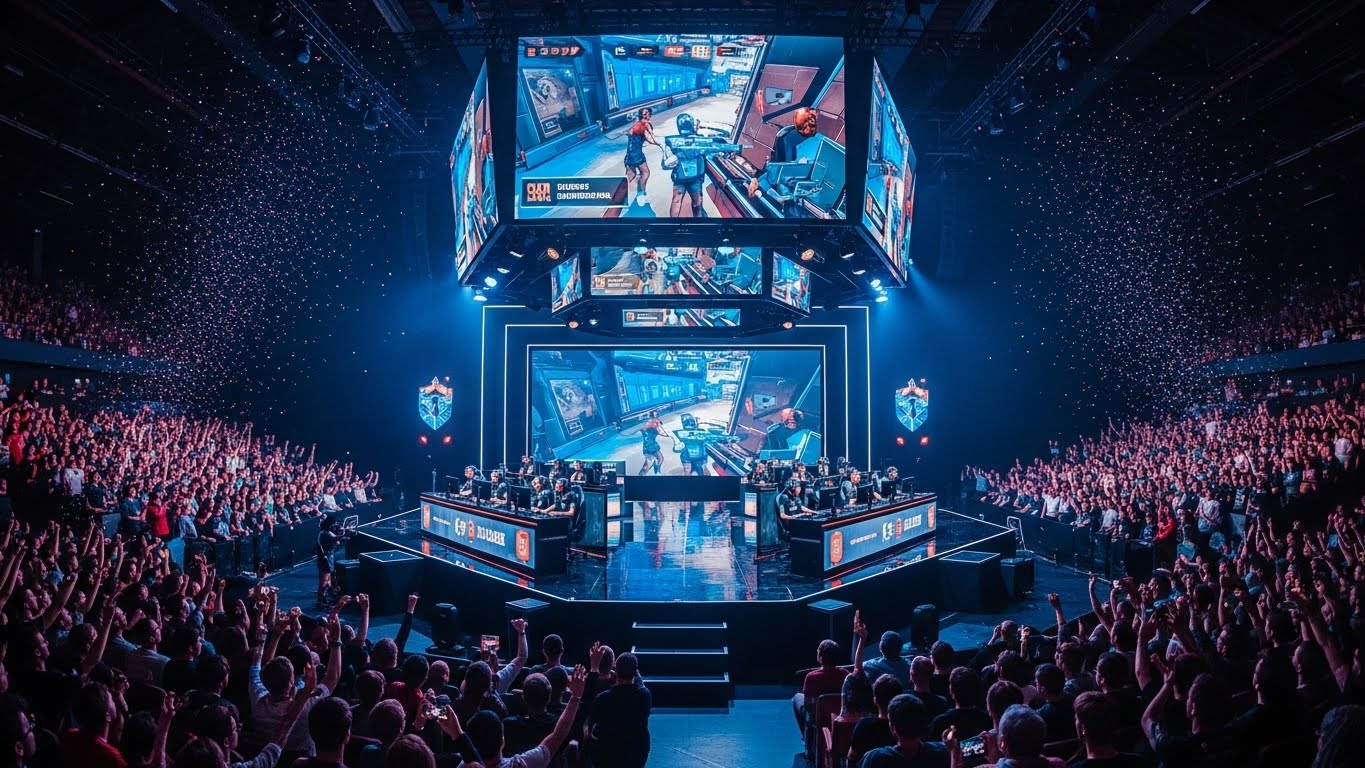
The advent of platforms like Twitch and YouTube Gaming has been a game-changer for esports. These platforms allow fans to watch live matches, engage with players, and experience the excitement of competitions in real time. Esports events, once confined to local arenas, are now streamed to millions of people worldwide, turning professional gamers into celebrities and creating massive, interactive fanbases.
The accessibility of these platforms has also allowed fans to interact with their favorite players directly, whether through live chat during streams or by following them on social media. This interaction has created a more personal connection between players and their fans, fueling the growth of esports as a spectator sport.
High-Level Skill and Thrilling Competition
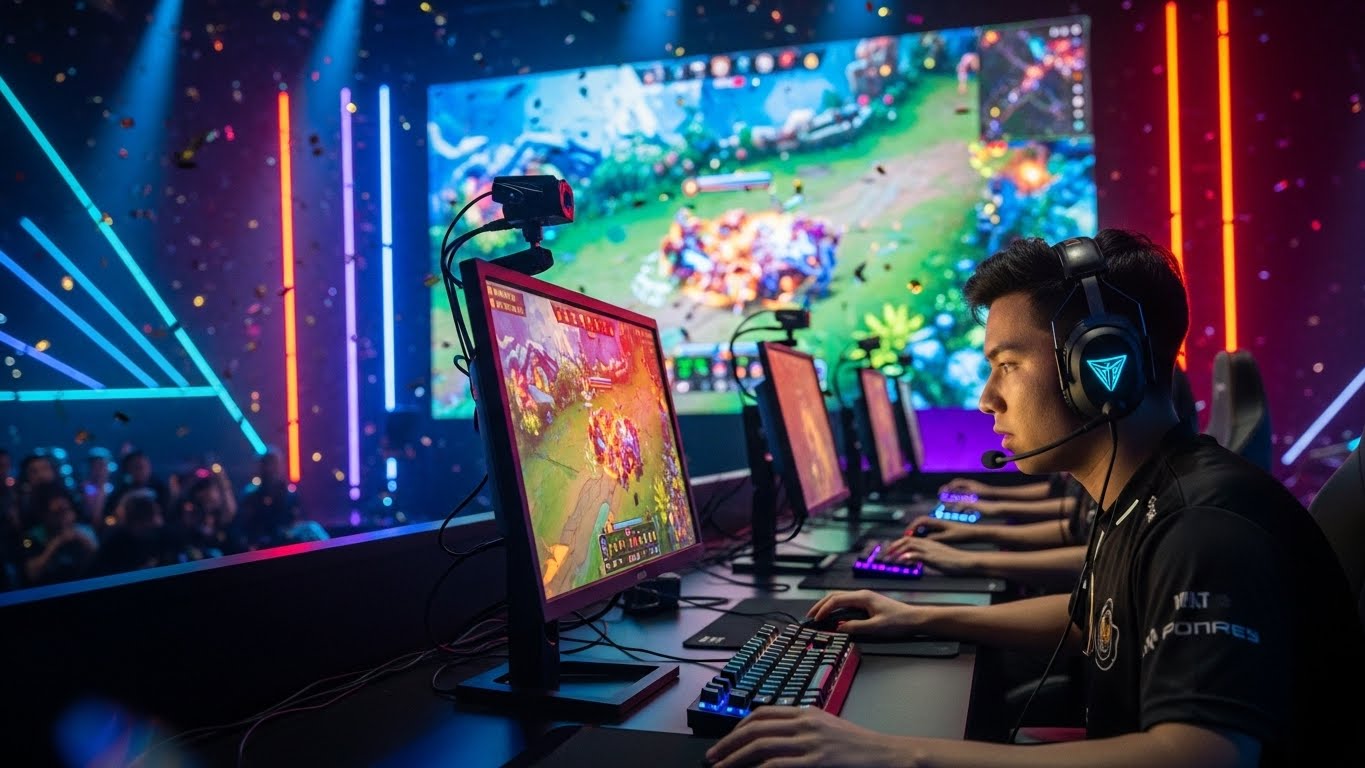
One of the most appealing aspects of esports is the high level of skill required to succeed. Professional players spend hours each day mastering their chosen games, practicing strategies, and refining their mechanics. Whether it’s executing a perfect team fight in League of Legends or pulling off a game-changing clutch in Counter-Strike, the intensity of the competition keeps viewers on the edge of their seats.
Esports offers the same thrill and excitement as traditional sports, with the added benefit of fast-paced, action-packed gameplay. The strategies are complex, the stakes are high, and the skill involved is impressive, making it a captivating spectacle for audiences both familiar and new to gaming.
Global Accessibility
Esports is unlike traditional sports in that it doesn’t require expensive equipment, physical prowess, or specific infrastructure. All you need to participate or watch is a computer, a gaming console, and an internet connection. This global accessibility has been a major factor in esports’ rise, allowing players from all corners of the world to compete in major tournaments. Whether you’re in a small town or a big city, esports provides equal opportunities for anyone to get involved.
Moreover, the online nature of esports allows players and fans from different countries and cultures to come together. Multiplayer games foster a global community where language barriers are often overcome by the shared love of the game. This worldwide reach makes esports an inclusive, diverse, and international phenomenon that appeals to a wide range of people.
The Business of Esports: Professional Teams, Sponsorships, and Investments
As esports continues to grow, so too does its economic impact. What was once a hobby for passionate gamers is now a multi-billion-dollar industry. Today, professional esports organizations function much like traditional sports teams, with established rosters, coaching staff, analysts, and sponsors.
Esports Teams and Organizations
Professional esports teams are an integral part of the esports ecosystem. These teams sign talented players who compete in major tournaments and leagues. Teams like Team Liquid, Cloud9, and FaZe Clan represent the pinnacle of competitive gaming, with their players competing in various games such as League of Legends, Valorant, Overwatch, and Fortnite.
These organizations also serve as business ventures, handling everything from sponsorships and marketing to player management and merchandise sales. Sponsorship deals from major brands, including technology giants, energy drink companies, and even car manufacturers, have become a significant source of revenue for esports teams and tournaments.
Prize Pools and Tournament Revenue
One of the key drivers of revenue in esports is the prize pools awarded at major tournaments. The Dota 2 International, for example, regularly boasts prize pools exceeding $30 million, making it one of the largest esports events in terms of financial reward. Prize money from tournaments is a major incentive for professional players, and it adds an element of excitement and prestige to the competition.
Moreover, esports tournaments generate revenue through ticket sales, broadcasting rights, and sponsorships. Some of the most significant esports events are broadcasted on mainstream sports networks, while streaming platforms like Twitch offer live coverage to millions of viewers worldwide.
Esports as a Career Path
Esports has not only created opportunities for players but also for coaches, analysts, and even content creators. The rise of esports as a legitimate career path has inspired young players to pursue their passion professionally, hoping to one day sign with a top-tier team or win a major championship.
In addition, the growth of streaming platforms has opened doors for content creators who can build their own brands and earn money through sponsorships, ads, and donations. Players who aren’t actively competing can still generate significant income through their live streams, providing more avenues for people to get involved in the esports ecosystem.
The Future of Esports: What’s Next?
Looking ahead, the future of esports seems brighter than ever. With a growing fanbase, increasing investments, and new technologies on the horizon, esports is poised for even more growth in the coming years. Let’s take a look at some of the trends shaping the future of competitive gaming.
Mobile Gaming and Esports
While PC and console gaming have dominated the esports landscape, mobile gaming is quickly becoming a key player in the industry. Games like PUBG Mobile and Free Fire have brought competitive gaming to mobile devices, attracting a new generation of players and viewers. As mobile gaming technology improves, we can expect to see more competitive mobile esports events with large-scale tournaments and sponsorships.
Virtual Reality and Augmented Reality Esports
Virtual reality (VR) and augmented reality (AR) have the potential to revolutionize esports. VR gaming allows for fully immersive experiences where players can physically interact with their environment, adding a new dimension to competitive gaming. Similarly, AR can enhance gameplay by overlaying virtual elements onto the real world, opening up innovative new forms of competition. While VR and AR are still in their infancy in esports, their potential is enormous, and it’s likely that we’ll see more integration in the years to come.
Esports and Mainstream Sports Integration
Esports and traditional sports are becoming increasingly intertwined. Many professional sports organizations, including the NBA, NFL, and European football clubs, have invested in esports teams or are hosting their own esports leagues. This integration will likely continue as both industries recognize the overlap in audience demographics and the potential for cross-promotion. Esports could even one day become part of the Olympic Games, further cementing its status as a global competitive force.
Conclusion: Esports – A New Era of Competition
Esports is not just a passing trend; it’s a new era of competition that’s changing the way we view sports, entertainment, and culture. With its rapid growth, high-level skill, global accessibility, and thriving business ecosystem, esports is reshaping the world of competition in ways we never imagined just a decade ago.
Whether you’re a passionate gamer, an esports fan, or someone who’s just beginning to discover the world of competitive gaming, one thing is clear: esports is here to stay. And as the industry continues to evolve, there’s no telling just how far it will go. What is certain is that esports will continue to redefine the future of digital competition for years to come.