clashcircle44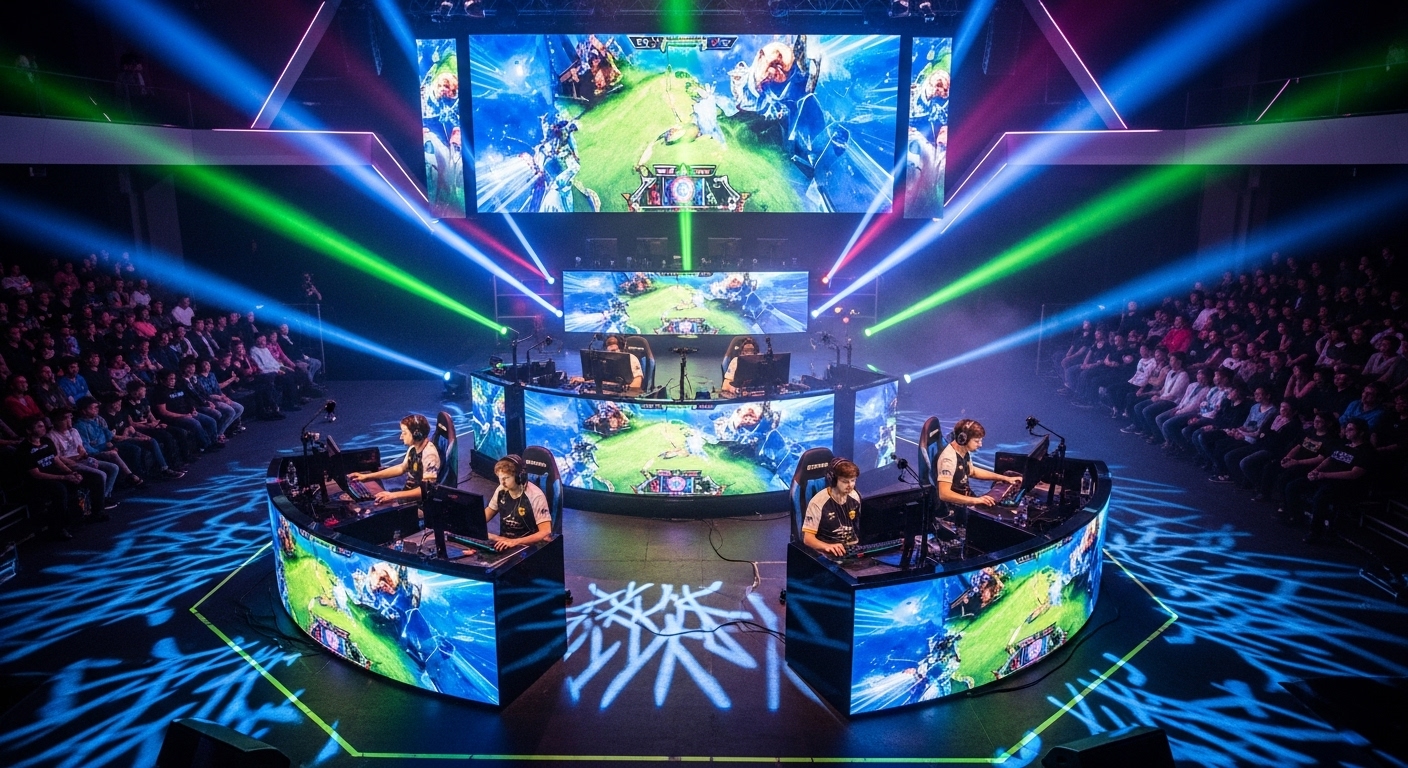
Esports has quickly risen from a niche hobby to a global powerhouse. With millions of players, fans, and spectators worldwide, competitive gaming has transformed into a cultural and economic force. Whether you’re a gamer, a fan, or a casual observer, esports has become an integral part of modern entertainment. But what makes esports so appealing, and how has it evolved into one of the most watched and lucrative industries on the planet? Let’s dive into the world of esports, its explosive growth, and what the future holds for competitive gaming.
The Birth of Esports: From Casual Gaming to Global Competitions
Esports refers to organized, multiplayer video game competitions, especially between professional players or teams. The term “esports” has become synonymous with high-level, competitive gaming, but its roots trace back to the early days of gaming. Competitions around games like Street Fighter, Quake, and StarCraft existed in small forms even in the 1990s, though these early tournaments were relatively obscure compared to today’s massive events.
The rise of the internet, the advent of multiplayer games, and the accessibility of streaming platforms like Twitch in the 2010s led to a rapid transformation. What was once a grassroots, underground culture blossomed into something that captured the attention of millions. Esports grew from small local tournaments to grand events with worldwide appeal, supported by sponsors, media coverage, and professional organizations. What started as a hobby for many is now a full-fledged industry, with opportunities for players to make careers, and a global fanbase that tunes in to watch these digital athletes compete at the highest level.
The Big Players: Games and Tournaments Driving Esports
Esports spans a wide variety of genres, including first-person shooters (FPS), multiplayer online battle arenas (MOBA), and real-time strategy games (RTS). Among the most prominent titles in esports are League of Legends, Dota 2, Counter-Strike: Global Offensive, Fortnite, and Overwatch. These games offer a mix of intense competition, strategic depth, and a high skill ceiling, which keeps both players and viewers hooked.
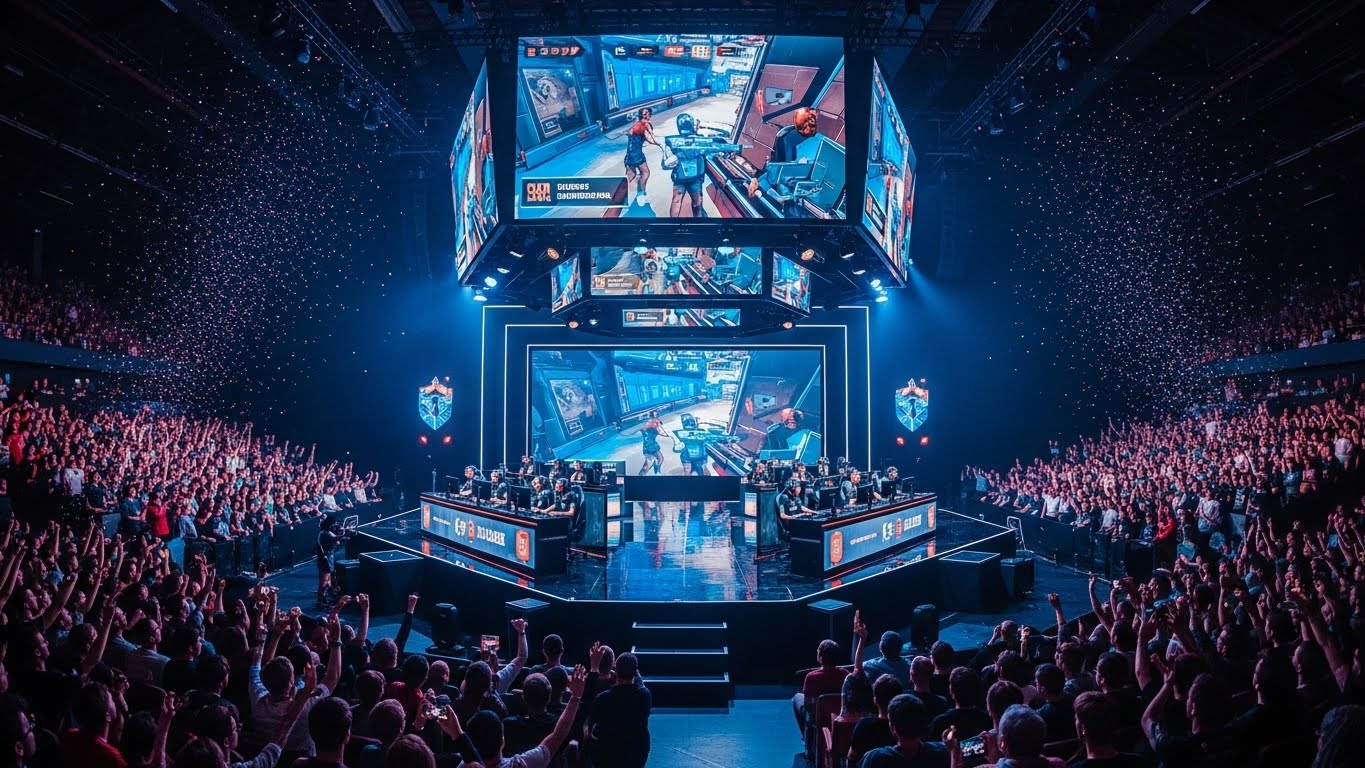
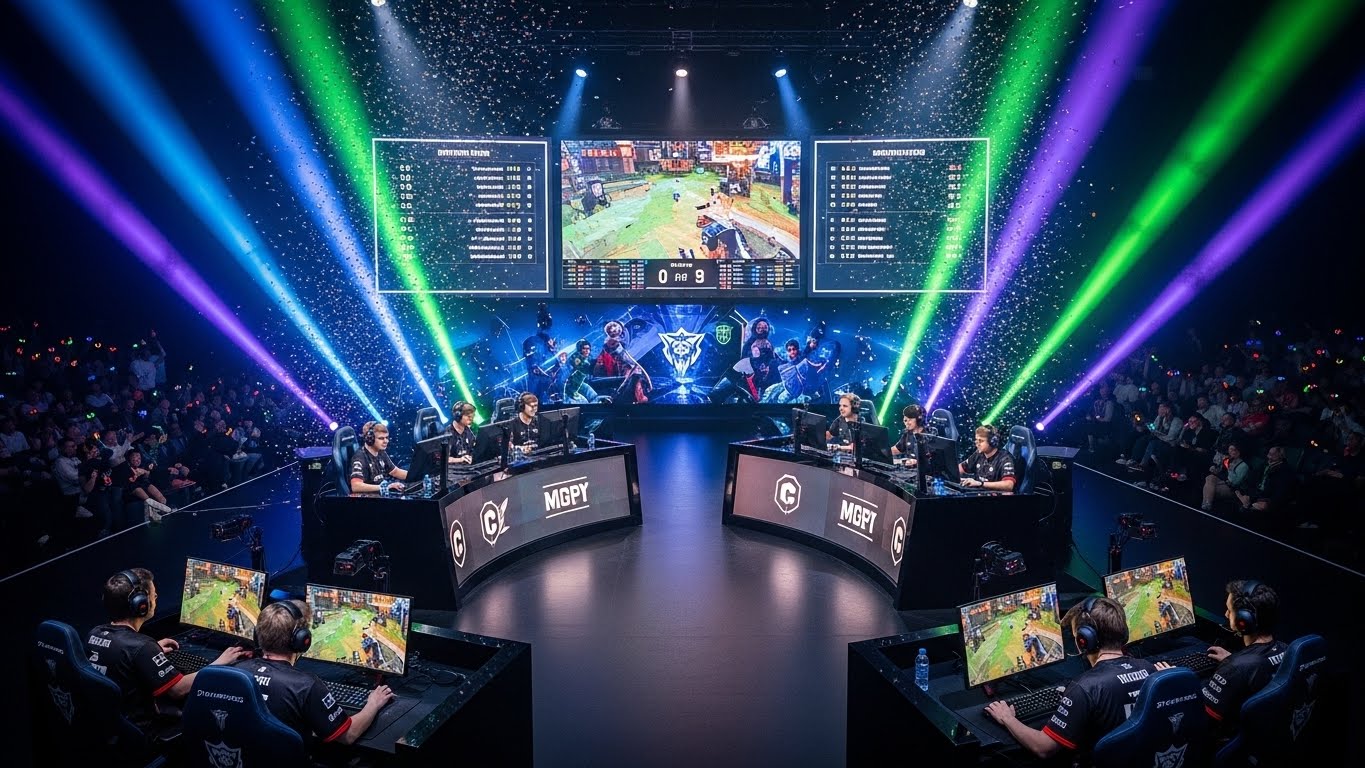
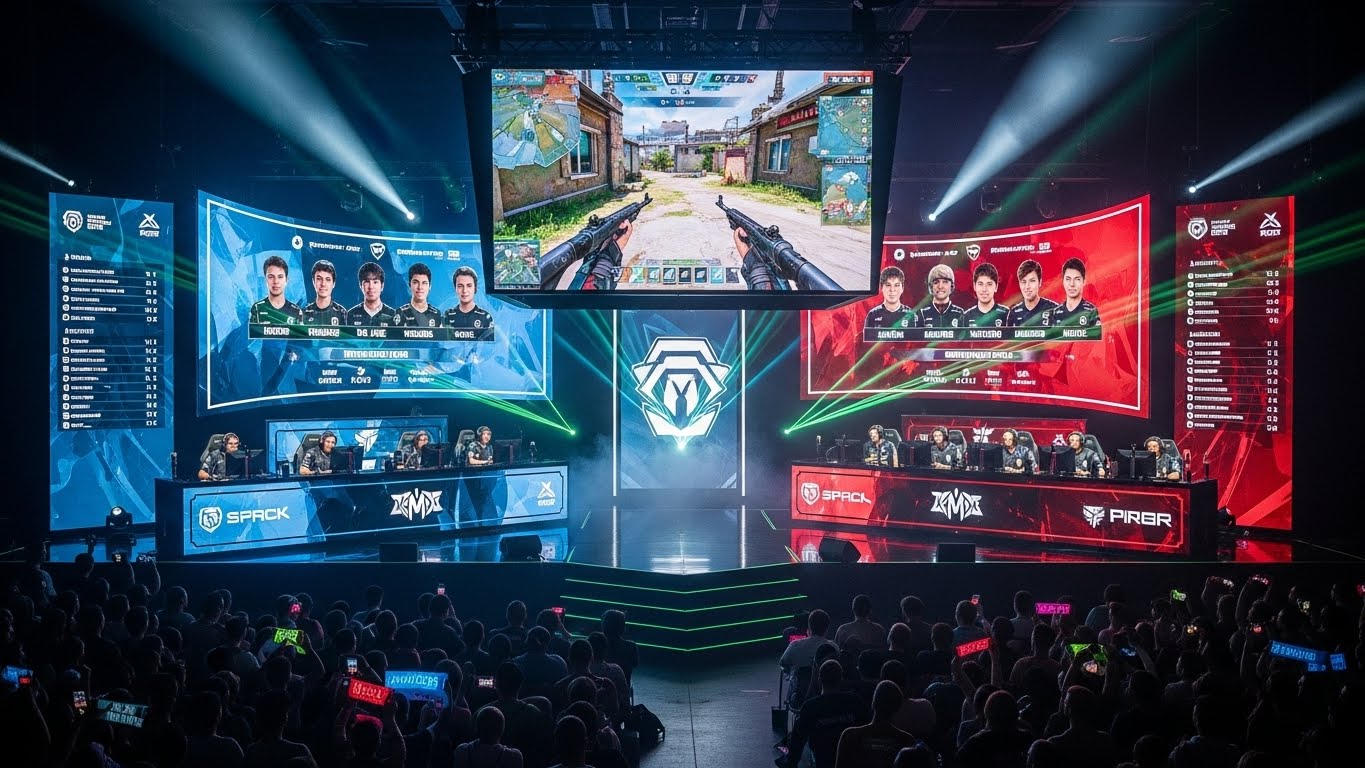
The scale of esports tournaments is impressive, with global events such as The International (for Dota 2), the League of Legends World Championship, and the CS:GO Major Championships attracting millions of viewers and offering prize pools that often exceed millions of dollars. In fact, The International has set records with its crowdfunded prize pool, reaching over $40 million in 2021. These events are held in iconic arenas and streamed globally, with millions of fans watching live broadcasts on platforms like Twitch and YouTube Gaming.
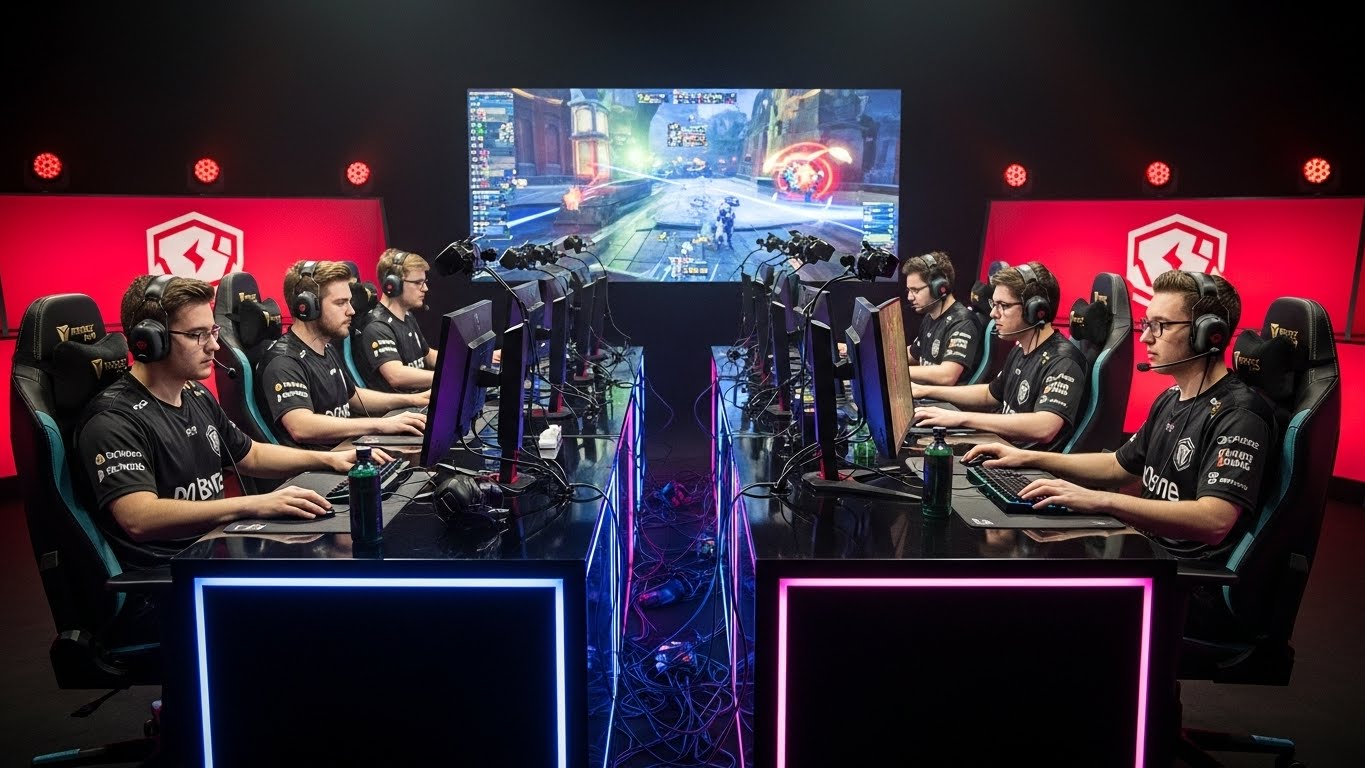
The organization of esports has become as professional as traditional sports. Teams and players are signed to multi-year contracts, receive sponsorships, and train rigorously under coaches and analysts to stay at the top of their game. With esports organizations like Cloud9, Team Liquid, and FaZe Clan leading the charge, the level of professionalism has helped legitimize competitive gaming as a serious career path.
The Spectator Experience: Why People Watch Esports
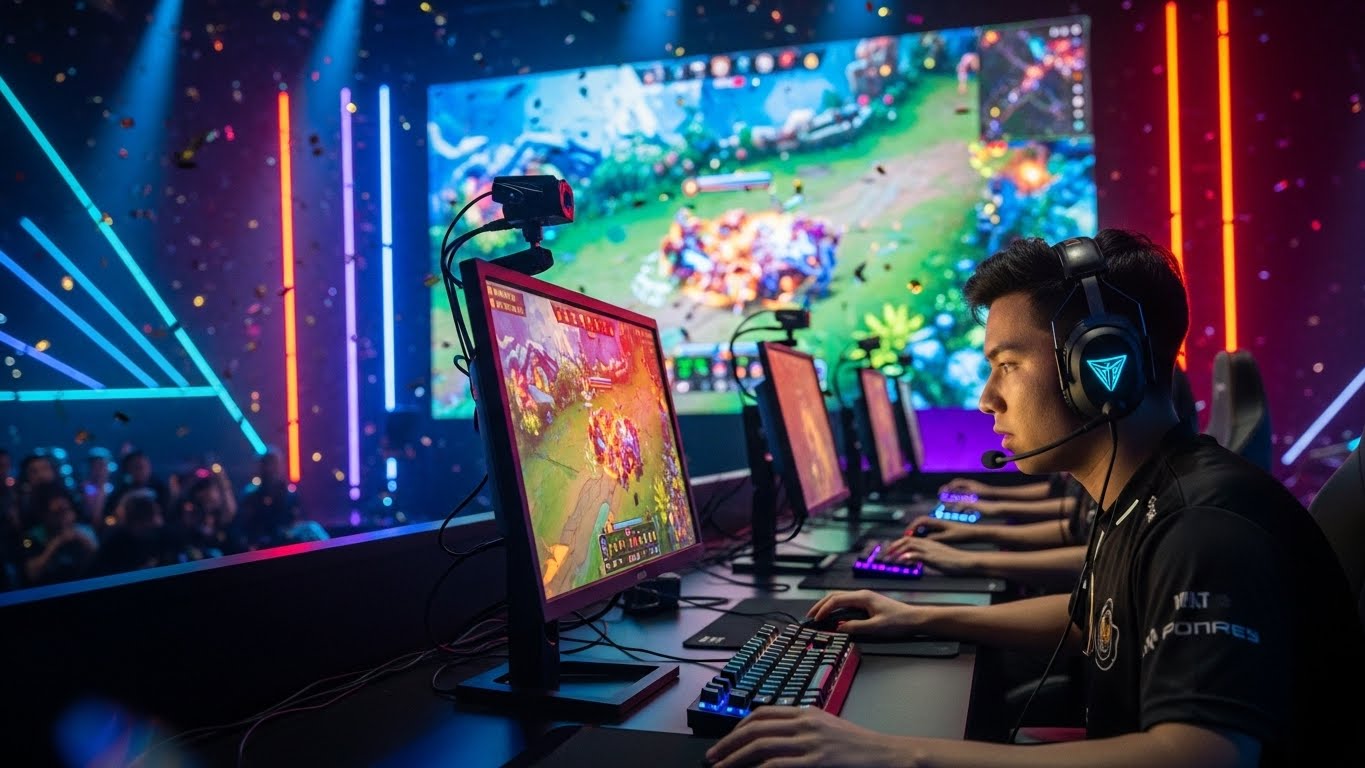
Esports is not just about playing the games; it’s about watching them, too. In fact, one of the key factors in the success of esports has been its ability to engage audiences on a massive scale. The experience of watching a high-level esports competition is both thrilling and immersive. Fans can follow teams and players, analyze strategies, and witness incredible moments in real-time.
The rise of streaming platforms like Twitch has made watching esports more accessible than ever. On Twitch, viewers can tune in to watch live matches, interact with players through live chats, and join a community of like-minded fans. This interaction between players and fans is a unique aspect of esports, allowing viewers to feel connected to the players, much like they would with their favorite traditional sports teams. The accessibility of these streams also plays a significant role in making esports a truly global event, with fans tuning in from all corners of the world, regardless of time zone.
Esports also offers content beyond just live matches. Many players and teams have YouTube channels or streams where they offer tutorials, play casual games, or share behind-the-scenes footage of their daily lives. This connection between the players and their fans creates a deeper sense of community and loyalty.
The Economic Impact of Esports: A Billion-Dollar Industry
Esports has become one of the fastest-growing industries in the world. According to industry reports, esports’ global revenue is projected to exceed $1.6 billion in 2024, driven by a combination of sponsorships, media rights, advertising, merchandise sales, and ticketing. With the rise of esports, traditional sports organizations and major global brands have also entered the fray, recognizing the economic potential of the industry.
Sponsorships play a significant role in the financial success of esports. Companies ranging from tech giants like Intel and NVIDIA to energy drink brands like Red Bull have all invested heavily in esports, both as sponsors and as advertisers. These partnerships not only boost the financial stability of esports organizations but also help elevate the visibility of the industry to new audiences.
The sheer amount of money in esports has also opened up new career paths. Beyond professional players, there are opportunities for coaches, analysts, content creators, streamers, event organizers, and even business development professionals. Esports has become a thriving ecosystem that supports a wide range of jobs, many of which didn’t exist a decade ago.
The Challenges Esports Faces
Despite its rapid rise, esports is not without its challenges. One of the most pressing issues facing the industry is the mental and physical health of professional players. Many players compete under immense pressure, and the long hours of practice and competition can lead to burnout, stress, and other mental health issues. In some cases, players may struggle with physical ailments, such as carpal tunnel syndrome or eye strain, due to the sheer amount of time spent gaming.
Furthermore, issues related to toxicity within the esports community continue to persist. While many tournament organizers and gaming companies have taken steps to combat cheating, harassment, and unsportsmanlike behavior, these challenges remain an ongoing concern. As esports grows in popularity, it will be essential for the community to focus on creating a positive, inclusive environment where players and fans alike can thrive.
Another concern is the need for regulation and oversight in the industry. As esports continues to attract more investment and become more professional, ensuring fair play, protecting players’ rights, and maintaining the integrity of competitions will become increasingly important.
The Future of Esports: What Lies Ahead?
The future of esports looks promising. As technology continues to advance, we may see innovations such as virtual reality (VR) and augmented reality (AR) change the way fans interact with esports events. Imagine being able to experience a League of Legends match from the perspective of a player or feeling as if you are sitting in the arena watching a Fortnite tournament in real-time. These technologies could further immerse fans and redefine what it means to be an esports spectator.
Moreover, the rise of mobile gaming opens up new opportunities for esports to reach a broader audience. Titles like PUBG Mobile and Call of Duty: Mobile have demonstrated that mobile esports can be just as competitive and engaging as their PC or console counterparts. This accessibility means that esports could continue to grow in regions where gaming PCs and consoles are not as widely available, such as in parts of Southeast Asia, Africa, and Latin America.
Esports could also become more integrated with traditional sports. As we’ve already seen with the Asian Games introducing esports as a demonstration sport, there is growing momentum for esports to be included in major global sporting events. This could help raise the profile of esports even further, bringing it into the mainstream and solidifying its place as a legitimate sport.
Conclusion: The Unstoppable Growth of Esports
Esports is no longer just a hobby—it’s a global movement that is reshaping the way we think about competition, entertainment, and sports. From its humble beginnings to becoming a billion-dollar industry, esports has proven its staying power and its potential for growth. With its professional leagues, massive tournaments, and dedicated fanbase, esports has created an exciting new frontier for the future of entertainment.
Whether you’re a casual gamer, an aspiring professional, or just someone who enjoys watching high-level competition, esports offers a dynamic and thrilling experience. As the industry continues to evolve, there’s no telling how far esports can go. One thing is certain, though: esports is here to stay, and it will only continue to grow in influence and popularity.