clashcircle44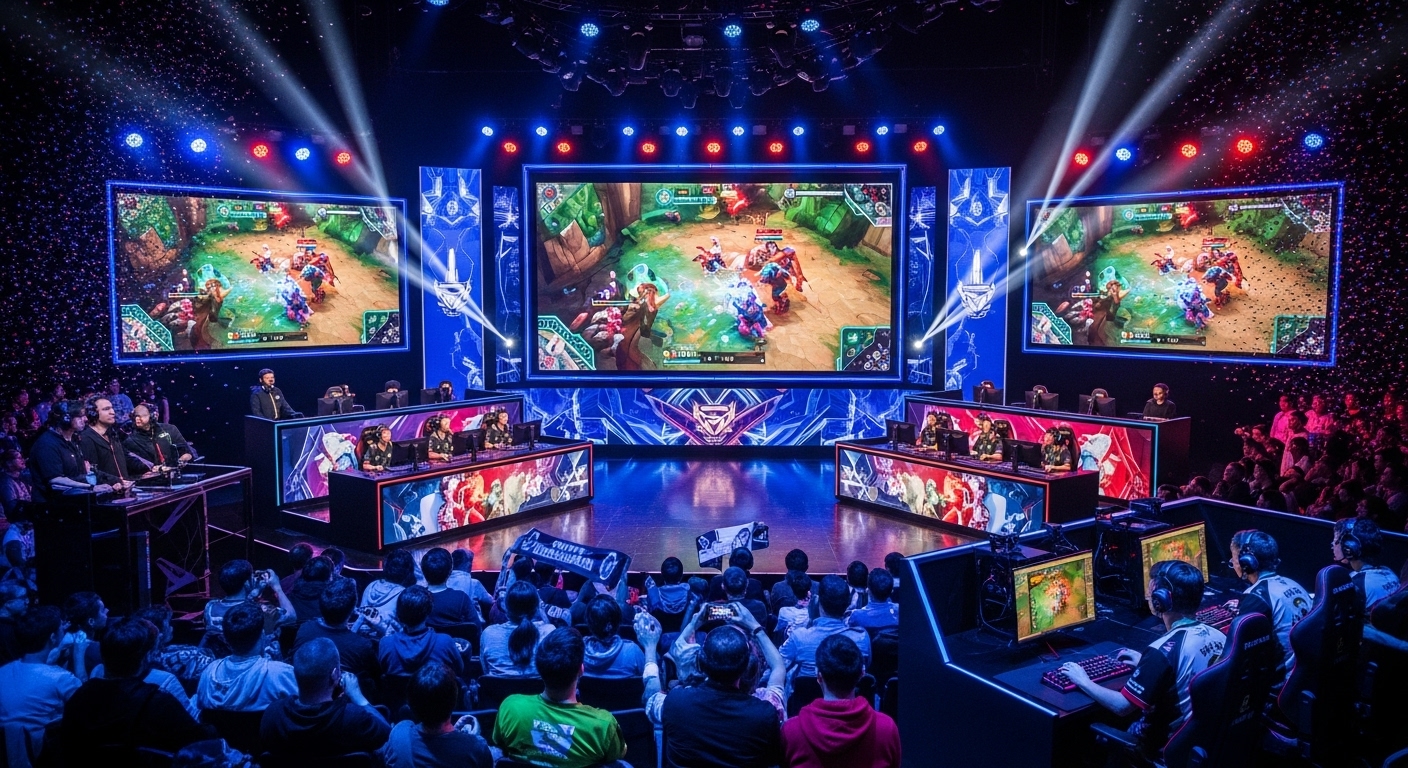
Esports, or competitive gaming, has become one of the fastest-growing entertainment industries in the world. What once began as casual gaming among friends has now evolved into a global phenomenon, with professional players, million-dollar tournaments, and audiences that rival traditional sports. Esports is more than just playing video games; it represents a fusion of skill, strategy, teamwork, and technology. This blog explores the evolution of esports, its impact on society, the challenges it faces, and the future of this rapidly expanding industry.
The Early Days of Competitive Gaming
Competitive gaming has roots that go back decades. In the 1970s and 1980s, arcade machines were the hub of informal competitions. Players competed for high scores in games like Pac-Man, Space Invaders, and Donkey Kong. Although these events were simple compared to modern esports, they established the notion that video games could be more than casual entertainment—they could be a test of skill.
With the rise of personal computers and gaming consoles in the 1980s and 1990s, multiplayer gaming became more widespread. Titles such as Street Fighter, Warcraft, and Counter-Strike introduced competitive mechanics that encouraged players to challenge one another. Small tournaments emerged, often organized by local gaming communities or fan clubs, laying the foundation for professional competitive gaming.
The Impact of the Internet
The internet revolutionized competitive gaming in the late 1990s. Online multiplayer games allowed players from around the world to connect, compete, and communicate. Games like StarCraft, Counter-Strike, and DotA fostered global communities and created competitive ecosystems that transcended borders.
Online platforms enabled players to share strategies, organize tournaments, and build fan followings. The digital connectivity of gaming communities allowed esports to grow beyond regional competitions into a truly international phenomenon. This period marked the start of esports as a global industry.
Professionalization of Esports
By the mid-2000s, esports had moved from hobbyist competitions to professional leagues. South Korea became a pioneer in the industry, particularly with professional StarCraft tournaments that attracted large television audiences. Players became celebrities, and teams developed structured training schedules, coaching staff, and analysts to improve performance.
Major sponsors, including technology companies and energy drink brands, supported these professional organizations. Prize pools grew significantly, making competitive gaming a viable career path. The professionalization of esports demonstrated that gaming could offer long-term opportunities, comparable to traditional sports careers.
Popular Esports Genres and Titles
Esports encompasses a variety of game genres, each attracting unique audiences. Multiplayer Online Battle Arenas (MOBAs) such as League of Legends and Dota 2 require strategy, teamwork, and quick decision-making. First-Person Shooters (FPS) like Counter-Strike: Global Offensive and Call of Duty focus on reflexes, precision, and tactical execution.
Fighting games, including Street Fighter and Tekken, offer intense one-on-one competition, while real-time strategy games like StarCraft II test players’ planning and resource management skills. Sports simulations such as FIFA and NBA 2K replicate real-world athletic competitions. This variety ensures that esports appeals to a broad audience, creating multiple competitive ecosystems simultaneously.
Major Tournaments and Global Recognition
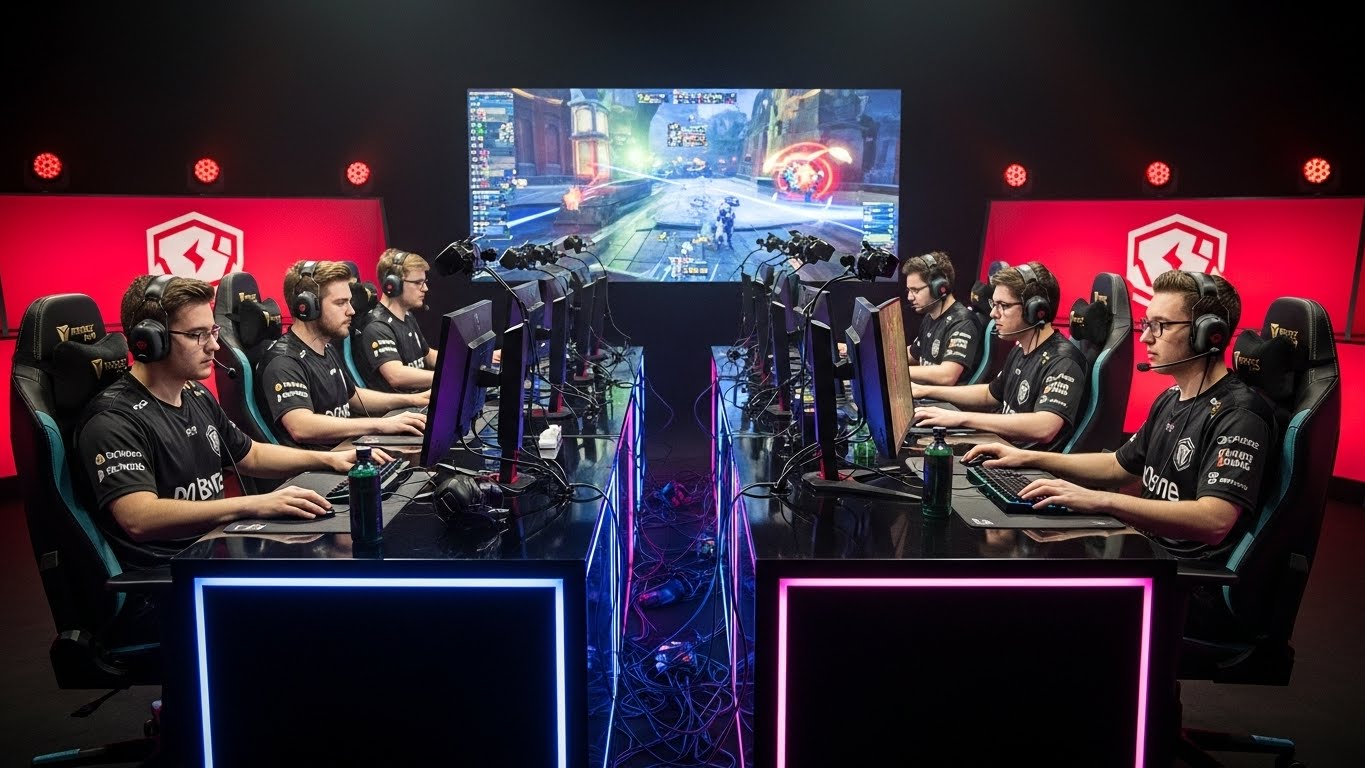
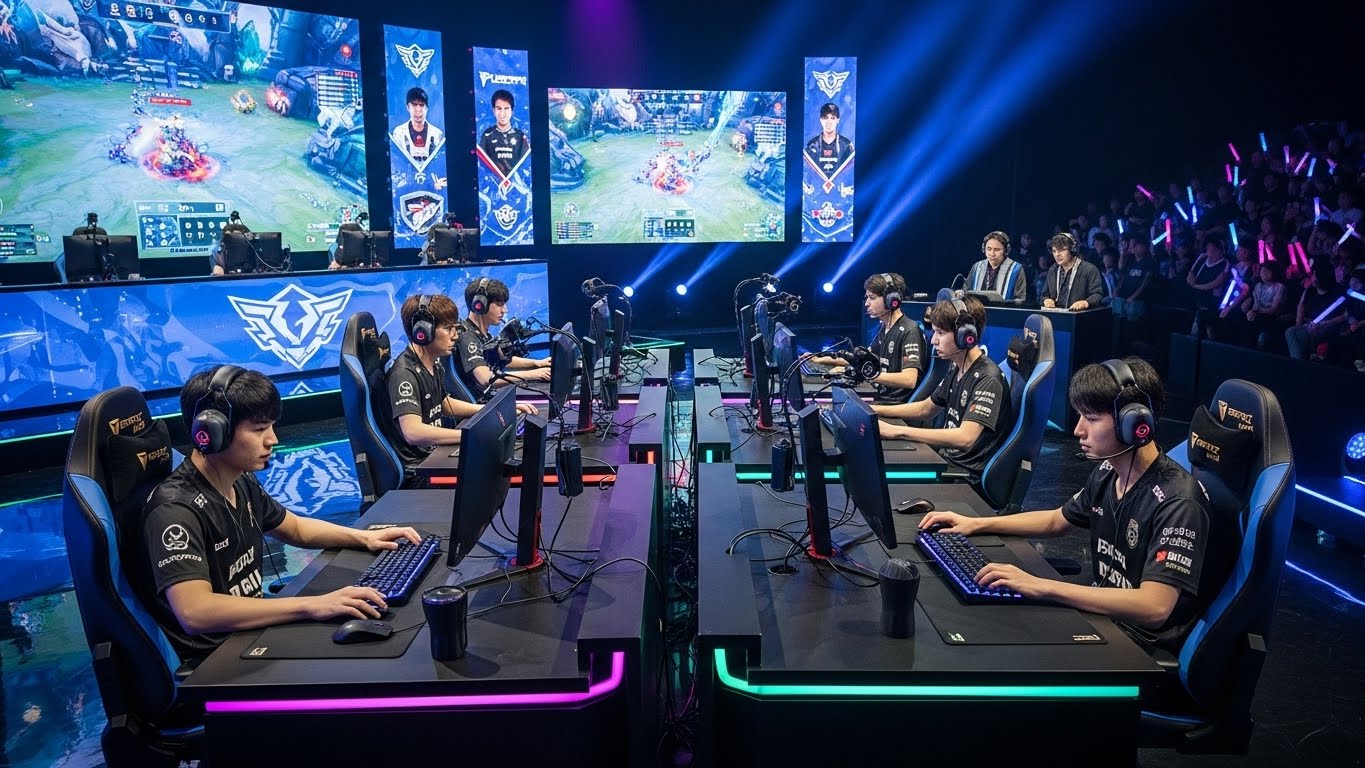
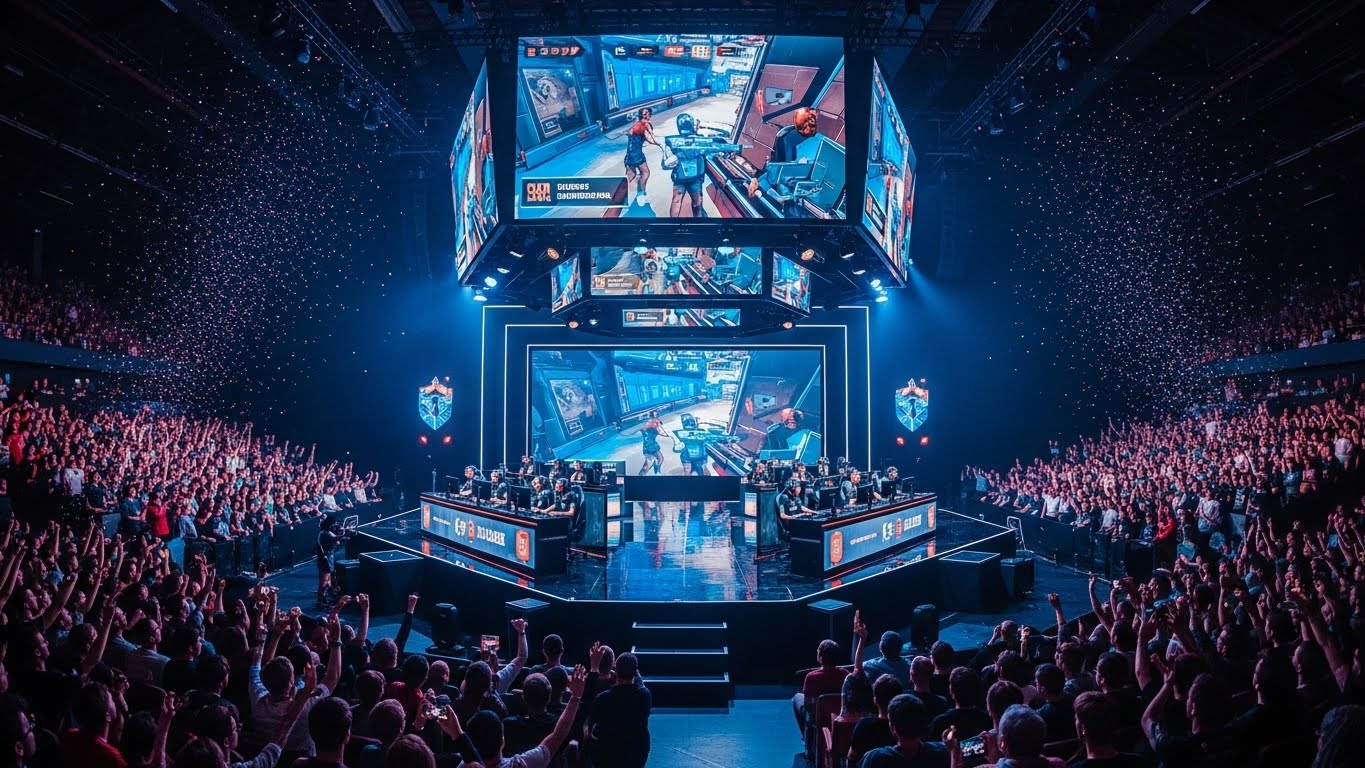
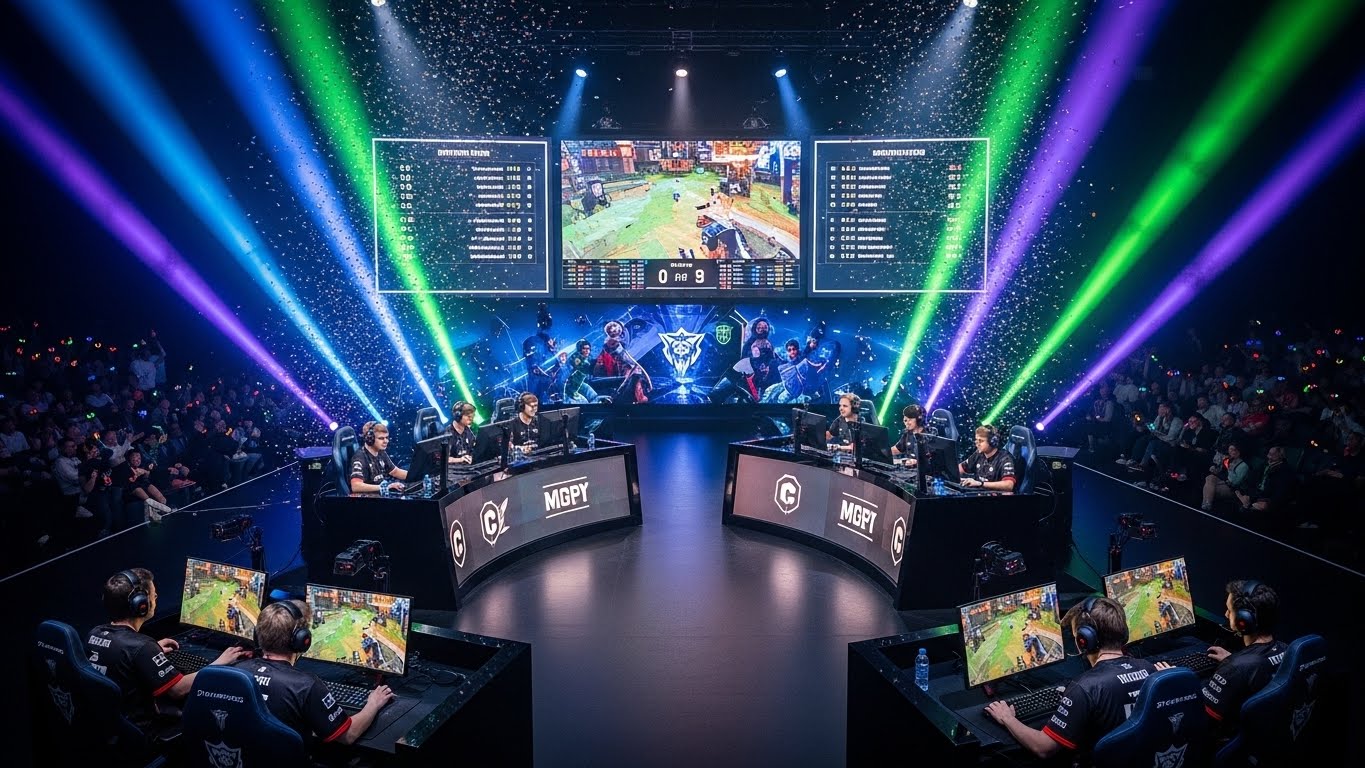
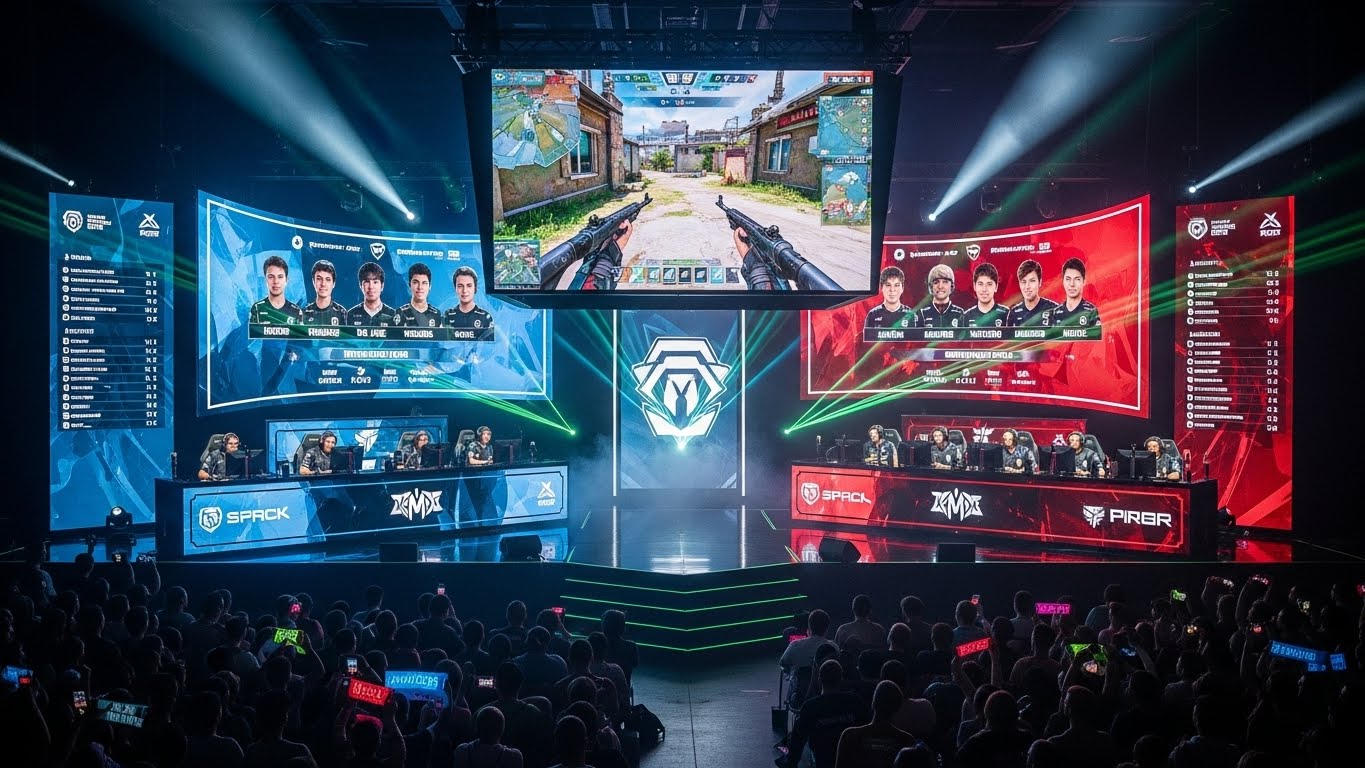
Tournaments are the lifeblood of esports. Events such as The International for Dota 2, the League of Legends World Championship, and CS:GO Majors attract millions of online viewers and fill stadiums with fans. Prize pools now reach tens of millions of dollars, reflecting the industry’s legitimacy and global appeal.
Streaming platforms have been instrumental in esports’ growth. Millions of fans watch tournaments live, interact with commentators, and engage with communities in real-time. This accessibility has turned esports into a spectator sport, combining the excitement of competition with the interactivity of digital platforms.
Careers in Esports
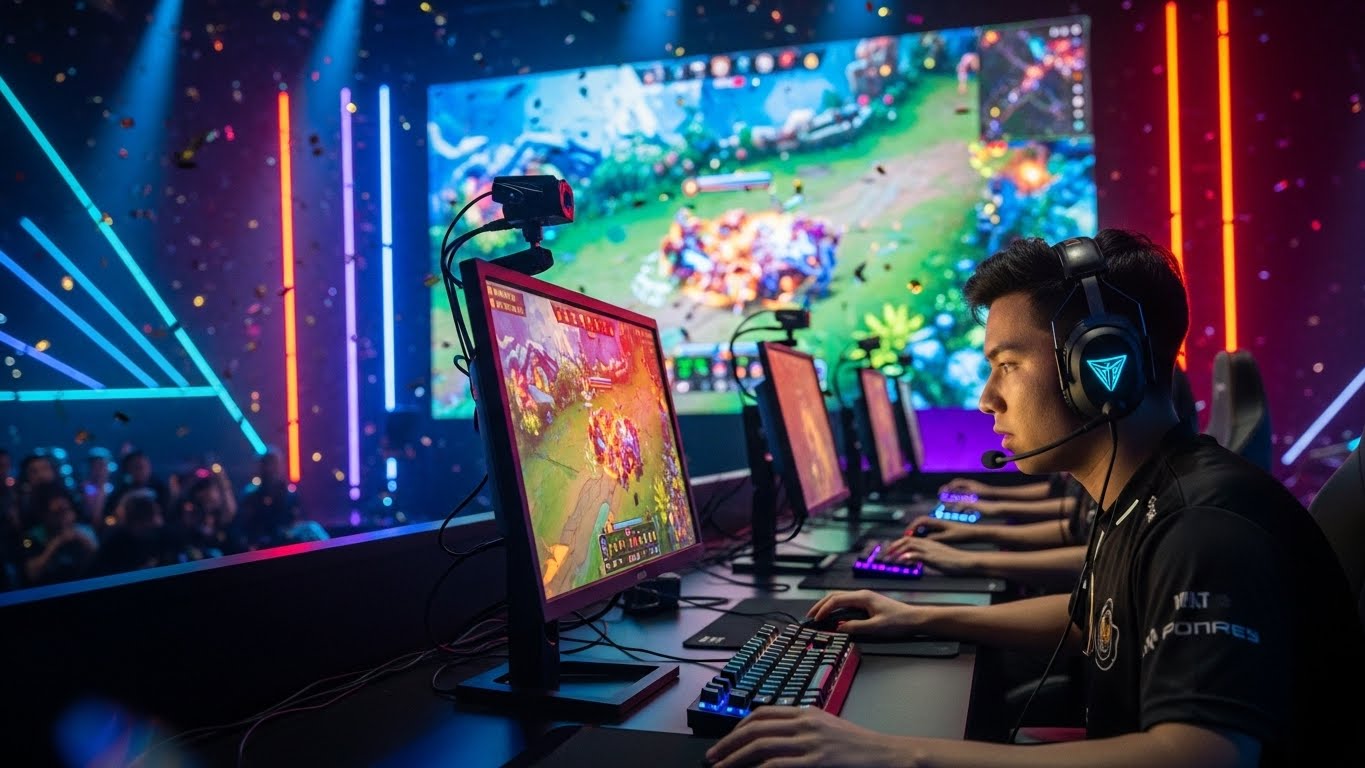
Esports offers a wide range of career opportunities. Professional players earn salaries, sponsorships, and tournament winnings. Coaches and analysts study strategies and player performance, ensuring teams remain competitive. Event organizers, journalists, commentators, and content creators all contribute to the industry’s ecosystem.
Content creation has become particularly significant. Streamers engage audiences, build personal brands, and create entertainment beyond competitive play. Universities are recognizing esports academically, offering scholarships, courses, and teams that rival traditional athletic programs. This demonstrates esports’ increasing legitimacy as a career and cultural phenomenon.
The Role of Streaming and Content Creation
Streaming platforms such as Twitch and YouTube Gaming have transformed esports into an interactive experience. Viewers can watch live matches, follow their favorite players, and learn strategies. Streamers often serve as ambassadors for games, expanding their reach and introducing new audiences to competitive play.
Content creation also allows players to supplement their income while building personal brands. Many professional players stream practice sessions, behind-the-scenes content, or casual gameplay, creating a deeper connection with their fanbase. This synergy between streaming and esports tournaments strengthens the industry as a whole.
Esports and Traditional Sports
Esports is increasingly recognized alongside traditional sports. Major sports organizations now invest in esports teams, and some universities offer esports scholarships alongside conventional athletics. While esports is digital, it requires mental agility, strategy, endurance, and teamwork—skills often associated with physical sports.
The rise of esports challenges conventional notions of athleticism. It proves that competition, skill, and dedication are not confined to physical arenas. Professional esports players train rigorously, analyze opponents, and develop strategies similar to athletes in traditional sports. This convergence has helped esports gain mainstream acceptance.
Social and Cultural Impact of Esports
Esports is more than a competitive platform; it is a cultural movement. It unites people across regions, languages, and backgrounds. Online communities offer social interaction, collaboration, and identity formation. For many players and fans, esports provides a sense of belonging and purpose.
The culture of esports extends beyond games into fashion, music, and lifestyle. Fans wear jerseys, follow players on social media, and attend live events. Esports has created its own global culture, blending digital interaction with entertainment and community-building.
Challenges Facing the Industry
Despite rapid growth, esports faces several challenges. Player health and wellness are critical issues, as long hours of practice and high-pressure tournaments can lead to burnout and physical strain. Organizations are increasingly focusing on mental health support, balanced schedules, and wellness programs.
Online competition also brings risks such as cheating, harassment, and toxic behavior. Developing fair play policies, moderation systems, and ethical guidelines is essential for sustainable growth. Addressing these challenges is vital to ensure esports remains a safe, competitive, and inclusive environment.
The Future of Esports
The future of esports is promising. Emerging technologies such as virtual reality, augmented reality, and artificial intelligence are expected to enhance gameplay, training, and viewer experiences. Mobile esports is rapidly expanding, making competitive gaming accessible to wider audiences, particularly in regions with high mobile adoption.
Esports is likely to integrate further with mainstream entertainment, drawing more sponsorships, media coverage, and collaborations with traditional sports. Professionalization, inclusivity, and innovation will define the next era of esports, providing opportunities for players, fans, and organizations globally.
Conclusion
Esports has evolved from small arcade competitions into a billion-dollar global industry. It represents the convergence of technology, competition, and culture, creating a new form of entertainment that is participatory, interactive, and community-driven.
The rise of esports reflects broader societal changes, including the digitalization of leisure, the growth of online communities, and the recognition of virtual skill as legitimate competition. While challenges remain, the industry’s rapid expansion and mainstream recognition indicate a vibrant future.
Ultimately, esports is more than gaming. It is a testament to human creativity, strategy, and collaboration in the digital age. It redefines competition, connection, and achievement, proving that the digital arena can have a lasting impact on the real world.