clashcircle44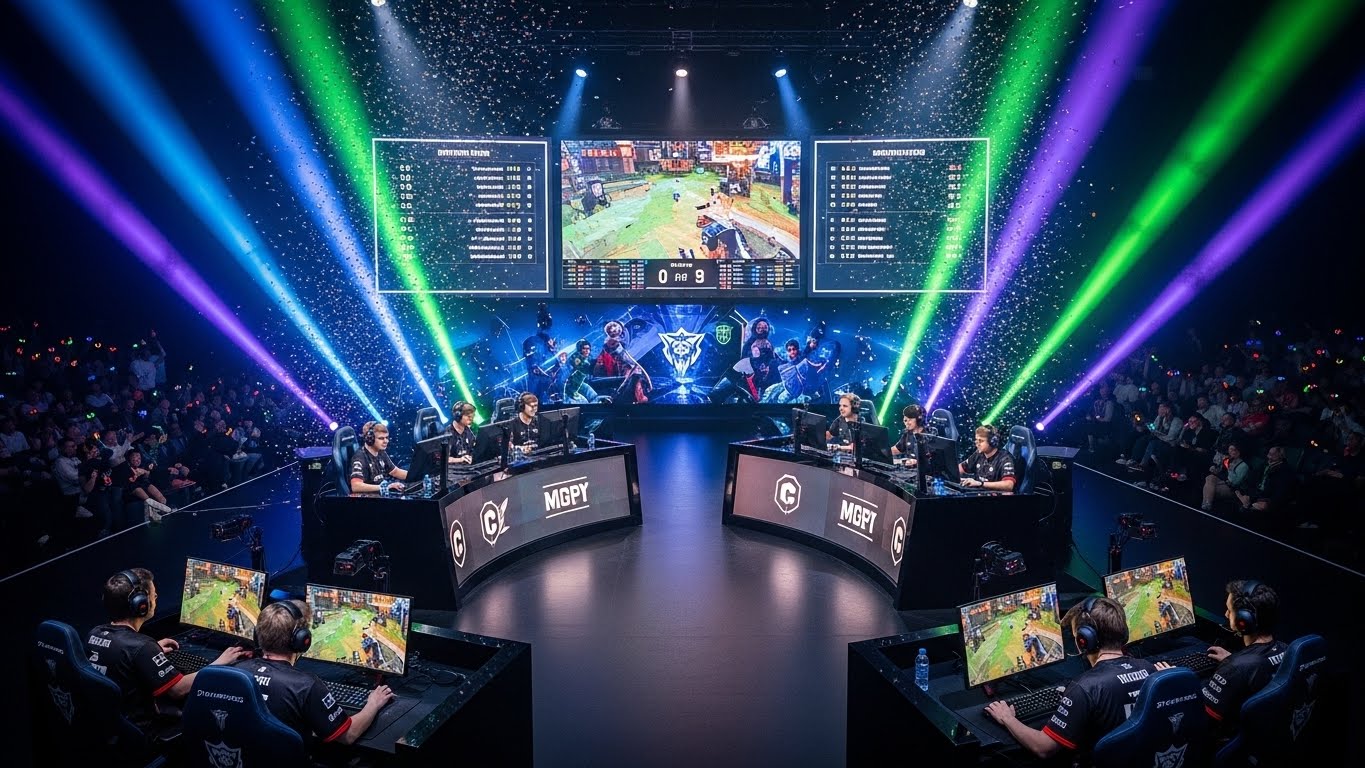
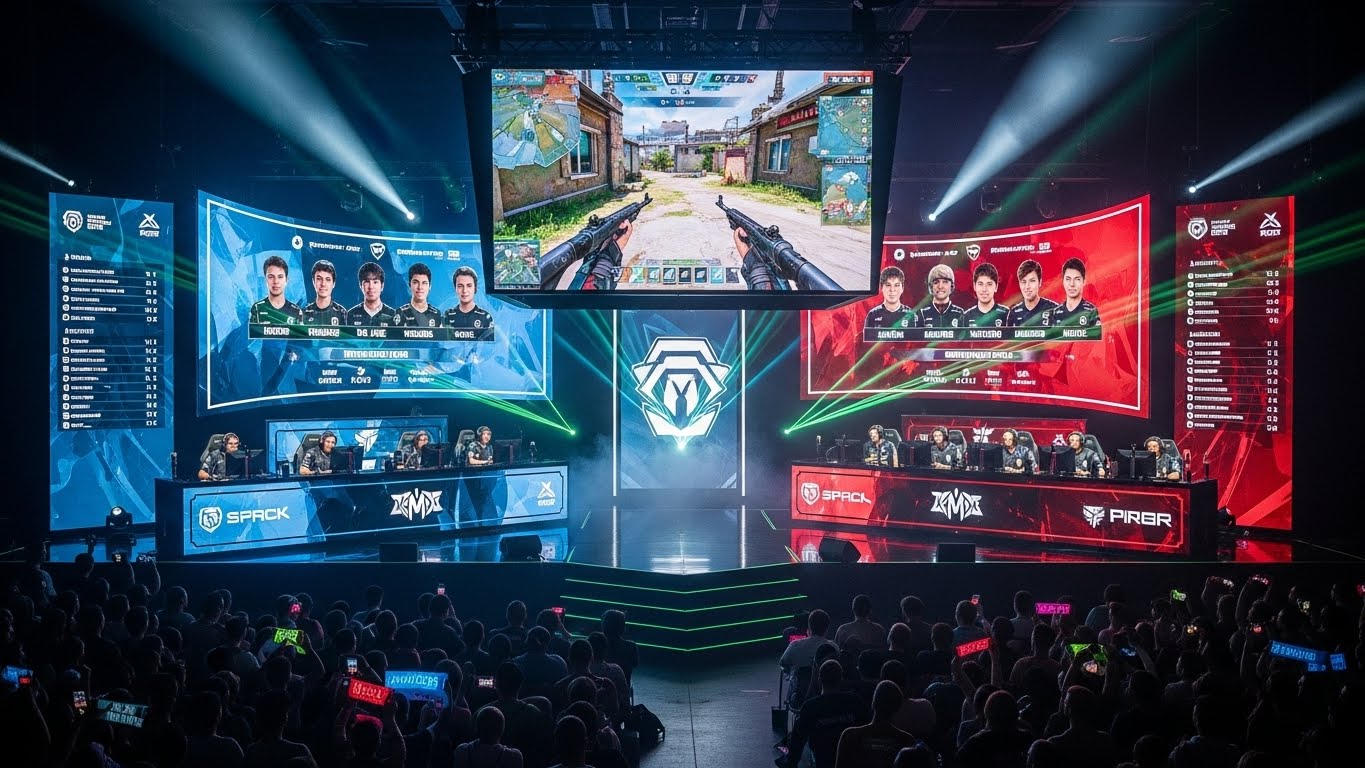
Esports has grown from a niche hobby into a global phenomenon, transforming entertainment, competition, and culture. What once was limited to small gatherings of video game enthusiasts is now a multi-billion-dollar industry watched by millions worldwide. Professional players, massive tournaments, and dedicated fan bases have elevated esports to a status comparable to traditional sports. This blog explores the rise of esports, its impact on society, the opportunities it creates, and the challenges it faces as it continues to redefine modern competition.
The Origins of Esports
Esports can trace its roots back to the late twentieth century, when video games like Pong, Space Invaders, and Pac-Man became popular in arcades. Early competitions focused on achieving high scores and local recognition, attracting small communities of dedicated players. As home consoles and personal computers became more accessible, multiplayer games encouraged players to compete against friends and neighbors, fostering informal rivalries.
The real transformation began with networked gaming. Titles such as Quake, StarCraft, and Counter-Strike allowed players to compete across cities, countries, and eventually continents. These early tournaments set the foundation for professional esports, demonstrating that gaming could be both competitive and highly engaging.
Defining Esports
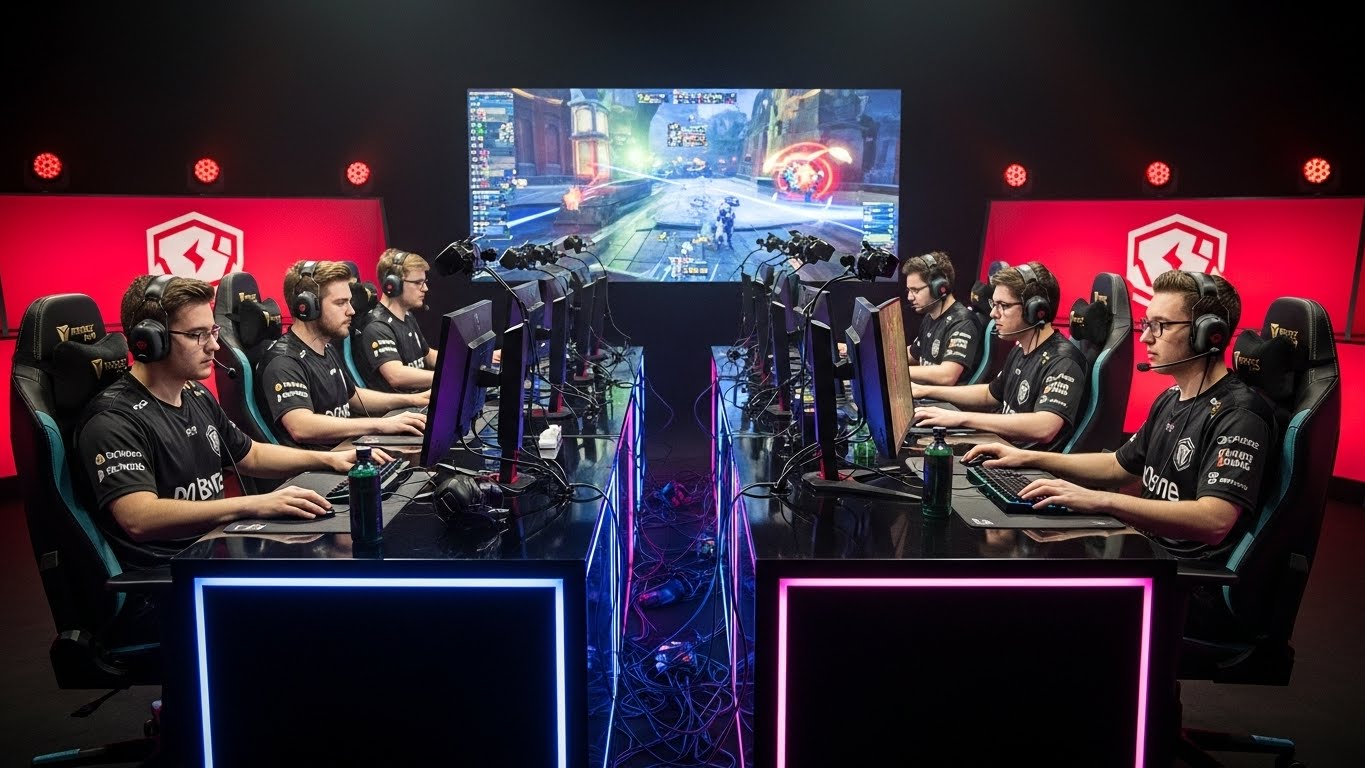
Esports, short for electronic sports, refers to organized, competitive gaming at a professional level. Unlike casual gaming, esports requires rigorous skill development, strategic thinking, and teamwork. Players specialize in certain games, characters, or roles and dedicate significant time to practice, analysis, and training.
Games such as League of Legends, Dota 2, Counter-Strike: Global Offensive, and Fortnite dominate the esports scene. Each game comes with unique mechanics, strategies, and competitive structures, offering different opportunities for skill development and audience engagement. The professionalism in esports, including coaching, analytics, and support staff, mirrors the structure of traditional sports.
The Rise of Global Esports Communities
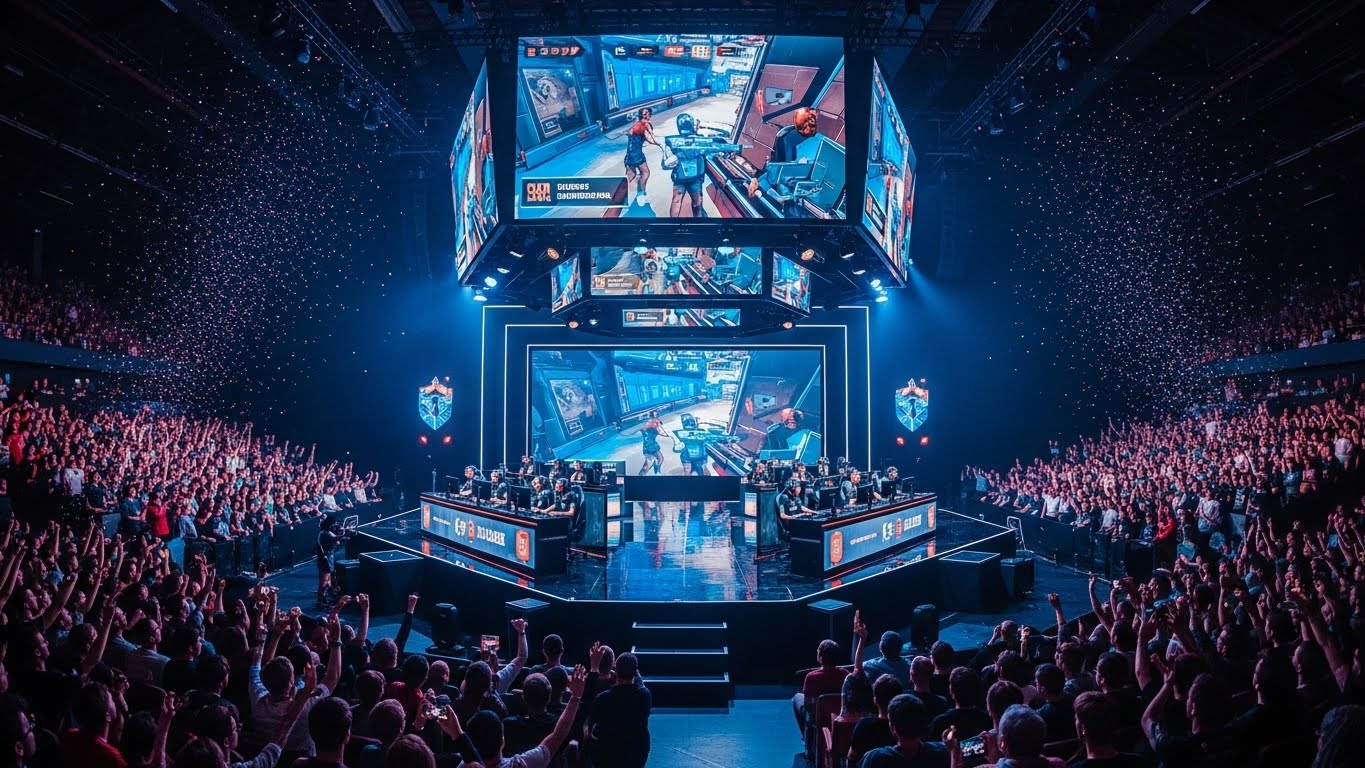
Esports has built a massive global community. Millions of fans follow tournaments online, participate in discussions, and support their favorite players and teams. Platforms that allow live streaming have played a significant role, making esports accessible to a worldwide audience. Fans no longer just watch games; they engage with players, discuss strategies, and share experiences in real time.
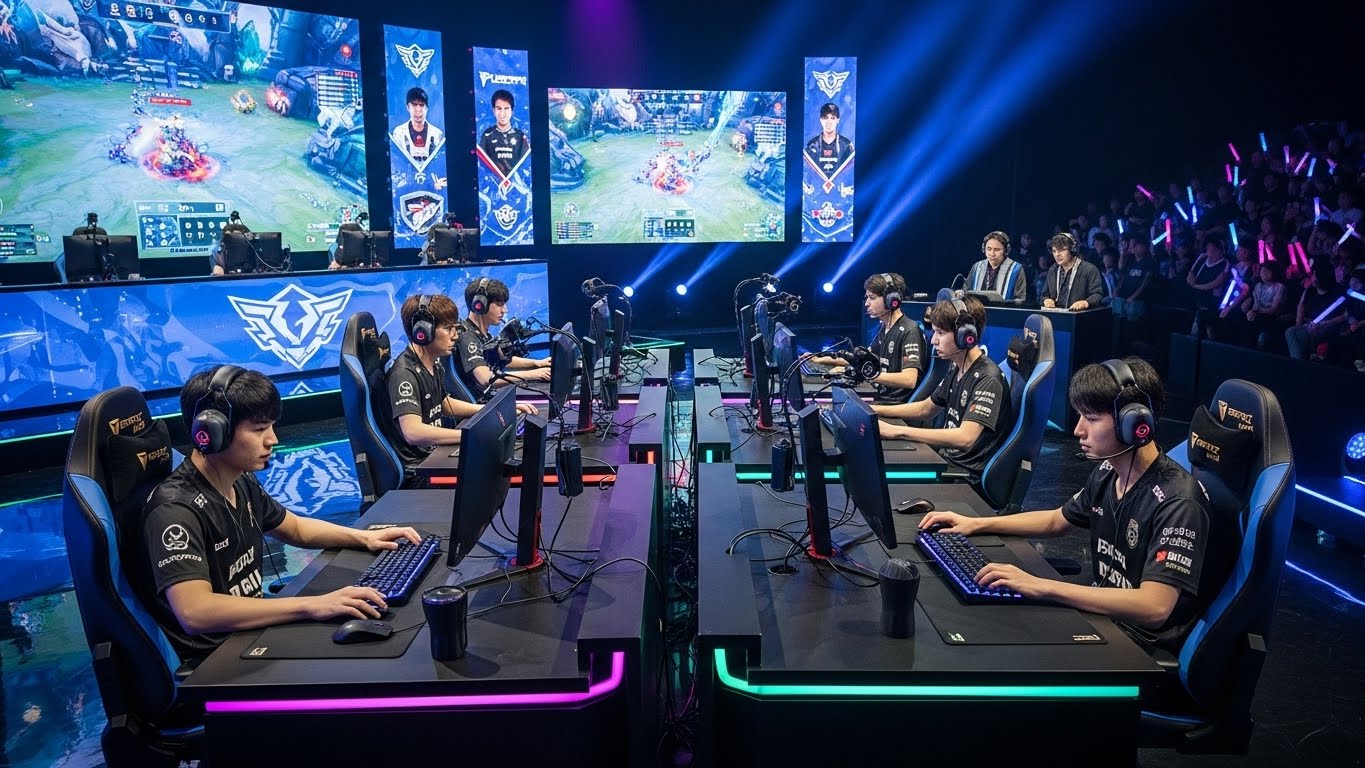
International competitions, such as the League of Legends World Championship and The International for Dota 2, bring together players and fans from different countries, showcasing how esports transcends cultural and geographic boundaries. This global reach has made esports a true international phenomenon.
Professionalism in Esports
The professionalization of esports has been key to its growth. Players sign contracts with teams, follow structured training schedules, and participate in league competitions with rules and regulations comparable to traditional sports. Coaching, analytics, and mental health support have become integral parts of the profession.
Professional esports players must master not only game mechanics but also teamwork, communication, and mental resilience. Just like athletes in conventional sports, they prepare for matches through intensive practice, strategy planning, and continuous learning.
The Economic Impact of Esports
Esports has emerged as a significant economic force. Revenue comes from multiple sources, including sponsorships, advertising, merchandise, media rights, and prize money. Top players earn substantial salaries, while teams generate income through brand partnerships and fan engagement.
Beyond professional gaming, the industry supports a range of careers, including event management, content creation, broadcasting, coaching, and technical roles. Gaming hardware companies, software developers, and esports organizations contribute to a thriving ecosystem that has created millions of jobs worldwide.
Streaming and Audience Engagement
Live streaming has transformed esports into a highly interactive experience. Platforms like Twitch and YouTube Gaming allow viewers to watch tournaments, interact with players, and even learn strategies directly from professionals. The interactivity and accessibility of streaming have made esports a communal experience.
Streamers often build their own fan bases, providing commentary, entertainment, and educational content. This has expanded the reach of esports beyond competitive play, creating a culture where players and fans connect on multiple levels.
The Influence of Esports on Youth
Esports has a profound impact on younger generations. Many teenagers and young adults see competitive gaming as a viable career, and schools and universities have embraced the trend by offering esports programs, clubs, and scholarships.
Participation in esports enhances cognitive skills, including strategic thinking, decision-making, and multitasking. Team-based games foster communication, collaboration, and leadership, providing lessons that extend beyond the digital arena. In this way, esports can be a tool for education and personal development.
Diversity and Inclusion in Esports
Historically, esports has been male-dominated, but there is a growing push for inclusivity. Female players, LGBTQ+ gamers, and diverse cultural groups are gaining visibility, challenging stereotypes and enriching the community.
Organizations are increasingly promoting equal opportunities, safe environments, and representation across all levels of competition. Diversity strengthens the esports ecosystem, encouraging innovation, creativity, and a broader fan base.
Mental and Physical Challenges
While esports offers exciting opportunities, it also presents challenges. Players face intense mental pressure, long hours of practice, and high expectations, which can lead to stress and burnout. Maintaining focus during extended competitions requires mental resilience.
Physical health is another concern. Extended gaming sessions can lead to repetitive strain injuries, posture issues, and eye strain. Professional teams now incorporate exercise routines, ergonomic setups, and mental wellness programs to support sustainable careers.
Esports as a Cultural Phenomenon
Esports has grown beyond competition to become a cultural force. Fans celebrate victories, create fan art, cosplay as favorite characters, and participate in global conversations about games and players. Professional esports athletes are admired as role models, influencing fashion, media, and lifestyle trends.
This cultural influence demonstrates that esports is not just entertainment; it is a reflection of modern society’s values, creativity, and engagement. Gaming culture shapes identity and community, connecting millions through shared passion.
Technology Driving Growth
Advancements in technology continue to propel esports forward. High-performance hardware, fast internet connectivity, and sophisticated software have enhanced gameplay and viewer experiences. Tools such as performance analytics, AI-driven coaching, and virtual reality are creating new opportunities for skill development and immersive competition.
The future of esports will likely see even more integration with emerging technologies, expanding how audiences experience games and how players refine their skills.
The Future of Esports
Esports shows no signs of slowing down. Emerging markets, innovative games, and expanding global reach suggest continued growth. The industry is increasingly recognized alongside traditional sports, with professional leagues, media coverage, and institutional support.
Sustainability and professionalism will define the next era of esports. With continued emphasis on player health, diversity, and fair play, esports has the potential to maintain long-term success while influencing the broader cultural landscape.
Lessons from Esports
Esports teaches valuable lessons about perseverance, teamwork, adaptability, and resilience. Players learn to overcome challenges, handle pressure, and collaborate toward common goals. These skills are applicable in education, careers, and personal growth.
The community aspect of esports also fosters empathy, communication, and mutual respect. Fans and players alike experience the thrill of competition and the joy of shared achievement, demonstrating that esports is about more than just winning—it is about connection and personal development.
Conclusion
Esports has evolved from a niche hobby into a global phenomenon with profound social, economic, and cultural impact. It combines competition, creativity, and community in ways that resonate with millions of people worldwide. Professional players, teams, and organizations have elevated gaming into a respected career path and entertainment platform.
Beyond the screen, esports represents human ambition, strategic thinking, and collaboration. It unites people across continents, challenges traditional definitions of sports, and inspires new generations to pursue excellence. As technology continues to advance and the community grows, esports will remain a powerful force shaping the future of entertainment, competition, and global connection.