clashcircle44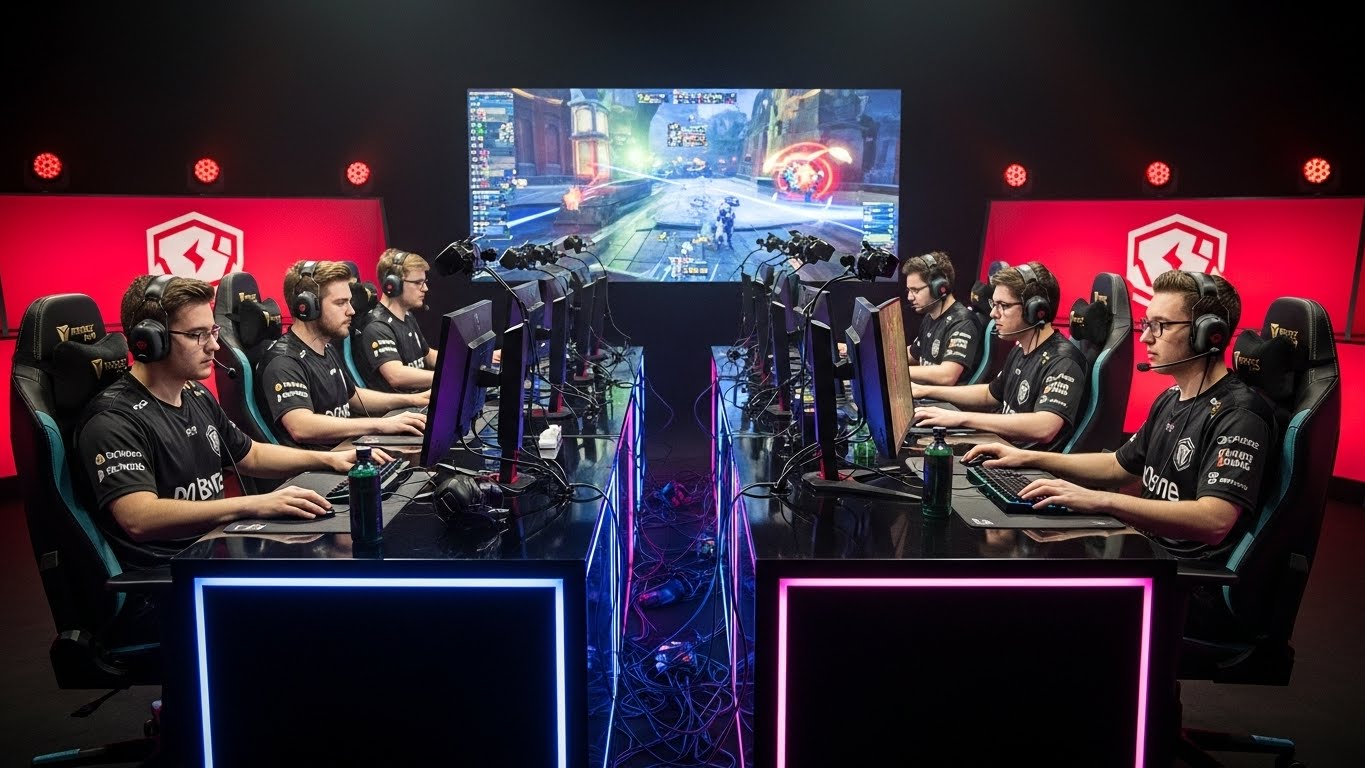
Esports has emerged as one of the most influential forms of competition and entertainment in the modern digital era. What began as casual video game matches among friends has grown into a global industry with professional leagues, international tournaments, and millions of devoted fans. Esports is no longer confined to bedrooms and internet cafés; it now occupies stadiums, universities, and mainstream media. This transformation reflects not only technological progress but also a fundamental shift in how society defines sports, competition, and community.
Understanding What Esports Truly Is
Esports, short for electronic sports, refers to organized competitive gaming where individuals or teams compete in video games at a professional or semi-professional level. These competitions are structured, rule-based, and often governed by leagues or tournament organizers. Games commonly featured in esports emphasize strategy, reflexes, teamwork, and decision-making rather than chance.
Unlike casual gaming, esports requires consistent practice, performance analysis, and mental preparation. Players are evaluated based on skill, coordination, adaptability, and consistency. This competitive structure places esports firmly within the broader definition of sport, even though it takes place in a digital environment rather than a physical field.
The Origins and Early Growth of Esports
The roots of esports can be traced back to the early days of video gaming, when players competed for high scores or bragging rights. As multiplayer gaming became more accessible, organized competitions began to emerge. Small tournaments gradually evolved into larger events, fueled by improvements in internet connectivity and gaming technology.
The introduction of online multiplayer platforms played a critical role in esports growth. Players could now compete across cities and countries, forming teams and rivalries on a global scale. This connectivity laid the foundation for esports as a spectator activity, allowing audiences to watch competitions live and follow their favorite players.
The Rise of Professional Esports
Professional esports transformed competitive gaming into a viable career path. Teams began signing players to contracts, providing salaries, coaching, housing, and performance support. Tournament prize pools grew substantially, and international championships became highly anticipated events.
Professional players train extensively, often following structured schedules similar to traditional athletes. They review gameplay footage, practice specific strategies, and work with coaches to improve teamwork and individual performance. This professionalization has elevated esports from a hobby to a disciplined and demanding profession.
Esports as a Spectator Experience
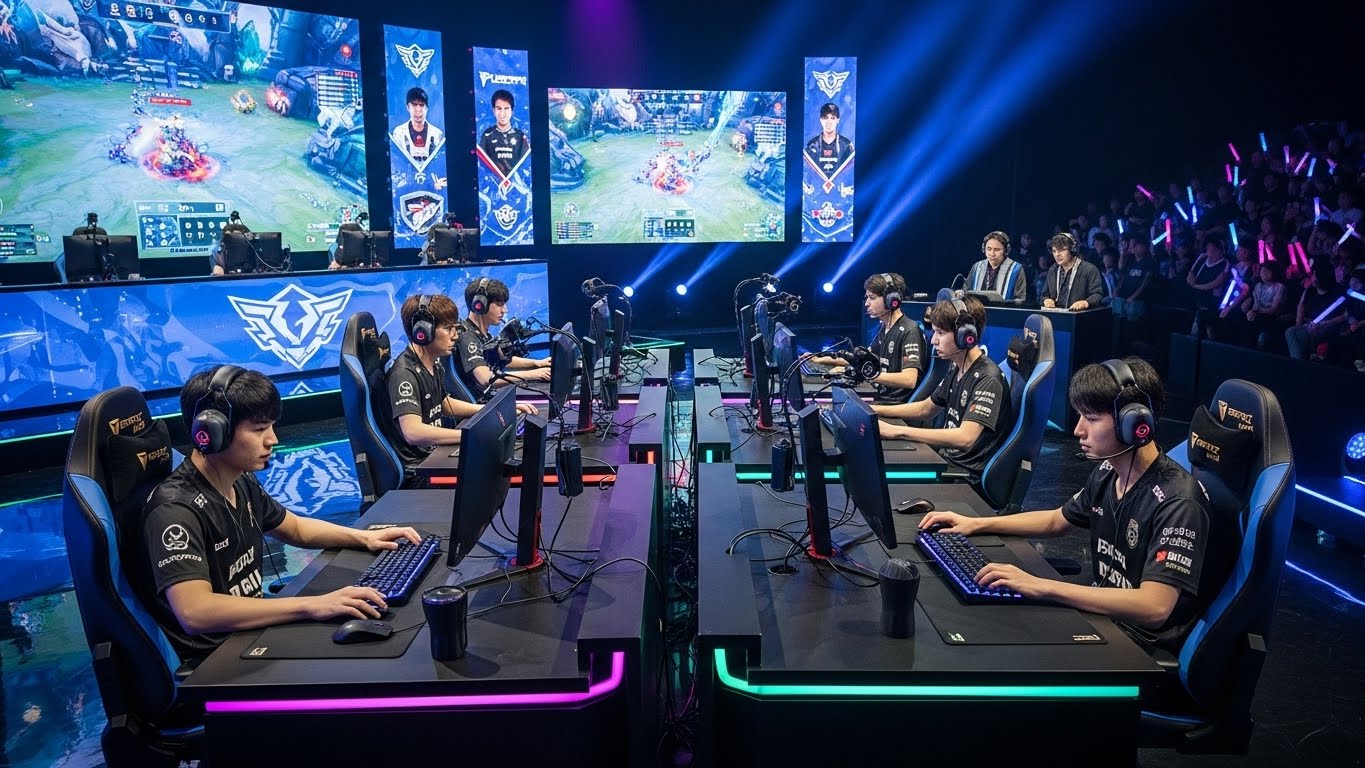
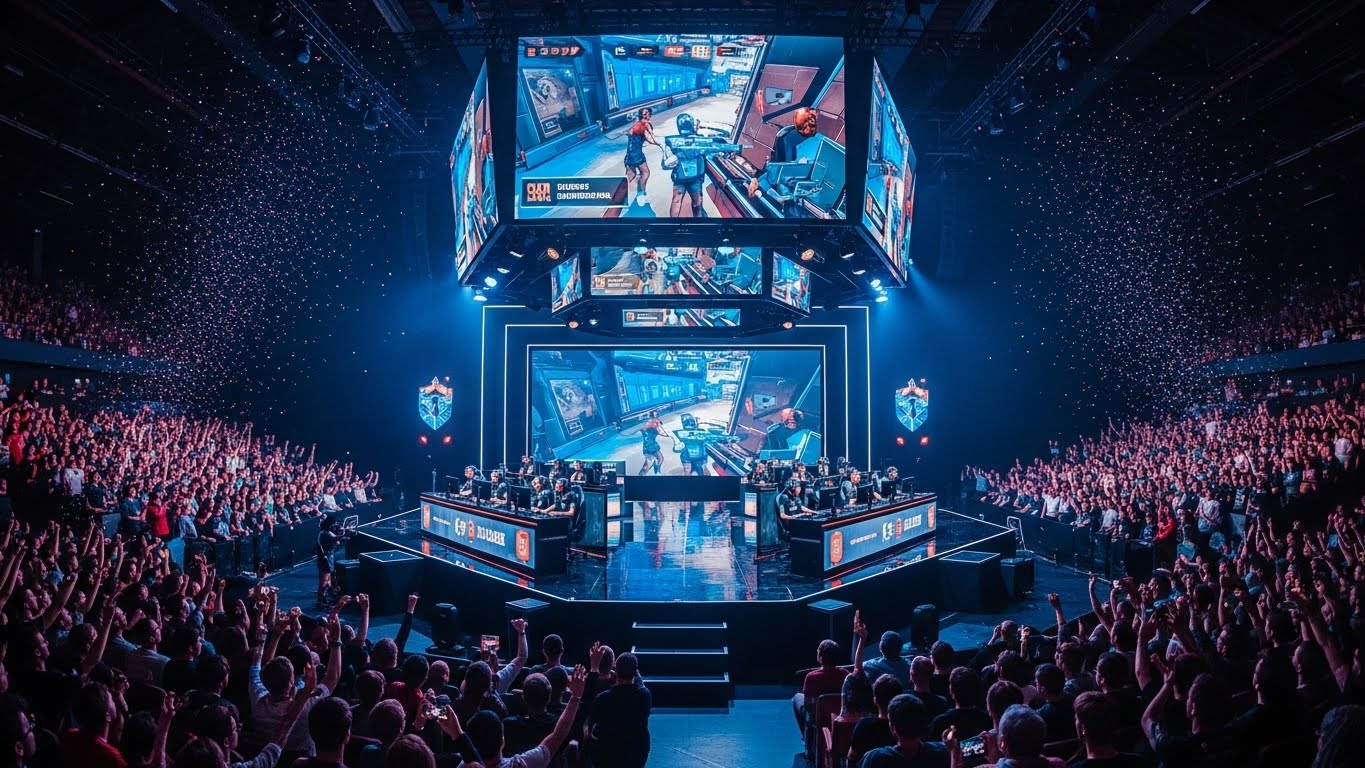
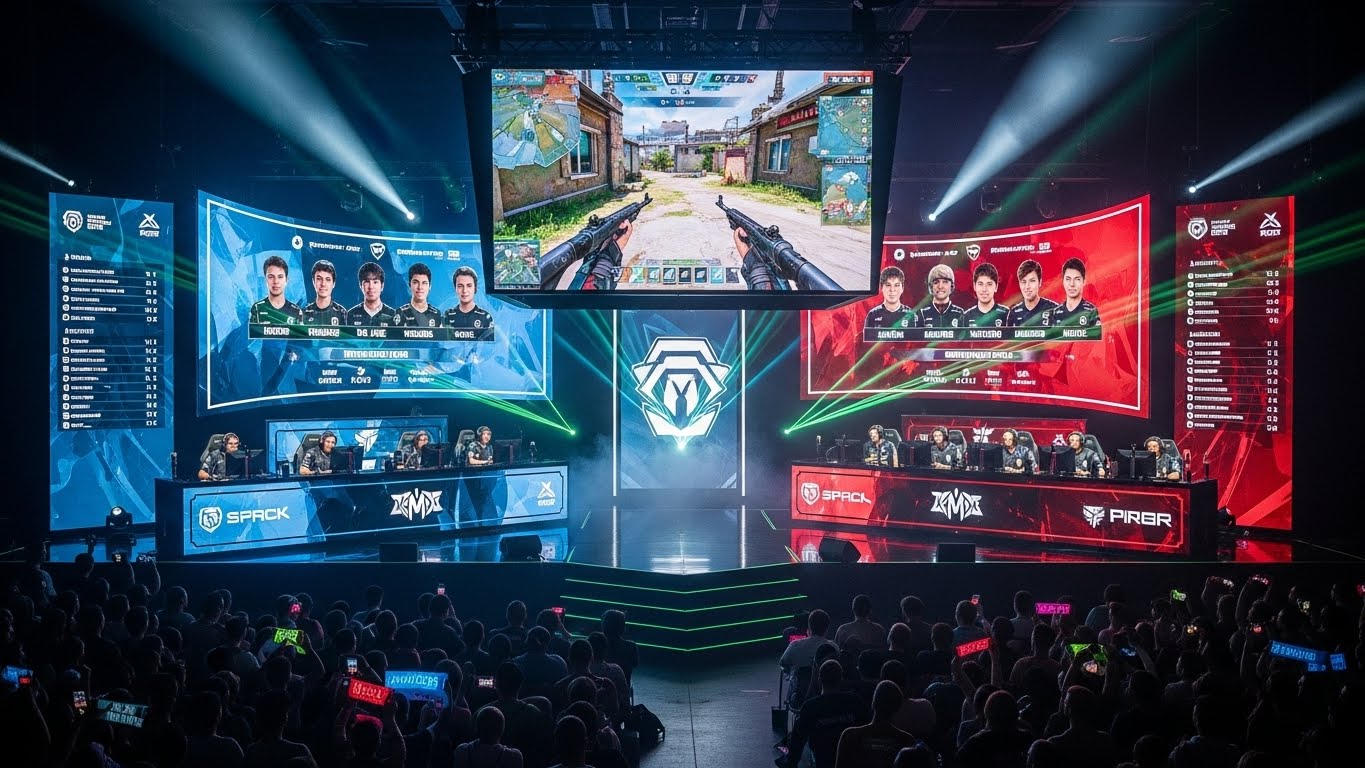
One of the defining features of esports is its appeal as a spectator activity. Fans watch live matches, analyze strategies, and support teams with the same passion seen in traditional sports. Commentators and analysts enhance the viewing experience by explaining gameplay decisions and highlighting key moments.
Esports events are designed to engage audiences through immersive visuals, storytelling, and interactive elements. Fans can follow seasons, track player statistics, and participate in community discussions. This active involvement strengthens the connection between viewers and the competitive scene.
Mental Skills and Competitive Pressure
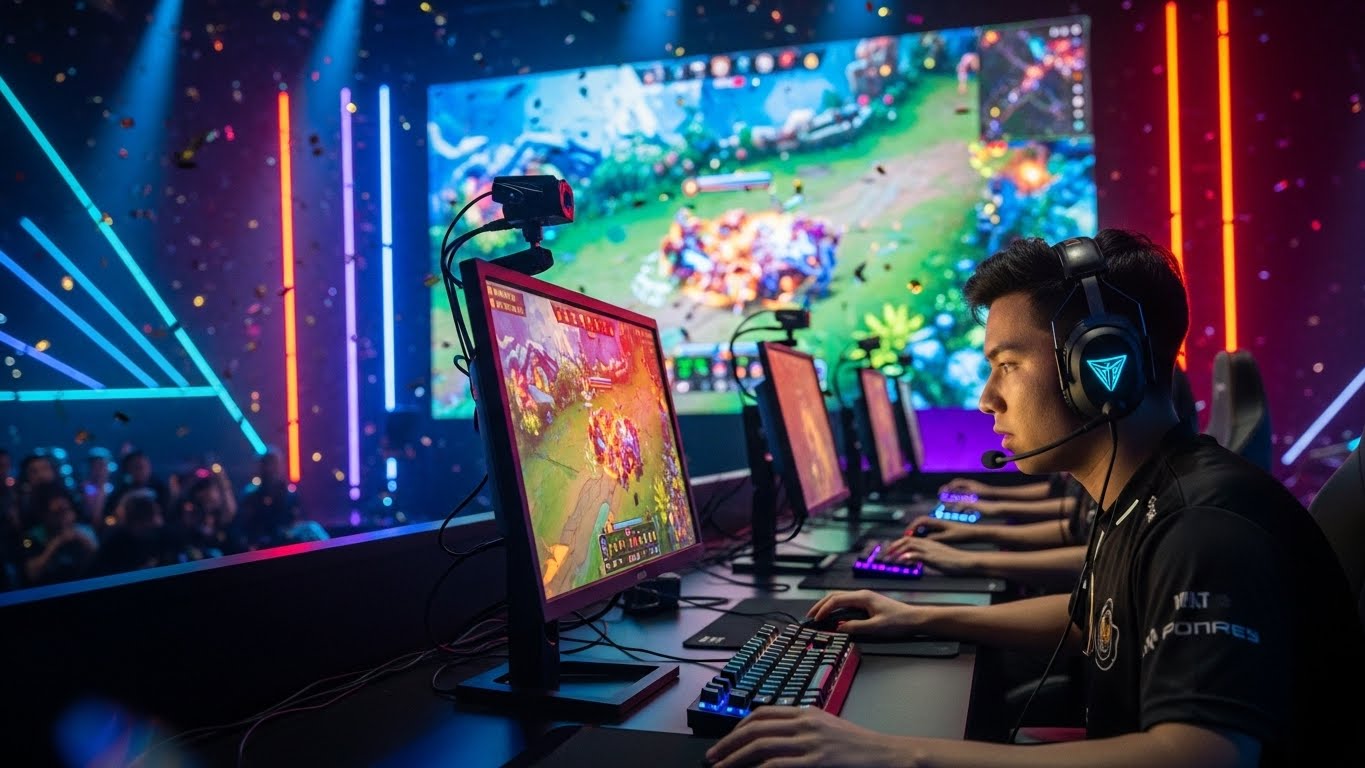
Esports demands exceptional mental strength. Players must process information rapidly, make precise decisions under pressure, and remain focused for extended periods. A single moment of hesitation can change the outcome of an entire match.
Managing stress and expectations is a major challenge in competitive gaming. Professional players often face intense scrutiny, high performance standards, and long practice hours. Mental resilience, emotional control, and confidence are essential traits for sustained success in esports.
Physical Health and Wellness in Esports
While esports is primarily digital, physical health still plays an important role. Hand-eye coordination, reaction speed, and posture all affect performance. Many professional players incorporate physical exercise into their routines to improve stamina and reduce the risk of injury.
Sleep, nutrition, and ergonomic practices are also crucial. Maintaining physical well-being supports mental clarity and long-term performance. As the industry matures, there is increasing awareness of the importance of balanced lifestyles for esports athletes.
Team Dynamics and Communication
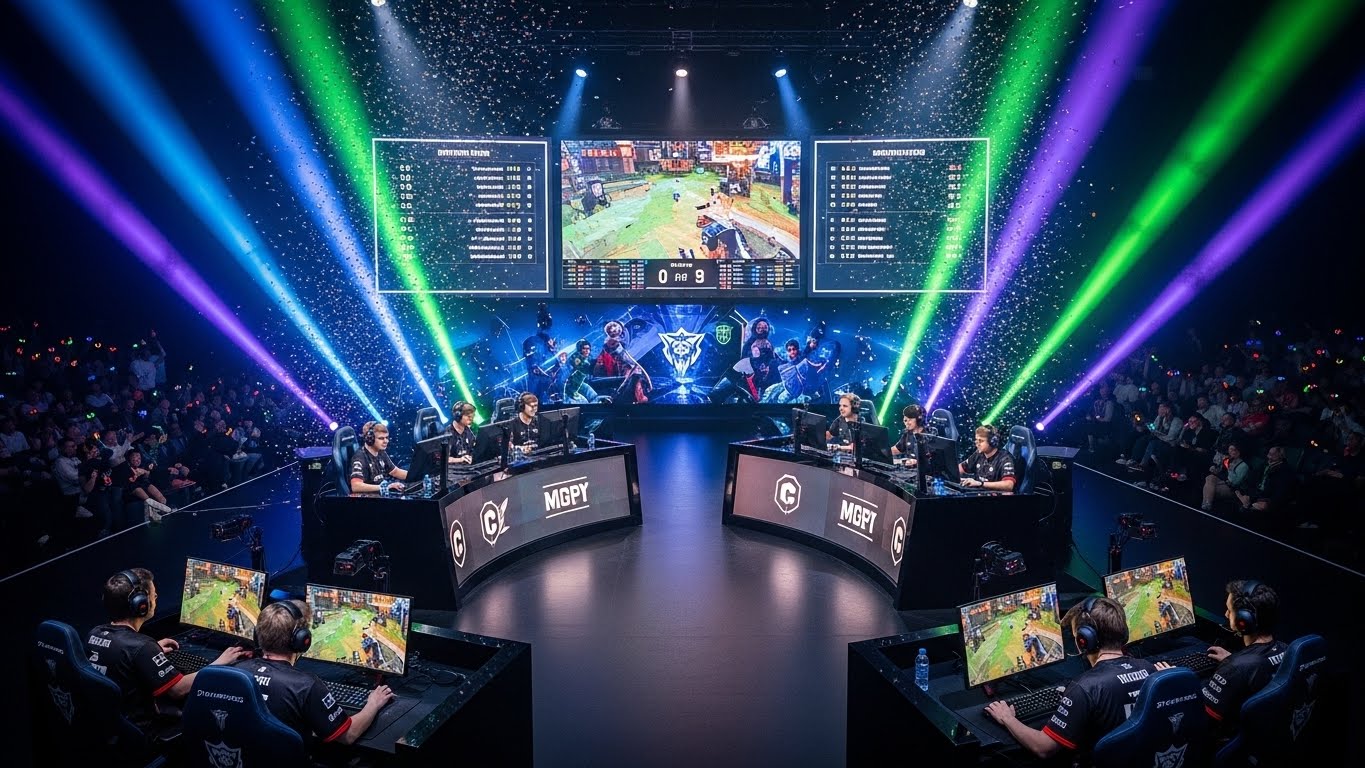
Team-based esports highlight the importance of collaboration and communication. Players must coordinate strategies, share information, and adapt to changing circumstances in real time. Trust and chemistry among teammates often determine success more than individual skill alone.
Effective communication is essential, especially during high-pressure situations. Teams that communicate clearly and remain composed gain a competitive advantage. These dynamics mirror traditional team sports and reinforce esports as a legitimate form of organized competition.
The Role of Technology in Esports Growth
Technology is the foundation upon which esports thrives. Advanced gaming hardware, reliable internet infrastructure, and sophisticated software enable high-level competition. Streaming technology allows matches to be broadcast globally, bringing esports to audiences of all ages.
Data analytics has become increasingly important, helping teams analyze performance patterns and optimize strategies. Technology continues to push esports forward, making it more accessible, immersive, and competitive with each passing year.
Career Opportunities Beyond Playing
Esports offers a wide range of career opportunities beyond professional gaming. Coaches, analysts, commentators, event managers, graphic designers, and marketing professionals all contribute to the industry. Content creation and community management have also become significant roles.
Educational institutions now recognize esports as a field of study, offering programs related to game design, esports management, and digital media. This expanding ecosystem provides diverse pathways for individuals passionate about gaming and technology.
Cultural Influence and Global Reach
Esports has become a cultural phenomenon that transcends borders. Players from different countries compete on equal footing, fostering international collaboration and understanding. Global tournaments showcase cultural diversity while uniting fans through shared passion.
The influence of esports extends into music, fashion, and popular media. Professional players are celebrated figures, and gaming culture has become a defining element of modern youth identity. Esports reflects how digital spaces shape culture and social interaction.
Challenges Facing the Esports Industry
Despite its success, esports faces several challenges. Player burnout, mental health concerns, and career longevity are ongoing issues. The competitive environment can be intense, and not all players receive adequate support.
Regulation and standardization also remain complex. Different games, leagues, and regions operate under varying rules and structures. Ensuring fairness, integrity, and sustainability is essential for the long-term growth of esports.
The Future of Esports Competition
The future of esports is filled with potential. Advancements in virtual environments, immersive technologies, and global connectivity will continue to redefine competitive gaming. Esports is likely to integrate further into mainstream entertainment and education.
As acceptance grows, esports may play a larger role in multi-sport events and cultural institutions. The line between digital and physical competition will continue to blur, opening new possibilities for how people engage with sports and games.
Lessons Esports Teaches Society
Esports offers valuable lessons beyond gaming. It demonstrates the importance of adaptability, teamwork, and continuous improvement. Players learn to handle failure, analyze mistakes, and strive for excellence.
These lessons apply to education, careers, and personal development. Esports shows that dedication and passion, when combined with discipline and strategy, can lead to meaningful achievement in any field.
Conclusion
Esports represents a new chapter in the history of competition. It challenges traditional definitions of sports while embracing the values of skill, discipline, and teamwork. From its humble beginnings to its current global presence, esports has proven that digital competition can inspire, unite, and empower.
As technology continues to evolve, esports will remain at the forefront of innovation and cultural change. It is more than entertainment; it is a reflection of how society adapts to the digital age. Esports is not just about games on a screen—it is about human potential, creativity, and the future of competition itself.