clashcircle44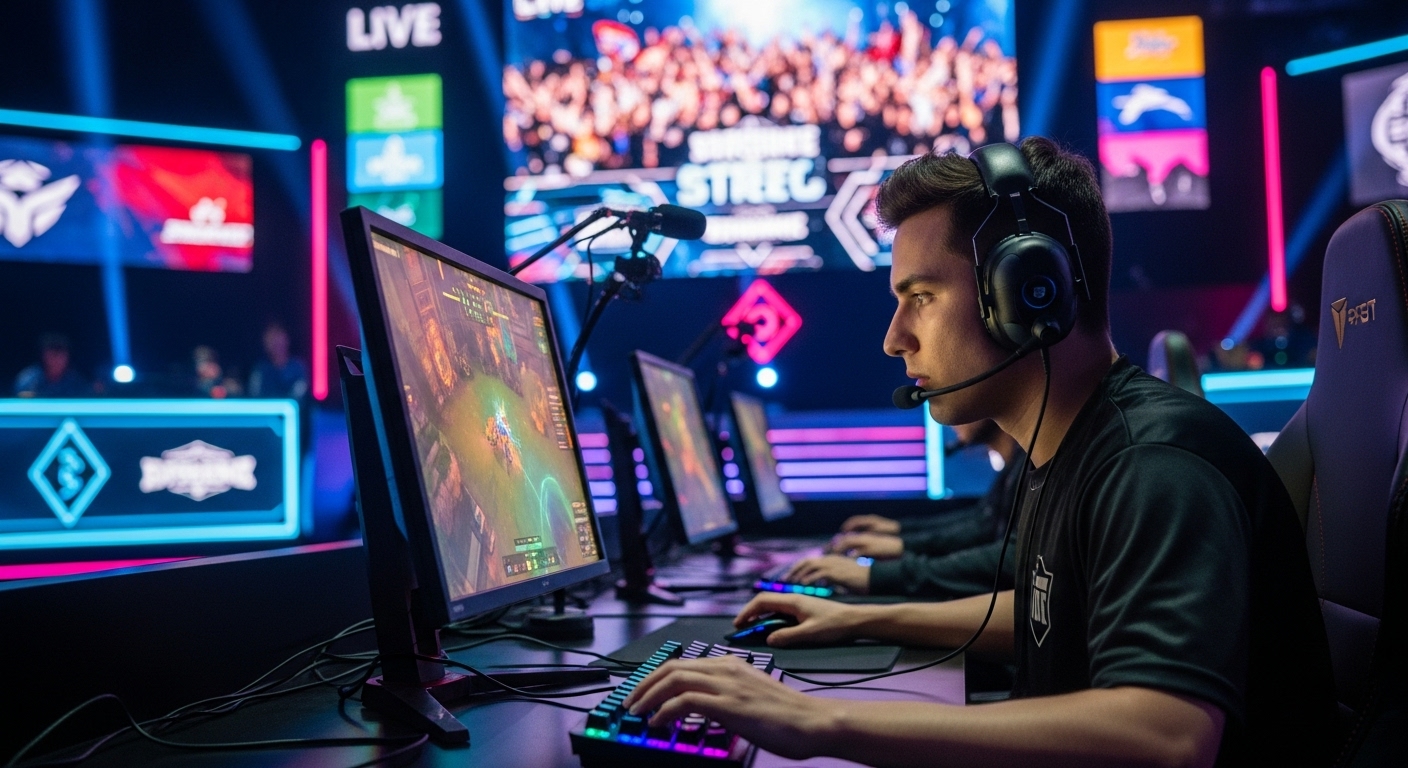
Introduction: The Evolution of Esports
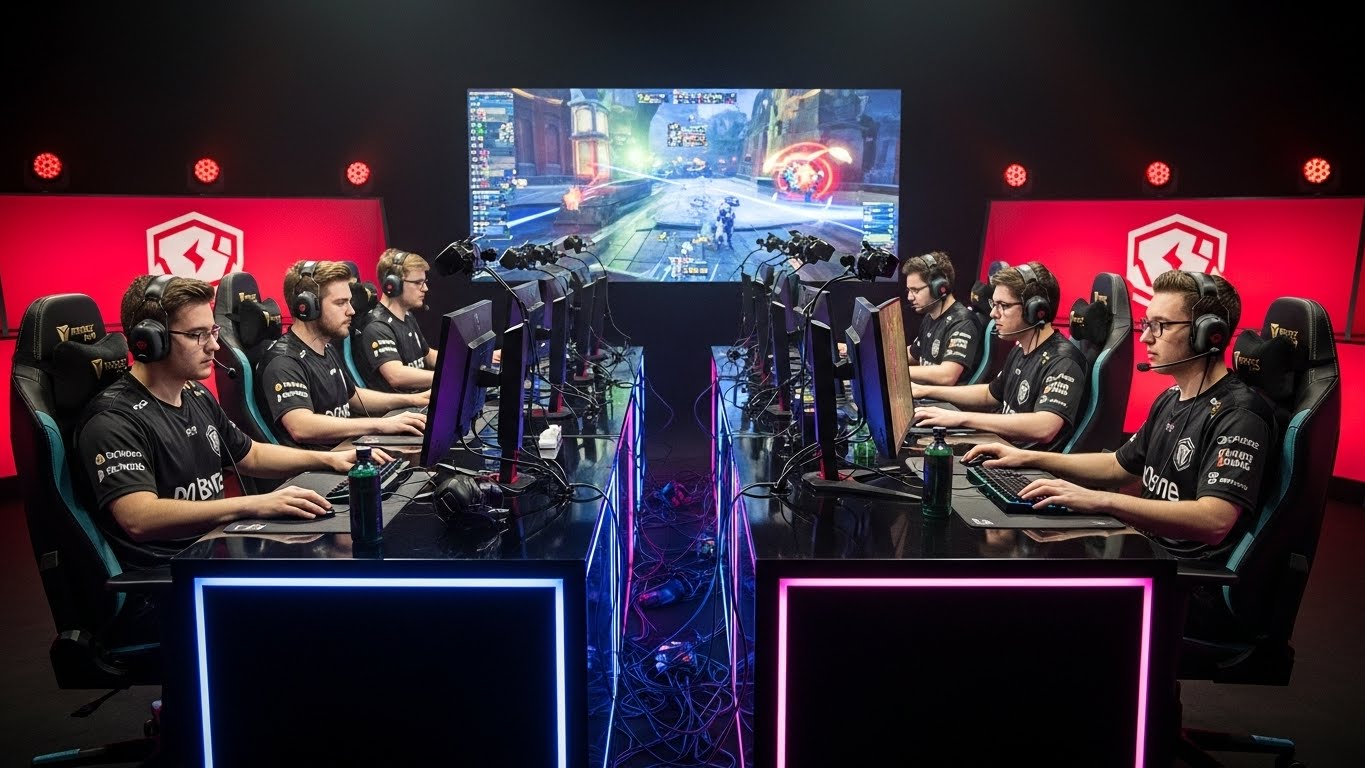
What began as a niche hobby for passionate gamers has quickly transformed into a global industry. Esports, or competitive video gaming, has evolved from casual tournaments held in basements to multi-million dollar events with millions of viewers. Today, it’s a billion-dollar industry with professional teams, global tournaments, and a dedicated fan base that rivals traditional sports in terms of engagement. This blog explores how esports has exploded in popularity, its impact on culture, and where it’s headed in the future.
From Hobby to Profession: The Birth of Competitive Gaming
The roots of esports can be traced back to the early days of gaming itself. While competitive gaming existed informally through local LAN (Local Area Network) parties and online matches, the 1990s marked the first signs of organized competitions. Early examples like the “Quake” and “StarCraft” tournaments helped pave the way for larger, more structured events.
1. The Early Days: Grassroots Tournaments
In the late 1990s and early 2000s, gaming enthusiasts started organizing local tournaments, often centered around games like “Warcraft,” “Counter-Strike,” and “Quake.” These events were grassroots efforts, driven by a community of passionate players, and although they weren’t on the radar of mainstream media, they laid the foundation for what would eventually become the esports phenomenon.
2. The Rise of Online Competitions
As the internet became faster and more accessible, online gaming flourished. Platforms like Xbox Live and Steam allowed gamers from around the world to compete against one another. Esports organizations began to form, and major tournaments such as “The International” for Dota 2 and the “League of Legends World Championship” attracted global attention. These tournaments helped establish the credibility of esports as a competitive sport, with large prize pools and international recognition.
The Esports Industry: Bigger Than Ever
Today, esports is a multi-billion dollar industry. Major organizations and companies are investing heavily in sponsorships, team acquisitions, and event broadcasting. What was once a subculture has now become a mainstream phenomenon, with top esports athletes earning salaries that rival those of traditional sports stars.
1. Professional Teams and Sponsorships
Esports teams are now akin to traditional sports teams. Organizations like Cloud9, Team Liquid, and FaZe Clan have a global presence and attract top-tier players from around the world. These teams often have sponsors from major brands like Coca-Cola, Nike, and Intel, highlighting how esports has attracted mainstream corporate interest. The influx of money into the industry has resulted in players being able to make careers out of their passion for gaming, with salaries, sponsorships, and streaming revenue contributing to their earnings.
2. Major Tournaments and Global Audiences
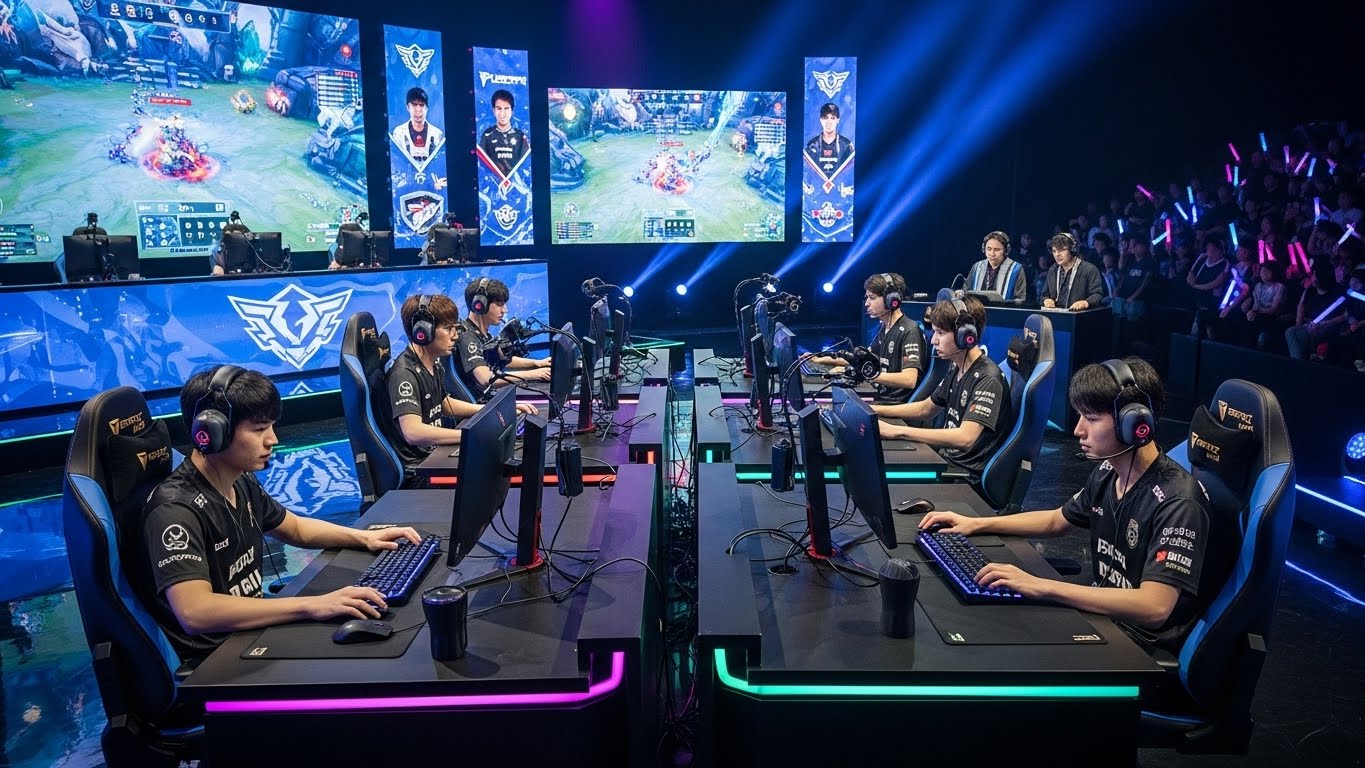
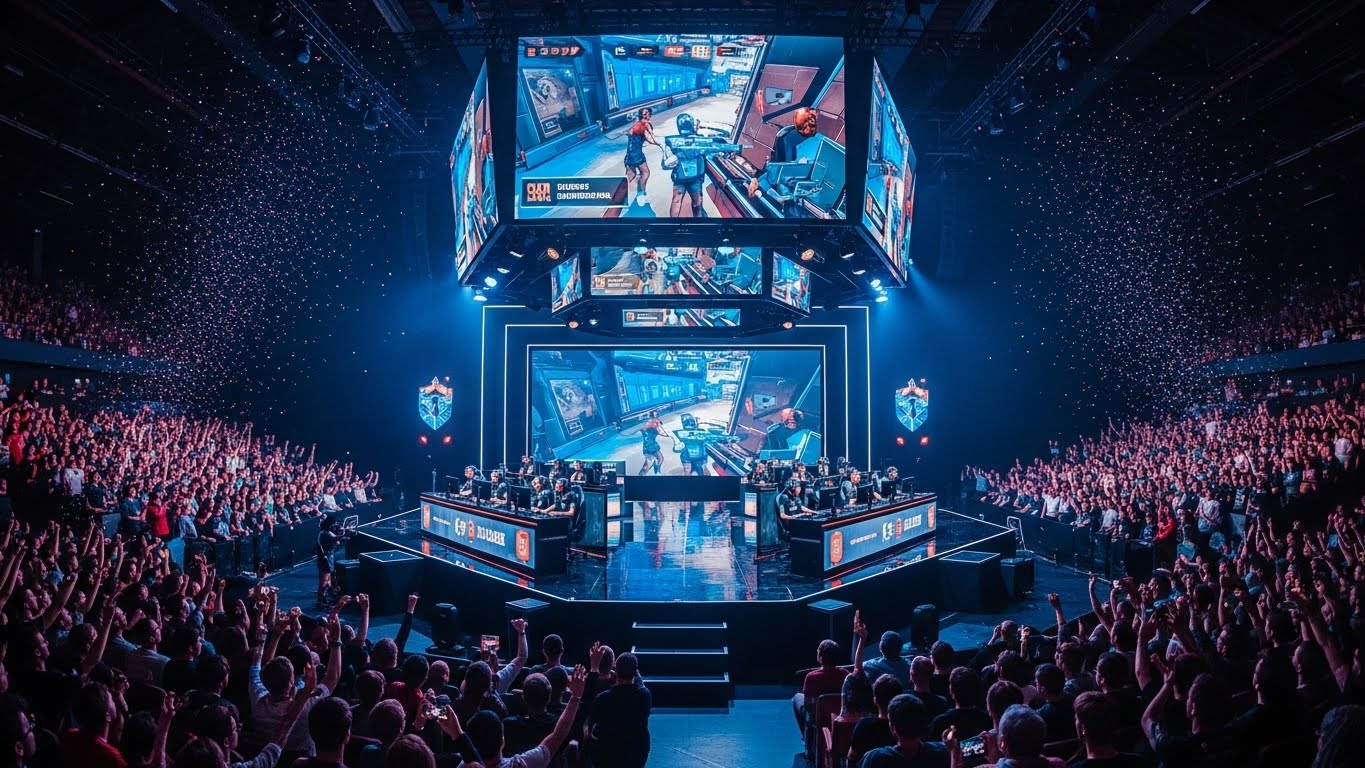
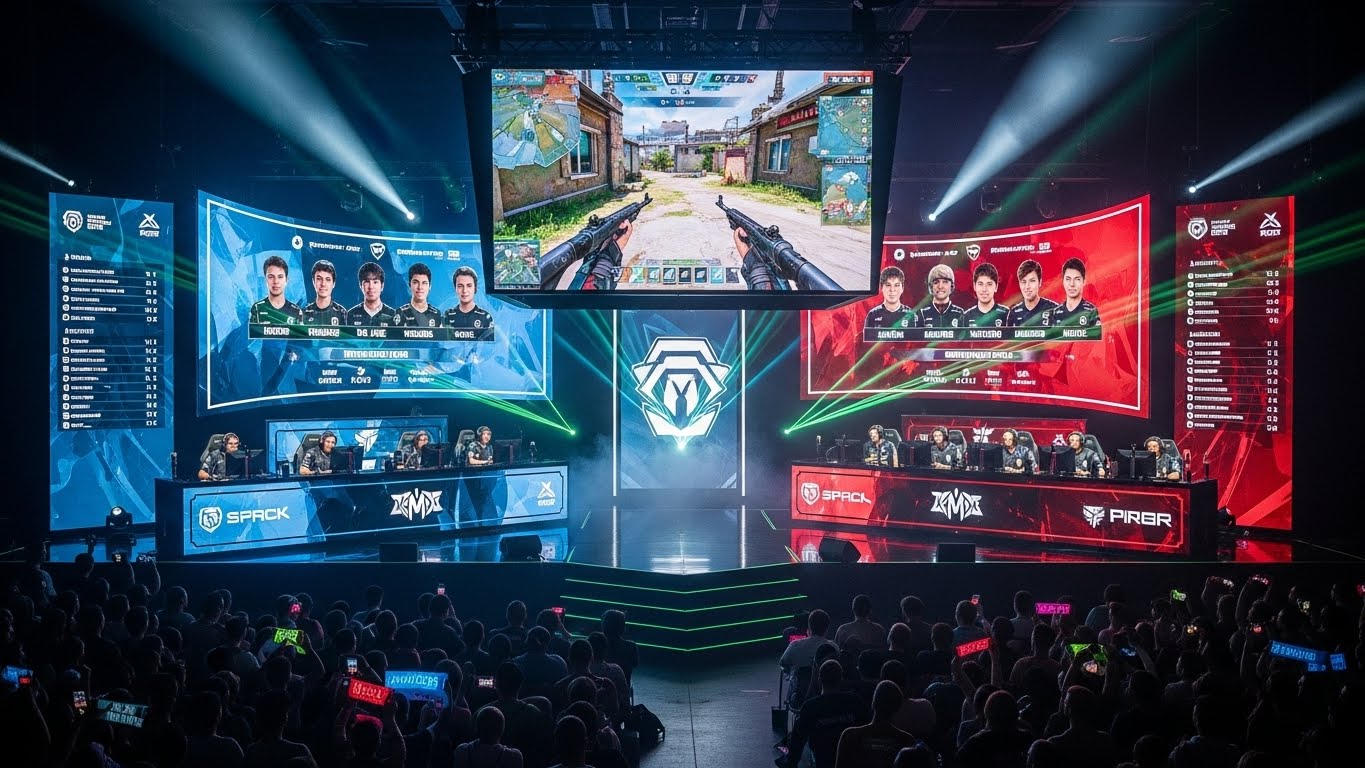
The biggest esports events draw millions of viewers from around the world, often surpassing the viewership of traditional sporting events. For example, “The International,” an annual Dota 2 tournament, has seen prize pools in the tens of millions of dollars, and its finals attract over 40 million viewers online. Other tournaments, such as the “League of Legends World Championship” and “Fortnite World Cup,” also pull in massive crowds. These events are broadcast across various platforms, including Twitch, YouTube, and traditional television networks, making esports accessible to audiences everywhere.
3. Esports as Entertainment
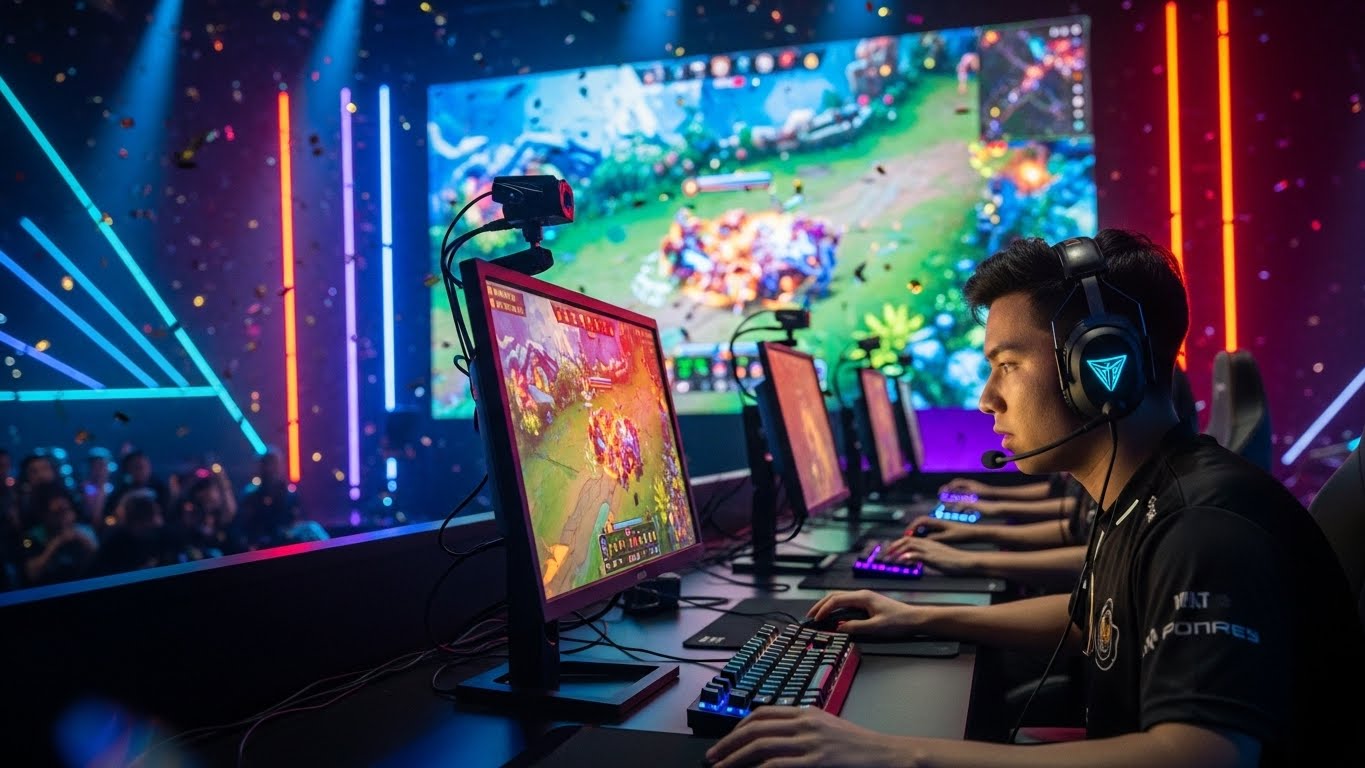
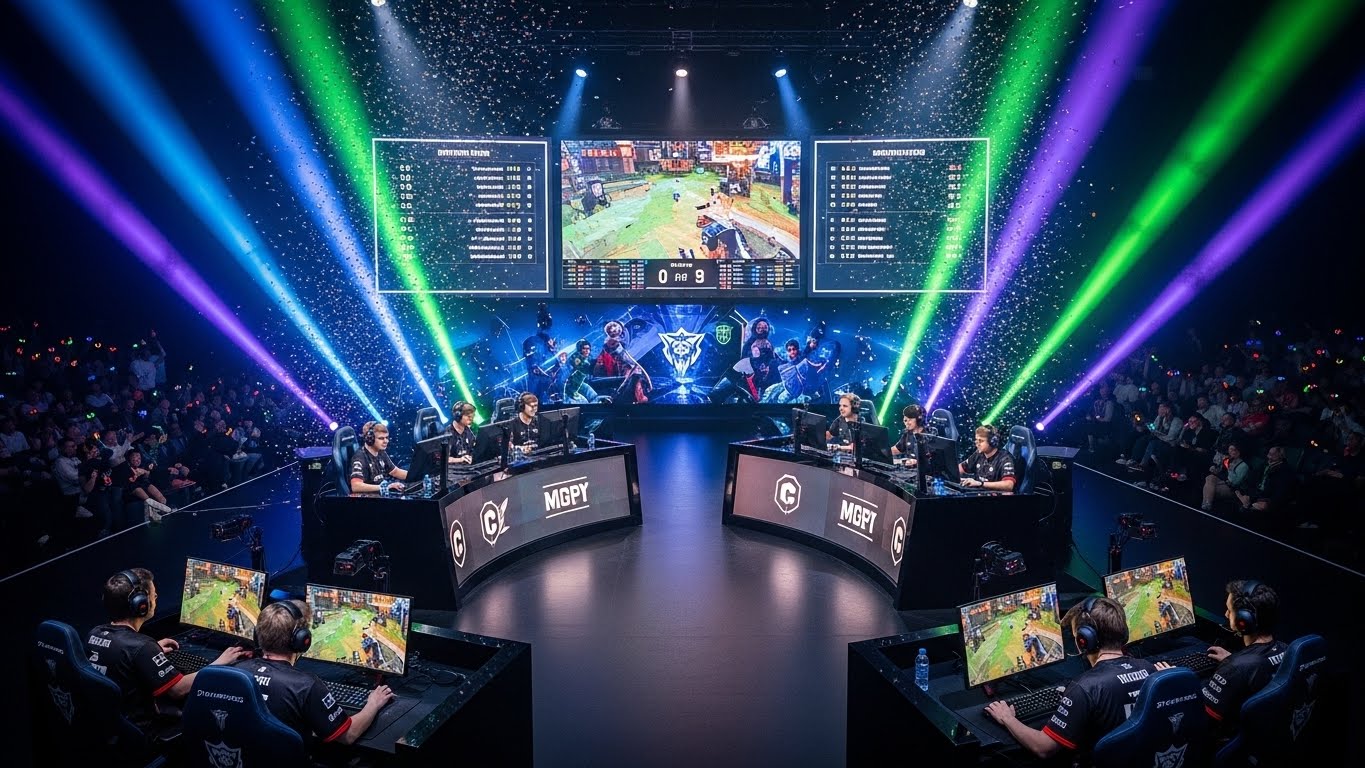
What sets esports apart from traditional sports is the emphasis on entertainment and accessibility. Esports events are often more than just competitions — they’re spectacles. Huge production teams, live commentary, in-depth analysis, and music performances transform these events into large-scale productions that rival any major sports event. Esports is not just about playing games; it’s about creating an engaging experience for viewers, whether they’re watching in person or online.
The Social and Cultural Impact of Esports
Esports has transcended gaming to become an important cultural force. It has brought together communities of fans, players, and content creators, influencing everything from fashion and technology to social behavior and media consumption.
1. The Rise of Gaming Communities
Esports has fostered an incredibly strong sense of community. Platforms like Twitch and Discord allow players and fans to interact, watch games together, and discuss strategies in real time. The sense of belonging to a group — whether it’s a fanbase for a specific game or team — has become a central aspect of esports culture. For many, esports is more than just about the game; it’s about connecting with like-minded individuals who share the same passions.
2. The Role of Streaming and Content Creation
Streaming platforms like Twitch and YouTube have played a significant role in the growth of esports. Many top esports players and content creators have built large followings by streaming their gameplay and offering insights into their training regimens, techniques, and lives. These content creators, often referred to as “influencers,” have become celebrities in their own right, with large brands seeking to collaborate with them. Their influence extends beyond gaming, with some esports stars branching out into music, acting, and even philanthropy.
3. Esports and Education
Esports is also making its way into schools and universities. With competitive gaming being recognized as a legitimate skill, many educational institutions have introduced esports programs, offering scholarships and creating opportunities for students to pursue careers in gaming. High school and college esports leagues are flourishing, and some schools are even building dedicated esports arenas. As esports continues to gain legitimacy, it’s becoming a valuable avenue for students interested in technology, game design, marketing, and broadcasting.
The Future of Esports: What’s Next?
The esports industry is still in its early stages, and the future holds even more potential for growth. With increasing investments, global partnerships, and technological advancements, esports is poised to continue expanding its reach and impact.
1. Virtual Reality and Augmented Reality in Esports
The next step for esports may involve incorporating virtual reality (VR) and augmented reality (AR) into competitive gaming. Imagine playing in a fully immersive environment or experiencing a match from the perspective of the players themselves. VR and AR could take esports to a whole new level, blending physical and digital worlds in a way that changes how we interact with games.
2. Esports in the Olympics?
One of the most exciting prospects for the future of esports is its inclusion in the Olympics. While this is still a topic of debate, some major esports organizations and advocates believe that competitive gaming could one day be recognized as an Olympic sport. The International Olympic Committee has already expressed interest in exploring the possibility, and some countries are already hosting national esports tournaments as part of their official sporting events.
3. The Continued Growth of Mobile Esports
With the rise of mobile gaming, the esports scene is no longer limited to traditional PC and console gaming. Mobile esports is experiencing rapid growth, particularly in regions like Asia, where games like “PUBG Mobile,” “Free Fire,” and “League of Legends: Wild Rift” are gaining popularity. Mobile esports tournaments are attracting massive audiences and sponsorships, and as mobile gaming technology continues to improve, mobile esports could become a dominant force in the industry.
Conclusion: Esports — A New Era of Competition and Entertainment
Esports is no longer just a pastime for gamers; it has become a global industry with a cultural influence that extends beyond the screen. With its explosive growth, esports has carved out a space for itself in the world of entertainment, offering an immersive experience for players and fans alike. The industry continues to evolve, with new technologies, platforms, and opportunities emerging all the time. As esports continues to expand its reach and recognition, one thing is clear — the future of competitive gaming has only just begun. Whether you’re a gamer, a fan, or just someone looking to learn more about this exciting field, esports is here to stay and will only become more impactful in the years to come.