clashcircle44
Esports has emerged as one of the most dynamic and rapidly growing sectors of the entertainment industry. Once relegated to a small subculture of gamers, it has now become a global phenomenon, attracting millions of players, viewers, and even investors. From massive prize pools to sold-out stadiums, esports is transforming how we view gaming and competition in the digital age. In this blog, we’ll explore what esports is, how it has evolved, and what the future holds for competitive gaming.
Understanding Esports: A Digital Revolution
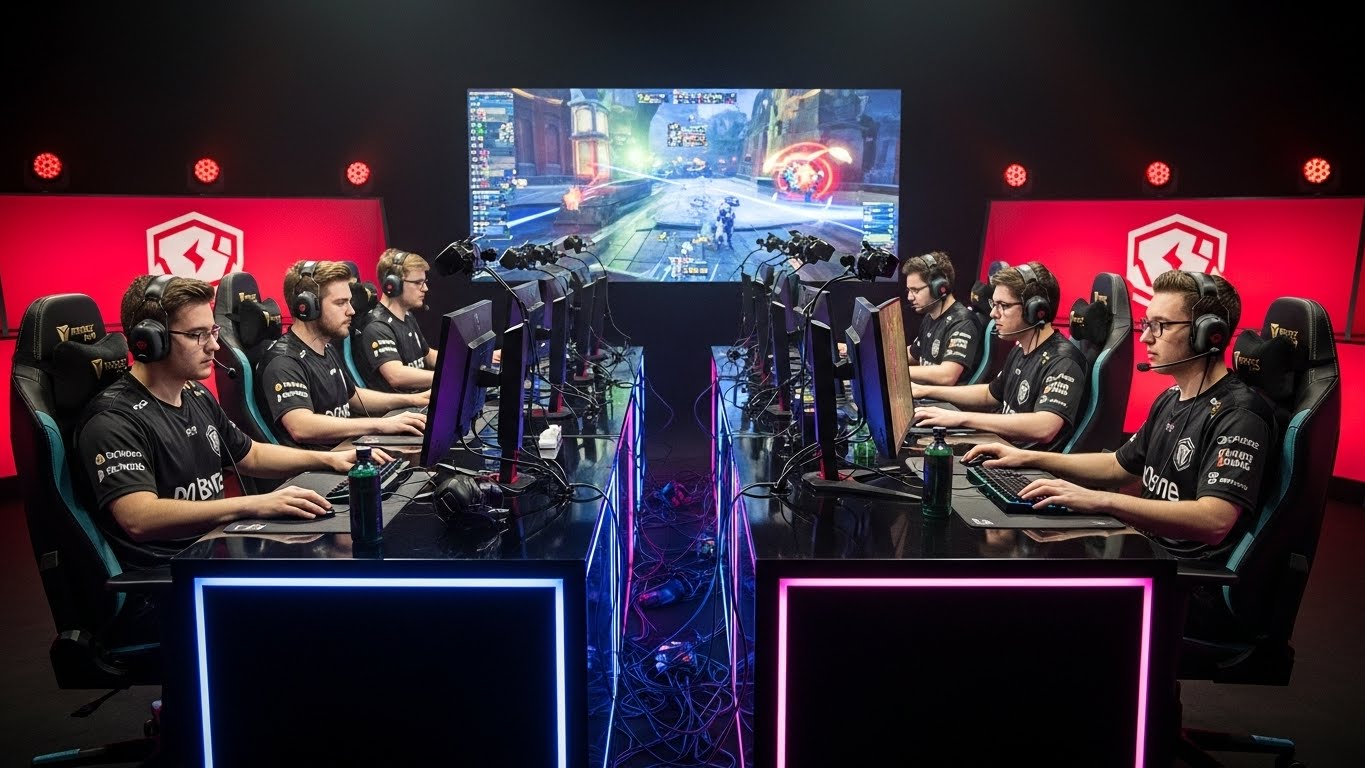
Esports, short for “electronic sports,” refers to organized, multiplayer video game competitions, particularly between professional players or teams. Unlike casual gaming, esports takes place in a highly competitive, often tournament-based format, where skill, strategy, and teamwork are paramount.
The competitive gaming landscape has expanded over the years, with various genres dominating the scene. From first-person shooters (FPS) like Counter-Strike: Global Offensive and Call of Duty, to real-time strategy games like StarCraft and Dota 2, to the multiplayer online battle arena (MOBA) games like League of Legends and Smite, esports covers a broad spectrum of genres, ensuring there’s something for everyone.
The Rise of Esports: From Hobby to Global Phenomenon
The journey of esports from a niche hobby to a global industry can be traced back to the late 1990s and early 2000s. While gaming had always been competitive, it wasn’t until the advent of faster internet speeds and online multiplayer gaming that true esports began to take shape. StarCraft, Quake, and Warcraft III were some of the first games to feature professional-level competitions, laying the groundwork for what would become a booming industry.
The launch of platforms like Battle.net and the rise of streaming services like Twitch in the 2010s provided the perfect ecosystem for competitive gaming to thrive. What started with a few passionate gamers streaming their play on niche websites grew into one of the largest entertainment sectors, with millions of viewers tuning in to watch live broadcasts of high-stakes esports tournaments.
Today, esports is an industry worth billions of dollars. Major tournaments draw millions of live viewers both online and in-person. In fact, some esports events now boast larger viewership numbers than traditional sports, especially with younger audiences. This exponential growth has solidified esports as a key player in the world of entertainment.
The Mechanics Behind Esports: Skill, Strategy, and Teamwork
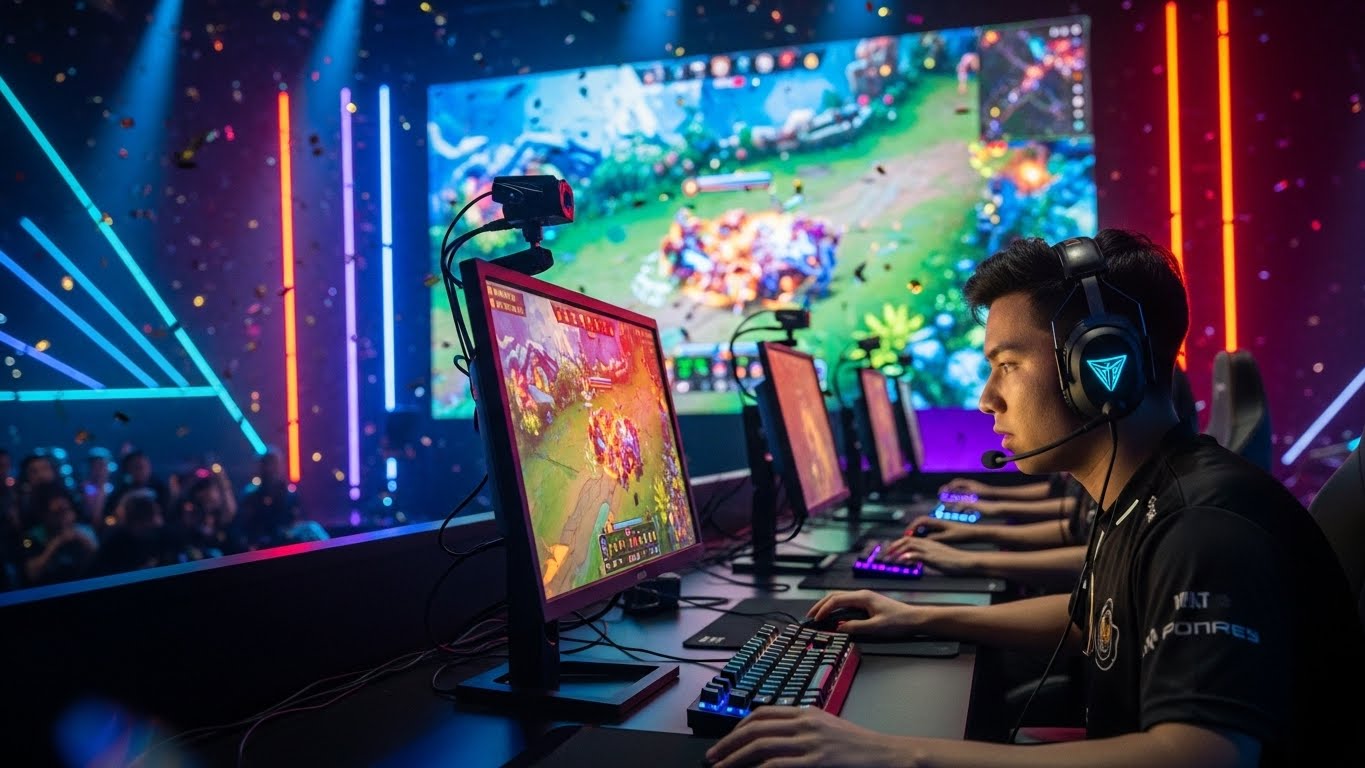
At the heart of esports lies an intense focus on skill, strategy, and teamwork. While anyone can play video games, succeeding in esports requires something far more substantial: hours of practice, deep knowledge of game mechanics, and the ability to work seamlessly with a team. Professional players spend countless hours perfecting their craft, often practicing for 8 to 12 hours a day.
Skill is the foundation. Esports players need to have fast reflexes, precision, and an in-depth understanding of the game’s mechanics. In Counter-Strike: Global Offensive, for example, players must be quick with their aiming and decision-making, as each round is high-stakes. In Dota 2, players must have a strong understanding of strategy, map awareness, and character selection.
Strategy is equally important. Unlike casual play, competitive gaming is all about understanding the nuances of your opponents’ tactics and creating a counter-strategy. Teams analyze every move they make, studying opponents and adapting to new strategies in real time.
Teamwork is the third pillar of esports. Many esports titles are team-based, such as League of Legends and Overwatch, and success is often a result of how well a team coordinates. Players need to communicate constantly, executing complex strategies and adapting as the game progresses. Each player has a specific role, and the synergy between teammates can often be the difference between victory and defeat.
Esports Events: A Thrilling Spectacle for Fans
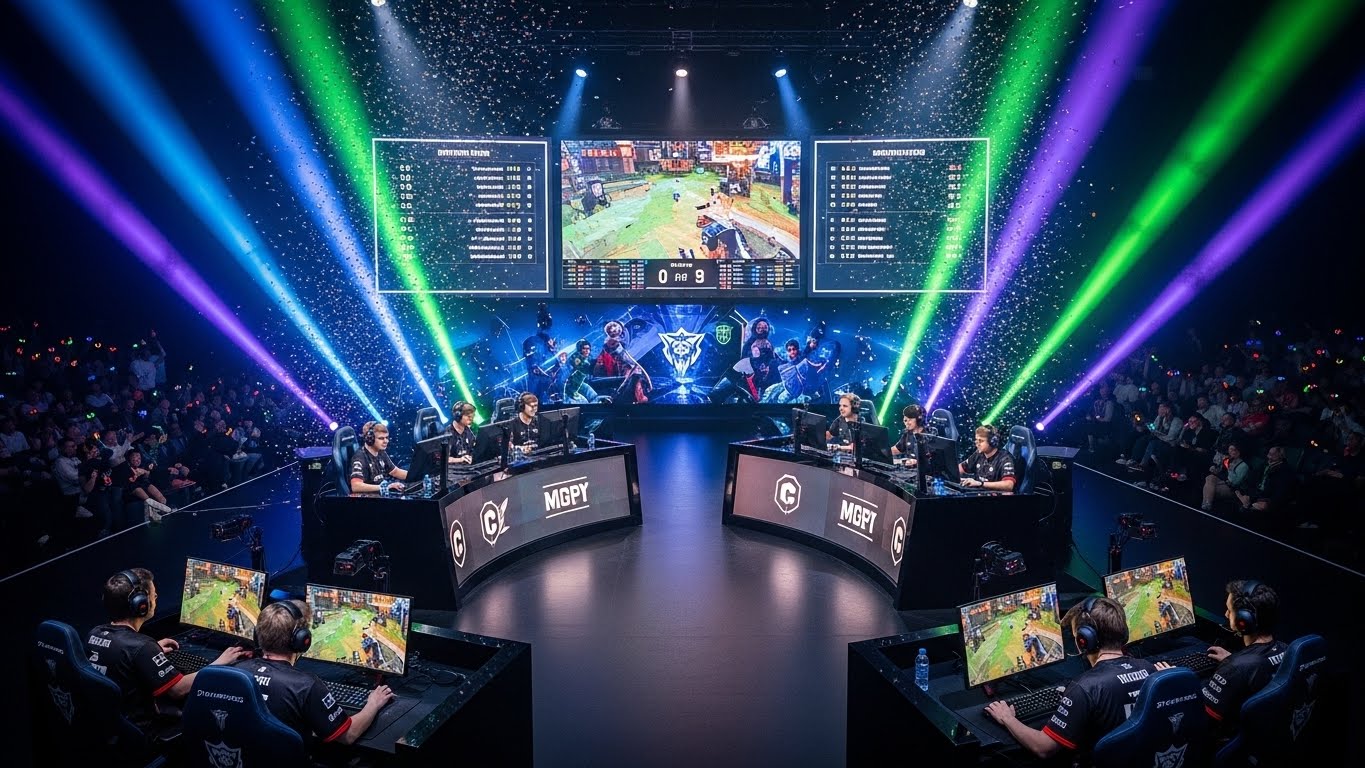
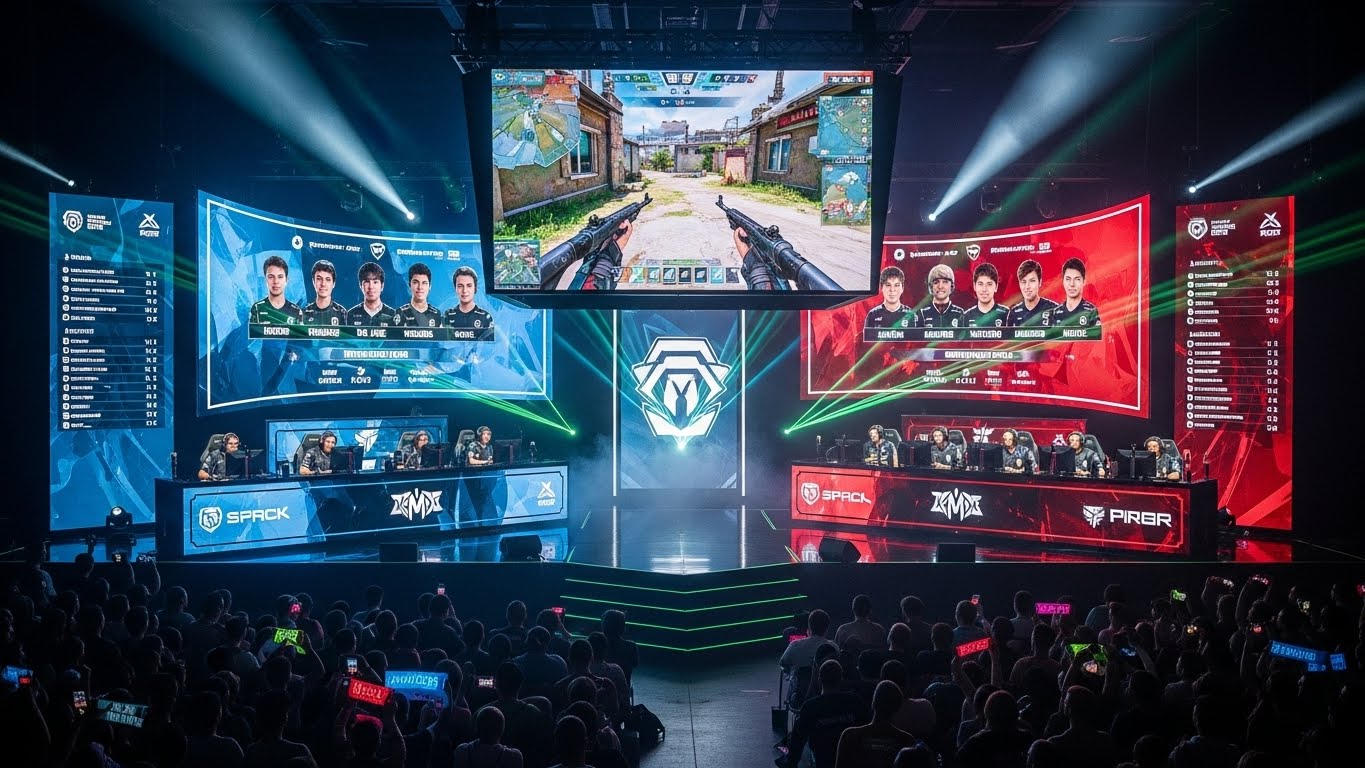
Esports events have evolved into massive spectacles. From regional tournaments to world championships, these events bring together the best players from around the globe.
Tournaments like the League of Legends World Championship, The International (Dota 2), and the Fortnite World Cup attract millions of viewers, both online and in person. These events often feature prize pools in the millions of dollars, and top-tier players and teams can earn substantial incomes through winnings, sponsorships, and media deals.
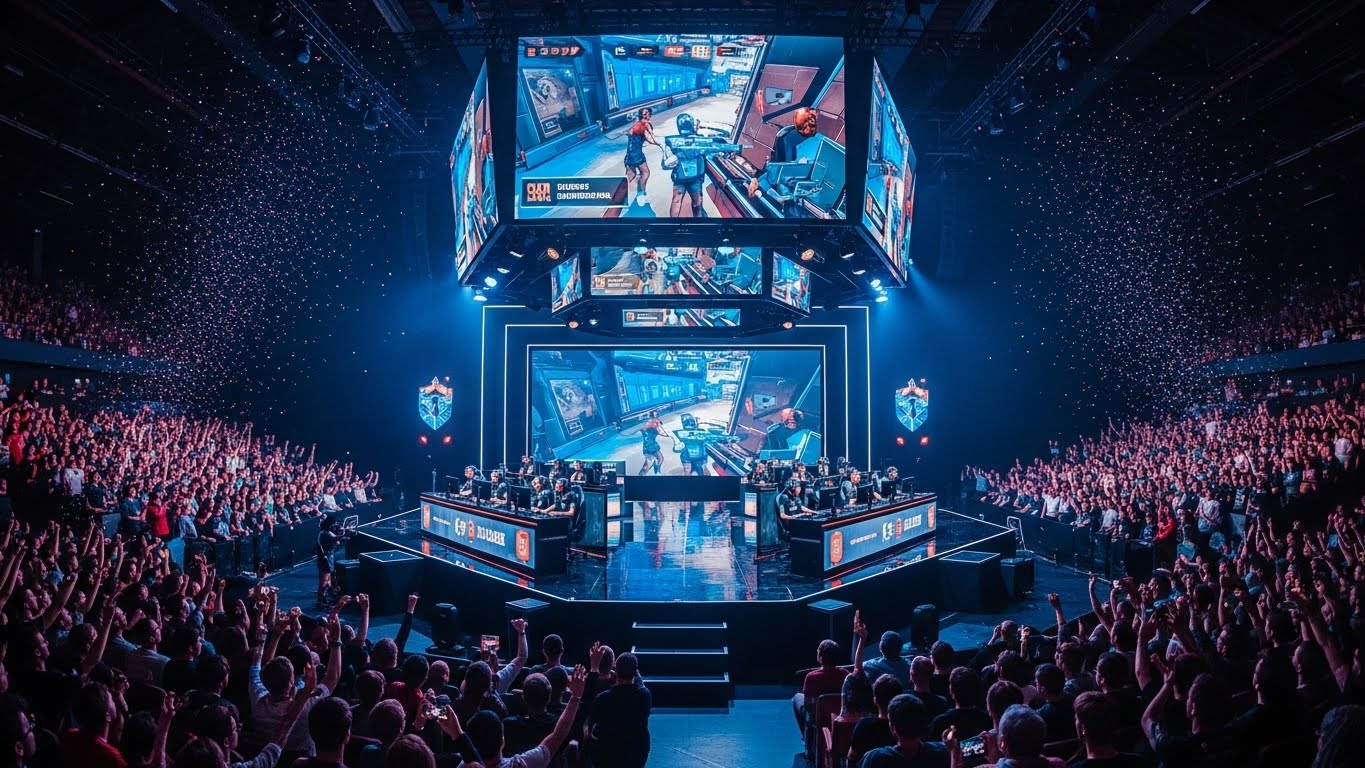
One of the most exciting aspects of esports events is the live viewing experience. Major tournaments are often held in large stadiums, where fans can watch the action unfold in real-time. The atmosphere in these venues is electric, with fans cheering for their favorite teams, creating an energy that rivals traditional sports events. In addition to live events, online streaming platforms like Twitch and YouTube Gaming provide fans with the opportunity to watch from anywhere in the world, contributing to the global reach of esports.
The Impact of Streaming on Esports Growth
Streaming platforms have played an instrumental role in the rise of esports. Twitch, the most popular streaming service for gamers, has given rise to a new form of entertainment. With millions of active streamers and viewers, Twitch has allowed players to showcase their skills, engage with fans, and build dedicated communities around their content.
Beyond individual streamers, esports tournaments are now broadcast live on these platforms, allowing fans to watch major events in real-time. Streamers and commentators provide live commentary, breaking down strategies and keeping viewers engaged. This interaction between fans and players has created a unique dynamic that has helped esports grow in both popularity and legitimacy.
Moreover, the rise of streaming has provided a platform for new content creators to enter the world of esports, even without being professional players. Gamers can now make a career out of streaming their gameplay, hosting tournaments, and creating content that resonates with esports fans. This has further diversified the industry and expanded the reach of esports beyond just professional players and teams.
Esports and the Business of Sponsorships
The commercial side of esports is another key factor in its explosive growth. Sponsorships play a crucial role in the esports ecosystem, with large brands recognizing the value of aligning themselves with popular games, players, and teams.
Brands like Intel, Nvidia, Coca-Cola, Red Bull, and Nike have partnered with esports organizations, providing financial support, equipment, and marketing in exchange for brand exposure. These partnerships are vital in sustaining the esports industry, helping to fund everything from prize pools to player salaries.
Moreover, esports organizations often sign lucrative sponsorship deals, which help them secure the best players, build top-tier facilities, and enhance their brand presence globally. Sponsorships help to create a mutually beneficial ecosystem, where sponsors can tap into the passionate and engaged esports audience, and esports teams can continue to thrive and grow.
The Future of Esports: Innovations and Opportunities
The future of esports is bright, with continued innovations and growth expected in the coming years. As the industry matures, we can expect to see more mainstream recognition and integration into traditional media. Esports may eventually become part of the Olympic Games, or perhaps even larger global events, further cementing its place in the world of competitive entertainment.
Technology will also continue to shape the future of esports. Innovations in virtual reality (VR) and augmented reality (AR) could revolutionize the way tournaments are played and experienced. Imagine being able to immerse yourself in a virtual arena or interact with players in a way never before possible—VR and AR could bring a whole new dimension to esports viewing.
Another exciting possibility is the growth of esports education. Many universities and colleges now offer scholarships and specialized programs for students pursuing careers in esports, from player development to management and broadcasting. This shift toward education will help ensure the continued growth and professionalism of the industry, preparing the next generation of esports athletes, analysts, and executives.
Conclusion: Esports as the Future of Entertainment
Esports has come a long way since its early days as a hobby for a small community of gamers. Today, it is a global entertainment powerhouse that is revolutionizing the way we think about sports and competition. With millions of fans, professional players, and a booming economy, esports has proven that it’s more than just a passing trend—it’s here to stay.
As the industry continues to evolve, we can expect even more innovation, opportunities, and global recognition for competitive gaming. For fans and players alike, esports offers an exciting, ever-growing world of entertainment that has only just begun to reach its full potential.