clashcircle44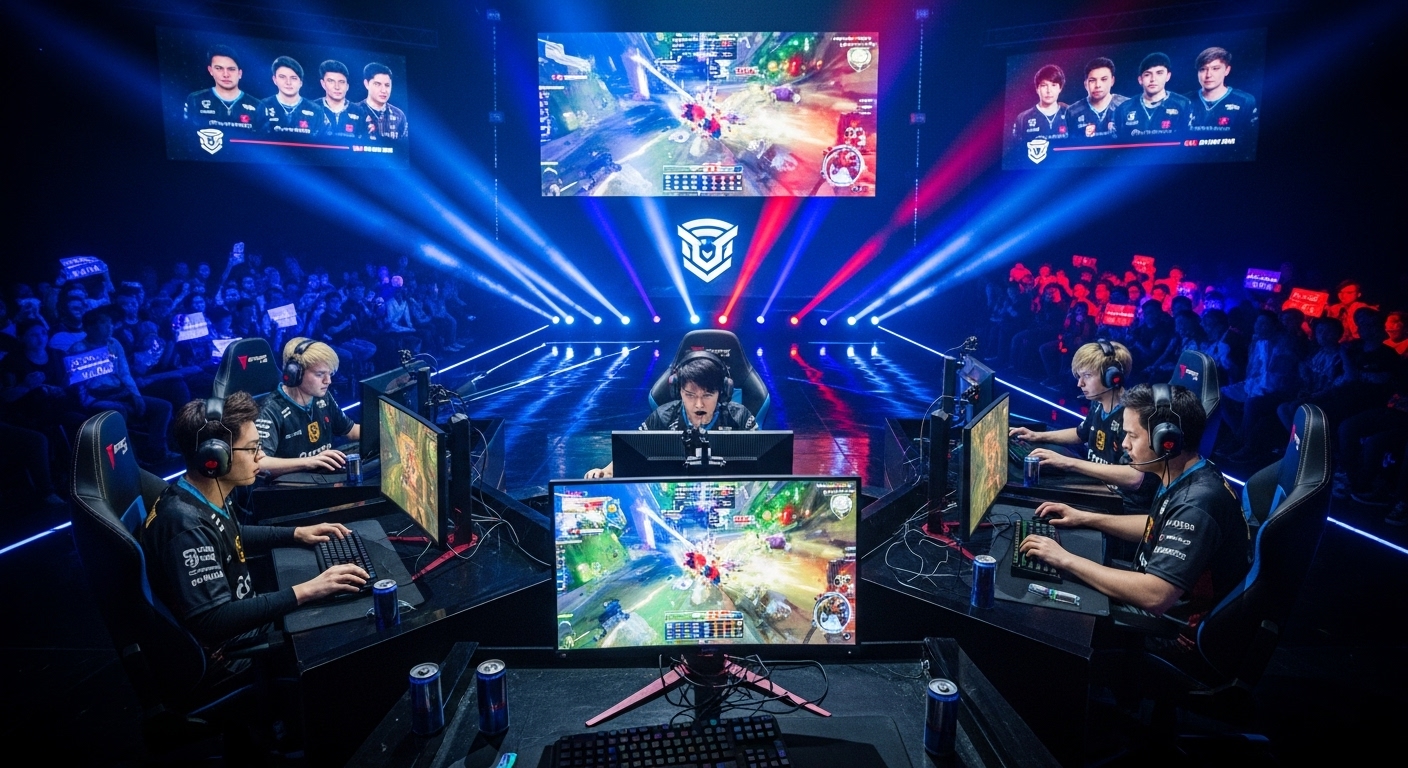
Introduction
Esports, or competitive gaming, has transformed the way we view games and digital entertainment. What was once considered a niche hobby is now a billion-dollar global phenomenon that rivals traditional sports in popularity, viewership, and professional opportunities. From casual online competitions to massive international tournaments, esports has carved its place in the hearts of millions of players and fans worldwide.
Esports represents the convergence of technology, skill, strategy, and community. Players are no longer just hobbyists; they are professionals, celebrities, and influencers who train rigorously, compete intensely, and inspire millions. This blog explores the history, development, and future of esports, examining how it has reshaped gaming and entertainment as a whole.
The Origins of Competitive Gaming
The origins of esports can be traced back to the late 1970s and early 1980s, when early arcade games sparked friendly competition among players. Games like “Space Invaders” and “Pac-Man” encouraged high-score challenges, fostering the first competitive gaming communities.
By the 1980s, organized tournaments began to appear, with competitions such as the Space Invaders Championship in 1980 drawing thousands of participants. These early events demonstrated the social and competitive appeal of gaming, laying the groundwork for a professional industry.
The 1990s brought the rise of PC gaming, which allowed players to connect over networks and compete remotely. Titles like “Quake,” “StarCraft,” and “Warcraft” became staples in competitive gaming, and the concept of tournaments with cash prizes began to emerge. This era marked the birth of esports as more than a casual pastime.
The Growth of Esports in the 2000s
The 2000s saw a dramatic expansion of esports, fueled by the proliferation of high-speed internet and multiplayer games. Online platforms allowed players to compete globally, creating communities and fostering rivalries that transcended local gaming clubs.
Games such as “Counter-Strike,” “DotA,” and “World of Warcraft” introduced complex strategies and teamwork, elevating the skill ceiling for competitive play. Professional leagues began forming, offering structured schedules, rankings, and official competitions.
During this time, South Korea emerged as a global hub for esports, particularly in competitive StarCraft. Internet cafes, known as PC bangs, became cultural centers for gaming, and professional players gained recognition similar to traditional athletes. The Korean model demonstrated the potential for esports to become a legitimate professional career path.
Esports as a Professional Career
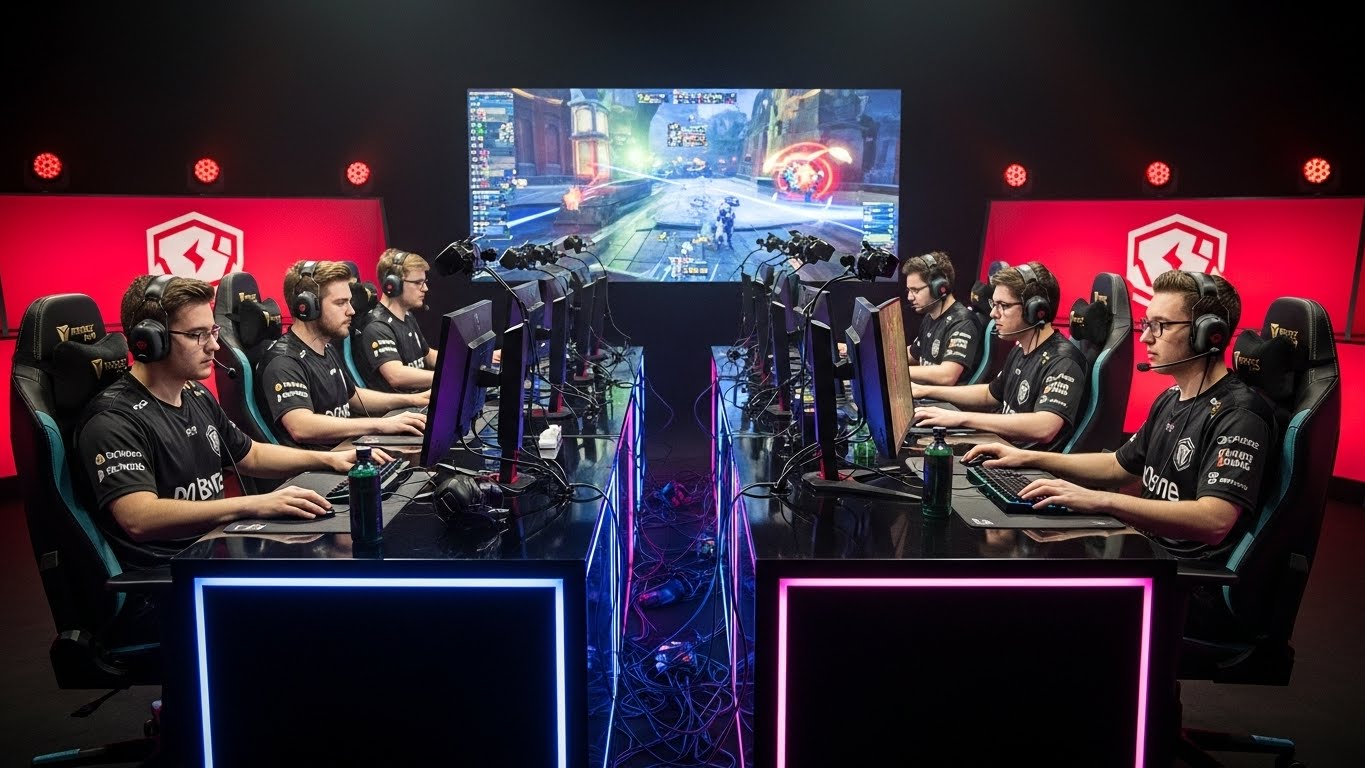
Today, esports offers players a wide range of professional opportunities. Skilled gamers can earn salaries, sponsorships, streaming revenue, and tournament prizes that rival those in traditional sports. Professional teams operate like sports franchises, complete with coaches, analysts, and training regimens.
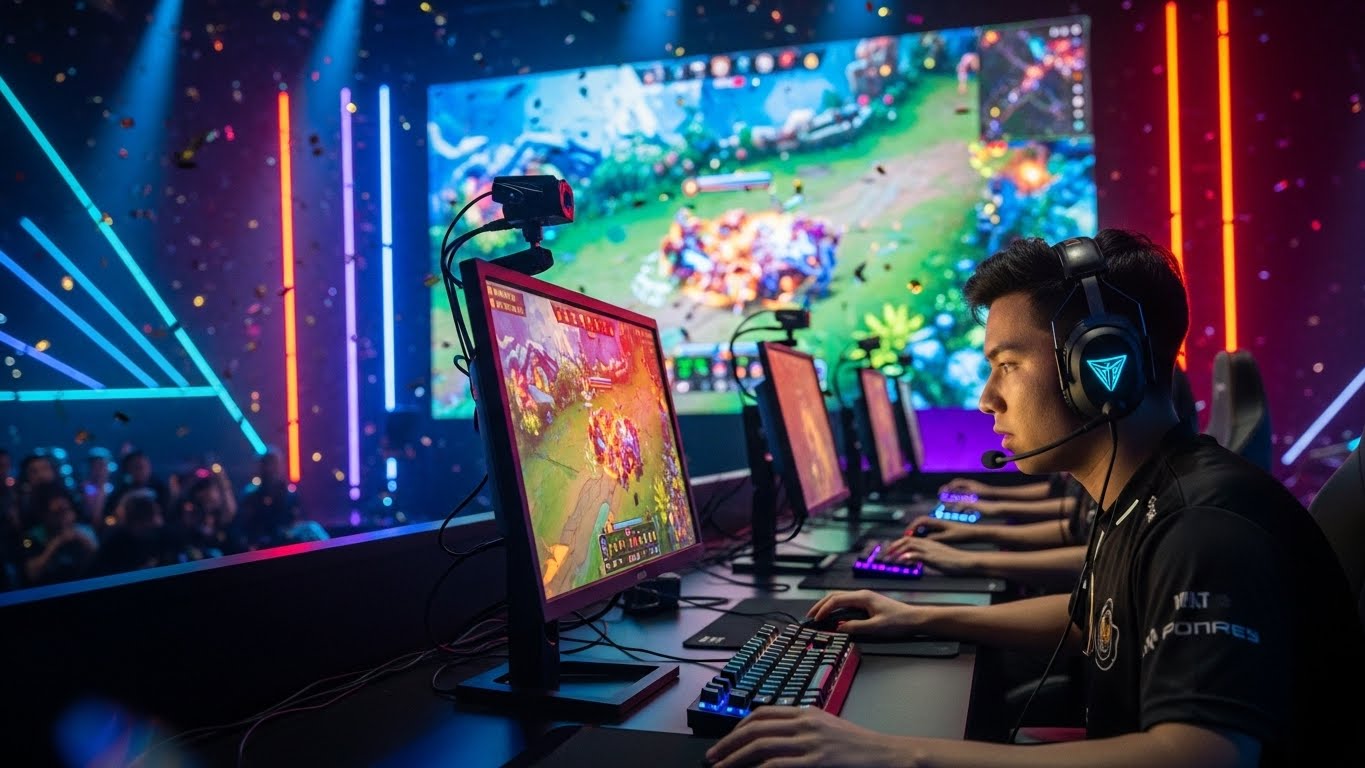
Professional players dedicate hours daily to practice, strategize, and maintain peak performance. Mental agility, reaction time, teamwork, and adaptability are critical skills that separate top players from the rest. The dedication required to succeed in esports mirrors that of any elite athlete, challenging outdated stereotypes about gaming as a casual hobby.
The industry also supports careers beyond playing, including coaching, commentating, content creation, event organization, marketing, and game development. Esports is a multifaceted ecosystem that combines competition, entertainment, and technology.
Popular Esports Titles
Esports encompasses a diverse range of game genres, each requiring unique skills and strategies. Multiplayer online battle arena (MOBA) games like “League of Legends” and “Dota 2” focus on teamwork, strategy, and coordination. First-person shooters (FPS) such as “Counter-Strike: Global Offensive” and “Valorant” emphasize precision, reflexes, and tactical awareness.
Battle royale games like “Fortnite” and “PUBG” combine survival, exploration, and fast-paced combat, while sports simulations such as “FIFA” and “NBA 2K” replicate traditional sports in a virtual environment. Fighting games like “Street Fighter” and “Tekken” focus on timing, combos, and psychological strategy.
The diversity of esports titles ensures a broad appeal and allows players to specialize in areas that suit their skills and interests. It also fosters innovation, as developers continually create new competitive games designed with esports in mind.
Esports Tournaments and Global Competitions
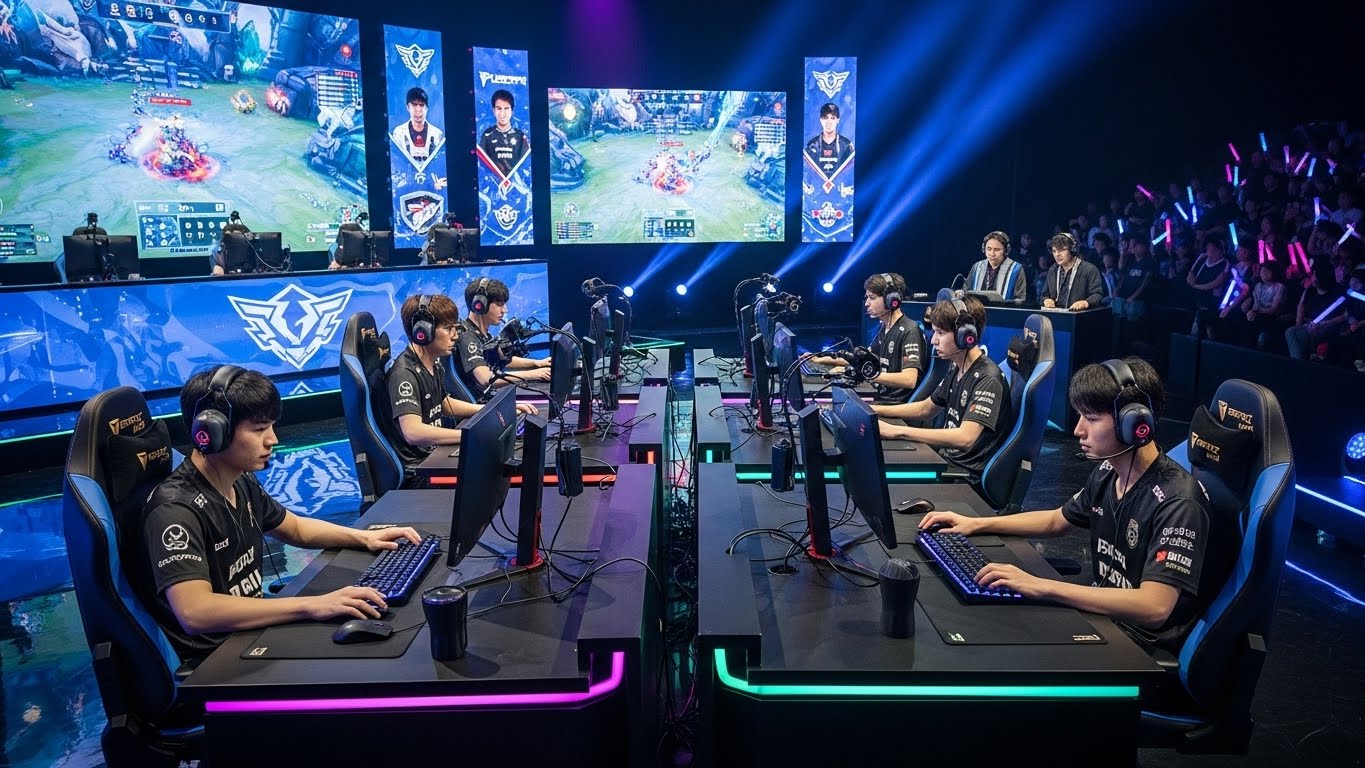
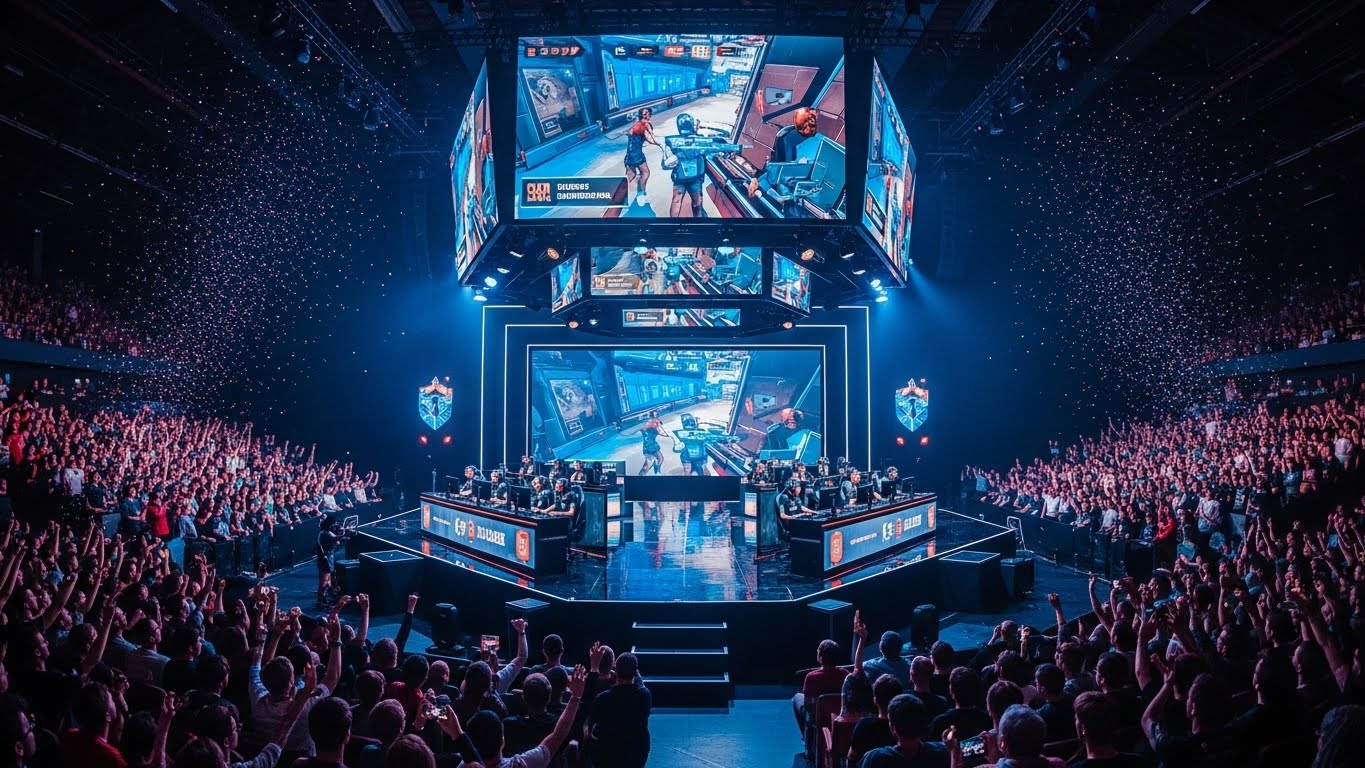
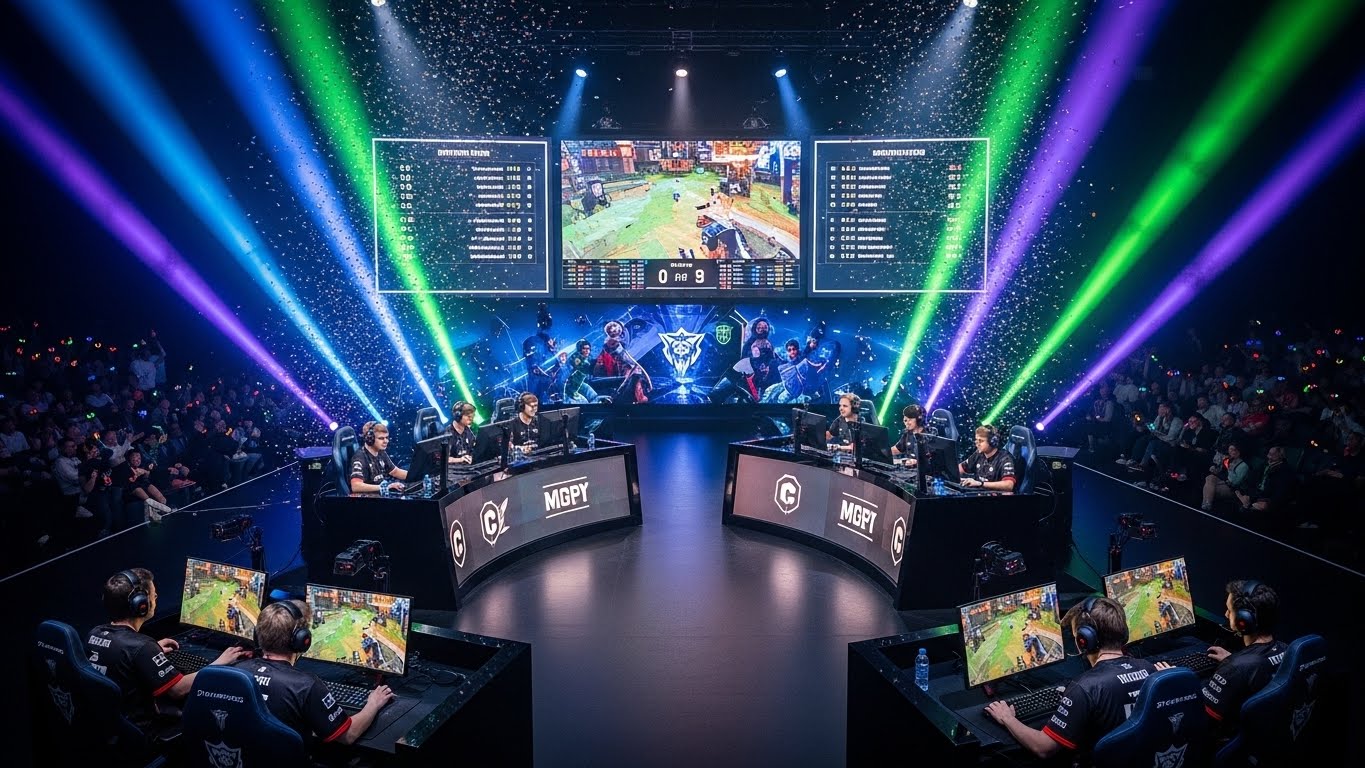
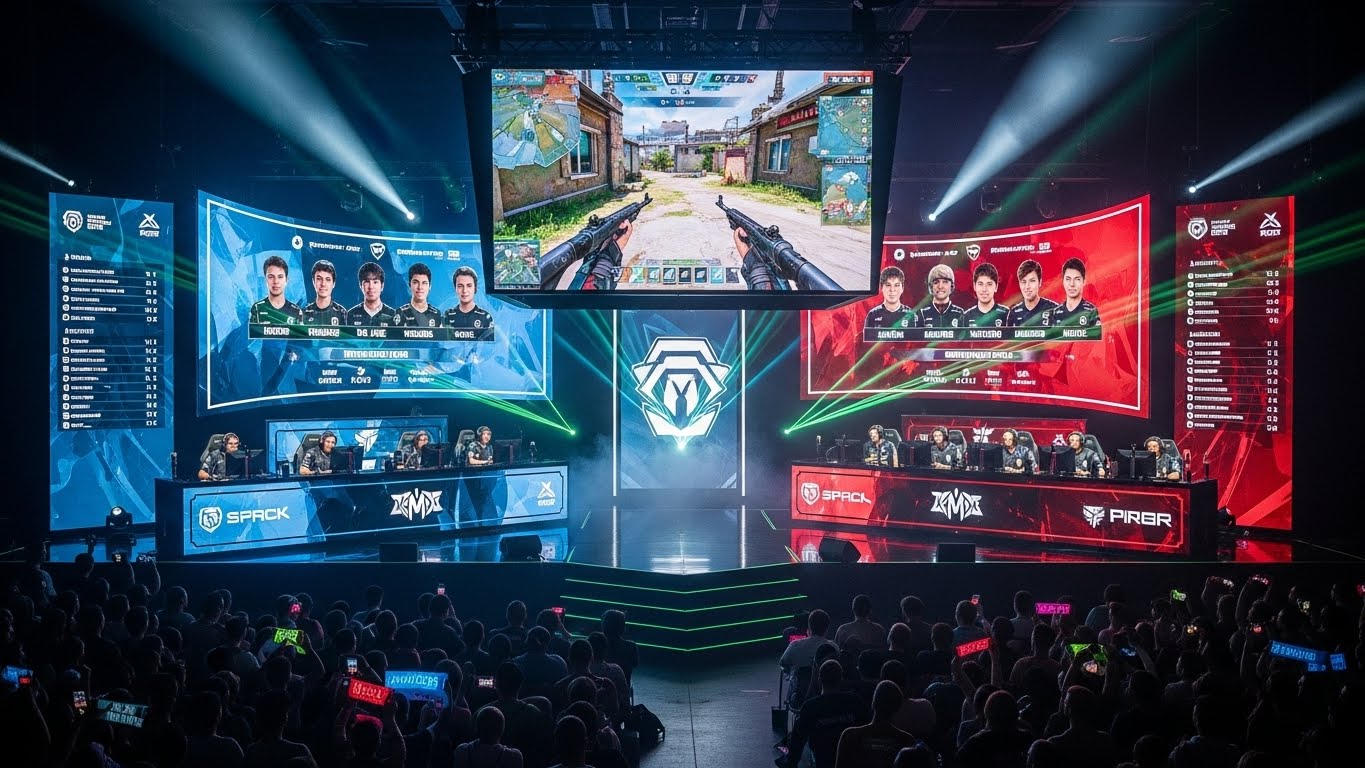
Tournaments are at the heart of esports. Competitive events range from small local competitions to massive international championships with multi-million-dollar prize pools. Major tournaments, such as the League of Legends World Championship, The International for Dota 2, and the Fortnite World Cup, attract millions of viewers both online and in arenas.
Live streaming platforms like Twitch, YouTube Gaming, and Facebook Gaming have revolutionized esports viewership. Fans can watch their favorite teams, analyze strategies, and engage with communities in real time. This accessibility has contributed to esports’ mainstream popularity, attracting sponsors, advertisers, and media attention.
International tournaments also promote cultural exchange and global connectivity. Players from different countries compete on the same stage, creating shared experiences that transcend geography and language. The global nature of esports highlights its unique ability to unite people through competition.
The Economics of Esports
Esports has become a major economic force, generating billions in revenue annually. Income streams include tournament prize pools, team sponsorships, advertising, streaming subscriptions, merchandise, and in-game purchases. The financial growth of the industry has attracted investors, major brands, and media companies, further legitimizing esports as a commercial enterprise.
Professional teams operate like business franchises, managing contracts, branding, and sponsorship deals. Esports organizations often diversify their revenue streams by producing content, hosting events, and partnering with tech companies. The industry’s economic ecosystem supports thousands of jobs and contributes significantly to digital entertainment markets worldwide.
Esports and Technology
Technology is fundamental to the esports phenomenon. High-performance gaming PCs, low-latency internet connections, and advanced peripherals ensure fair and competitive play. Software innovations enable live streaming, real-time analytics, and immersive viewing experiences.
Artificial intelligence and machine learning are increasingly used in esports for training, performance analysis, and audience engagement. AI-driven coaching systems provide insights on strategies, player habits, and opponent tendencies, enhancing competitive performance.
Virtual reality and augmented reality also promise to transform esports. VR competitions could offer immersive arenas, while AR overlays might provide live game data and analytics for both players and viewers. Technology continues to drive innovation, creating new possibilities for gameplay, training, and spectator experiences.
The Social Impact of Esports
Esports has redefined social interaction and community building in gaming. Online multiplayer games encourage teamwork, communication, and collaboration, fostering a sense of belonging among players. Communities form around teams, games, and streaming personalities, creating shared experiences and fan cultures.
Streaming platforms further enhance social connectivity by allowing players to broadcast gameplay, interact with viewers, and build personal brands. Many professional players also engage with fans through social media, creating a two-way relationship that strengthens loyalty and community.
Esports has also promoted diversity, providing opportunities for players from different backgrounds, genders, and regions to compete on equal footing. While challenges remain, the industry is increasingly focusing on inclusivity and accessibility.
Challenges Facing Esports
Despite its growth, esports faces several challenges. The intense demands on professional players can lead to burnout, stress, and health issues. Long hours of practice, constant travel, and public scrutiny place significant pressure on individuals. Organizations and teams are implementing wellness programs and mental health support to address these concerns.
Regulation and governance are also evolving. Issues such as match-fixing, cheating, and intellectual property disputes require oversight and standardized rules. Ensuring fair play and player safety remains a priority for the sustainable growth of esports.
Another challenge is overcoming cultural stereotypes. While esports is gaining mainstream acceptance, some still perceive gaming as frivolous or non-competitive. Education, media representation, and public engagement are essential to highlight the professionalism, skill, and dedication involved in esports.
The Future of Esports
The future of esports is bright and full of potential. Emerging technologies such as virtual reality, augmented reality, and artificial intelligence will create more immersive and strategic competitive experiences. Mobile esports is expanding rapidly, providing opportunities for broader participation and engagement.
Esports will also continue to integrate with mainstream media and entertainment. Collaborations with film, music, and traditional sports will enhance visibility and cultural relevance. Sponsorship and advertising will grow alongside technological innovations, making esports a central pillar of the entertainment industry.
Educational programs, scholarships, and professional leagues are creating clear career pathways for aspiring players. The continued professionalization of esports ensures that it will remain a legitimate and respected field for generations to come.
Esports as a Cultural Phenomenon
Esports is more than just competition; it is a cultural movement. It influences fashion, music, media, and lifestyle trends. Players and teams have become celebrities, shaping youth culture and inspiring fans to pursue their passions.
Merchandising, fan conventions, and online communities contribute to a shared cultural identity. Cosplay, themed events, and live experiences further enhance the social and entertainment aspects of esports. The cultural impact of esports is comparable to traditional sports, demonstrating its global significance and staying power.
Conclusion
Esports has evolved from small competitions among hobbyists to a global entertainment powerhouse. It combines strategy, skill, teamwork, technology, and community into an interactive and immersive experience. The industry continues to grow, innovate, and influence culture, economy, and society.
As technology advances and the audience expands, esports will continue to redefine what it means to compete, watch, and participate in gaming. Its professionalization, social impact, and cultural relevance ensure that esports is not just a trend but a permanent fixture in the world of entertainment.
From grassroots competitions to global championships, esports is a testament to the power of play, technology, and human connection. Its journey has only just begun, and the future promises even greater excitement, innovation, and opportunity for players and fans alike.