clashcircle44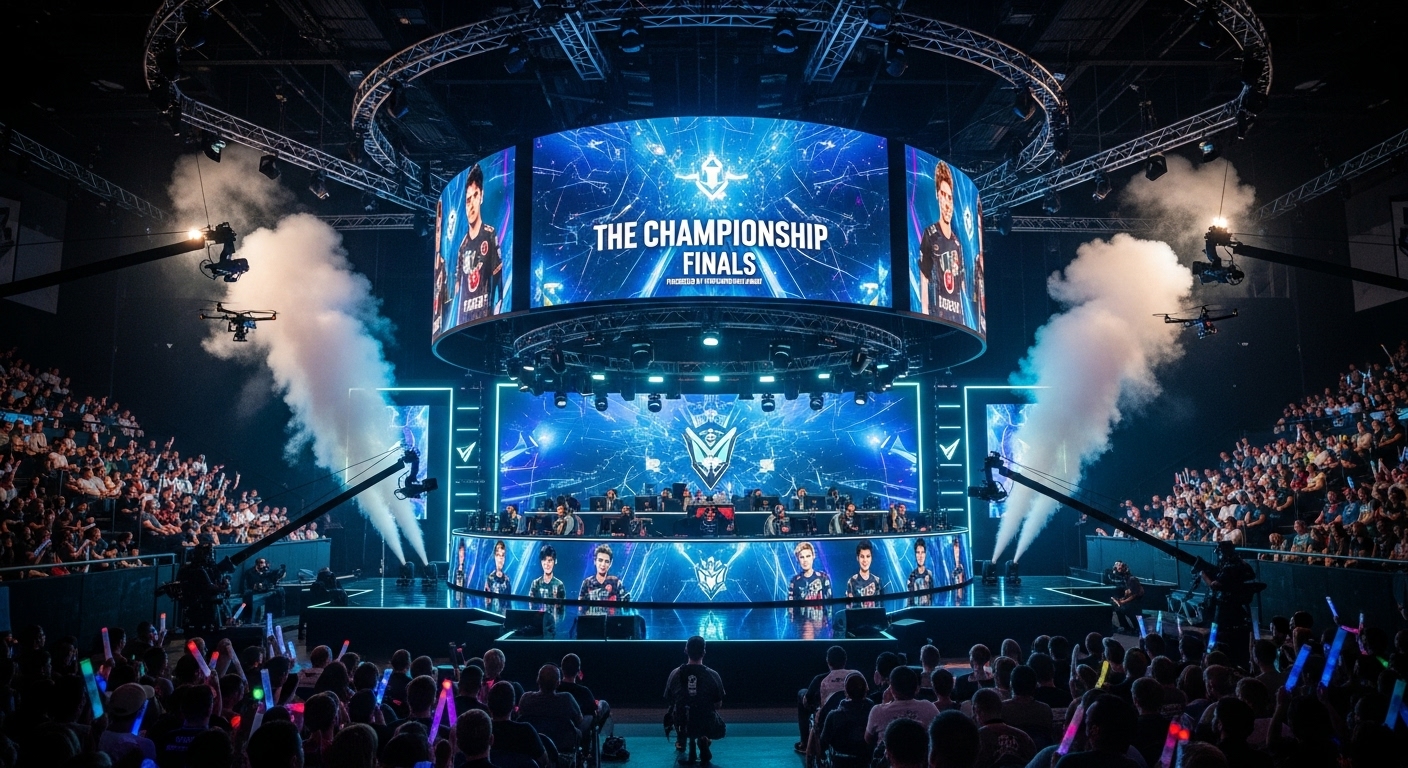
Introduction
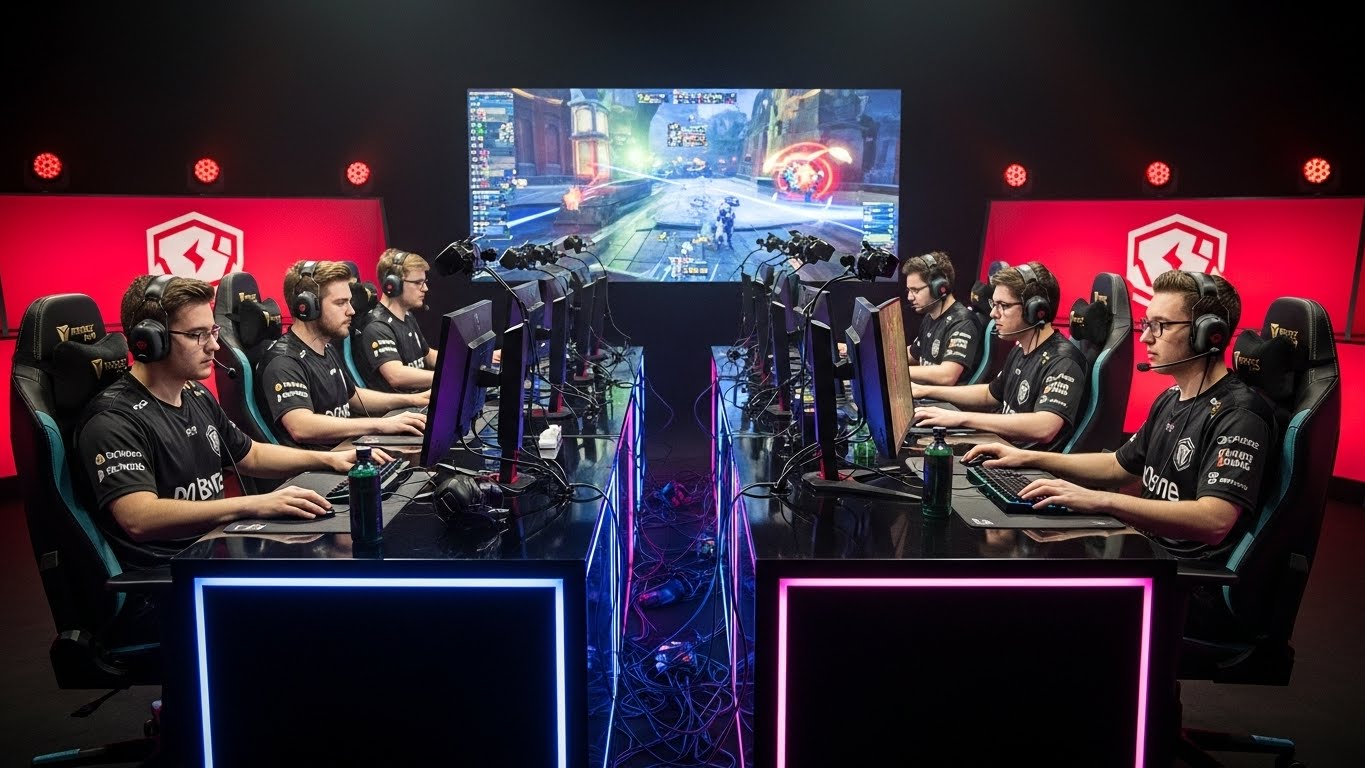
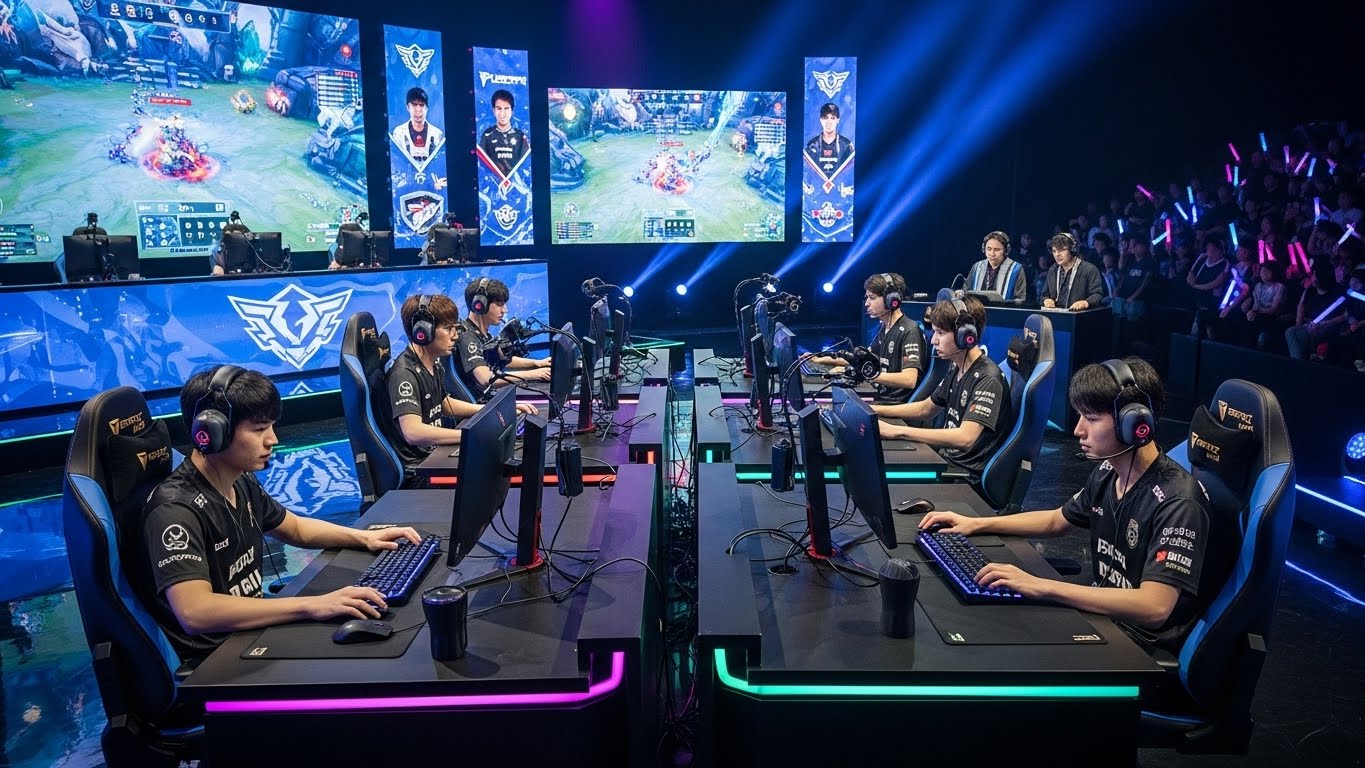
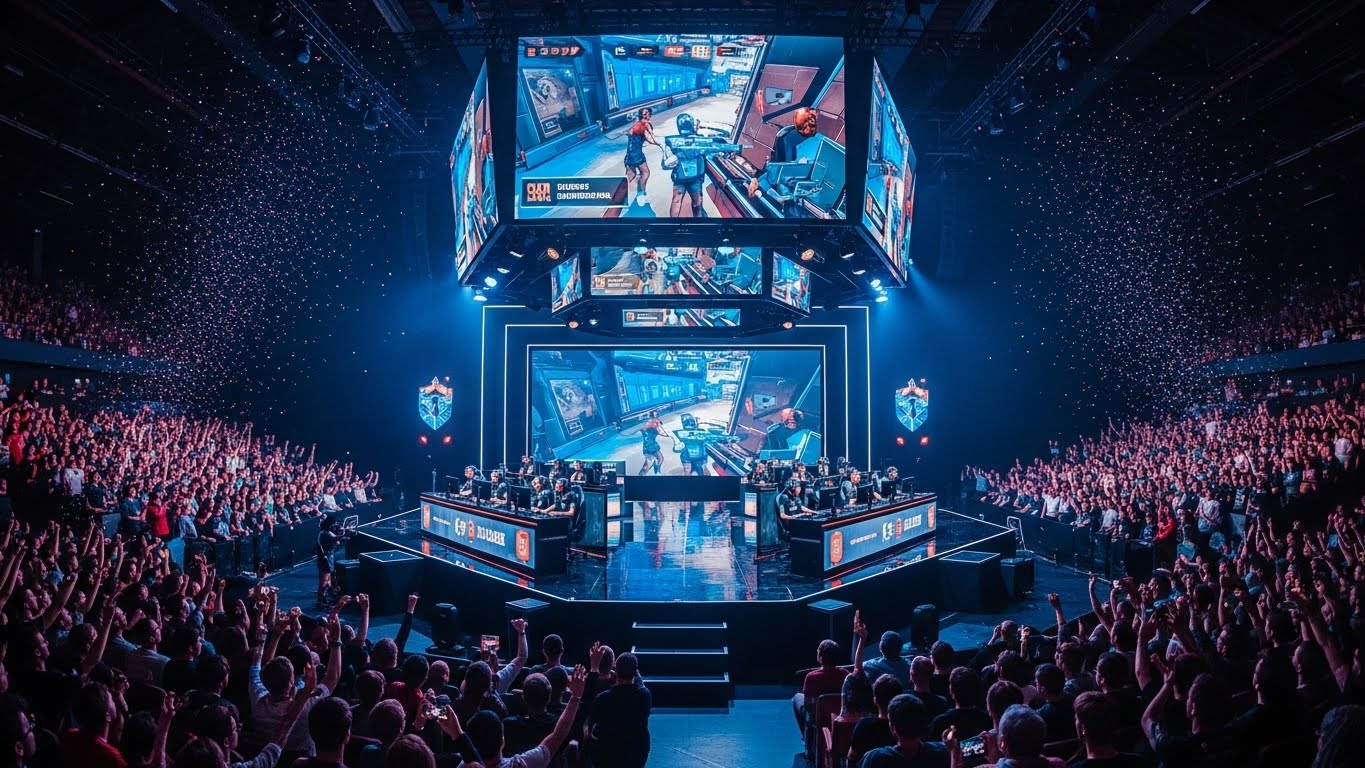
High-quality event production is essential to deliver immersive, professional esports experiences. From live tournaments to online broadcasts, production encompasses stage design, streaming, graphics, commentary, and logistics.
This blog explores esports event production, planning, technology, challenges, and future trends.
Importance of Event Production
- Enhances the fan experience, both online and offline.
- Supports professional branding and sponsor visibility.
- Ensures smooth tournament operations and player performance.
- Drives viewership, engagement, and monetization opportunities.
Components of Event Production
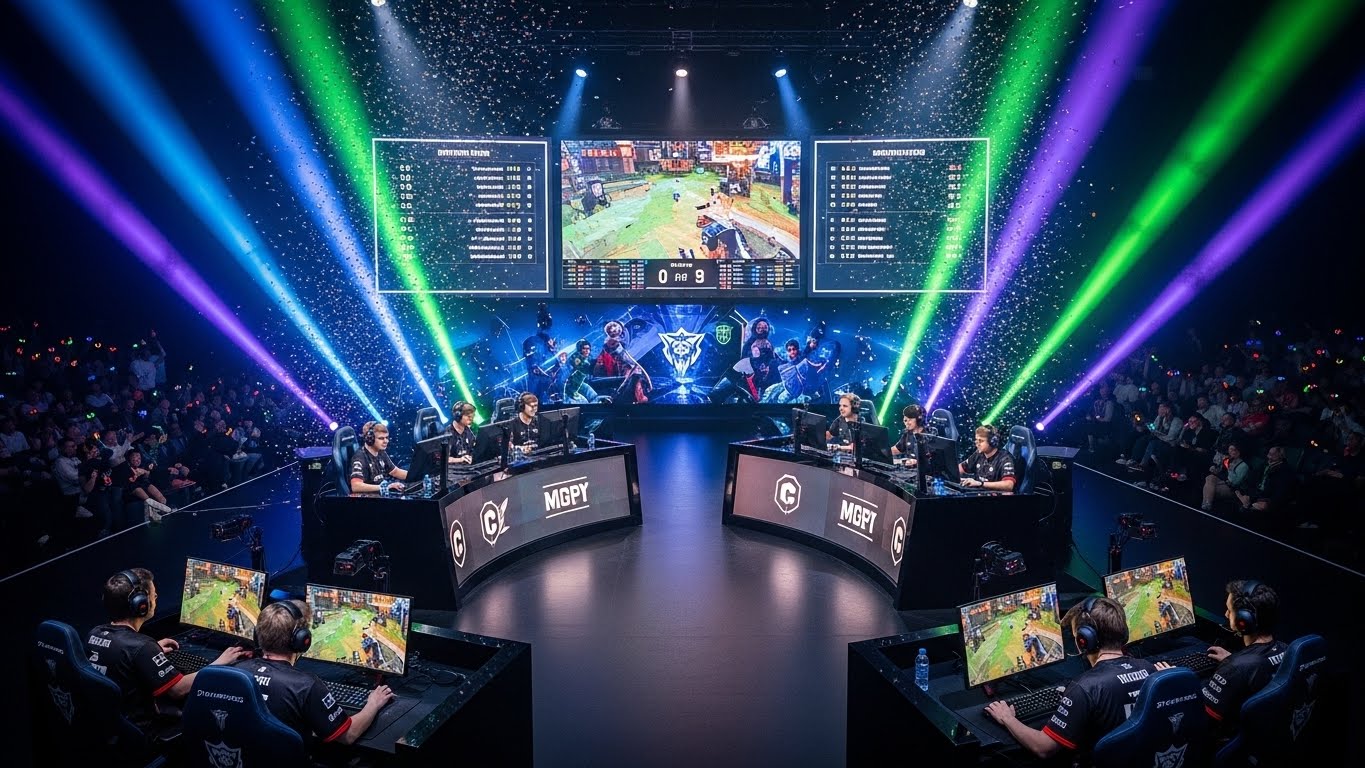
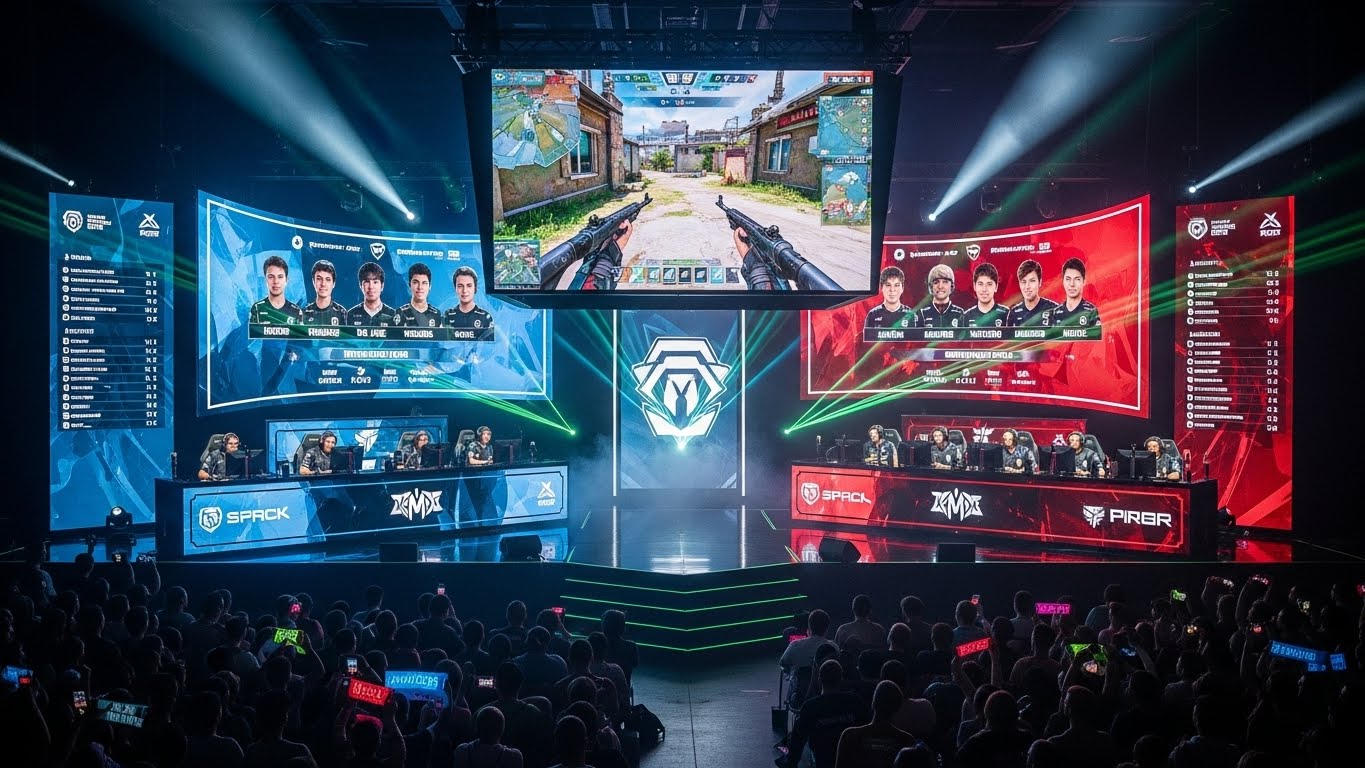
- Stage Design & Visuals: LED screens, lighting, and branded environments.
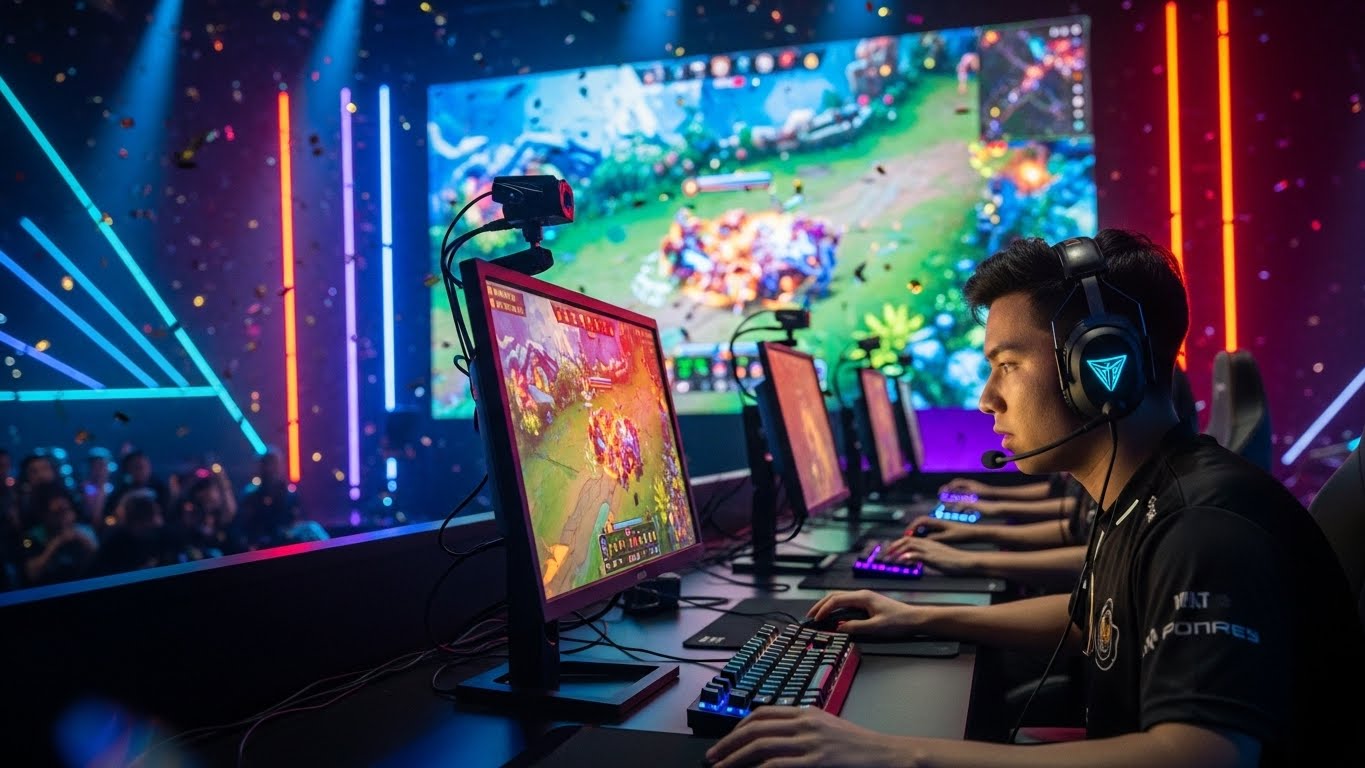
- Broadcasting & Streaming: Camera angles, overlays, live commentary, and production software.
- Audio & Commentary: Professional casters, sound design, and audience interaction.
- Tournament Logistics: Scheduling, equipment, player management, and referee operations.
- Fan Engagement: Interactive booths, giveaways, AR/VR experiences, and merchandise stands.
Technology in Event Production
- Real-time streaming platforms with multi-angle support.
- AI-assisted camera and graphics management.
- VR/AR for immersive fan experiences.
- Analytics dashboards for audience insights and engagement tracking.
Challenges
- Coordinating large-scale events with multiple teams, sponsors, and media partners.
- Technical issues including connectivity, streaming delays, and equipment failure.
- Ensuring global accessibility across time zones and languages.
- Budget constraints while maintaining high production quality.
Future Trends
- Hybrid events combining in-person and online participation.
- Advanced AR/VR experiences for immersive fan interaction.
- AI-powered production tools for automated camera angles and overlays.
- Data-driven fan engagement strategies integrated with live event experiences.
Conclusion
Esports event production is critical for creating memorable, professional experiences. By combining technology, creativity, and precise planning, organizers can deliver competitions that excite fans, satisfy sponsors, and elevate the esports industry.