clashcircle44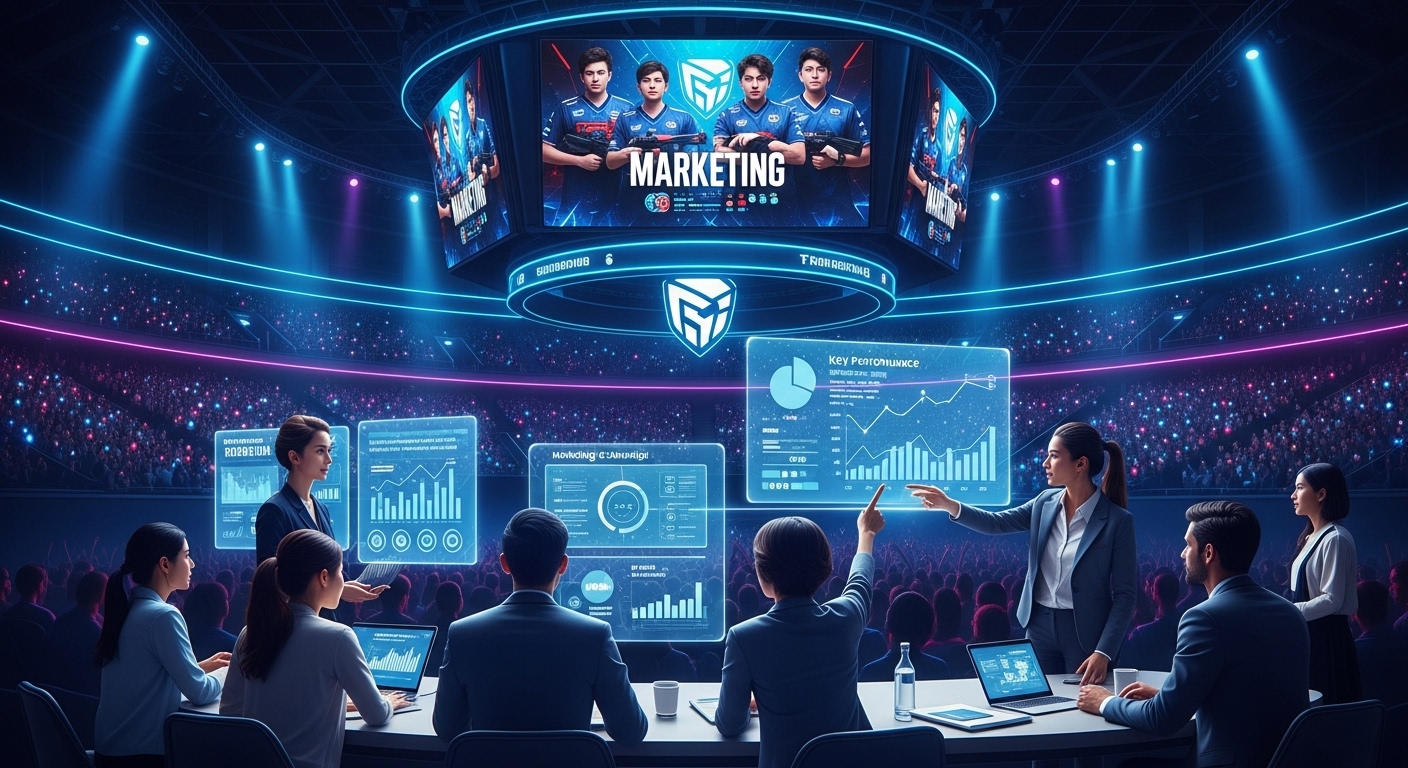
Introduction
Esports marketing has become a critical driver of growth for teams, players, and brands. With millions of viewers worldwide, esports offers unique opportunities to reach highly engaged audiences. Effective marketing strategies enhance visibility, fan engagement, and monetization.
This blog explores esports marketing channels, strategies, challenges, and future trends.
Understanding Esports Marketing
- Marketing in esports goes beyond traditional advertising.
- Includes digital campaigns, content creation, influencer partnerships, sponsorship activations, and event promotions.
- Focuses on building community, loyalty, and long-term engagement.
Key Marketing Channels
- Social Media: Twitter, Instagram, TikTok, Facebook for updates and campaigns.
- Streaming Platforms: Twitch, YouTube, and Facebook Gaming for interactive promotion.
- Content Marketing: Blogs, video tutorials, behind-the-scenes, and highlight reels.
- Email & Community Platforms: Discord, newsletters, and forums for direct fan communication.
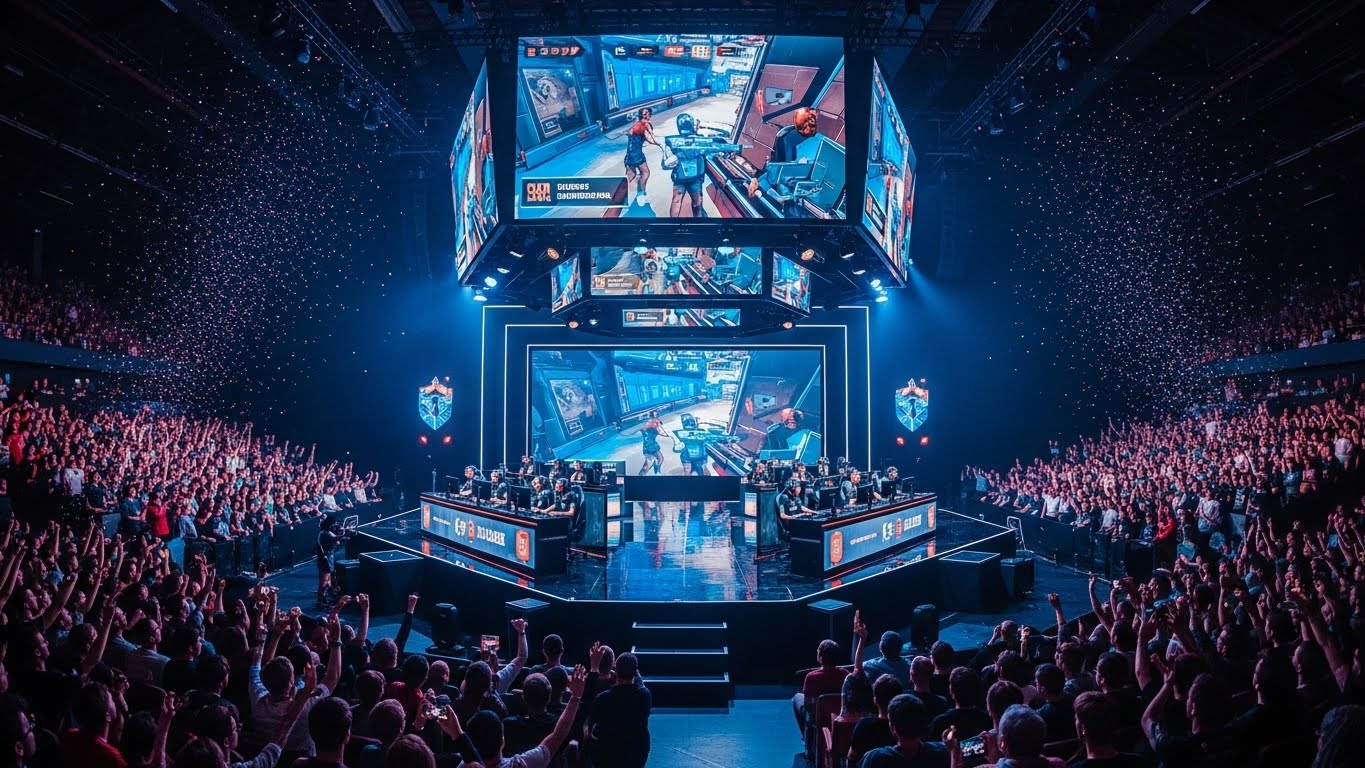
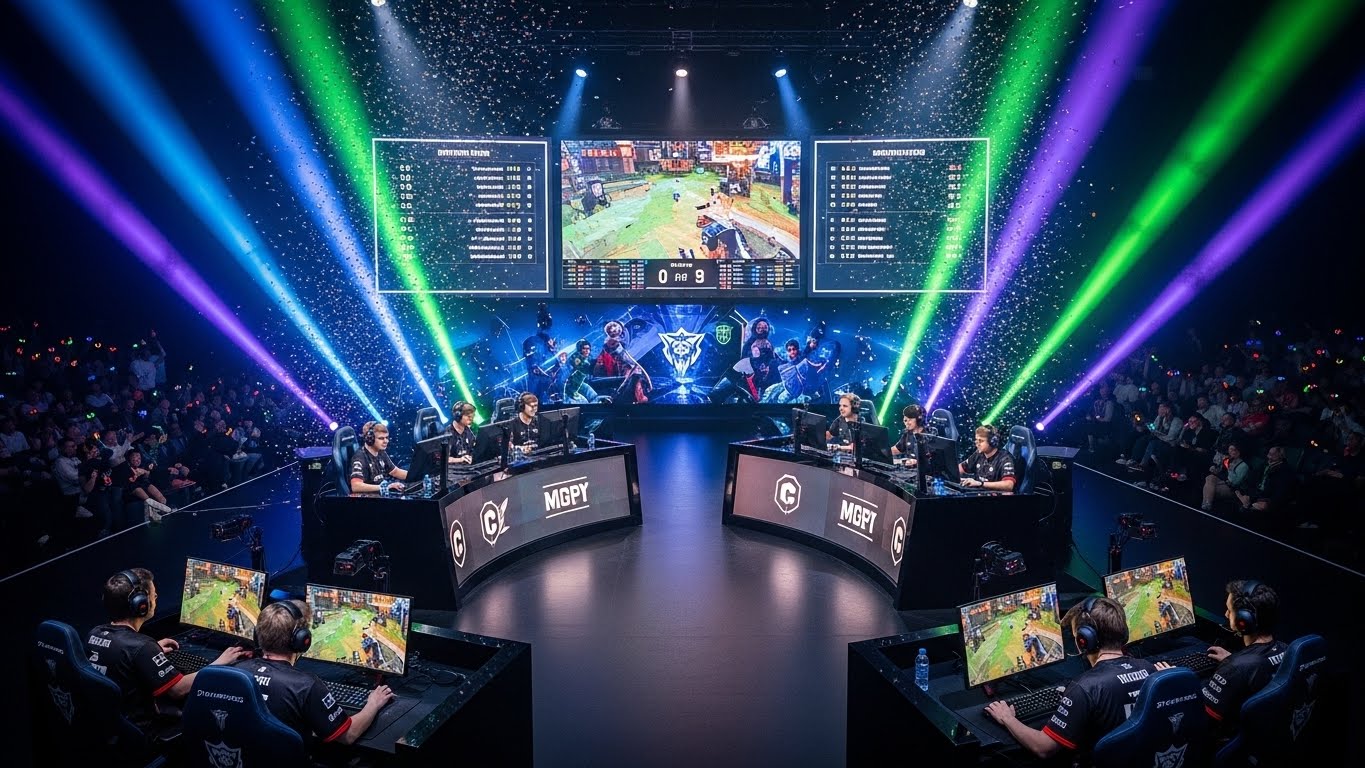
- Events & Tournaments: Branding through competitions, live events, and activations.
Marketing Strategies
- Influencer Collaborations: Partnering with popular streamers and content creators.
- Content Personalization: Tailoring campaigns to specific audience segments.
- Gamification: Engaging fans with rewards, challenges, and interactive experiences.
- Cross-Platform Integration: Promoting campaigns across mobile, PC, console, and social platforms.
- Data-Driven Campaigns: Using analytics to measure engagement, conversion, and ROI.
Measuring Success
- Audience reach and engagement metrics.
- Social media interactions and follower growth.
- Streaming viewership, watch time, and live participation.
- Conversion metrics for merchandise, subscriptions, and event registrations.
Challenges
- Maintaining authenticity while promoting brands.
- Adapting marketing to rapidly changing games and trends.
- Competition with thousands of teams and influencers.
- Ensuring campaigns are culturally sensitive and globally accessible.
Future Trends
- AI-driven marketing campaigns for personalized content delivery.
- AR/VR activations for immersive fan engagement.
- Blockchain integration for fan rewards and digital collectibles.
- Expansion into emerging regions with untapped esports audiences.
Conclusion
Esports marketing is more than advertising—it’s about creating authentic engagement and building lasting relationships with fans. Strategic, data-driven campaigns allow brands, teams, and players to thrive in a competitive industry.