clashcircle44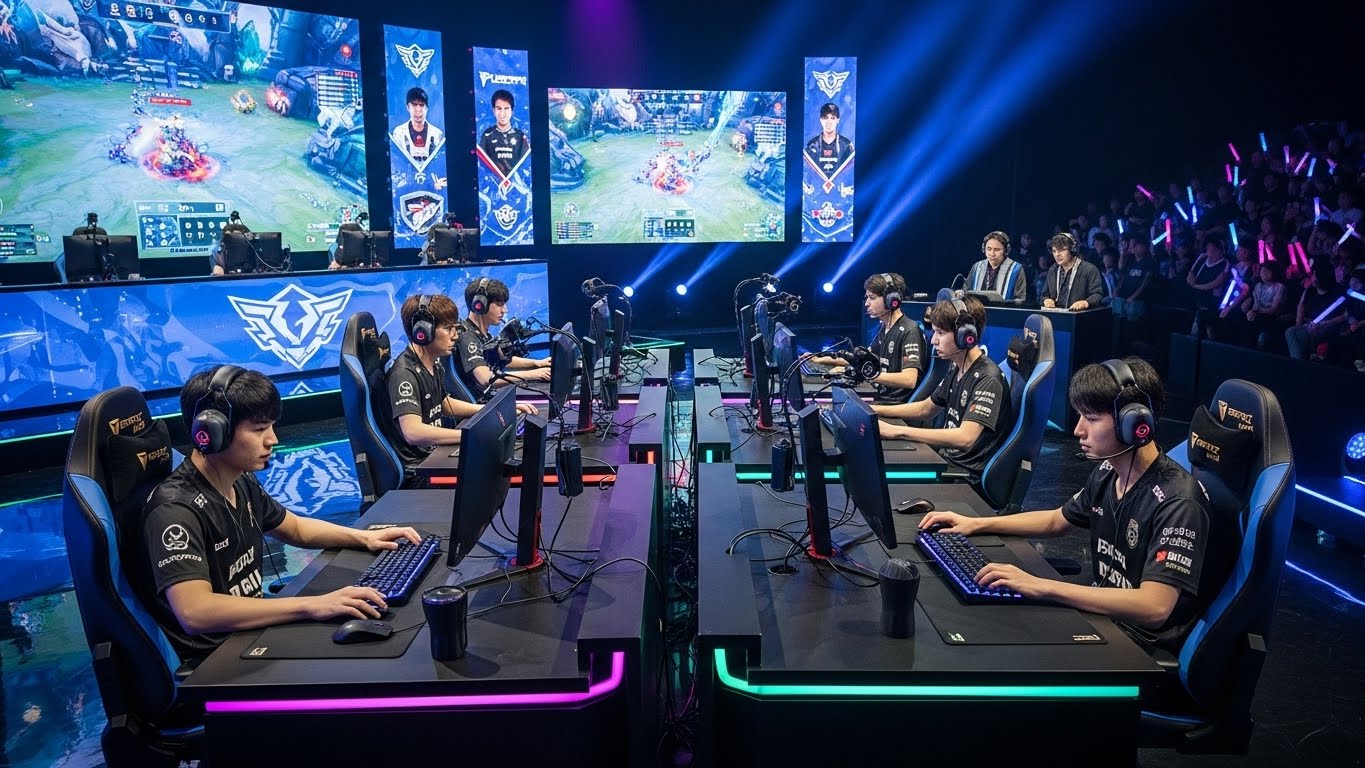
Introduction: When Gaming Became a Sport
What was once considered a casual pastime has evolved into one of the most influential competitive industries in the world. Esports, or electronic sports, refers to organized, competitive video gaming where individuals or teams face off in professional tournaments. Today, esports fills massive stadiums, attracts millions of online viewers, and offers prize pools that rival traditional sports. This transformation did not happen overnight. It is the result of technological progress, cultural shifts, and a new generation redefining what competition means in the digital age.
The Early Roots of Competitive Gaming
The origins of esports can be traced back to the late twentieth century when early arcade and console games sparked informal competitions. Players gathered in local arcades, competing for high scores and recognition rather than money. As home computers and gaming consoles became more accessible, competitive gaming slowly moved into homes and small community events. These early tournaments laid the foundation for structured competition, even though the scale was modest compared to today’s standards.
The real turning point came with the rise of the internet. Online multiplayer games allowed players from different regions to compete without being in the same physical space. This connectivity transformed gaming from a solitary or local activity into a global phenomenon.
The Growth of Esports in the Digital Era
The digital era accelerated the growth of esports at an unprecedented rate. Faster internet speeds, powerful gaming hardware, and streaming platforms enabled matches to be broadcast live to global audiences. Viewers could now watch professional players compete in real time, analyze strategies, and follow their favorite teams just like fans of traditional sports.
Game developers also began designing titles specifically with competitive play in mind. Balanced mechanics, ranked systems, and spectator-friendly features made games more suitable for professional tournaments. This shift encouraged sponsors, advertisers, and investors to take esports seriously as a long-term industry.
Popular Esports Genres and Games
Esports is not limited to a single type of game. It spans multiple genres, each appealing to different audiences and skill sets. Multiplayer online battle arena games emphasize strategy, teamwork, and map control. First-person shooters focus on precision, reflexes, and tactical coordination. Real-time strategy games demand high-level decision-making and resource management, while sports simulation games mirror real-world athletics in a digital format.
The diversity of genres has allowed esports to reach a broad demographic. Whether a viewer prefers fast-paced action or methodical strategy, there is a competitive game that caters to their interests.
Professional Players and Team Structures
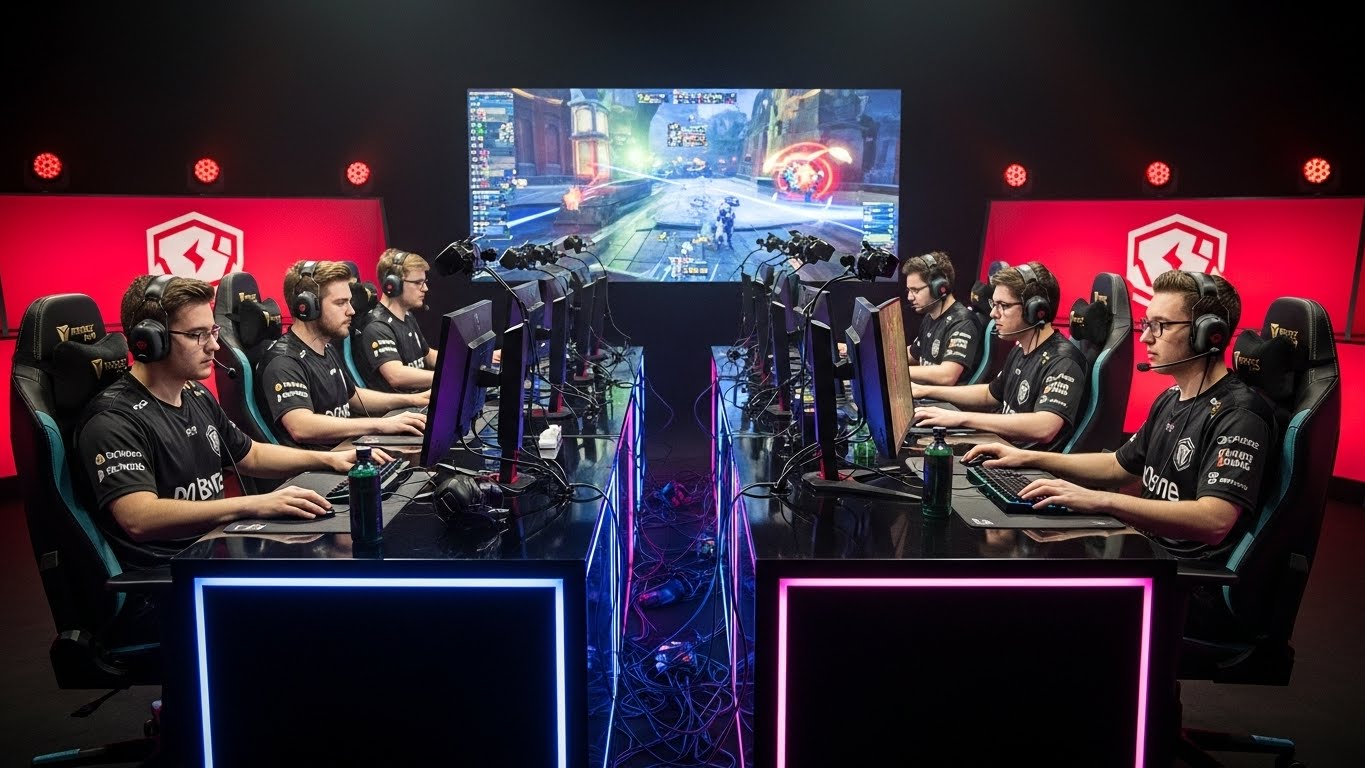
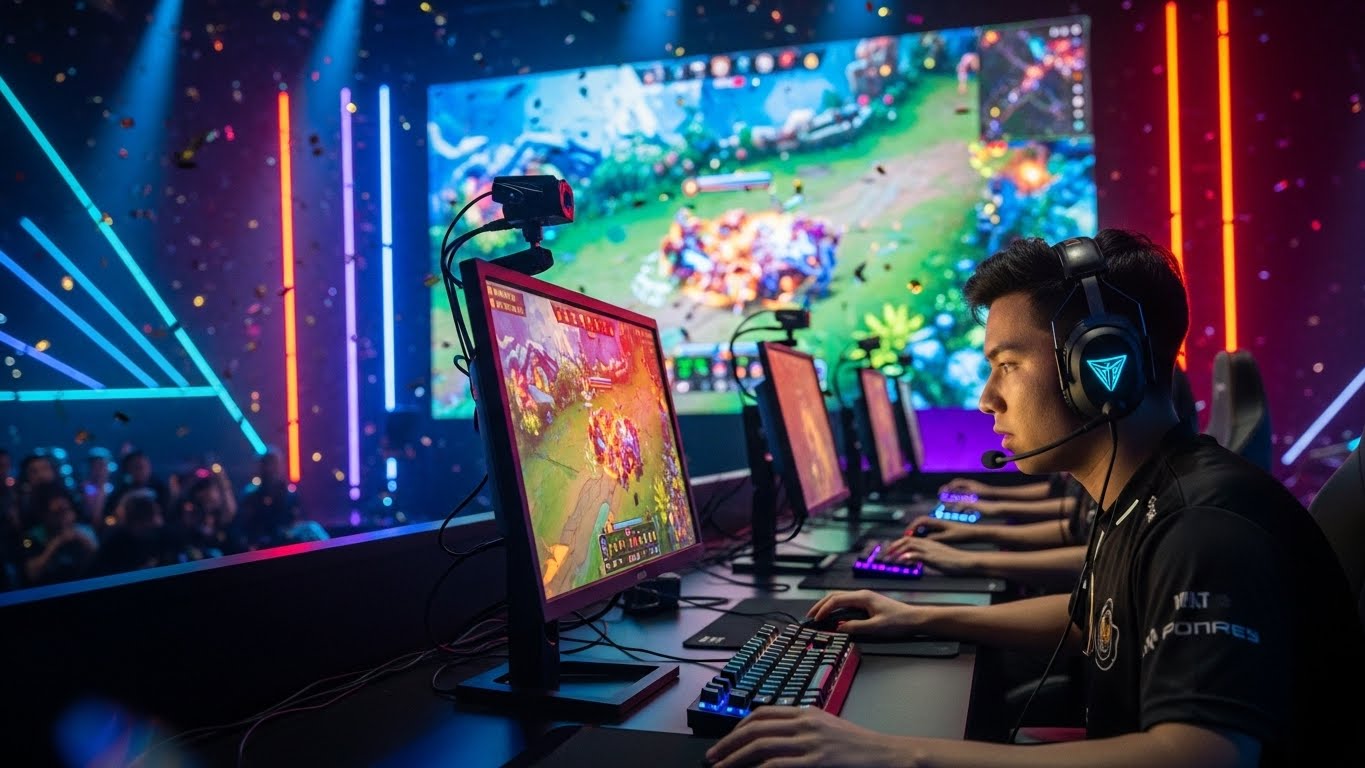
At the heart of esports are the professional players who dedicate countless hours to mastering their craft. These individuals often begin playing at a young age, refining their skills through practice, analysis, and competition. Contrary to stereotypes, professional gamers follow strict routines that include physical exercise, mental conditioning, and strategic study.
Teams function much like those in traditional sports. They have coaches, analysts, managers, and support staff who work together to improve performance. Training facilities, sponsorship contracts, and player transfers are now common, reflecting the professionalization of the industry.
Esports Tournaments and Global Events
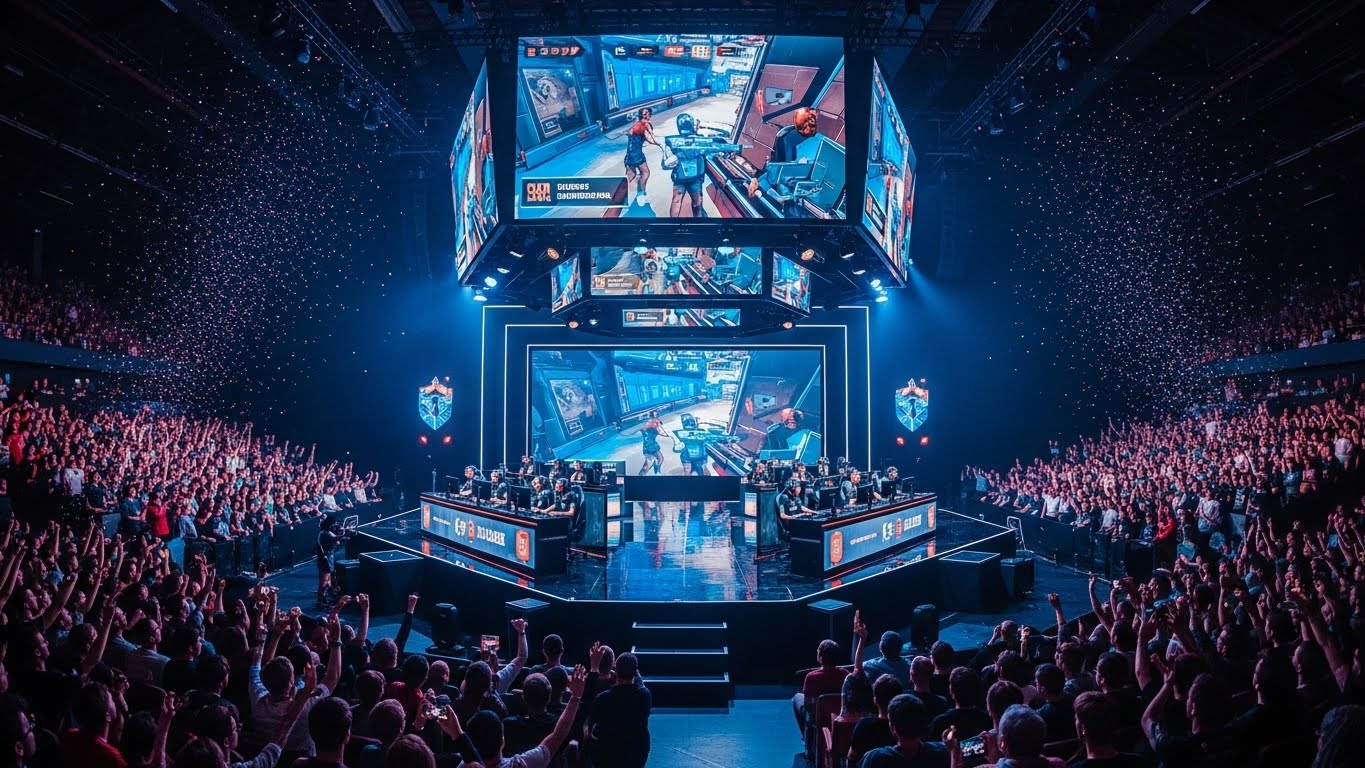
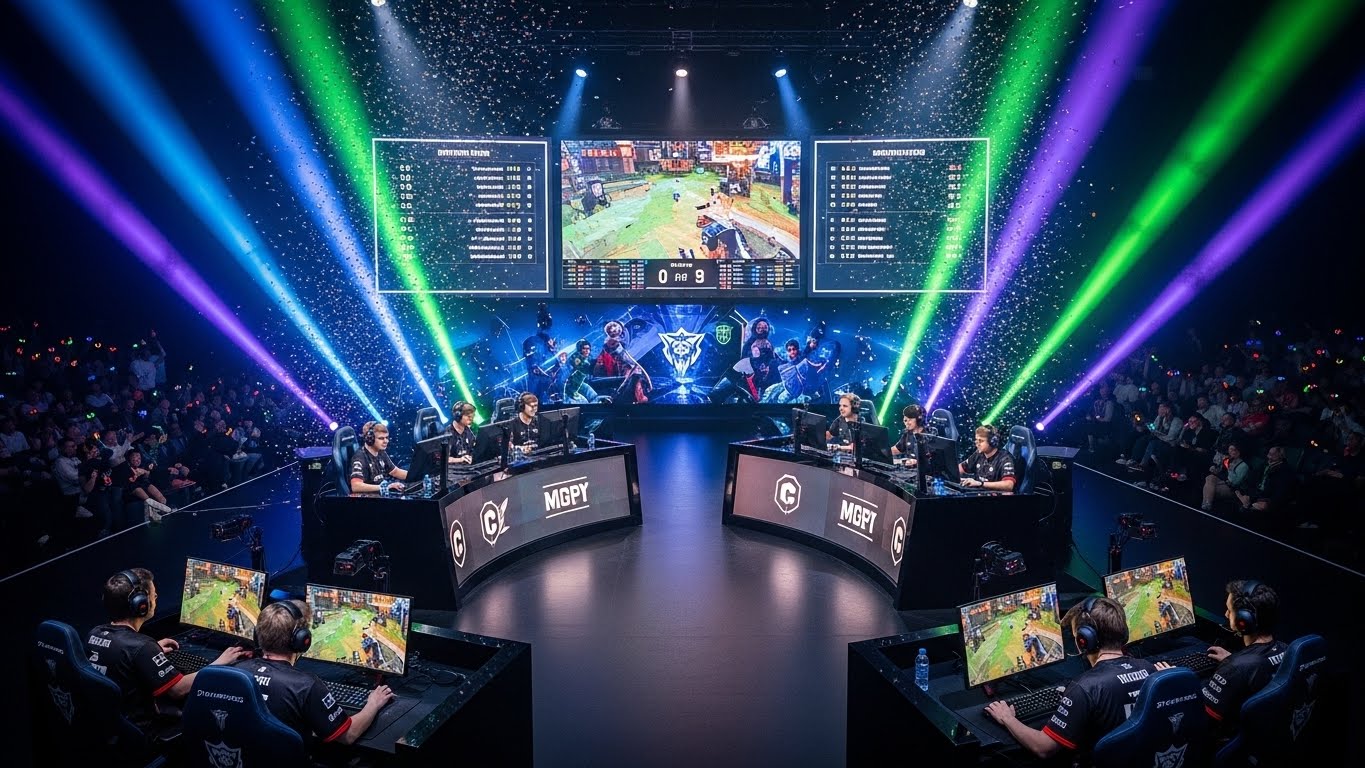
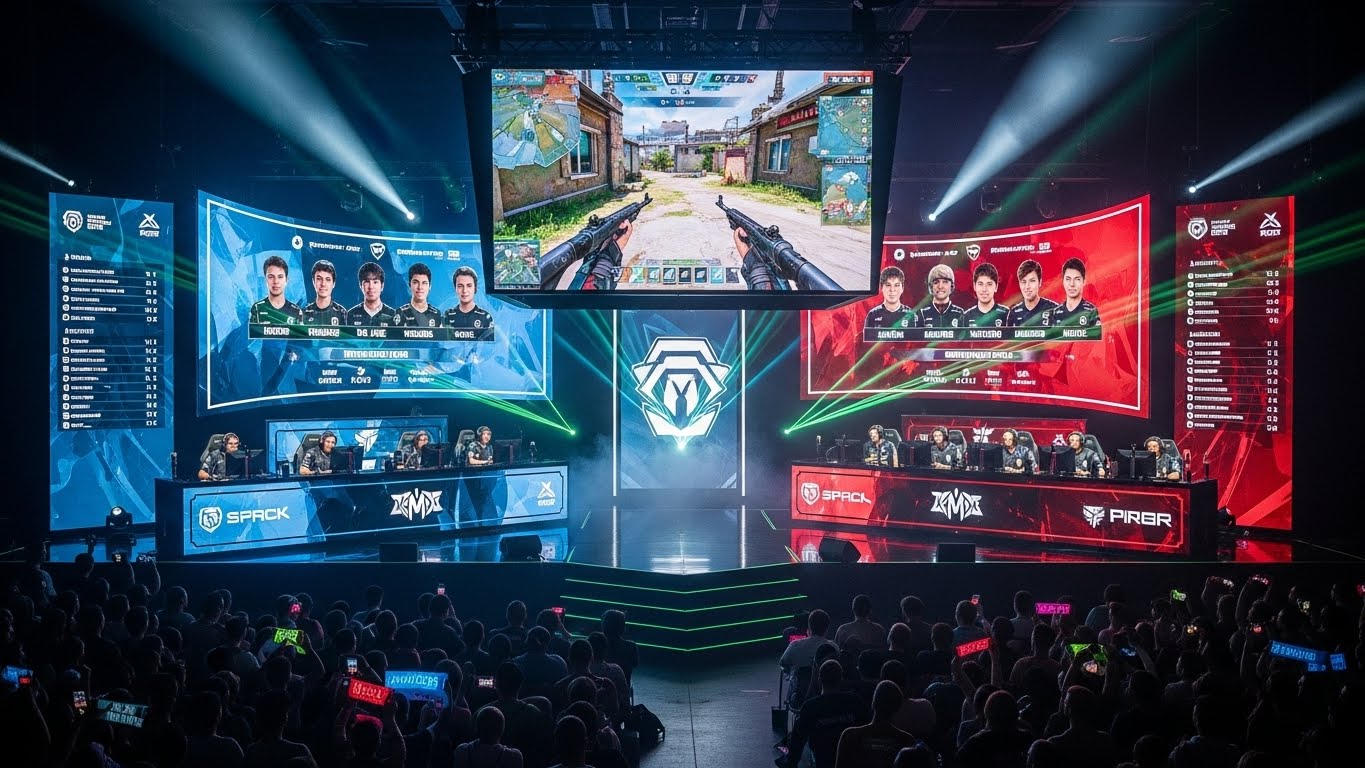
Esports tournaments range from small regional competitions to massive international championships. Major events attract players and fans from around the world, creating a sense of unity and shared excitement. These tournaments are often held in large arenas, complete with elaborate stage designs, live commentary, and enthusiastic crowds.
Prize pools have grown significantly, sometimes reaching millions of dollars. This financial incentive has further legitimized esports as a viable career path. Beyond the money, tournaments provide players with prestige and recognition, cementing their legacy within the gaming community.
The Role of Streaming and Media
Streaming has played a crucial role in the rise of esports. Platforms dedicated to live broadcasting allow fans to watch matches, interact with commentators, and engage with other viewers. This level of accessibility has helped esports reach audiences who might never attend a live event.
Content creation around esports extends beyond tournaments. Interviews, behind-the-scenes footage, educational videos, and highlight reels contribute to a rich media ecosystem. This constant stream of content keeps fans engaged year-round and strengthens the connection between players and their audiences.
Economic Impact and Career Opportunities
Esports has become a significant economic force. Revenue streams include sponsorships, advertising, merchandise, ticket sales, and media rights. Brands from various industries invest in esports to reach younger, tech-savvy audiences.
Career opportunities extend far beyond playing professionally. The industry requires commentators, event organizers, marketers, designers, developers, and journalists. Educational institutions have also begun offering programs related to esports management and game design, recognizing the industry’s long-term potential.
Cultural Influence and Community Building
Esports has reshaped modern culture by redefining competition and entertainment. It has created global communities where fans connect over shared interests, regardless of geographical boundaries. Online forums, social media groups, and live chats foster discussions, debates, and friendships.
Representation and inclusivity are ongoing topics within the esports community. Efforts are being made to encourage participation from diverse backgrounds and to create welcoming environments for all players. These initiatives are essential for the continued growth and positive impact of esports.
Challenges Facing the Esports Industry
Despite its success, esports faces several challenges. Player burnout is a growing concern due to intense training schedules and high-pressure environments. Maintaining fair competition is another issue, with organizers working to prevent cheating and ensure integrity.
Financial stability can also be uncertain, especially for smaller teams and organizations. While top-tier events thrive, grassroots scenes sometimes struggle for funding and visibility. Addressing these challenges is crucial for building a sustainable future.
The Future of Esports
The future of esports looks promising as technology continues to evolve. Advancements in virtual reality, augmented reality, and artificial intelligence may redefine how games are played and viewed. Increased collaboration between traditional sports organizations and esports entities is also likely to continue.
As esports becomes more mainstream, it may gain further recognition from educational institutions and governing bodies. This acceptance could lead to standardized regulations and broader opportunities for players worldwide.
Conclusion: A New Era of Competition
Esports represents more than just competitive gaming; it is a reflection of how technology and culture intersect in the modern world. From humble beginnings in arcades to global stages filled with cheering fans, esports has proven its staying power. It offers a new form of competition that values skill, strategy, and adaptability in a digital landscape.
As the industry continues to mature, esports will likely influence how future generations perceive sports, entertainment, and community. What started as pixels on a screen has grown into a global movement, redefining what it means to compete and connect in the twenty-first century.