clashcircle44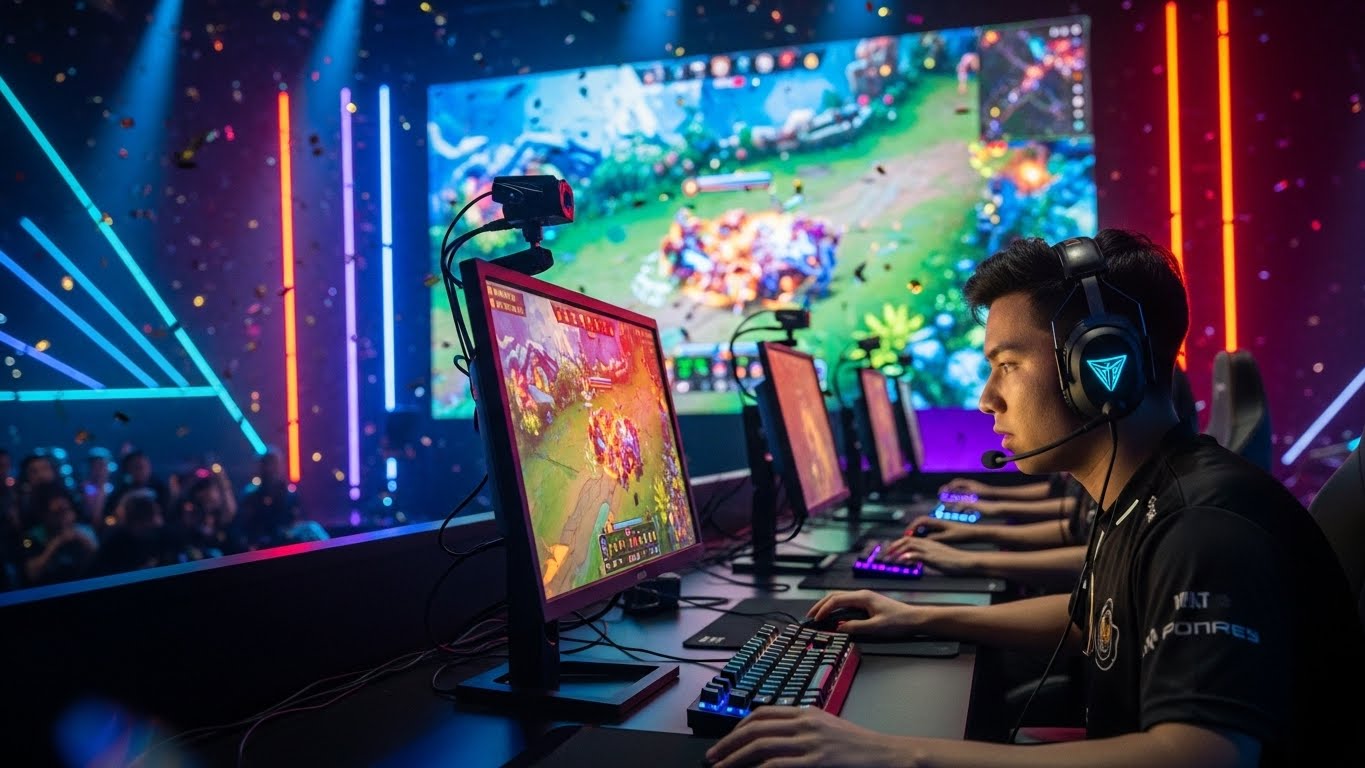
Introduction: The Rise of a New Sporting Frontier
In the last two decades, the concept of sports has expanded far beyond physical stadiums and traditional athleticism. What was once considered a casual hobby has evolved into a global phenomenon known as esports. Competitive video gaming now commands massive audiences, attracts multimillion-dollar investments, and offers professional careers to skilled players across the world. Esports is no longer a niche interest; it is a cultural and economic force reshaping entertainment, technology, and competition in the digital era.
This blog explores the growth of esports, its ecosystem, cultural influence, economic impact, and the future it holds as one of the fastest-growing industries in the world.
Understanding Esports: More Than Just Playing Games
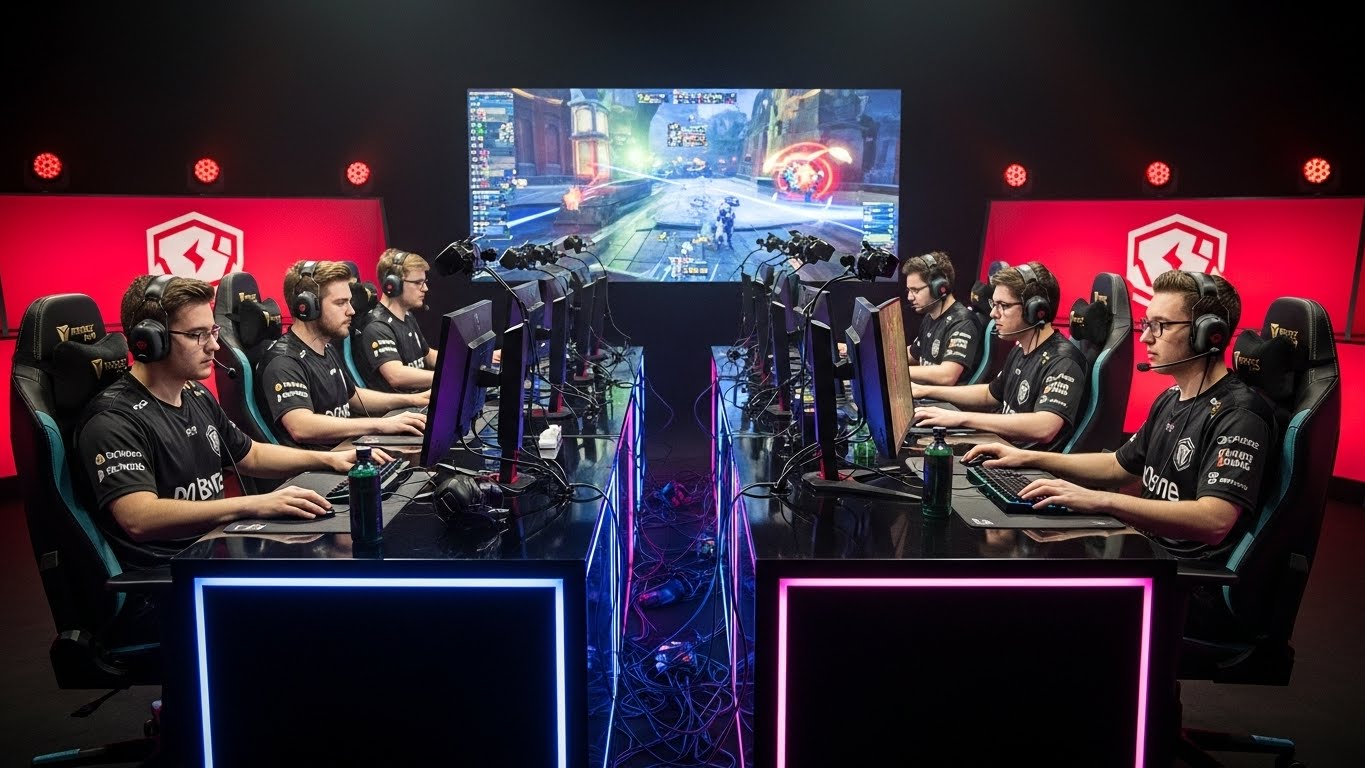
Esports, short for electronic sports, refers to organized competitive gaming where individuals or teams compete in video games at a professional or semi-professional level. These competitions are structured, rule-based, and often overseen by leagues or tournament organizers. Popular esports titles span various genres, including strategy, first-person shooters, sports simulations, and battle arenas.
What differentiates esports from casual gaming is the level of skill, discipline, and preparation required. Professional players train for hours daily, study opponents, refine strategies, and work closely with coaches and analysts. The mental agility, reaction speed, teamwork, and decision-making involved rival those of traditional sports, making esports a legitimate competitive discipline.
The Evolution of Esports: From Arcades to Arenas
The origins of esports can be traced back to the early days of video games, when arcade competitions and local tournaments brought players together. As technology advanced and internet connectivity improved, competitive gaming shifted online, allowing players from different regions to compete in real time.
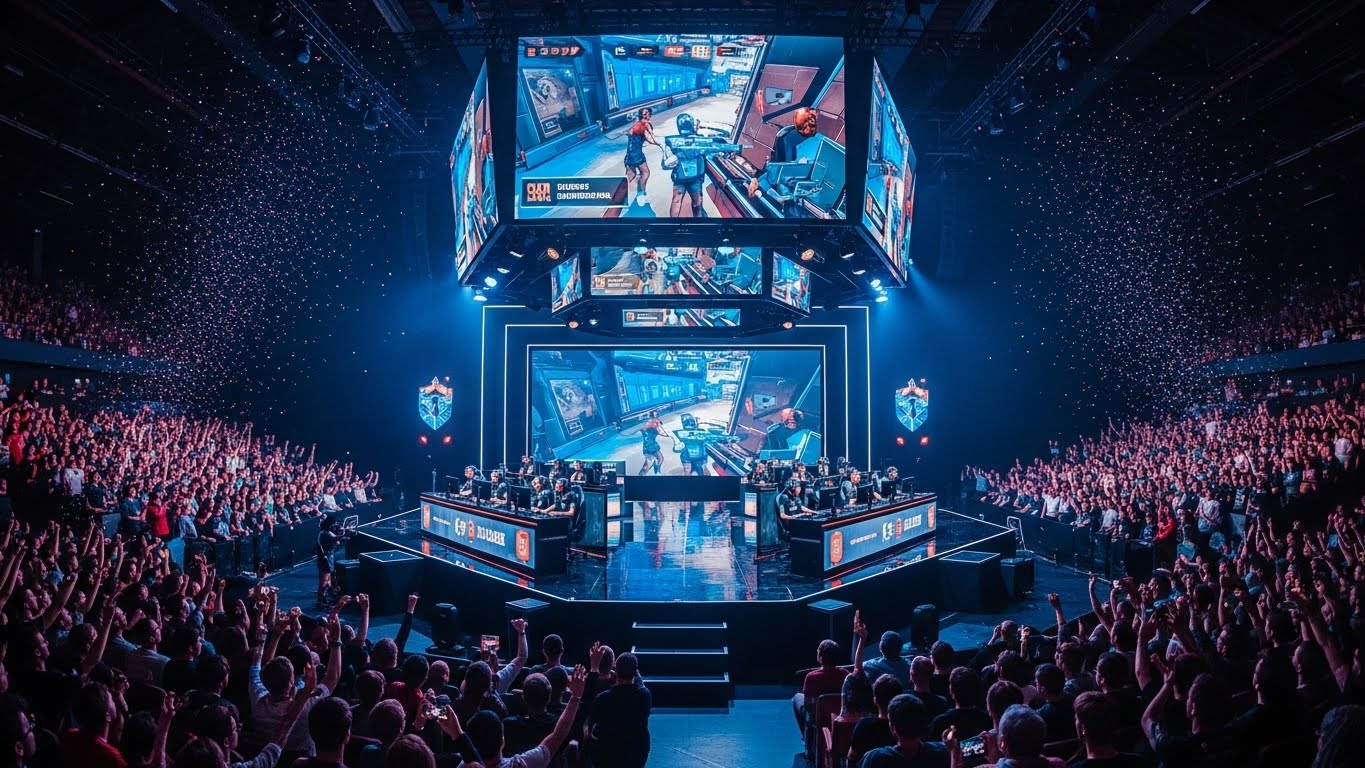
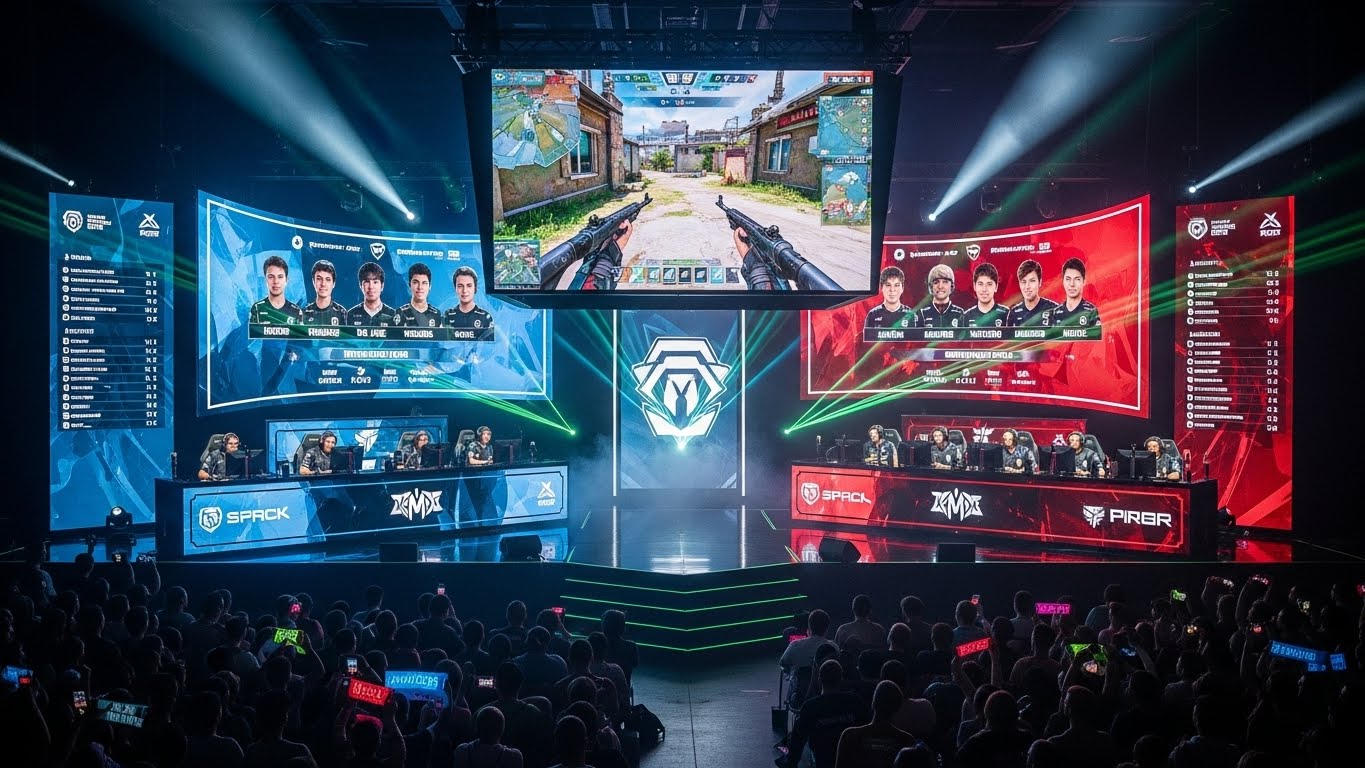
The introduction of streaming platforms transformed esports into a spectator experience. Fans could now watch live matches, follow their favorite players, and engage with communities worldwide. This accessibility fueled exponential growth, turning small-scale competitions into sold-out events held in massive arenas. Today, esports tournaments rival traditional sporting events in viewership and production quality.
The Esports Ecosystem: Players, Teams, and Organizations
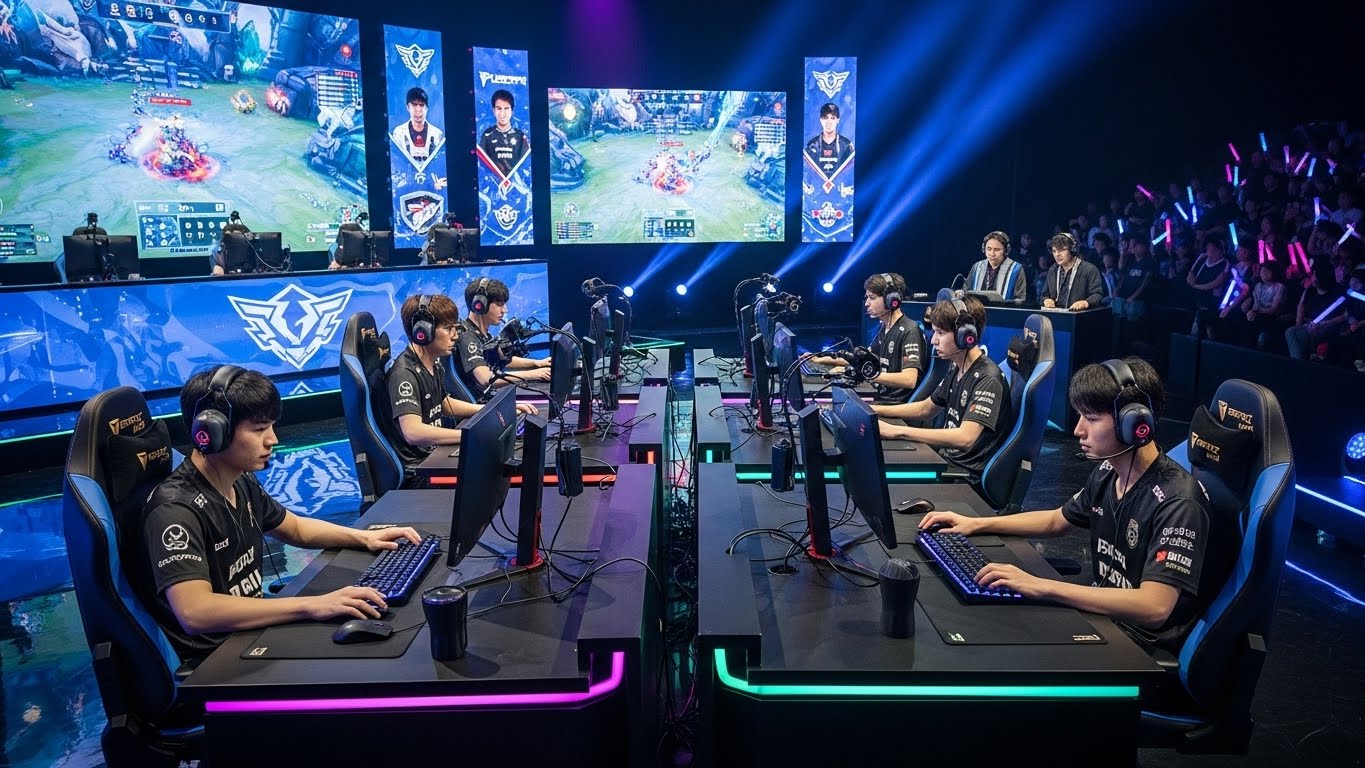
The esports industry operates within a complex ecosystem involving players, teams, organizations, sponsors, broadcasters, and fans. Professional players are often signed to teams that provide salaries, training facilities, and support staff. These teams function similarly to sports franchises, with branding, fan bases, and competitive goals.
Behind the scenes, coaches, analysts, psychologists, and managers play critical roles in optimizing performance. Tournament organizers coordinate events, ensure fair play, and manage logistics, while sponsors and advertisers fuel financial growth. This interconnected system has created a sustainable industry with clear career pathways beyond playing, including content creation, event management, marketing, and game development.
The Role of Technology in Esports Growth
Technology is the backbone of esports. High-performance gaming hardware, advanced software, and stable internet infrastructure enable competitive play at the highest level. Innovations in streaming technology have made esports accessible to global audiences, breaking geographical barriers and fostering international fan communities.
Data analytics also plays a growing role in esports. Teams analyze gameplay statistics to identify strengths, weaknesses, and patterns, much like traditional sports analytics. Virtual reality and artificial intelligence are beginning to influence training methods and fan experiences, hinting at an even more immersive future for competitive gaming.
Esports as Entertainment: A New Form of Spectatorship
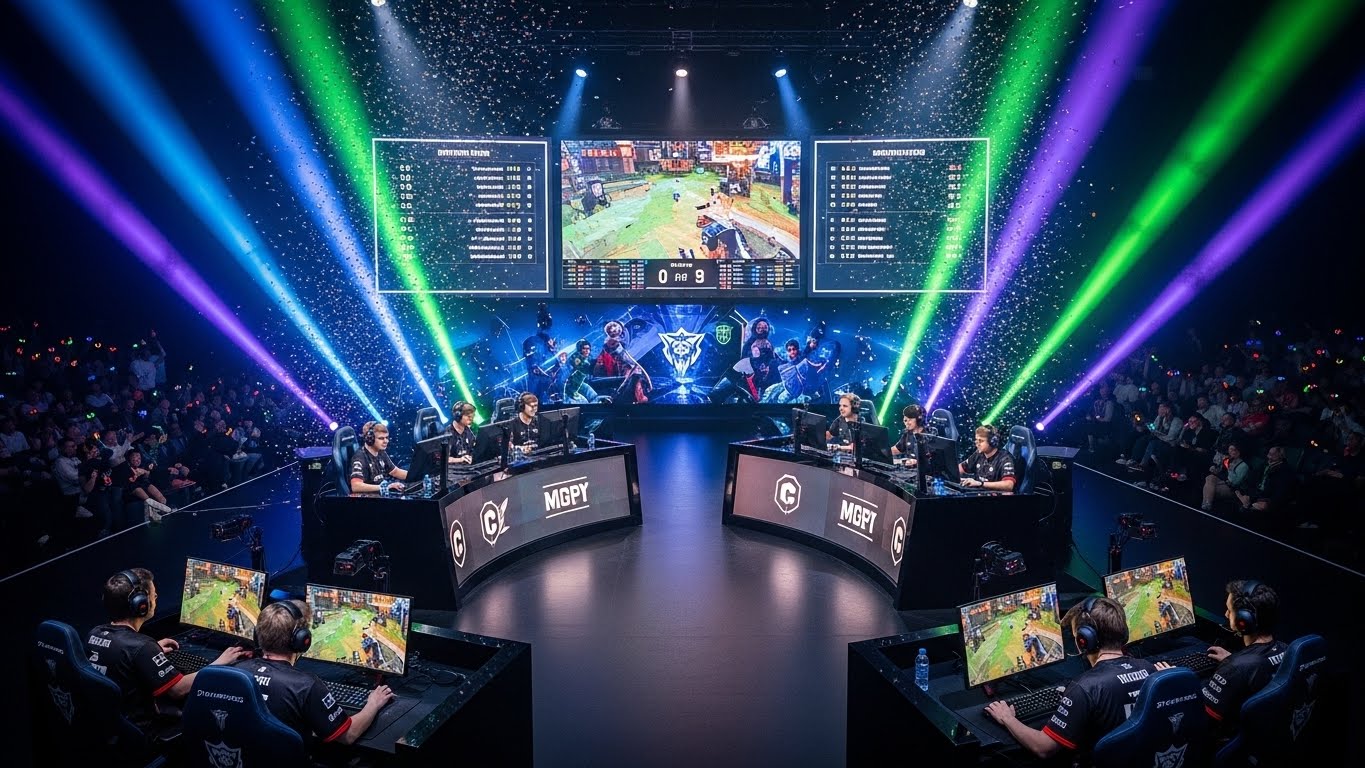
One of the most remarkable aspects of esports is its appeal as entertainment. Watching skilled players compete at the highest level offers excitement, unpredictability, and emotional engagement. Commentary, live analysis, and high-quality production enhance the viewing experience, making esports accessible even to newcomers.
Esports content extends beyond tournaments. Fans follow player livestreams, behind-the-scenes footage, and community events that deepen their connection to the scene. This interactive relationship between players and audiences sets esports apart from traditional sports, creating a sense of intimacy and participation that resonates strongly with younger generations.
Economic Impact: A Billion-Dollar Industry
The financial growth of esports has been nothing short of extraordinary. Revenue streams include sponsorships, advertising, merchandise, ticket sales, media rights, and in-game purchases. Major brands from technology, fashion, and consumer goods industries have entered the esports space, recognizing its marketing potential and loyal audience.
Prize pools for major tournaments reach staggering amounts, offering life-changing opportunities for top players. At the same time, grassroots competitions and amateur leagues continue to thrive, ensuring a steady pipeline of emerging talent. This balance between elite competition and community-driven participation strengthens the overall health of the industry.
Cultural Influence and Social Perception
Esports has significantly influenced modern culture, particularly among younger demographics. It has redefined what it means to be an athlete, emphasizing mental skill, strategic thinking, and digital proficiency. As a result, perceptions of gaming have shifted from a solitary pastime to a respected competitive pursuit.
However, challenges remain. Concerns about screen time, mental health, and inclusivity are ongoing discussions within the community. Industry leaders are increasingly addressing these issues by promoting balanced lifestyles, player welfare programs, and diversity initiatives. As esports continues to mature, its cultural impact will likely become more positive and inclusive.
Education and Career Opportunities in Esports
The rise of esports has opened new educational and professional avenues. Schools and universities around the world are introducing esports programs, offering scholarships, degrees, and structured training environments. These initiatives recognize esports as a legitimate field of study encompassing business, technology, media, and performance psychology.
Career opportunities extend far beyond professional play. Individuals can pursue roles in coaching, broadcasting, event production, marketing, software development, and journalism. This diversity of roles makes esports an attractive industry for those passionate about gaming and digital culture.
The Global Nature of Esports
Esports is inherently global. Players, teams, and fans come from diverse cultural backgrounds, united by shared games and competitive spirit. International tournaments showcase this diversity, fostering cross-cultural exchange and collaboration.
This global reach also presents challenges, such as time zone differences, language barriers, and regional regulations. Despite these obstacles, the international nature of esports remains one of its greatest strengths, enabling it to transcend borders and connect people worldwide.
The Future of Esports: What Lies Ahead
As technology continues to evolve, the future of esports looks promising. Advancements in virtual reality, augmented reality, and artificial intelligence could redefine how games are played and experienced. Increased integration with traditional sports, media platforms, and mainstream entertainment may further elevate esports’ status.
Regulation and standardization will likely become more prominent as the industry grows, ensuring fair competition and player protection. With continued investment, innovation, and community support, esports is poised to remain a dominant force in global entertainment for years to come.
Conclusion: A New Era of Competition
Esports represents a fundamental shift in how society views competition, entertainment, and skill. It blends technology, creativity, and human performance into a dynamic and evolving spectacle. What began as friendly competition among gamers has transformed into a global industry that inspires millions and creates countless opportunities.
As the digital arena continues to expand, esports stands as a testament to the power of innovation and the enduring human desire to compete, connect, and excel. Whether as players, fans, or professionals, we are all witnessing the rise of a new era in competitive history.