clashcircle44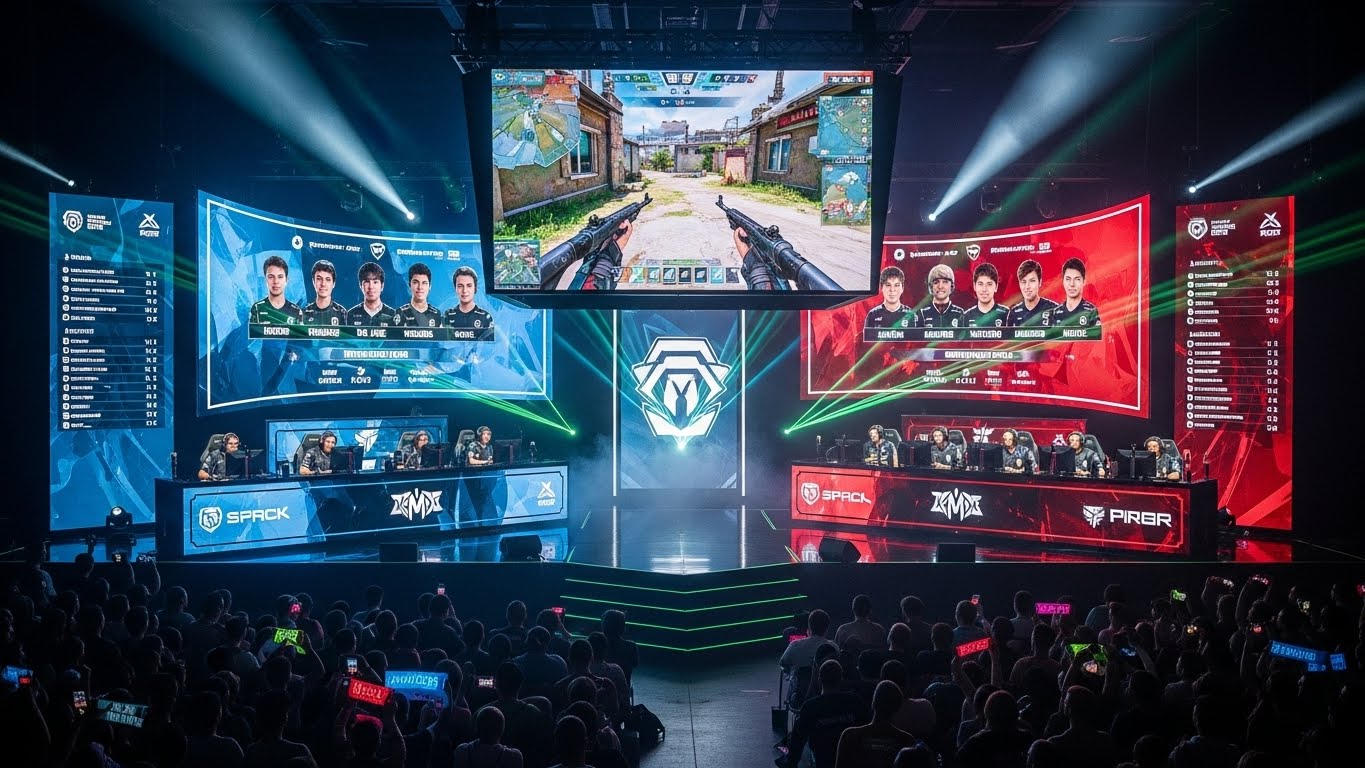
In the past decade, esports has transformed from a casual pastime into a global phenomenon that rivals traditional sports in popularity, revenue, and cultural influence. What once began as local gaming competitions among friends has now evolved into a highly competitive professional industry, complete with tournaments, sponsorships, and devoted fan bases worldwide. Beyond entertainment, esports has become a platform for innovation, community building, and even personal growth, demonstrating that the digital arena is more than just a screen—it’s a stage for talent, strategy, and human connection.
The Origins of Competitive Gaming
The roots of esports can be traced back to the 1970s and 1980s, when video games first became widely accessible. Early competitions focused on high scores in arcade games, allowing players to showcase their skill and claim bragging rights. The concept of competitive gaming gained further momentum in the 1990s with the rise of multiplayer online games such as StarCraft, Counter-Strike, and Quake. These games introduced team-based strategies, online competition, and a community of dedicated players, laying the foundation for modern esports.
The availability of the internet transformed gaming from a solitary activity into a global competitive platform. Players from different regions could now face off in real time, creating rivalries and fostering a culture of skill development and professional recognition. These early competitions proved that gaming could be more than entertainment—it could be a serious pursuit with prestige and rewards.
The Explosion of Esports Popularity
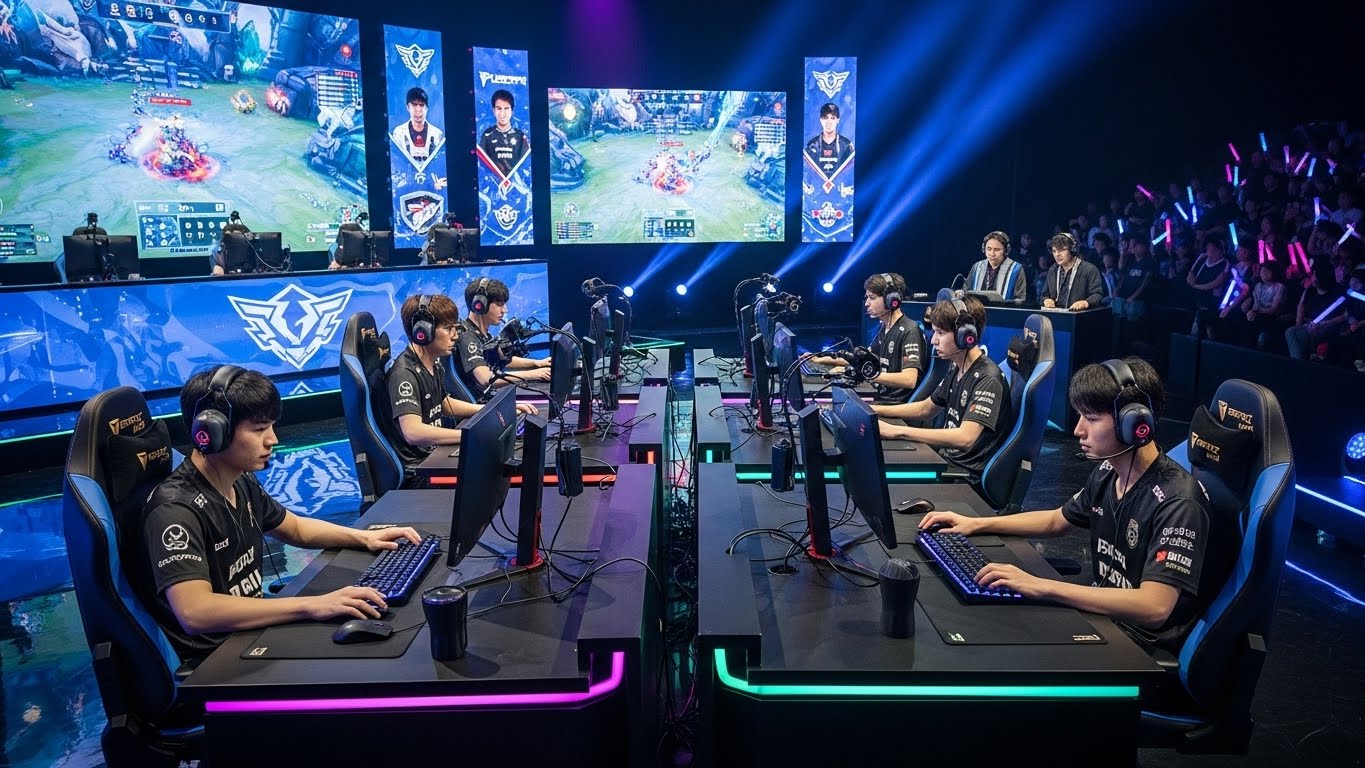
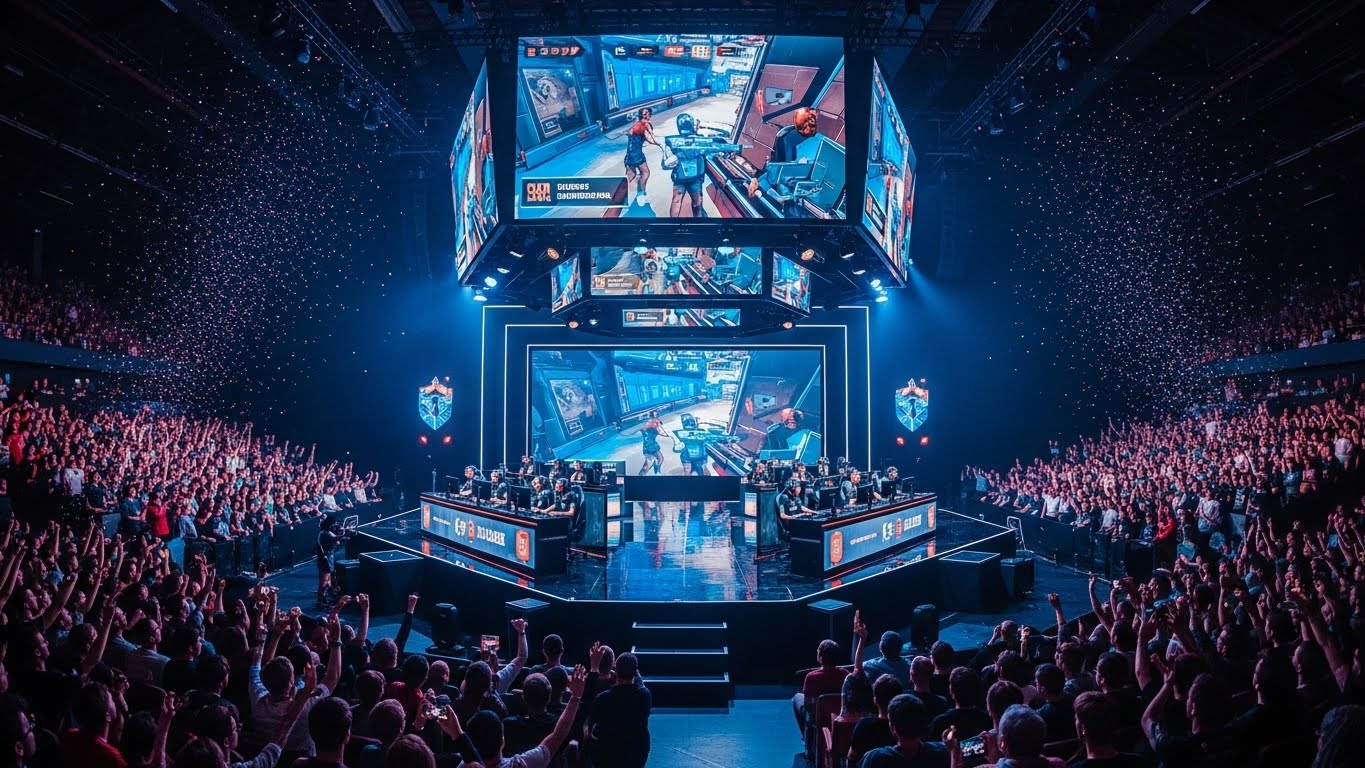
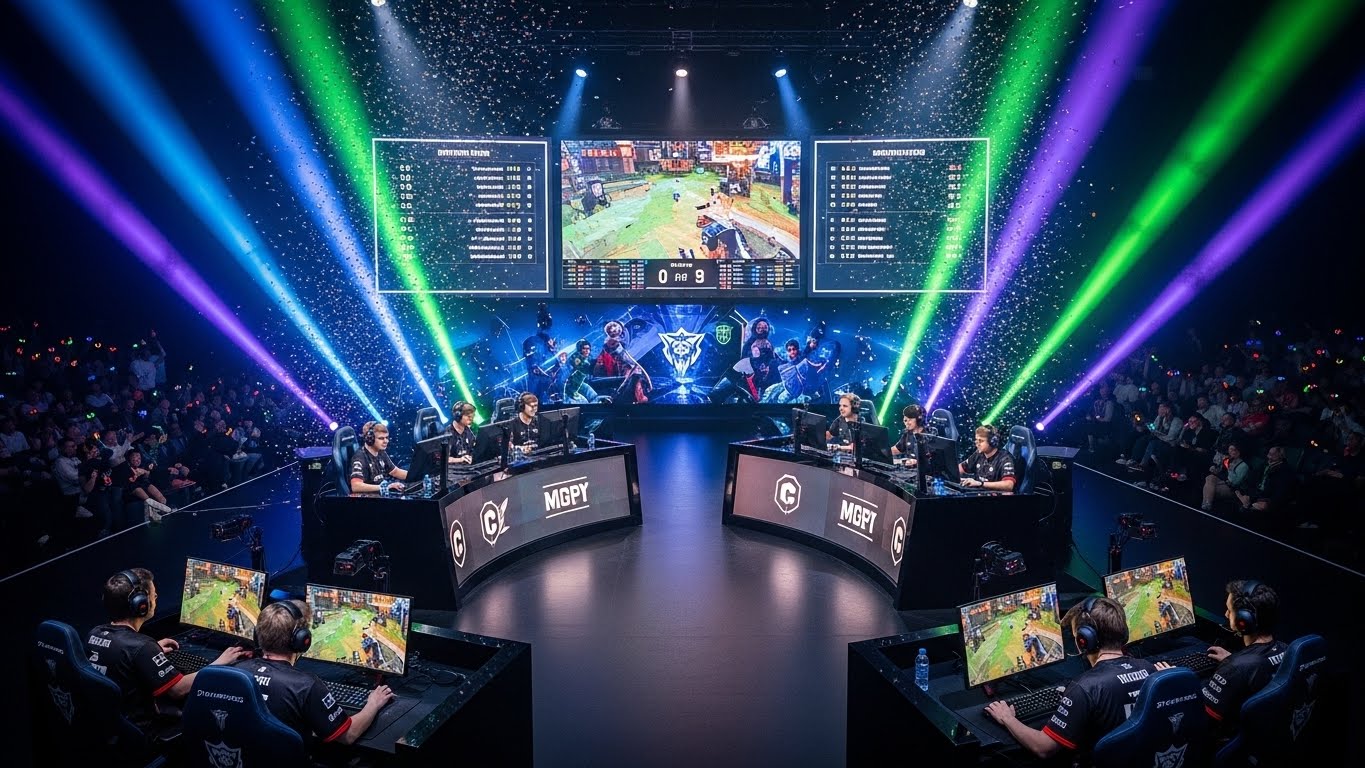
In recent years, esports has experienced explosive growth. Millions of fans watch professional matches live in arenas or through streaming platforms, making esports a mainstream form of entertainment. Games like League of Legends, Dota 2, Fortnite, and Call of Duty dominate global viewership with their fast-paced gameplay, strategic depth, and high-stakes competitions. Major tournaments draw audiences comparable to traditional sports finals, highlighting the global appetite for competitive gaming.
Streaming platforms have played a crucial role in this popularity surge. Players can broadcast their games to worldwide audiences, creating interactive communities where fans can engage with their favorite personalities. This accessibility has democratized esports, allowing both viewers and aspiring professionals to participate in a vibrant, connected ecosystem.
Professional Esports: A Legitimate Career Path
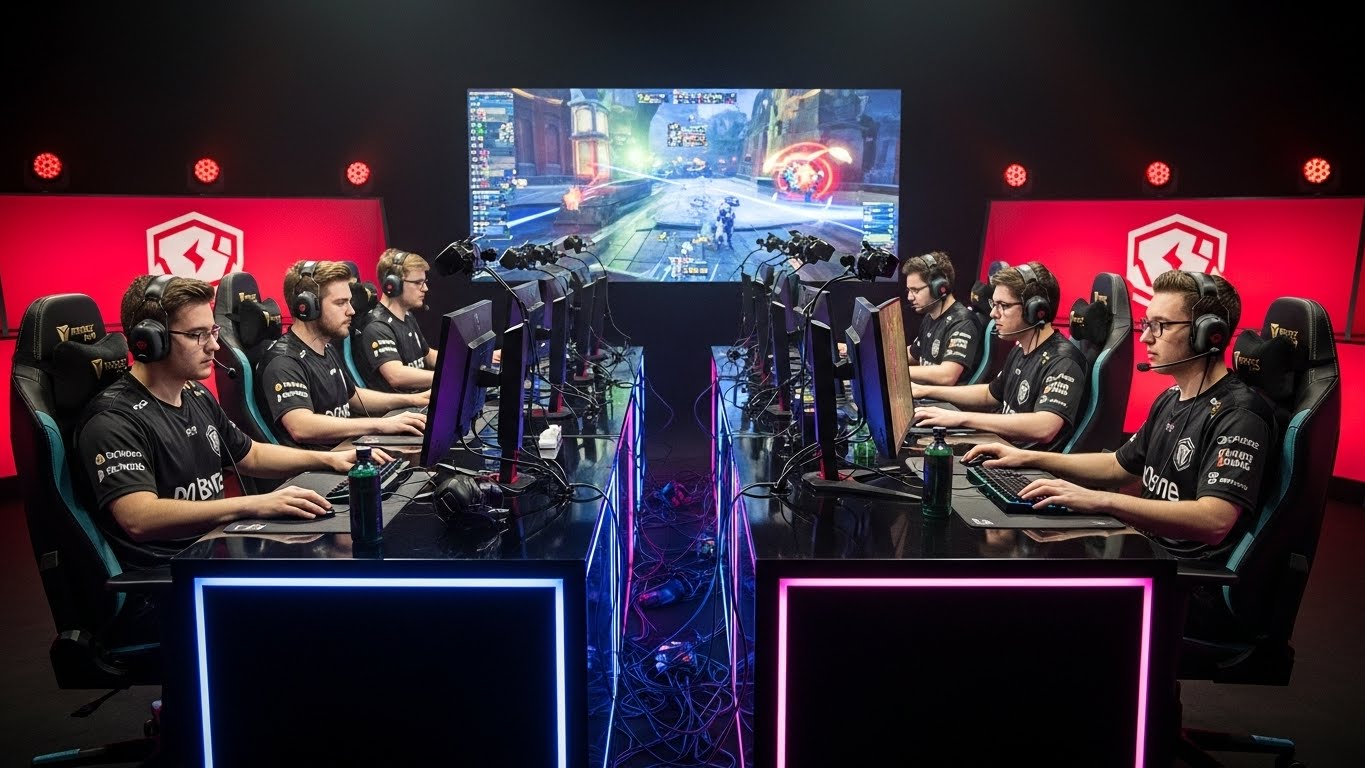
Esports has evolved into a professional career for many players. Competitive gaming requires rigorous training, often involving six to ten hours of daily practice, strategic planning, and physical conditioning to maintain reflexes and focus. Professional teams operate similarly to traditional sports organizations, employing coaches, analysts, and support staff to optimize performance and results.
Successful esports athletes earn revenue through tournament winnings, sponsorship deals, and content creation. Some of the most prominent players have become global celebrities, influencing gaming culture and inspiring the next generation of players. The growth of collegiate esports programs and professional leagues further validates the industry, proving that competitive gaming is a viable and respected career path.
The Strategic and Mental Demands of Esports
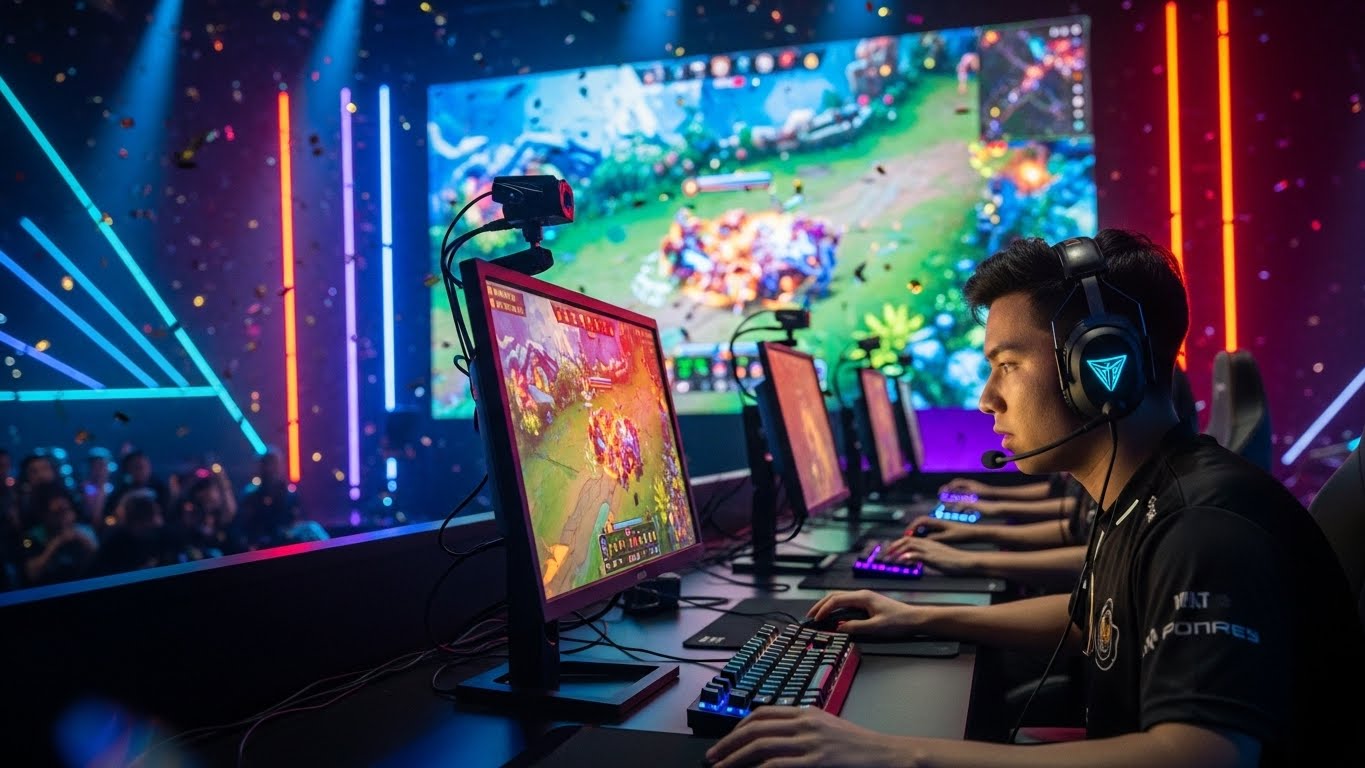
Esports is not just about reflexes and hand-eye coordination; it requires critical thinking, adaptability, and strategy. Players must quickly analyze opponents’ actions, make split-second decisions, and coordinate with teammates under pressure. In team-based games, communication and collaboration are essential for executing complex strategies and achieving victory.
The evolving nature of games adds another layer of complexity. Updates, patches, and meta shifts demand that players continuously adapt, refine strategies, and learn new techniques. The mental discipline and strategic intelligence required in esports rival those in traditional sports, challenging the stereotype that gaming is purely recreational or unproductive.
Psychological and Social Benefits
Participating in esports provides several psychological and social benefits. Competitive gaming enhances problem-solving, multitasking, and cognitive flexibility, skills that are transferable to academics and professional life. It also helps develop resilience, as players learn to cope with failure, manage stress, and improve through continuous practice.
Esports fosters a strong sense of community. Online platforms, tournaments, and fan forums allow players and enthusiasts to connect, share experiences, and form friendships. These social networks create belonging and identity, bridging geographical boundaries and connecting individuals from diverse backgrounds.
Esports in Education
The integration of esports into educational programs is an emerging trend. Many schools and universities now offer esports teams, scholarships, and curriculum focusing on game development, event management, and broadcasting. These initiatives provide students with opportunities to develop teamwork, leadership, and technical skills while pursuing their passion for gaming.
Esports in education also promotes problem-solving, strategic thinking, and digital literacy. Students gain hands-on experience in an industry that combines technology, creativity, and competition, preparing them for future careers in gaming, media, and technology sectors.
The Economic Power of Esports
Esports has become a significant economic force. The industry generates billions of dollars annually through tournaments, media rights, sponsorships, merchandise, and digital content. Large-scale tournaments attract international audiences, boosting local economies through tourism, hospitality, and media exposure.
Professional esports organizations operate as businesses, with strategic management, marketing campaigns, and global branding. Partnerships with technology companies, apparel brands, and entertainment networks further enhance profitability, demonstrating that esports is not only culturally influential but also financially impactful.
Global Reach and Cultural Impact
Esports has a global footprint, connecting players and fans from different countries and cultures. International tournaments showcase diverse playstyles and strategies, fostering cross-cultural appreciation and understanding. The global nature of esports emphasizes inclusivity and representation, allowing players from underrepresented regions to compete on a world stage.
Culturally, esports has influenced fashion, entertainment, and media. Players have become public figures, setting trends and shaping popular culture. Streaming content, live commentary, and social media interactions have created a new entertainment ecosystem, blurring the lines between gaming, media, and community engagement.
Challenges in Esports
Despite its growth, esports faces several challenges. Player burnout and mental health concerns are prevalent due to long hours, high-pressure environments, and constant scrutiny. Addressing these issues requires proper support systems, wellness programs, and balanced training schedules.
Regulatory challenges also exist, including standardizing rules, ensuring fair competition, and protecting player rights. Building consistent governance structures is essential to maintaining credibility and sustainability within the esports industry.
Technology Driving Esports Innovation
Technology plays a central role in esports, enhancing both gameplay and fan engagement. High-performance hardware, streaming platforms, and analytical software allow players to optimize performance and audiences to experience games interactively. Emerging technologies like virtual reality, augmented reality, and AI-driven coaching promise to further transform competitive gaming.
Technology also enables real-time interaction between players and fans. Viewers can participate in live events, chat with streamers, and even influence game content, creating an immersive and participatory experience that sets esports apart from traditional forms of entertainment.
The Future of Esports
The future of esports is full of potential. Expanding audiences, increasing investment, and technological innovations will shape the next generation of competitive gaming. Inclusivity, diversity, and mental health awareness will play key roles in ensuring the industry remains sustainable, fair, and accessible.
Esports is poised to intersect further with education, media, and entertainment, creating opportunities for professional development, cultural exchange, and global connectivity. The digital competitive landscape will continue to challenge conventional definitions of sport, redefining what it means to compete, succeed, and inspire.
Conclusion: Esports as a Force for Growth and Connection
Esports is no longer a niche hobby—it is a transformative cultural, social, and economic phenomenon. From professional careers and educational opportunities to global communities and technological innovation, esports influences lives far beyond the gaming screen.
It demonstrates that skill, strategy, and dedication are universal values, and it empowers individuals to pursue their passions while connecting with a worldwide audience. Whether as a player, fan, or industry professional, esports offers opportunities for growth, learning, and meaningful engagement. In the modern era, esports is more than a game—it is a movement shaping the future of entertainment, culture, and human connection.