clashcircle44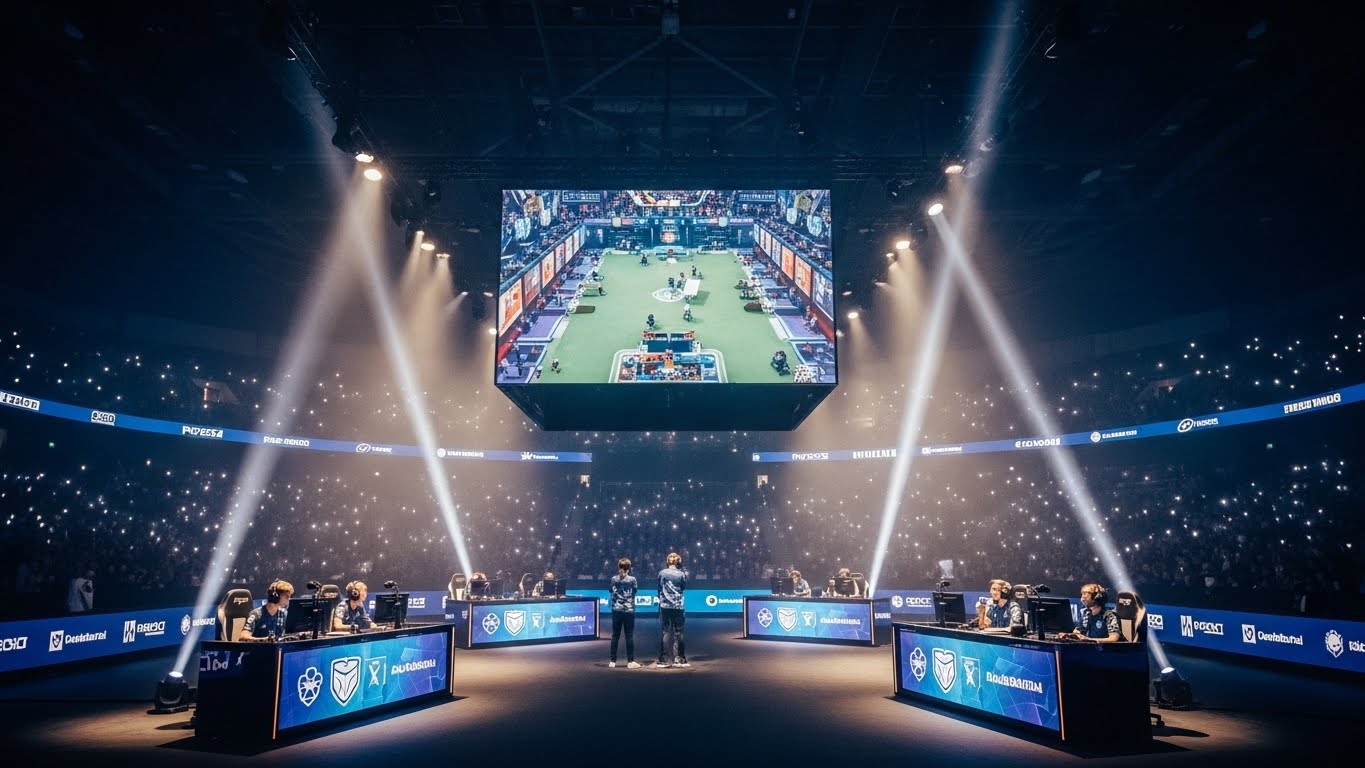
Esports, short for electronic sports, is a rapidly growing industry that has transformed the landscape of competitive gaming and entertainment. What started as a niche activity for hobbyists has now blossomed into a global phenomenon, attracting millions of viewers, gamers, and investors alike. From massive tournaments with multi-million-dollar prize pools to professional leagues, esports has found its place in mainstream culture. But how did this digital revolution come to be? And what is driving its continued growth? This blog post will explore the rise of esports, its impact on the gaming world, the evolving business ecosystem, and the future of competitive gaming.
The Birth of Competitive Gaming
The history of esports dates back to the early 1970s, when the first video game competition, “The Intergalactic Spacewar Olympics,” was held at Stanford University in 1972. While it was a small event, it marked the beginning of competitive gaming. As technology improved and gaming consoles became more advanced, so did the complexity and competitiveness of video games. The 1990s witnessed a significant leap forward in this evolution with the advent of online multiplayer games.
Games like “Quake” and “StarCraft” in the late 1990s and early 2000s gave birth to the first true competitive gaming communities. Local tournaments, LAN (local area network) events, and regional competitions began to pop up around the world. These early grassroots events laid the foundation for the professional esports leagues we see today. However, esports truly began to flourish in the 2010s when streaming platforms like Twitch and YouTube enabled players to broadcast their gameplay to global audiences.
The Growth of Esports Communities
One of the key factors driving the growth of esports is the sense of community that surrounds it. Unlike traditional sports, where fans primarily support teams or individual athletes, esports fans often have a more personal connection to the players themselves. In many cases, esports competitors are seen as influencers and role models, much like celebrities in the traditional sports world.
Esports communities thrive on interaction. Platforms like Twitch, Discord, and Reddit have provided gamers with a space to discuss strategies, share experiences, and watch their favorite players live in action. Streaming has become a major part of the esports culture, with some streamers even gaining larger followings than traditional celebrities. This level of engagement has allowed esports to grow organically, attracting millions of fans worldwide.
The rise of esports communities has also led to the creation of professional organizations and leagues. Organizations such as Team Liquid, Cloud9, and Fnatic have become household names in the esports scene, offering support and sponsorship to talented players while building a fanbase across the globe. The formation of esports leagues for games like “League of Legends” (LCS), “Dota 2” (The International), and “Overwatch” (OWL) has helped formalize the competitive scene, creating a framework for professional players and teams to compete at the highest level.
The Role of Technology in Esports
Technology has played a pivotal role in the rise of esports. Without the advancements in hardware, software, and internet infrastructure, the esports phenomenon as we know it today would not be possible. The continuous improvement in gaming PCs, consoles, and peripherals has allowed players to perform at the highest levels of competition.
High-speed internet connections are essential for online multiplayer games, and the growth of fiber-optic networks and 5G technology has made it easier for players to connect with others across the globe. Moreover, cloud gaming services are making it possible for individuals to play high-quality games without needing expensive gaming PCs or consoles.
Esports broadcasting and streaming are also made possible through cutting-edge technology. Platforms like Twitch use advanced video encoding algorithms to stream high-quality gameplay to millions of viewers in real-time. Virtual reality (VR) and augmented reality (AR) technologies are also starting to make an appearance in the esports space, offering new ways for players and fans to engage with their favorite games.
The Business of Esports: A Multi-Million Dollar Industry
Esports is not only about competition and entertainment—it’s also big business. The industry has become a multi-billion-dollar market with massive investments from sponsors, media companies, and even traditional sports teams. Esports tournaments and leagues offer lucrative prize pools, sometimes reaching millions of dollars for major competitions. For example, The International, a “Dota 2” tournament, has offered prize pools exceeding $40 million in recent years.
Sponsorships play a key role in the financial ecosystem of esports. Companies ranging from energy drink brands like Red Bull and Monster to tech giants like Intel and Nvidia have heavily invested in esports teams, players, and events. These sponsorships provide a significant source of revenue for professional players and teams while also giving brands access to a highly engaged, tech-savvy audience.
Esports organizations also generate revenue through broadcasting rights. Streaming platforms like Twitch, YouTube, and Facebook Gaming pay for exclusive broadcasting rights to stream major tournaments and events. This has led to the creation of an entire media ecosystem around esports, with some events even attracting mainstream television coverage and global audiences.
As esports continues to grow, traditional sports teams and investors are taking notice. In recent years, we’ve seen professional sports organizations like the New England Patriots and the Dallas Cowboys invest in esports teams. Similarly, major investors and venture capital firms have poured millions of dollars into esports organizations, betting on the industry’s continued expansion.
Esports and Education: A Growing Trend
Esports has also found its place in education. Many colleges and universities across the world have started offering esports scholarships and creating esports programs. These programs provide students with the opportunity to develop their skills in gaming, while also pursuing higher education. In some cases, esports is even becoming an official collegiate sport, with schools forming their own teams and competing in national and international tournaments.
This has sparked a larger conversation about the legitimacy of esports as a career path. Just as athletes can make a living playing traditional sports, esports players can now pursue careers in gaming. The popularity of esports as an academic discipline is also helping to break down misconceptions about gaming, showing that it requires a high level of skill, strategy, and teamwork to succeed.
Esports-related degrees in areas such as game design, esports management, and digital marketing are gaining traction, preparing students for various roles in the esports ecosystem. Whether it’s game developers, coaches, analysts, or event organizers, the esports industry offers a wide range of career opportunities.
Esports and the Future: What’s Next?
As esports continues to grow, the question arises: what does the future hold for the industry? There are several exciting possibilities on the horizon.
One major trend is the continued integration of virtual reality and augmented reality into esports. While these technologies are still in their early stages, they have the potential to revolutionize how games are played and experienced. Imagine playing an esports title in full VR, where you can physically move and interact within the game world. As VR and AR technologies become more advanced, they could open up new possibilities for competitive gaming.
The growth of mobile gaming is another trend to watch. With the rise of smartphones and tablets, mobile gaming has become a significant part of the esports landscape. Games like “PUBG Mobile” and “Free Fire” have already attracted millions of players, and we can expect mobile esports to become even more prominent in the coming years.
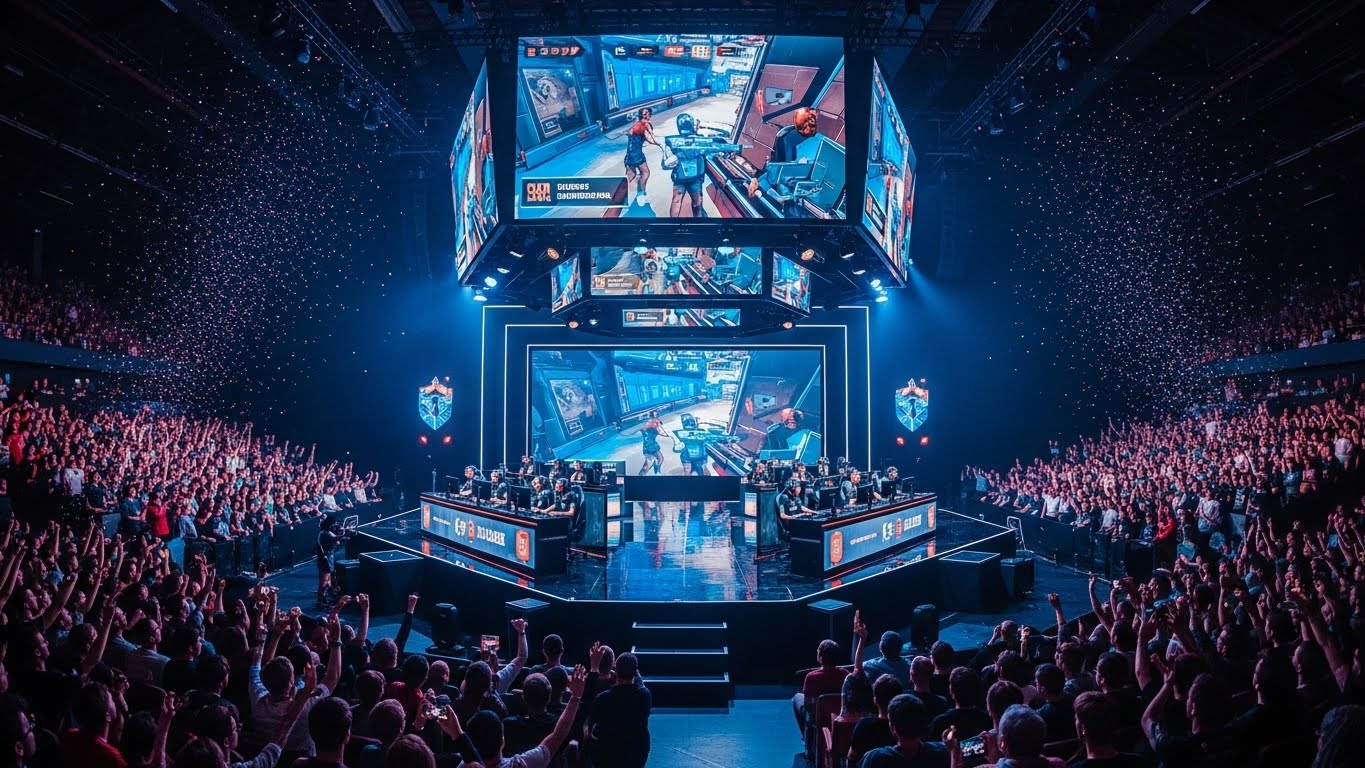
Finally, the integration of esports into traditional sports venues and stadiums is becoming increasingly common. Major sports arenas are hosting esports tournaments, offering a unique blend of traditional and digital sports experiences. The ability to watch an esports event in person, just like any other professional sport, is a testament to how far esports has come.
Conclusion
Esports has come a long way since its humble beginnings in the 1970s. What started as a niche hobby has grown into a global industry worth billions of dollars, with millions of fans, players, and viewers around the world. The rise of esports has transformed the gaming industry and created new business opportunities for sponsors, investors, and media companies. As technology continues to evolve, esports will only continue to grow, providing new experiences for players and fans alike.
In the coming years, esports could become a mainstream form of entertainment that rivals traditional sports in terms of popularity, viewership, and cultural impact. The future of esports is bright, and it is exciting to think about where this digital revolution will take us next.