clashcircle44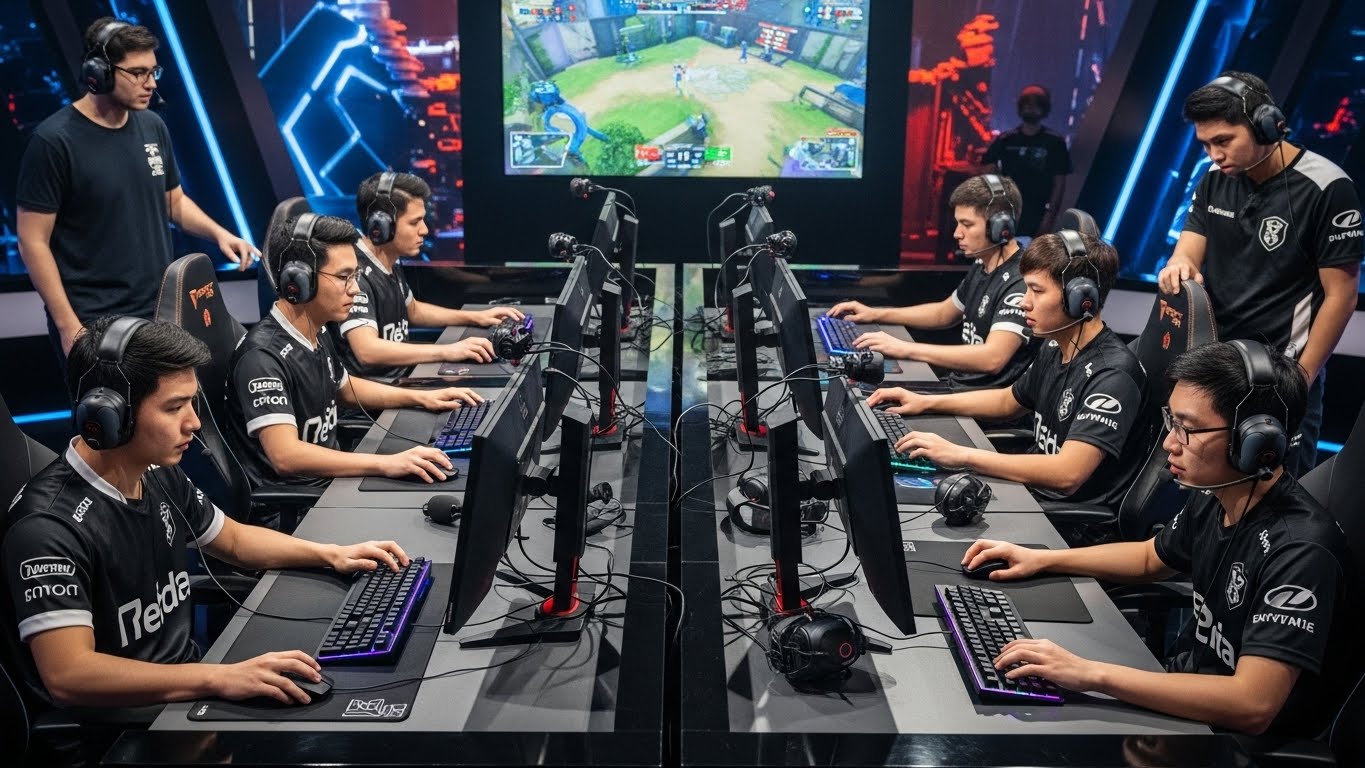
Introduction: The Rise of Esports
Esports, short for electronic sports, has grown from a niche hobby into a global phenomenon over the past two decades. Competitive gaming now attracts millions of players and spectators worldwide, generating billions in revenue and influencing culture, technology, and social interaction. Unlike traditional sports, esports is entirely digital, allowing players to compete virtually across continents, often from their own homes. This blog explores the evolution of esports, its impact on society, the current landscape, challenges faced by the industry, and what the future holds for players, fans, and businesses alike.
The Origins of Esports
Esports traces its roots to the early days of video gaming in the 1970s and 1980s. Early competitive gaming events were small-scale tournaments in arcades, where players competed for high scores in games like Space Invaders and Pac-Man. By the 1990s, with the rise of personal computers and multiplayer games, competitive gaming became more organized. Games like StarCraft, Quake, and Counter-Strike fostered early professional gaming communities, laying the foundation for modern esports tournaments.
These initial competitions demonstrated the potential of gaming as more than just casual entertainment. They showcased strategy, skill, teamwork, and the ability to perform under pressure, elements that define professional esports today.
The Growth of Esports into a Global Industry
The 2000s marked a turning point for esports as internet connectivity and streaming technology improved. Platforms like Twitch and YouTube allowed gamers to broadcast gameplay to global audiences, creating a spectator culture around competitive gaming. Today, esports is a billion-dollar industry, with professional teams, sponsorships, merchandising, and large-scale international tournaments.
Games such as League of Legends, Dota 2, Fortnite, and Call of Duty have become central to esports, attracting millions of viewers during major competitions. These events rival traditional sports in terms of audience size, prize pools, and media coverage, solidifying esports as a mainstream form of entertainment.
Core Components of Esports
Competitive Gameplay
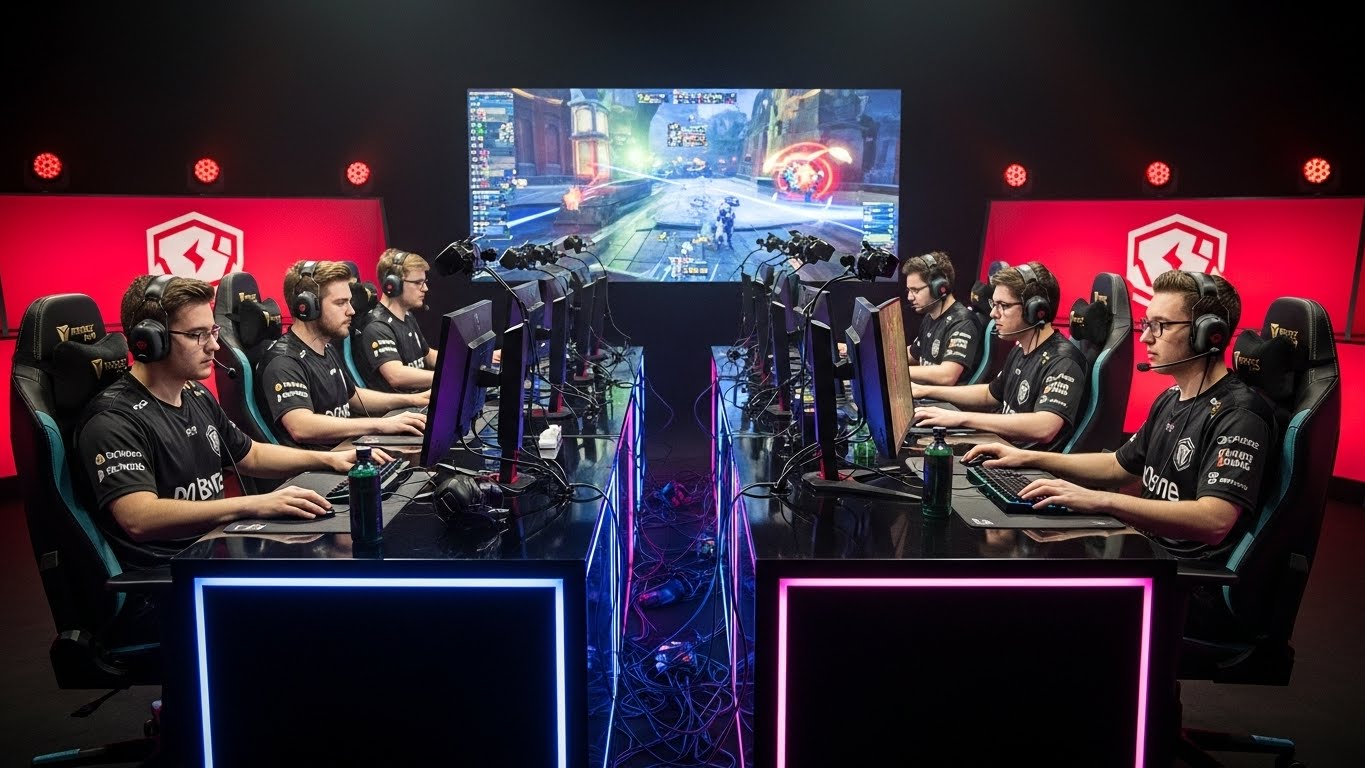
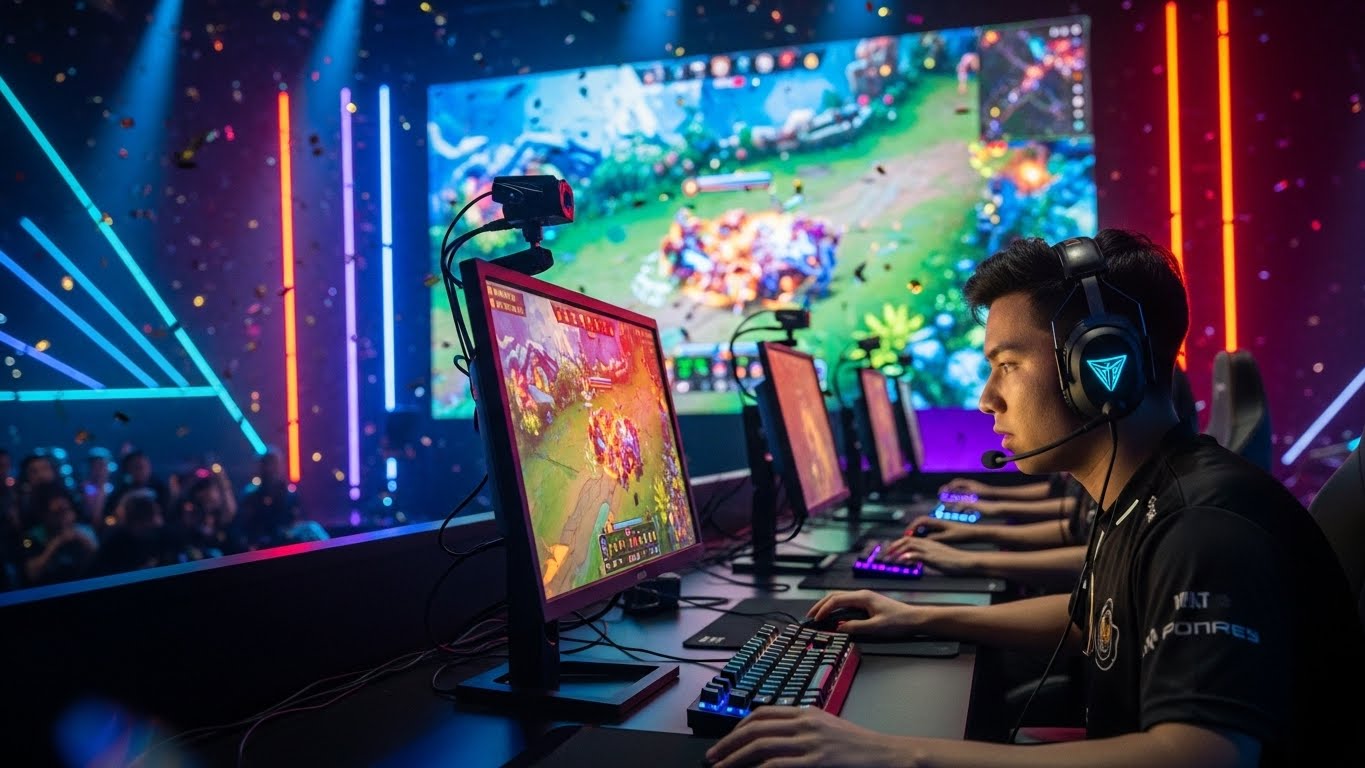
At the heart of esports is competitive gameplay. Professional players train rigorously to develop reflexes, strategy, and teamwork. Different game genres offer unique challenges: multiplayer online battle arenas emphasize coordination and strategic decision-making, first-person shooters focus on precision and reflexes, while sports simulations require tactical understanding and timing.
Professional Teams and Organizations
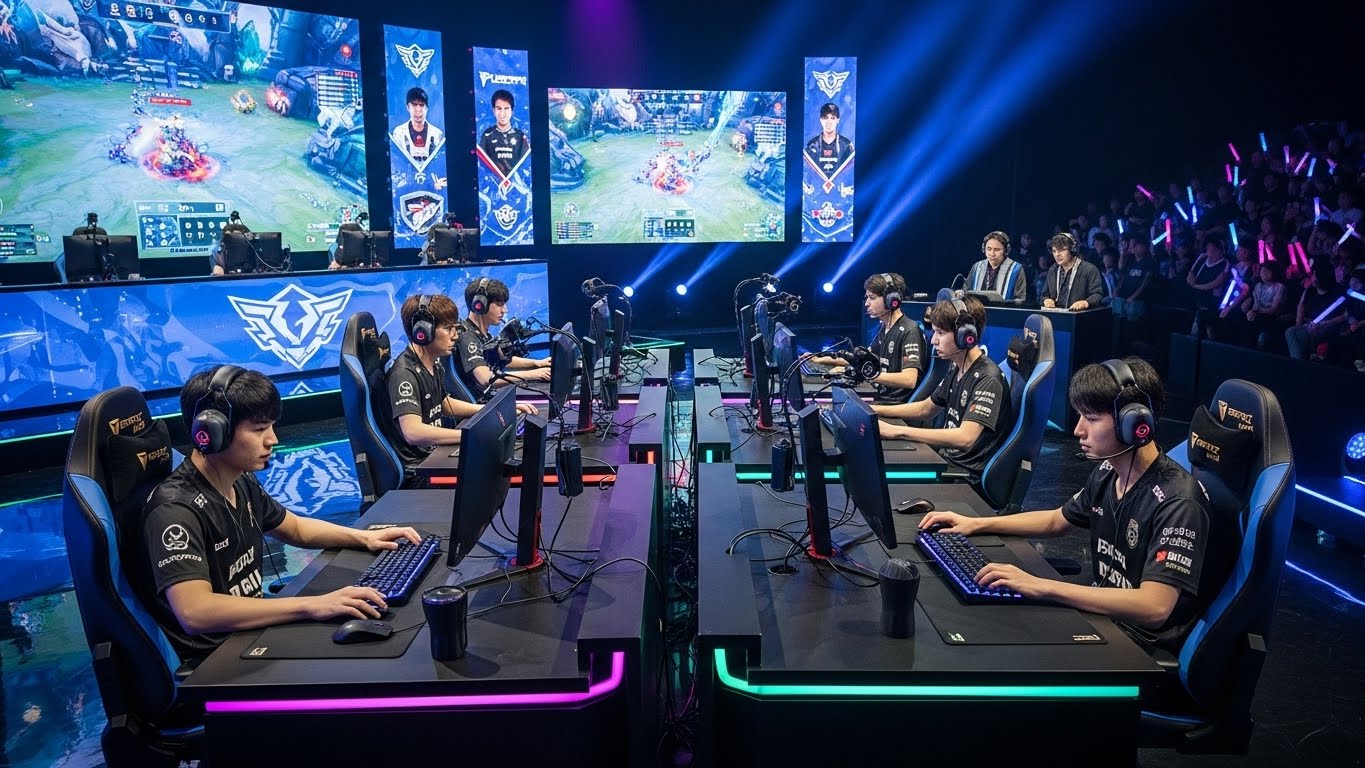
Esports relies heavily on structured teams and organizations. Professional players join teams that provide coaching, management, and financial support. These teams compete in leagues and tournaments worldwide, building fan bases and cultivating brand identities similar to traditional sports franchises.
Streaming and Broadcasting
Streaming platforms have transformed esports into a spectator sport. Fans watch live matches, follow player channels, and interact through chat functions. Broadcasting allows esports to reach global audiences, generate sponsorship revenue, and create celebrity status for players, further professionalizing the industry.
Major Esports Tournaments and Events
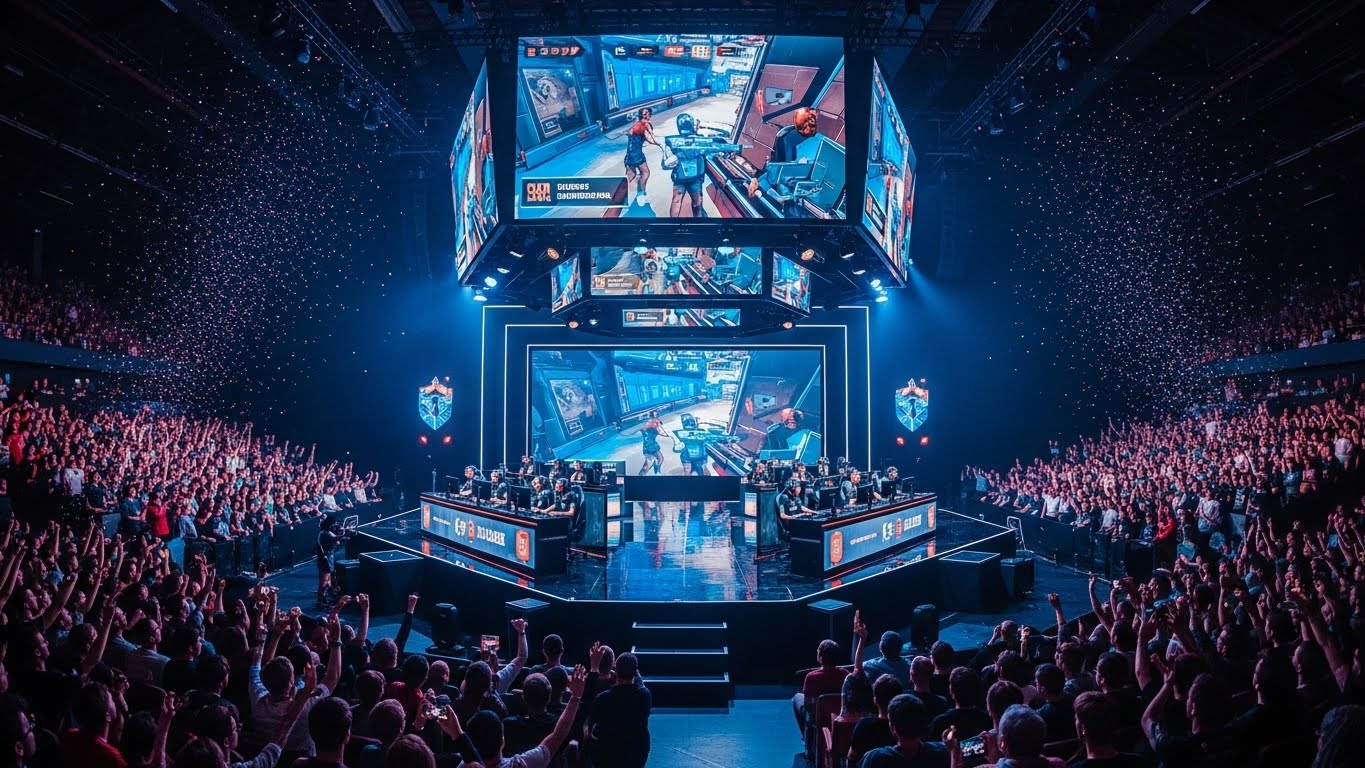
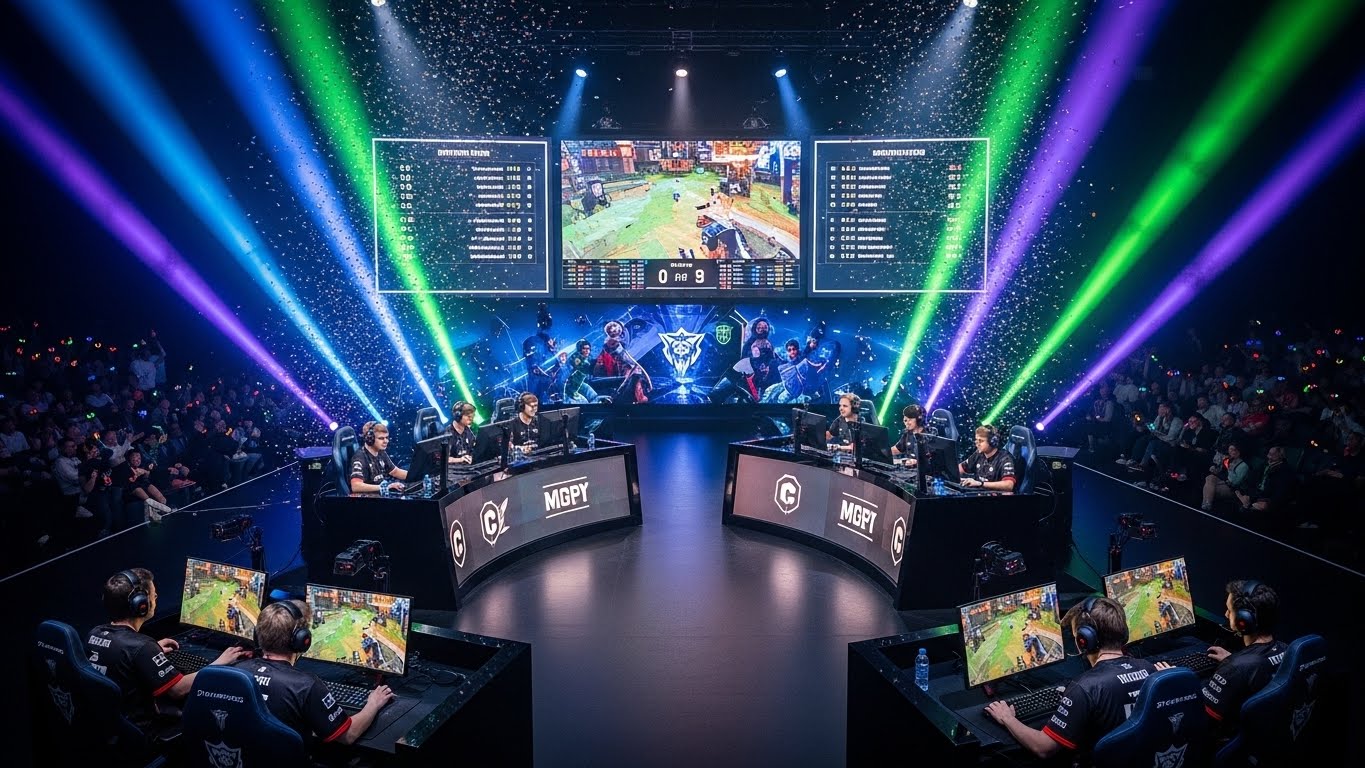
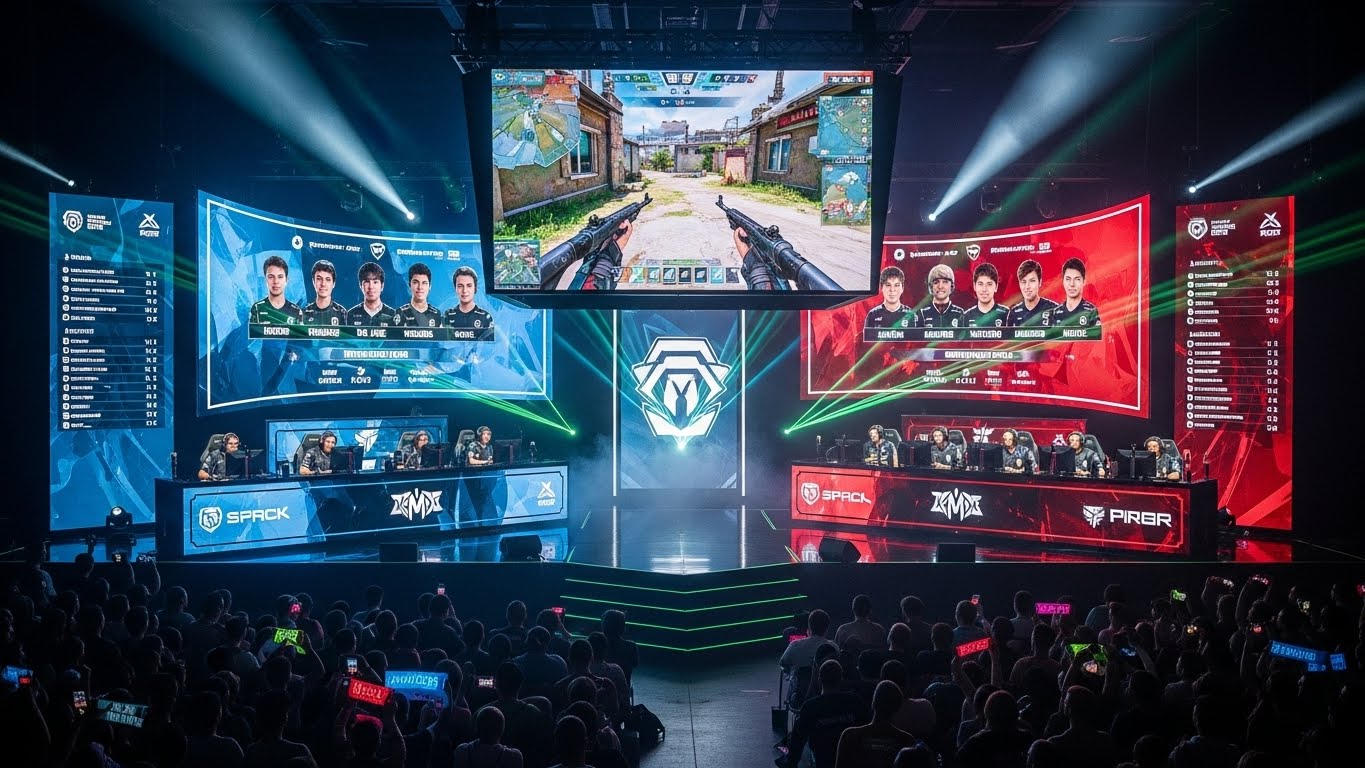
Esports tournaments are highly organized events with significant prize pools and international participation. The League of Legends World Championship, The International for Dota 2, and Fortnite World Cup are some of the most notable events, attracting millions of viewers and offering prizes worth millions of dollars. These tournaments combine intense competition with entertainment, including live commentary, fan engagement, and elaborate production.
Impact of Esports on Society
Economic Contributions
Esports has become a major economic driver. It generates revenue through sponsorships, advertising, merchandising, ticket sales, and media rights. The industry has created numerous jobs, including players, coaches, analysts, event organizers, and content creators. Local economies also benefit from hosting esports events, as tournaments attract tourism and stimulate related industries such as hospitality and technology.
Cultural Influence
Esports has shaped popular culture, influencing fashion, music, and media. Gaming-related content permeates social media, television, and streaming platforms, creating communities that transcend geographic boundaries. Players and teams develop celebrity status, inspiring fans and fostering a shared cultural identity among gaming enthusiasts.
Educational and Skill Development
Competitive gaming encourages critical thinking, strategy, and teamwork. Many players develop skills transferable to other fields, including communication, problem-solving, and digital literacy. Universities and educational institutions have recognized esports as a legitimate field of study, offering scholarships, degree programs, and training facilities to support aspiring professional players.
Current Trends in Esports
Mobile Esports
Mobile gaming has introduced esports to wider audiences. Games like Mobile Legends and PUBG Mobile have established competitive scenes, particularly in regions with limited access to gaming PCs or consoles. Mobile esports is rapidly growing, attracting sponsorships and large-scale tournaments.
Virtual Reality and Augmented Reality Esports
VR and AR technologies are beginning to influence esports, offering immersive experiences that transform traditional gameplay. Players can compete in virtual arenas or interact with digital objects in real-time, creating innovative formats that enhance engagement and spectator appeal.
Globalization and Regional Growth
Esports is expanding globally, with Asia, North America, and Europe as major hubs. Countries like South Korea, China, and the United States have established professional leagues and training infrastructures. Emerging regions in Africa and South America are also developing esports communities, contributing to the internationalization of competitive gaming.
Challenges Facing Esports
Player Health and Wellbeing
Professional esports players often face physical and mental health challenges due to long hours of practice, high stress, and performance pressure. Eye strain, repetitive stress injuries, and mental fatigue are common concerns. Organizations are increasingly emphasizing wellness programs, balanced training schedules, and psychological support to ensure player longevity.
Regulation and Governance
Esports lacks a unified global regulatory framework. Different regions have varying standards for competition, prize distribution, and player contracts. Establishing clear rules and governance structures is essential to maintain fairness, protect players, and promote sustainable growth in the industry.
Monetization and Sustainability
While esports generates significant revenue, monetization strategies are still evolving. Balancing profitability with accessibility, fair competition, and audience engagement remains a challenge. Sponsorships, media rights, and in-game purchases are key revenue streams, but they require careful management to ensure long-term sustainability.
The Future of Esports
Integration of Artificial Intelligence
AI is likely to play a greater role in esports, from analyzing player performance to optimizing tournament operations. AI-driven coaching and analytics tools can help players refine strategies, improve reaction times, and gain competitive advantages.
Expansion into Mainstream Media
Esports is increasingly intersecting with mainstream media, including television broadcasts, movies, and music collaborations. This convergence will further legitimize esports as a recognized form of entertainment and expand its audience reach.
Esports in Education and Career Pathways
The future of esports includes broader educational integration. Universities and schools are creating structured programs to train professional players, coaches, and analysts. Esports careers are becoming more accessible, offering opportunities in event management, content creation, analytics, and marketing.
Technological Innovation
Advances in streaming technology, VR, AR, and cloud gaming will continue to reshape esports. Players and fans will enjoy more immersive and interactive experiences, while tournaments will become more sophisticated and globally accessible.
Conclusion: Esports as a Cultural and Technological Force
Esports has evolved from small arcade competitions into a global industry with immense cultural, economic, and technological significance. It has created professional career opportunities, fostered international communities, and redefined entertainment for a digital generation.
Despite challenges such as player wellbeing, regulation, and monetization, esports continues to thrive, driven by technological innovation, audience engagement, and the passion of players and fans alike. The future promises even greater immersion, wider accessibility, and deeper integration into mainstream culture.
Esports is not just a form of competition; it is a dynamic force that combines technology, entertainment, and human skill. As it continues to grow, it will shape the way we play, watch, and connect in the digital age, solidifying its place as one of the most influential entertainment industries in the world.