clashcircle44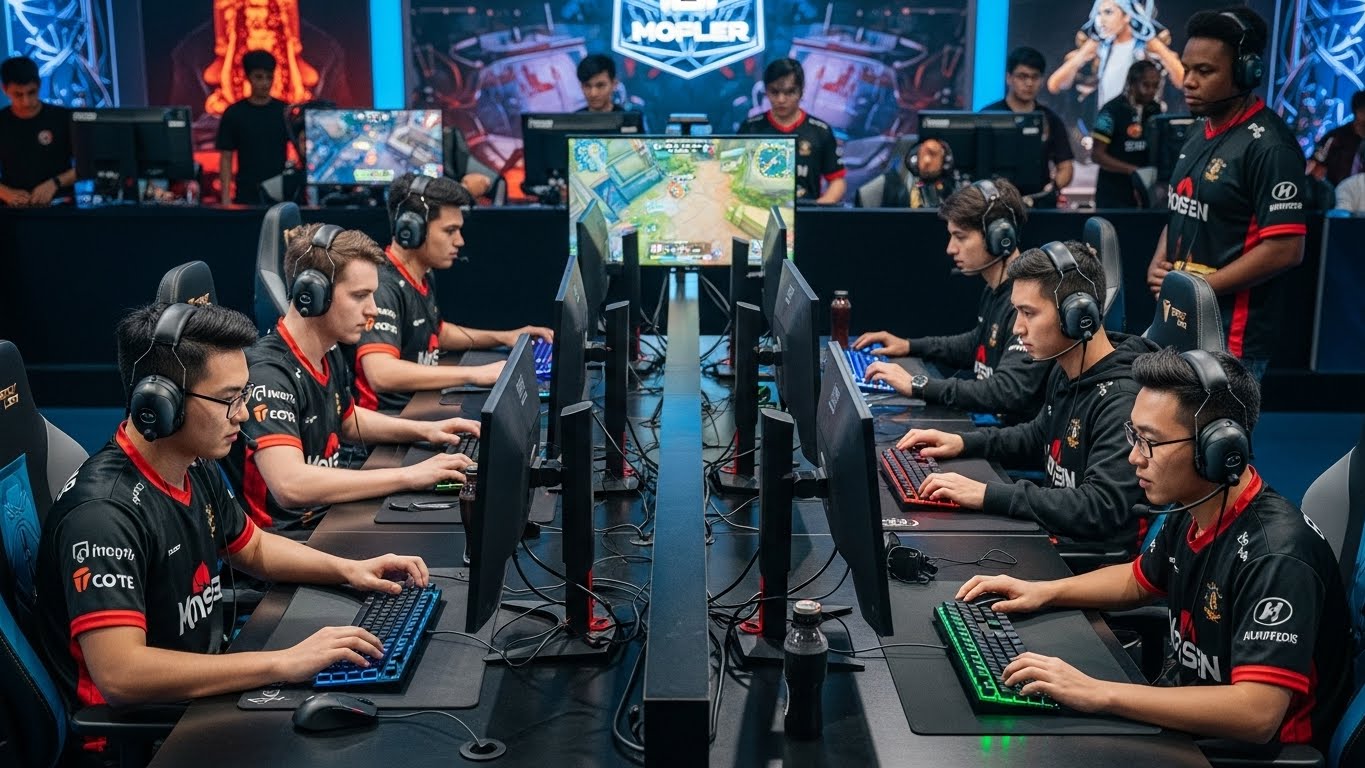
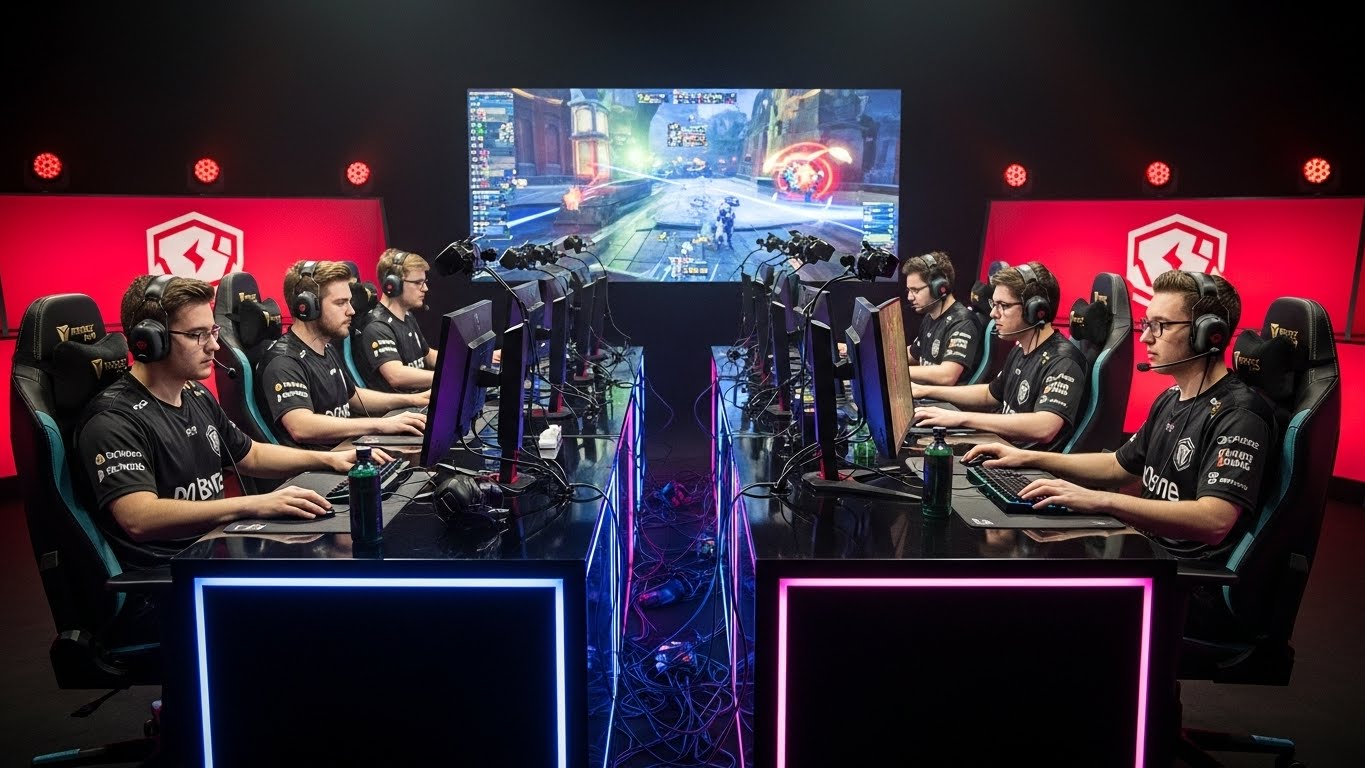
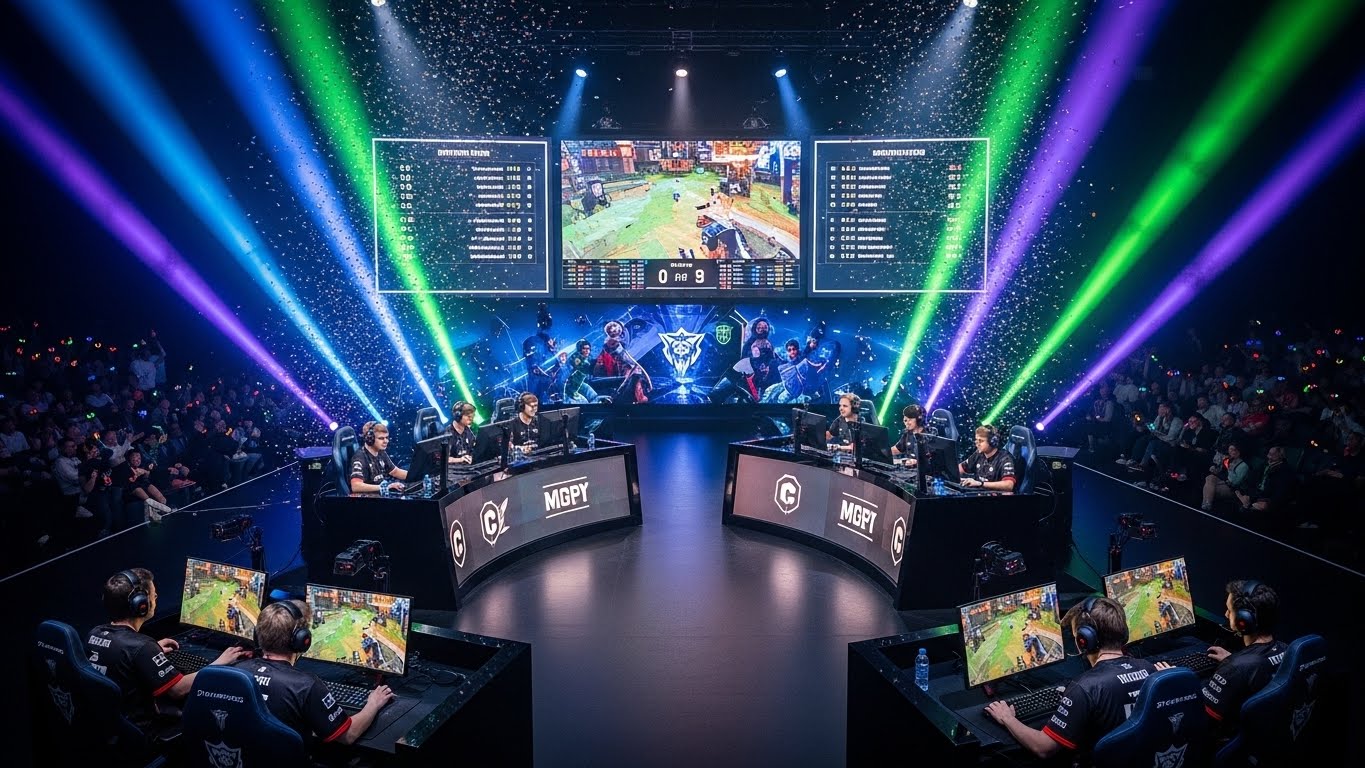
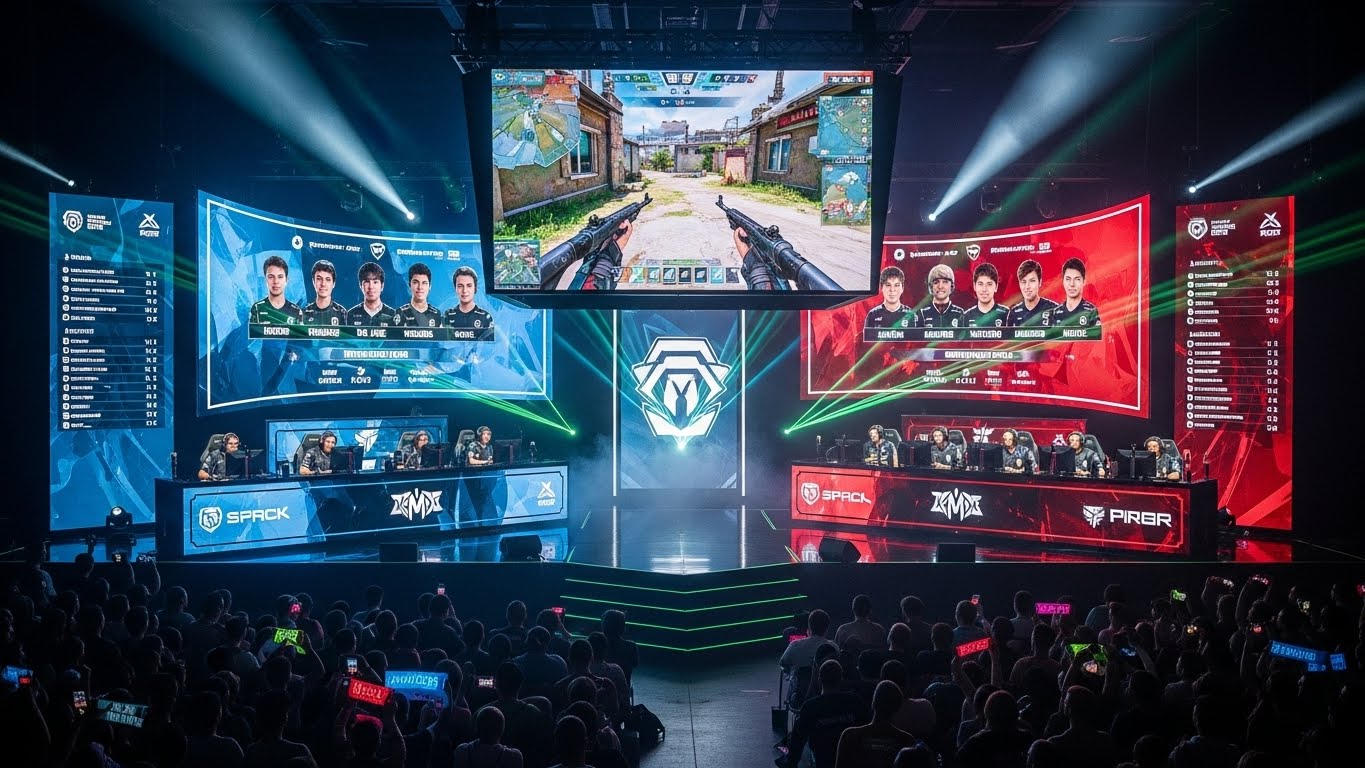
Esports, once considered a niche hobby, has transformed into a global phenomenon that rivals traditional sports in popularity, revenue, and cultural significance. From small gatherings of players competing in arcades to massive international tournaments broadcasted to millions, esports represents a new frontier in entertainment, technology, and professional competition. This blog explores the origins of esports, its rise as a cultural and economic powerhouse, the opportunities it creates, the challenges it faces, and what the future may hold.
The Origins of Competitive Gaming
The story of esports begins in the early days of video games. In the 1970s and 1980s, arcade games such as Space Invaders and Pac-Man attracted players who competed to achieve the highest scores. These competitions were informal and localized, but they planted the seeds for organized competitive gaming.
With the introduction of personal computers and home gaming consoles in the 1990s, players began forming communities around multiplayer games. Titles like StarCraft, Quake, and Counter-Strike laid the foundation for professional gaming. These early competitions emphasized strategy, coordination, and quick reflexes, proving that gaming could be both skill-based and competitive.
The growth of the internet accelerated esports dramatically. Online multiplayer games allowed players from different regions to compete against each other in real time. As a result, communities expanded globally, creating an environment where esports could flourish beyond local arcades or small tournaments.
Esports as a Form of Entertainment
Esports has transformed the way people consume entertainment. Unlike traditional sports, which rely heavily on television broadcasts, esports thrives on online streaming platforms. Millions of viewers watch live tournaments and follow their favorite players in real time. Platforms like these allow fans to interact directly with players and other viewers, creating a sense of community and engagement that is unmatched in traditional sports.
The interactivity of esports is a key factor in its success. Fans can comment, share reactions, and even influence the content they consume. This level of engagement ensures that esports is not just a passive form of entertainment, but an active and immersive experience. The accessibility of esports, where anyone with an internet connection can watch or participate, has played a significant role in its global popularity.
The Economics of Esports
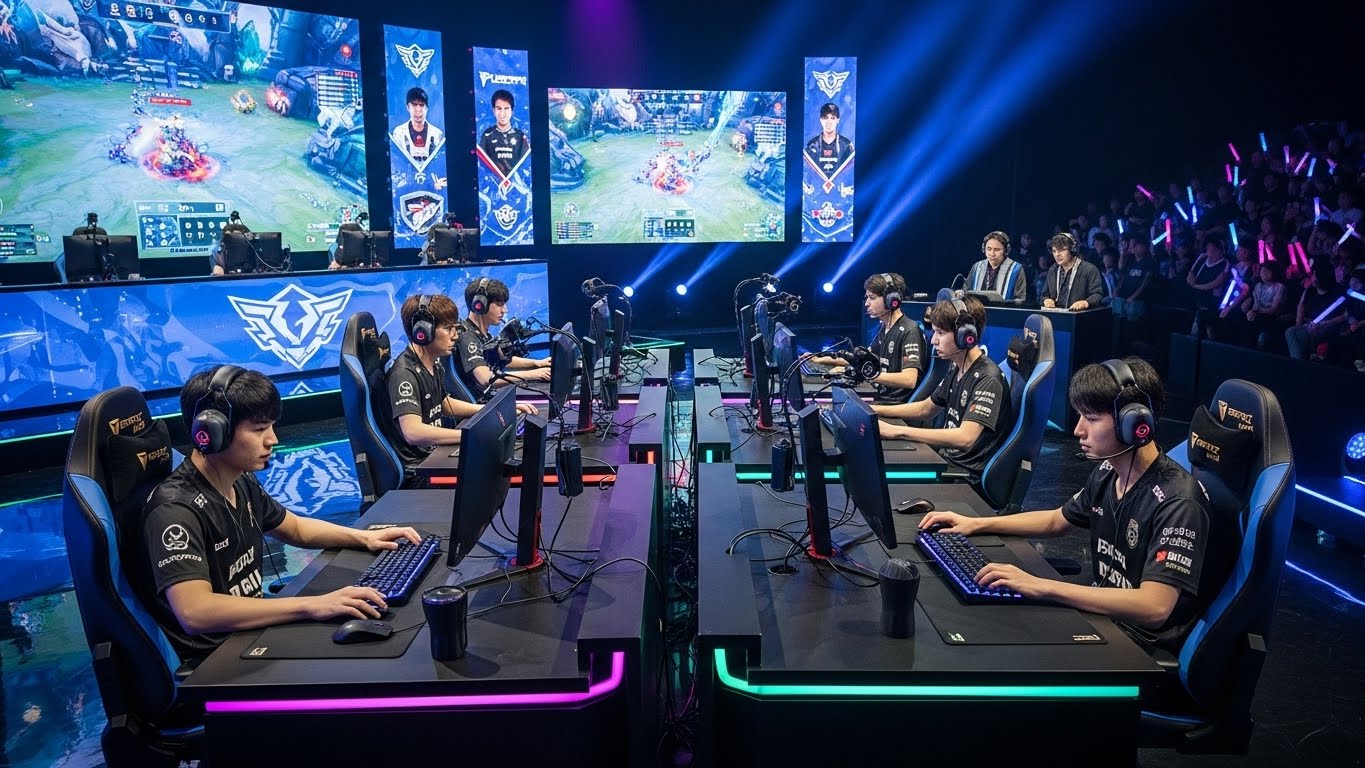
Esports is not only a cultural phenomenon but also an economic powerhouse. Prize pools for major tournaments can reach millions of dollars, attracting top talent from around the world. Teams operate similarly to professional sports organizations, with coaches, analysts, training facilities, and management staff. Sponsorships and advertising have become major revenue streams, with companies from technology, energy, automotive, and even financial sectors investing heavily in esports.
Merchandise, media rights, and in-game purchases tied to tournaments contribute further to the industry’s growth. Job opportunities have expanded beyond players to include commentators, event organizers, content creators, coaches, analysts, and marketing professionals. The result is a thriving ecosystem that generates substantial economic impact while providing career paths for individuals with diverse skill sets.
The Life of a Professional Esports Player
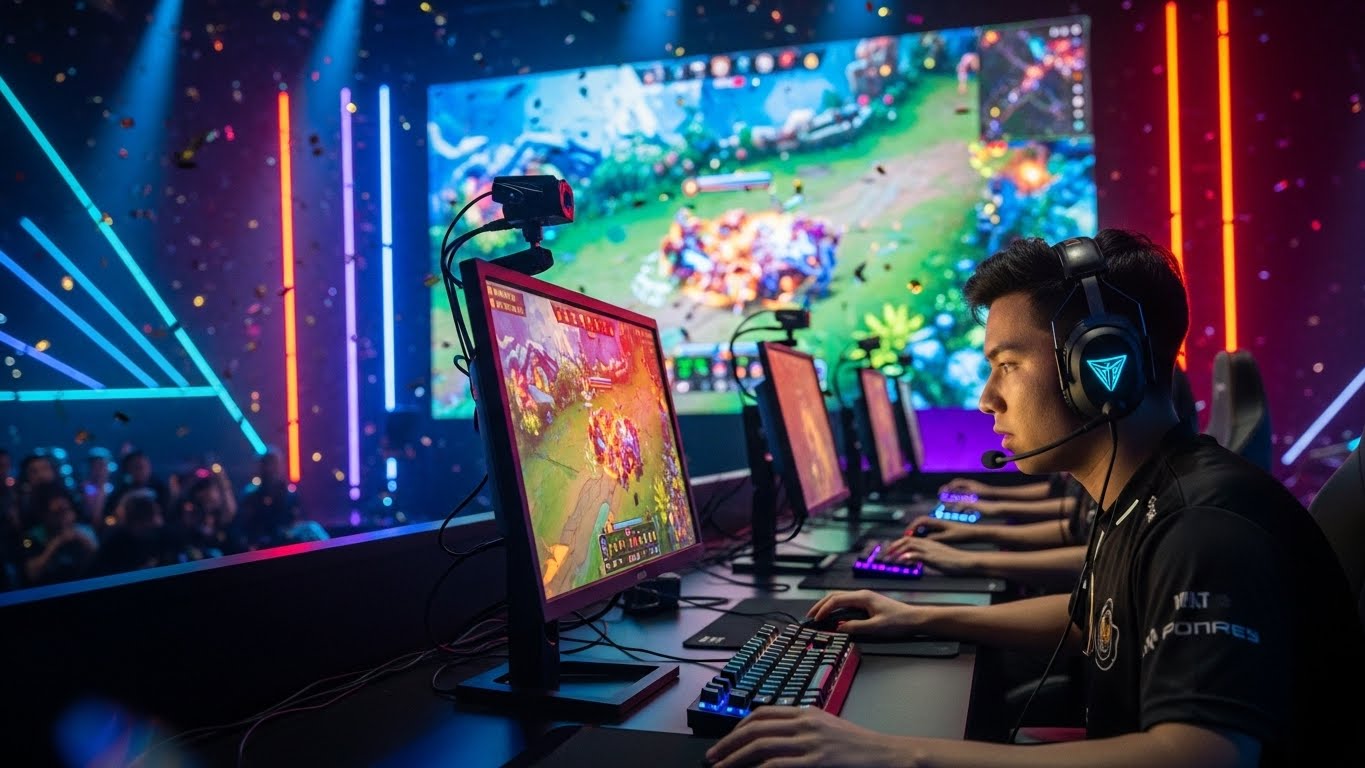
Professional esports players dedicate significant time and effort to mastering their craft. Many begin training in their early teens, spending hours each day practicing, studying strategies, and analyzing opponents. While some may question whether esports players are athletes, the discipline, skill, and mental endurance required to compete at a high level are undeniable.
The career of an esports player can be intense and short-lived. Reflexes, reaction times, and endurance peak at a younger age, and burnout is common. Many players transition into coaching, commentary, or content creation once their competitive careers end. Organizations have recognized this challenge and provide support for player wellness and career development, ensuring that talent and experience remain within the esports community.
Community and Culture in Esports
Esports thrives on its communities. Fans are dedicated, passionate, and deeply engaged. They celebrate victories, analyze strategies, create content, and interact with players and teams. This vibrant community helps sustain esports, ensuring that games remain relevant long after their initial release.
The social aspect of esports is a major draw for many fans. Tournaments are not only about the competition but also about shared experiences. Online forums, fan clubs, and social media platforms allow fans to discuss games, organize events, and form friendships that span the globe. This sense of belonging strengthens the cultural impact of esports, making it a lifestyle for millions.
Esports in Education and Youth Development
Esports has begun to influence education as well. High schools and universities now offer esports teams, scholarships, and specialized programs focused on game strategy, media, and technology. These programs recognize that esports teaches valuable skills, including teamwork, communication, critical thinking, and problem-solving.
Educational initiatives in esports also help reduce the stigma around gaming. Students are encouraged to view gaming as a legitimate pursuit that can lead to careers in technology, media, or professional competition. By integrating esports into academic programs, schools can engage students in STEM fields and other disciplines while fostering creativity and innovation.
Technology as the Driving Force
The growth of esports is inseparable from technological advancements. High-speed internet, powerful gaming hardware, and sophisticated software have made competitive gaming accessible worldwide. Developers design games with competitive balance, replayability, and spectator engagement in mind, ensuring that both players and fans have a rich experience.
Emerging technologies such as virtual reality, augmented reality, and artificial intelligence are beginning to influence esports. VR and AR could revolutionize how games are played and watched, creating immersive experiences for both players and spectators. AI can assist with training, strategy analysis, and game balancing, further elevating the competitive environment.
Global Reach and Cultural Impact
Esports is a truly global phenomenon. Players from different countries compete on equal footing, and fans unite across cultures to support their favorite teams. International tournaments highlight diverse cultures, strategies, and playstyles, creating a unique global narrative.
Countries such as South Korea, China, the United States, and several European nations have become esports hubs, contributing talent, infrastructure, and innovation. Esports has also gained recognition from governments, with some offering visas and professional support to competitive players. This recognition underscores the legitimacy and influence of esports on a global scale.
Challenges in the Industry
Despite its growth, esports faces several challenges. Player burnout and mental health concerns are significant issues due to the high-pressure environment. Organizations must develop support systems to ensure the well-being of their athletes.
Cheating, match-fixing, and unethical practices also threaten the integrity of competitions. Strong regulations, fair enforcement, and technological safeguards are essential to maintaining trust among players and fans.
Inclusivity remains a challenge as well. While esports communities are large, not all groups feel equally represented. Promoting diversity among players, teams, and audiences is crucial to expanding the industry and creating a welcoming environment for everyone.
The Future of Esports
The future of esports is bright and full of potential. As mainstream recognition grows and investment continues to increase, esports may rival traditional sports in viewership and revenue. New game genres, technological advancements, and creative fan engagement strategies will continue to shape the industry.
Esports could become a household staple, with dedicated broadcasting channels, global leagues, and professional infrastructures similar to traditional sports. As younger generations grow up with gaming as a central part of their lives, esports will become even more deeply integrated into global culture.
Conclusion
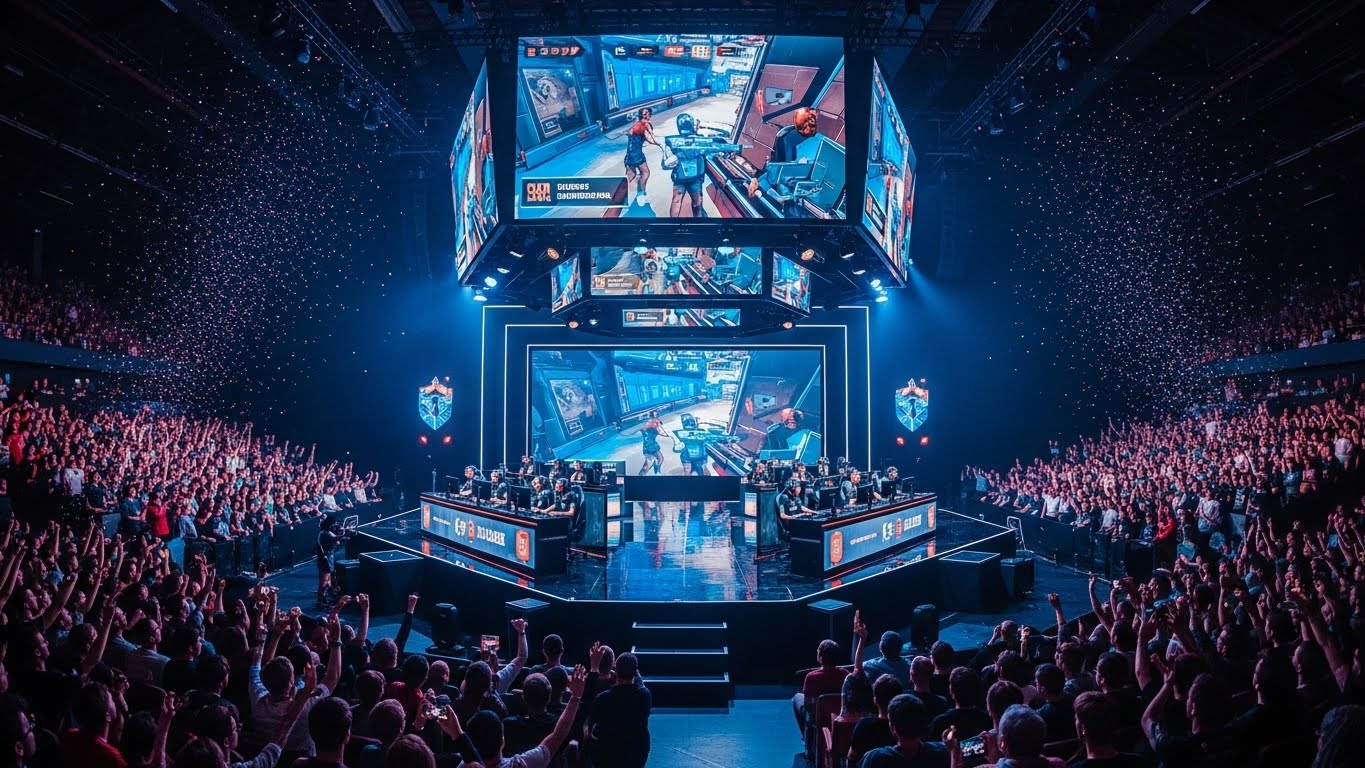
Esports is more than competitive gaming. It is a cultural, technological, and economic force shaping entertainment, education, and global interaction. From humble beginnings in arcades to international stadiums and online streaming platforms, esports has evolved into a digital powerhouse driven by skill, passion, and innovation.
As the industry grows, it will continue to create opportunities, foster communities, and redefine what it means to compete and entertain in the modern world. For players, fans, and innovators alike, esports represents a thrilling frontier that continues to challenge expectations and inspire the next generation. The game is on, and the possibilities are endless.