clashcircle44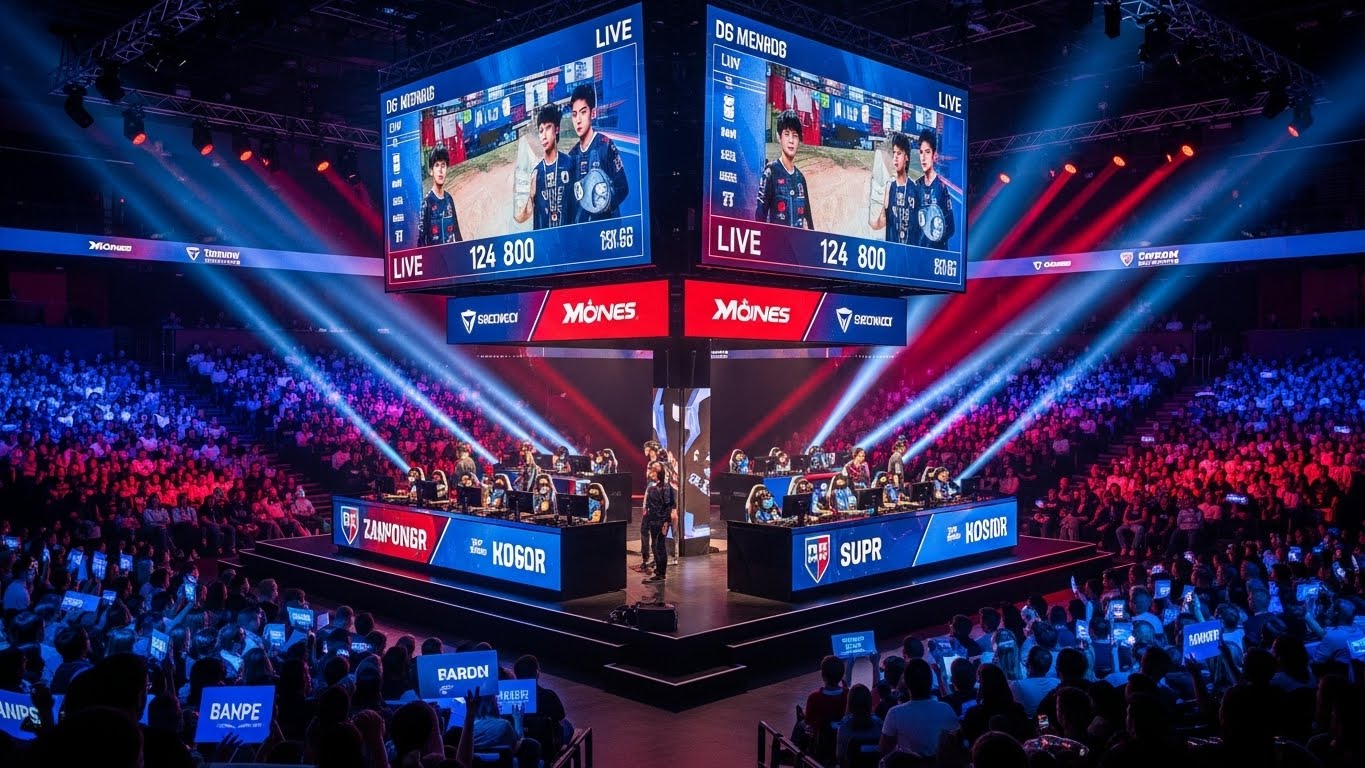
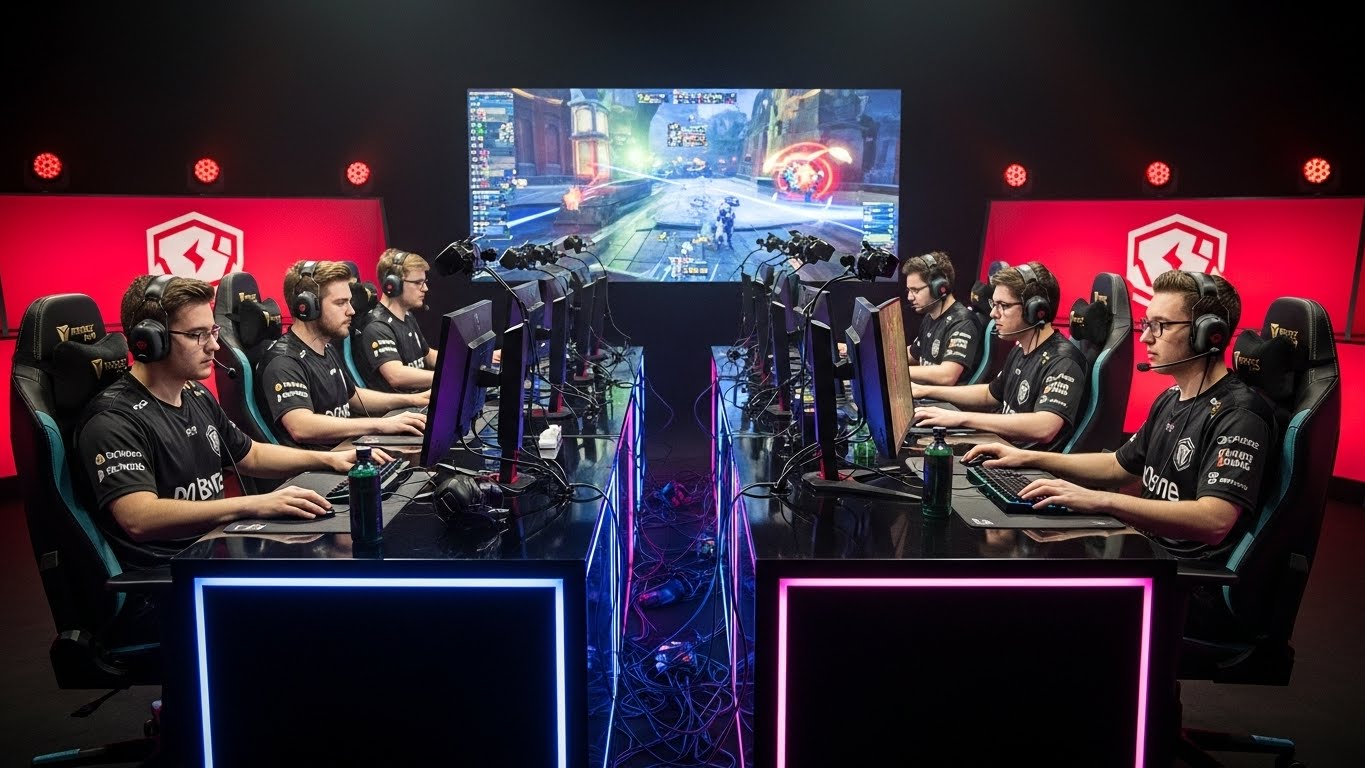
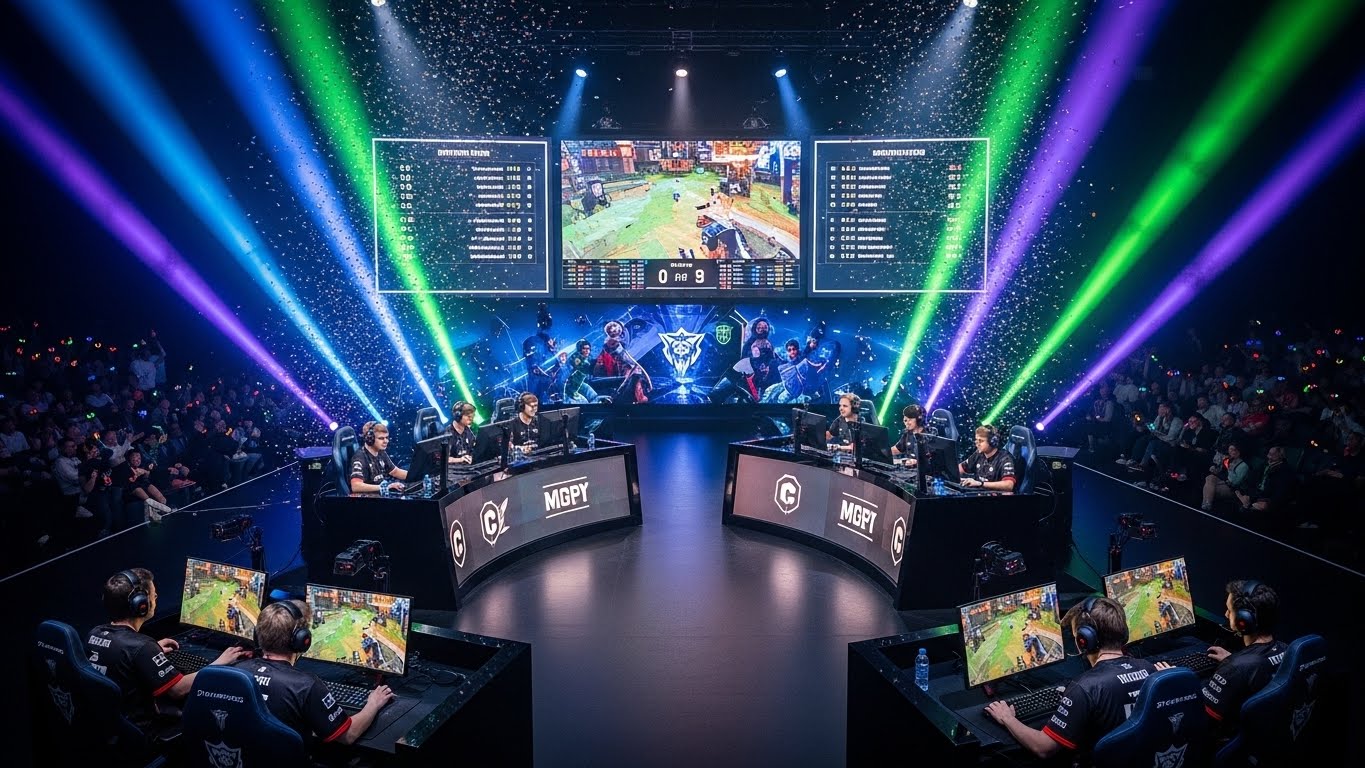
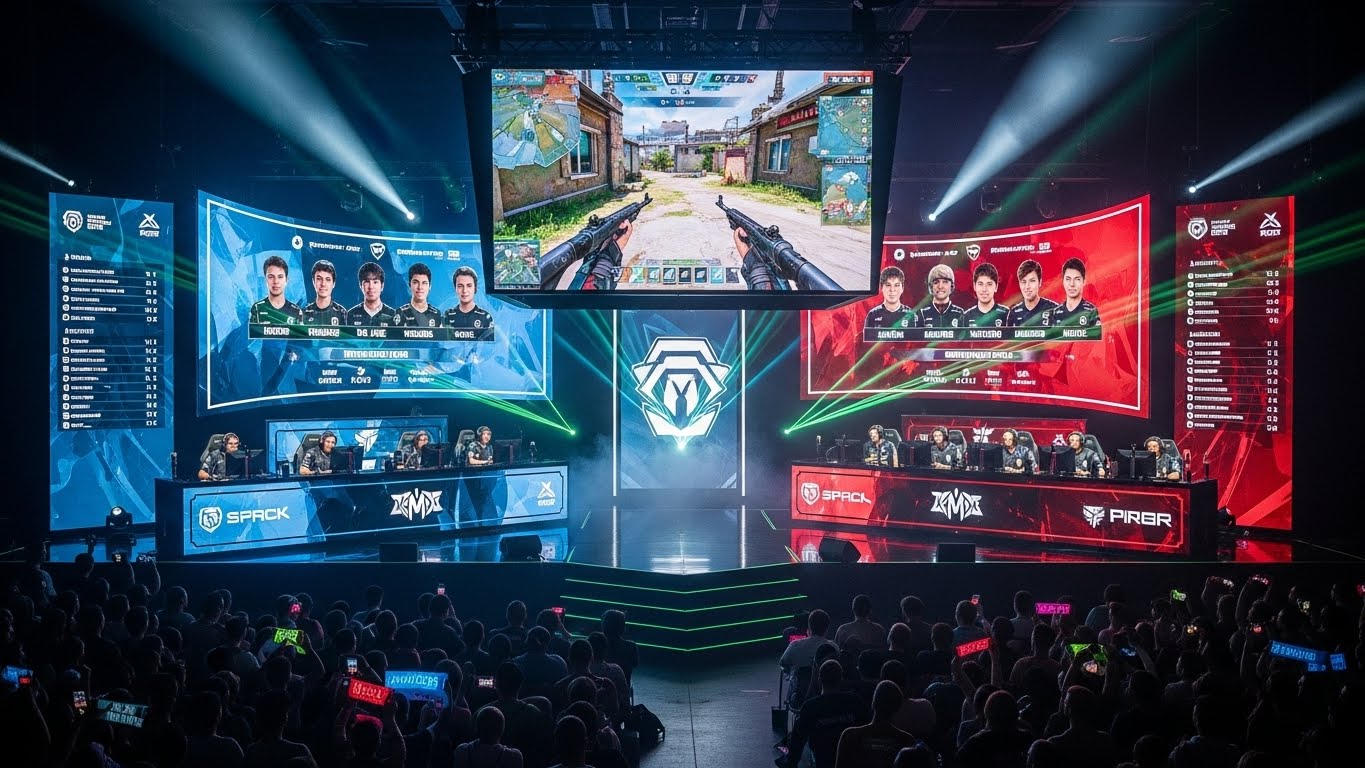
Esports, short for electronic sports, has transformed from a niche hobby into a global phenomenon. The growth of competitive gaming has been nothing short of extraordinary, with players, teams, and even entire leagues garnering attention across the world. The esports industry has expanded far beyond the confines of a small community of gamers, attracting millions of viewers, huge sponsorships, and investment from mainstream companies. In this blog post, we will explore the rise of esports, its cultural significance, the business opportunities it presents, and its future in the world of entertainment.
The Origins of Esports: From LAN Parties to International Competitions
The history of esports can be traced back to the early days of online gaming. In the late 1990s and early 2000s, multiplayer games like Starcraft, Quake, and Warcraft gave rise to competitive play. Local Area Network (LAN) parties were the first form of competitive gaming, where friends and strangers gathered in one location, connected their computers to the same network, and played games together. These gatherings, although informal, laid the groundwork for the competitive structure we see in esports today.
By the mid-2000s, organized tournaments began to emerge, often hosted by gaming companies and developers themselves. One of the most iconic early events was the World Cyber Games (WCG), which was established in 2000 and featured international tournaments for games such as Counter-Strike and Warcraft III. The WCG’s success helped to spark the global interest in competitive gaming, and many similar tournaments followed.
However, it wasn’t until the early 2010s that esports began to gain real traction in the mainstream. With the rise of streaming platforms like Twitch and YouTube, and the increasing accessibility of high-speed internet, esports began to explode in popularity. The formation of professional leagues and franchises, such as League of Legends (LoL) and Overwatch, propelled competitive gaming into a whole new realm.
The Explosion of Esports: A Global Phenomenon
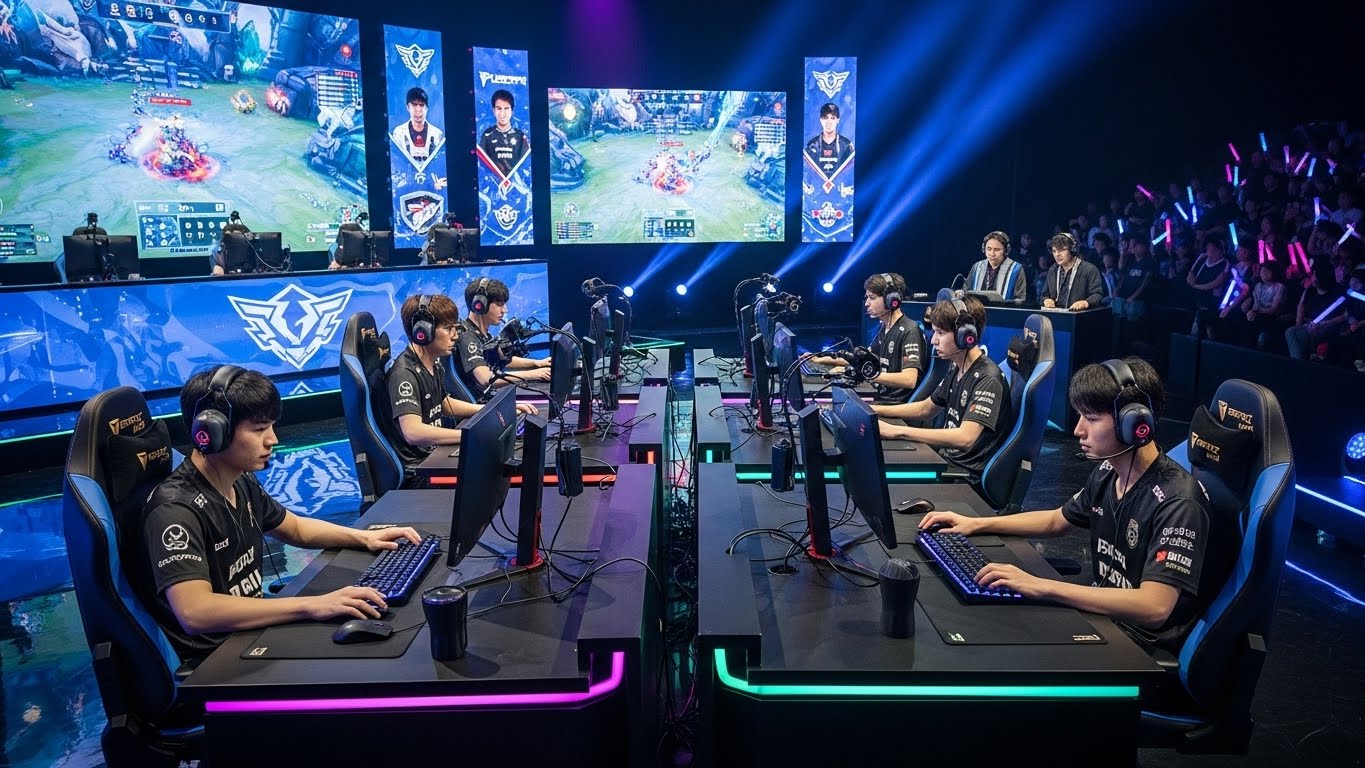
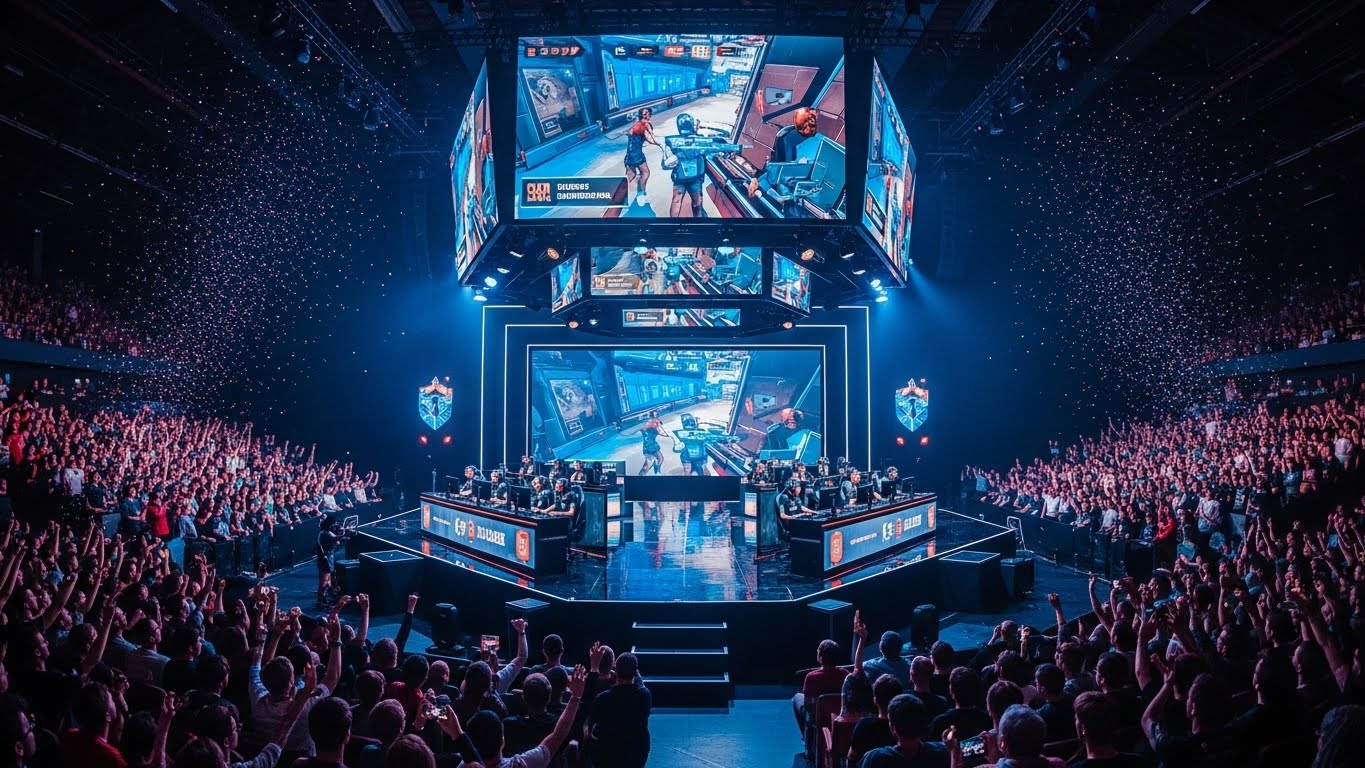
One of the primary factors in the growth of esports has been the increase in viewership. What was once an obscure pastime is now a multi-million-dollar industry with global fanbases. Major esports tournaments like The International (Dota 2) and the League of Legends World Championship attract millions of live viewers both online and in person. The scale of these events is comparable to traditional sports in terms of viewership, with prize pools reaching into the tens of millions of dollars.
The rise of streaming platforms has also played a pivotal role in the success of esports. Platforms like Twitch, YouTube Gaming, and Facebook Gaming have become the go-to destinations for watching esports competitions. These platforms allow fans to watch their favorite players and teams compete in real-time, and also give viewers the ability to interact with players and commentators through live chats and social media integration.
Esports has also begun to appeal to a more diverse audience, with a broader demographic embracing the excitement of competitive gaming. Initially, the majority of esports fans were young men between the ages of 18 and 34. However, over time, the audience has expanded, with more women and older viewers now engaging with esports content. This broadening of the fanbase has allowed esports to solidify itself as a mainstream form of entertainment.
The Business of Esports: From Sponsorships to Media Rights
The financial side of esports is equally impressive. Sponsorships from large corporations and tech companies have helped fuel the industry’s growth. Major brands like Coca-Cola, Intel, Nike, and Red Bull have all invested in esports, recognizing the potential of tapping into a young, tech-savvy, and engaged audience. These companies sponsor esports tournaments, teams, and individual players, providing the industry with much-needed financial backing.
In addition to sponsorships, media rights have become a significant revenue stream for esports organizations. Just like traditional sports leagues, esports leagues and tournament organizers have started selling broadcasting rights to platforms like ESPN, YouTube, and even regional networks. This has helped esports grow from a subculture into a legitimate form of entertainment with a global presence.
The esports ecosystem is also benefiting from new opportunities in gaming-related technology. Virtual reality (VR), augmented reality (AR), and advancements in streaming quality are transforming the way esports competitions are experienced. High-definition streams, along with 360-degree camera angles and VR broadcasts, are taking esports production to new heights, creating more immersive and engaging experiences for viewers.
Moreover, esports’ growing popularity is opening doors for more sponsorship deals, merchandise sales, and brand collaborations. Some of the most successful esports organizations are also investing in content creation, growing their online presence on platforms like YouTube and social media. This allows them to create more meaningful relationships with their fanbases, increasing fan loyalty and engagement.
The Impact of Esports on Traditional Sports
As esports continues to grow, its influence on traditional sports cannot be overlooked. Many sports organizations and teams are beginning to invest in esports, either by creating their own teams or partnering with existing esports leagues. For example, traditional sports teams like the Philadelphia 76ers (NBA) and Paris Saint-Germain (soccer) have invested in esports teams, while companies like Nike and Adidas are releasing esports-specific merchandise.
Additionally, esports has introduced new forms of competition that may influence the future of traditional sports. For example, the popularity of Battle Royale games like Fortnite and Apex Legends has sparked interest in competitive formats that emphasize survival and last-man-standing mechanics. These formats differ significantly from traditional sports and may pave the way for new, hybrid forms of competition that blend elements from both esports and traditional sports.
Esports has also served as a platform for introducing new forms of inclusivity. Whereas traditional sports often have physical barriers, esports allows players of all physical abilities to compete on a level playing field. This has been particularly important in expanding opportunities for women and underrepresented groups in gaming. The rise of women’s esports leagues and initiatives designed to combat harassment and toxicity within gaming communities has made competitive gaming more accessible and inviting.
The Future of Esports: What’s Next?
As the esports industry matures, its future is full of possibilities. One of the most exciting developments is the growing acceptance of esports as an official sport. In some countries, esports has already been recognized as a legitimate sport by government organizations and sports federations. For example, the International Olympic Committee (IOC) has expressed interest in incorporating esports into the Olympic Games in the future. Although there are still significant hurdles to overcome, the possibility of seeing esports in the Olympics is an exciting prospect for fans and players alike.
Another key area of development is the growing integration of esports into education. Universities and schools around the world are offering esports scholarships, creating varsity-level esports teams, and even integrating gaming into their curriculum. This trend is helping to legitimize competitive gaming as a viable career path for young players and giving esports a level of institutional support that will only drive its growth.
Esports is also likely to continue its expansion into other entertainment sectors. As the industry matures, we may see more collaboration with film, television, and music. Already, some esports tournaments feature live musical performances and entertainment acts, adding another layer to the viewing experience. The potential for esports to cross over into other forms of entertainment is vast, and its cultural influence will only continue to grow.
Additionally, technological advancements in gaming hardware and software will make esports competitions even more dynamic. Virtual reality (VR) and augmented reality (AR) are likely to become more integrated into esports tournaments, providing players and viewers with a more immersive experience. The increasing popularity of cloud gaming also means that more people around the world will have access to competitive gaming, further expanding the global reach of esports.
Conclusion: Esports as a Global Cultural Force
Esports has evolved from a niche hobby into a cultural force that rivals traditional sports in terms of viewership, investment, and influence. With its ever-growing fanbase, lucrative sponsorships, and increasing acceptance in mainstream culture, the future of esports looks bright. As technology, business models, and global infrastructure continue to evolve, esports will continue to redefine the boundaries of competitive gaming and entertainment.
For players, fans, and investors alike, esports offers endless possibilities. Whether you’re competing at the highest level, cheering from the sidelines, or investing in the next big esports organization, there has never been a more exciting time to be involved in this dynamic and fast-growing industry.