clashcircle44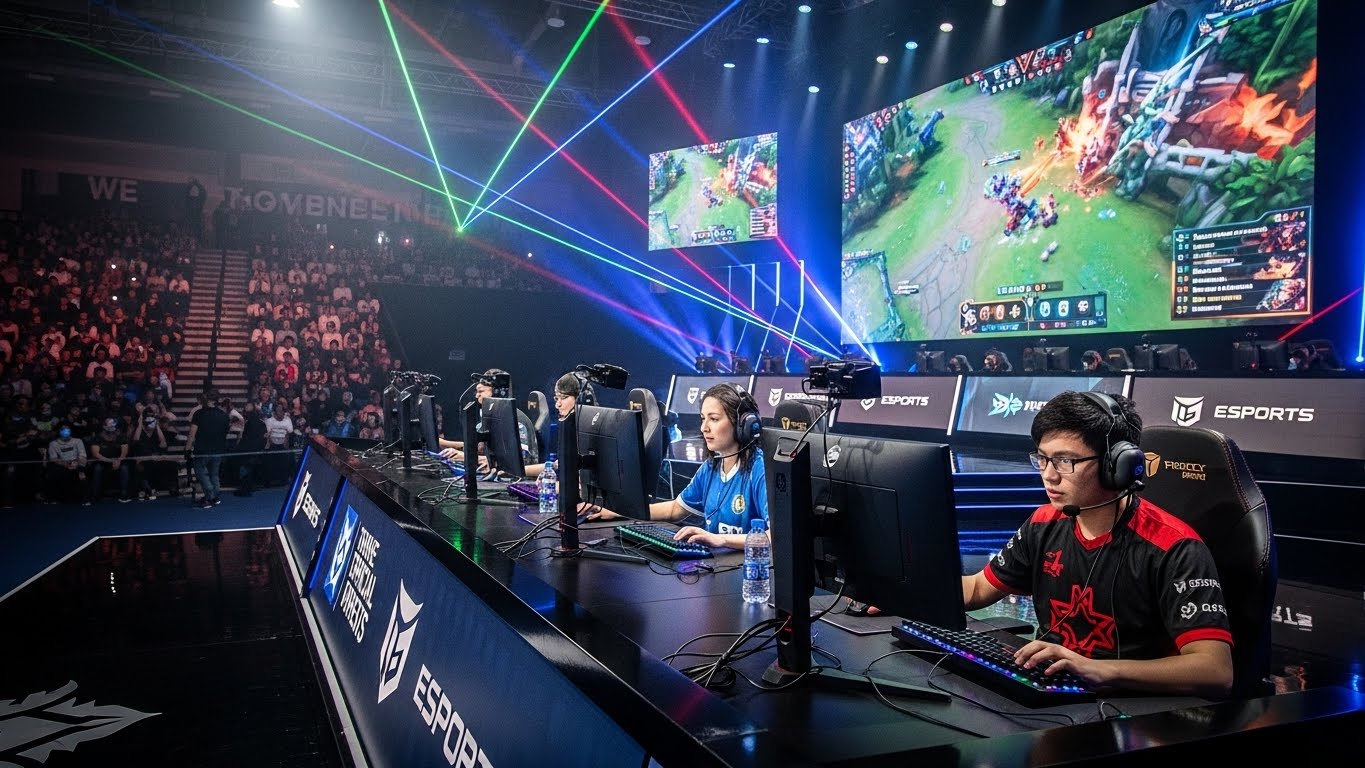
In the past few decades, the world of sports has undergone a transformation, with new forms of entertainment and competition emerging on the global stage. One of the most fascinating and fast-growing sectors within this transformation is esports. Competitive gaming, once a niche hobby enjoyed by a small community of gamers, has rapidly evolved into a multi-billion-dollar industry with a worldwide following. From intense tournaments to massive streaming platforms, esports is no longer just for gamers—it’s an entertainment phenomenon attracting fans, investors, and brands alike.
In this blog post, we will explore the rise of esports, its impact on traditional sports and entertainment, the challenges it faces, and its potential future. Whether you’re a die-hard esports fan or someone simply curious about this rapidly growing field, this article will provide a comprehensive look at what esports has to offer.
What is Esports? Understanding the Basics
At its core, esports refers to organized, multiplayer video game competitions, often between professional players or teams. These competitions can take many forms, from tournaments in games like League of Legends, Dota 2, Counter-Strike: Global Offensive, and Fortnite, to esports leagues such as the Overwatch League or Call of Duty League. Esports can be played on various platforms including PC, consoles, and mobile devices.
While competitive gaming has existed since the 1980s with events like Space Invaders Championship and Street Fighter tournaments, the modern esports scene began to take shape in the late 1990s and early 2000s. As internet connectivity improved and gaming hardware became more powerful, gaming leagues and tournaments began to gain traction, and esports grew into a global phenomenon. Today, it is a massive industry with professional players, coaches, organizations, and even live audience events in large stadiums.
The Explosion of Esports: A Global Industry
The rapid growth of esports in the past decade has been nothing short of extraordinary. According to recent reports, the global esports industry is estimated to generate $1.38 billion in revenue by 2025, driven largely by sponsorships, advertising, media rights, merchandise sales, and live event ticket sales. The audience for esports is also expanding at an exponential rate, with millions tuning in to watch live tournaments and events.
In 2019, the League of Legends World Championship had over 100 million viewers, rivaling the audience size of major traditional sporting events like the Super Bowl or NBA Finals. In fact, streaming platforms like Twitch and YouTube Gaming have revolutionized how we consume entertainment, with millions of viewers watching esports tournaments, player streams, and gaming content on a daily basis.
Esports has also attracted a variety of mainstream investors and partners. Major corporations like Coca-Cola, Intel, Nike, and Mercedes-Benz have partnered with esports teams and organizations, further legitimizing esports as a serious form of entertainment. The increasing involvement of these high-profile companies has led to bigger prize pools, enhanced production values, and broader exposure for players and teams.
The Growth of Esports Leagues and Tournaments
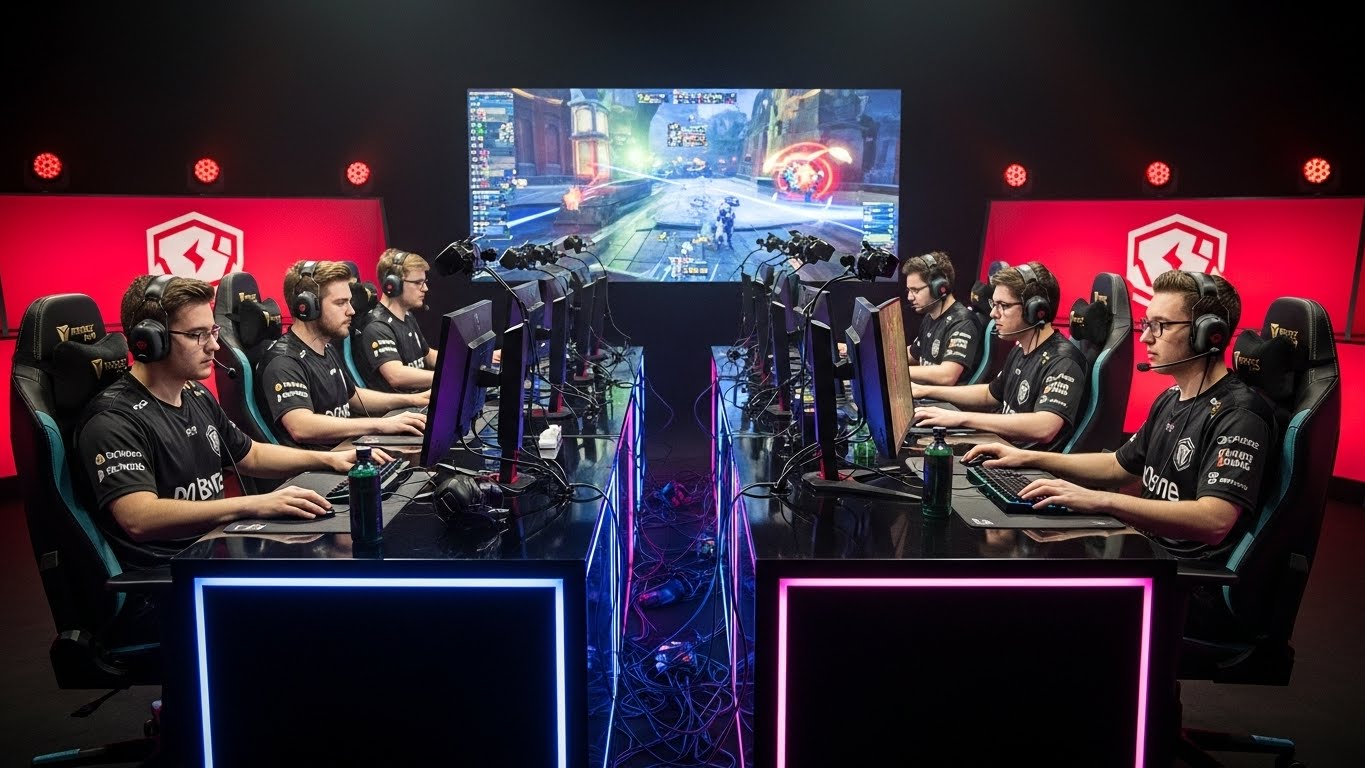
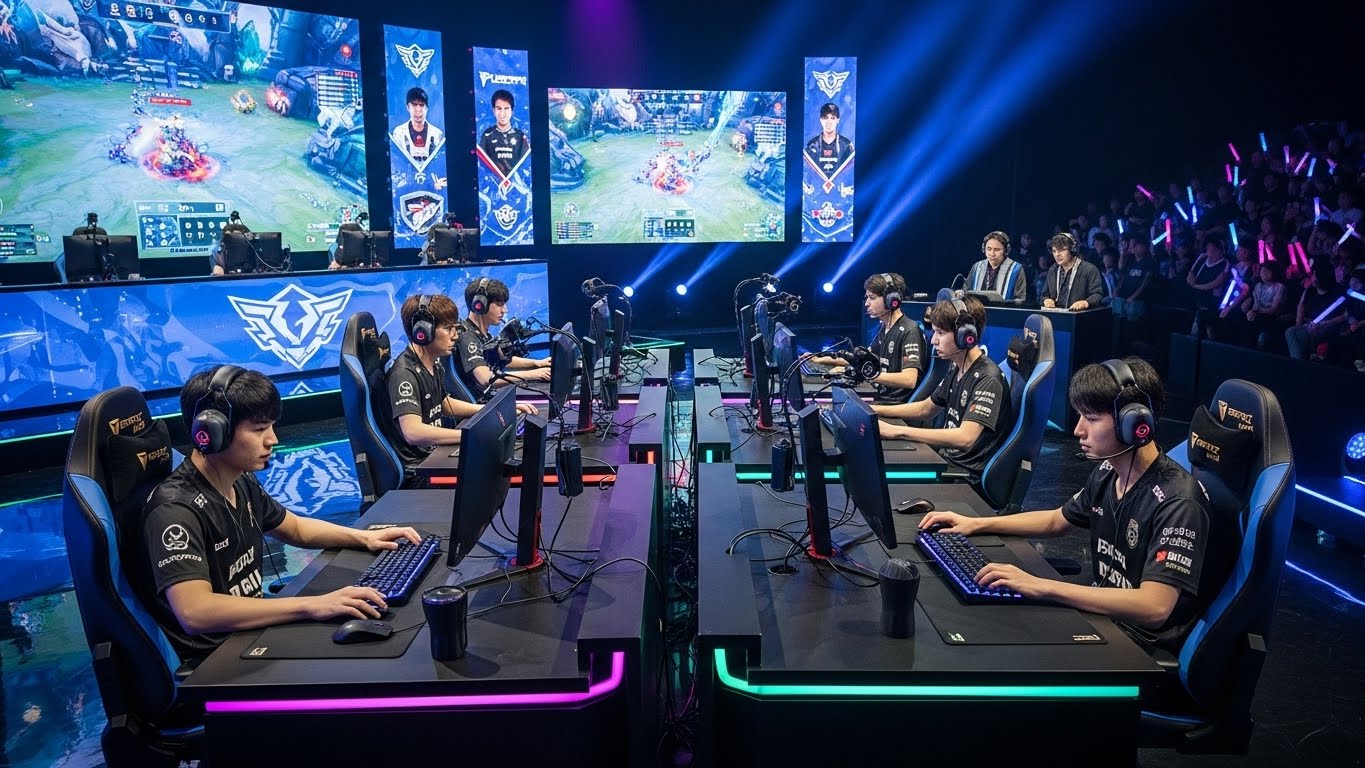
Esports tournaments and leagues have become the heartbeat of the industry. These events are not only major spectacles for fans but also serve as platforms for professional players to showcase their skills. Some of the biggest esports tournaments include:
- The International (Dota 2): Known for its massive prize pools, often exceeding $40 million, The International is one of the most prestigious tournaments in esports. Players from around the world battle it out for glory, fame, and life-changing money.
- League of Legends World Championship: League of Legends (LoL) is one of the most popular esports titles in the world. The annual LoL World Championship draws millions of viewers and features regional teams from across the globe competing for the coveted Summoner’s Cup.
- CS:GO Major Championships: The Counter-Strike: Global Offensive Major Championships are some of the most intense and highly anticipated tournaments in the esports world. With skilled teams and rich history, these events are a staple in the competitive gaming community.
- Overwatch League: A professional esports league for Blizzard’s popular game Overwatch, the Overwatch League (OWL) is structured similarly to traditional sports leagues, with regional teams and a season culminating in playoffs and a championship.
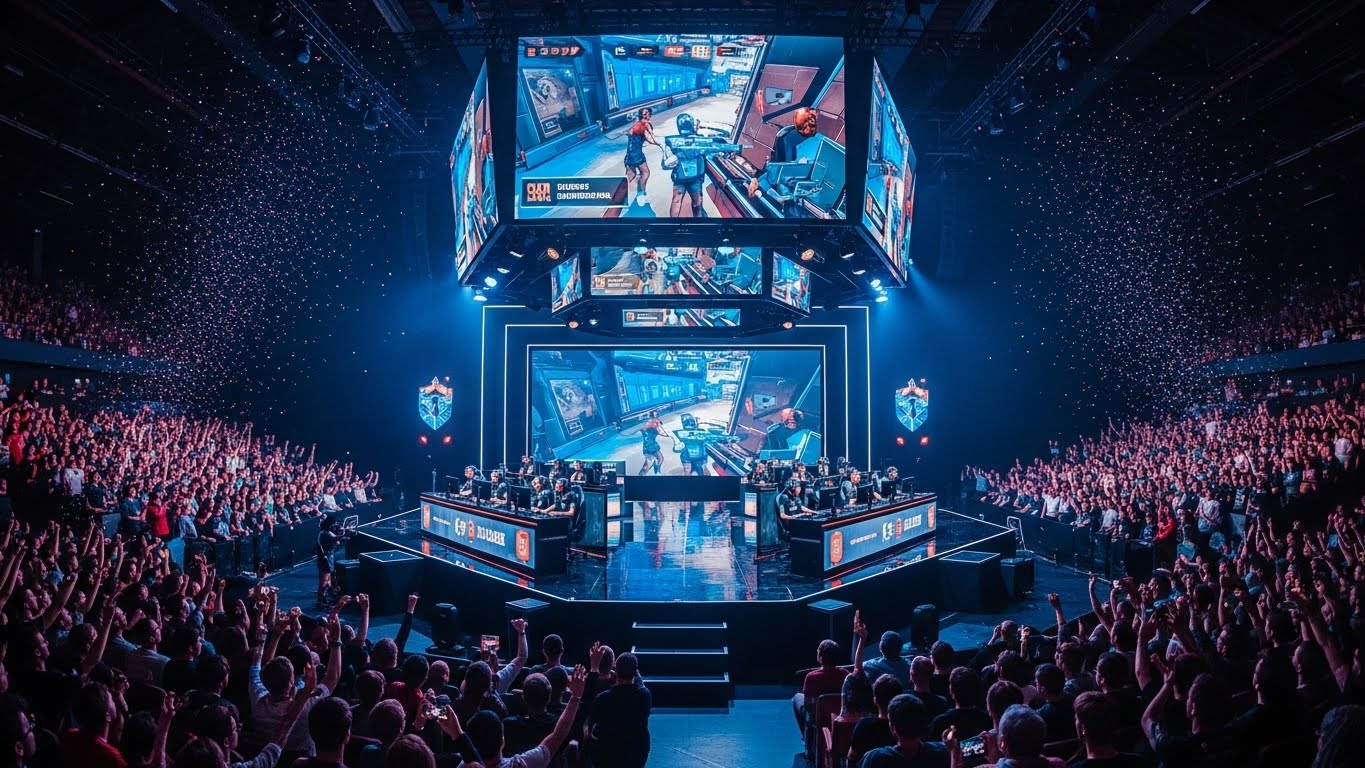
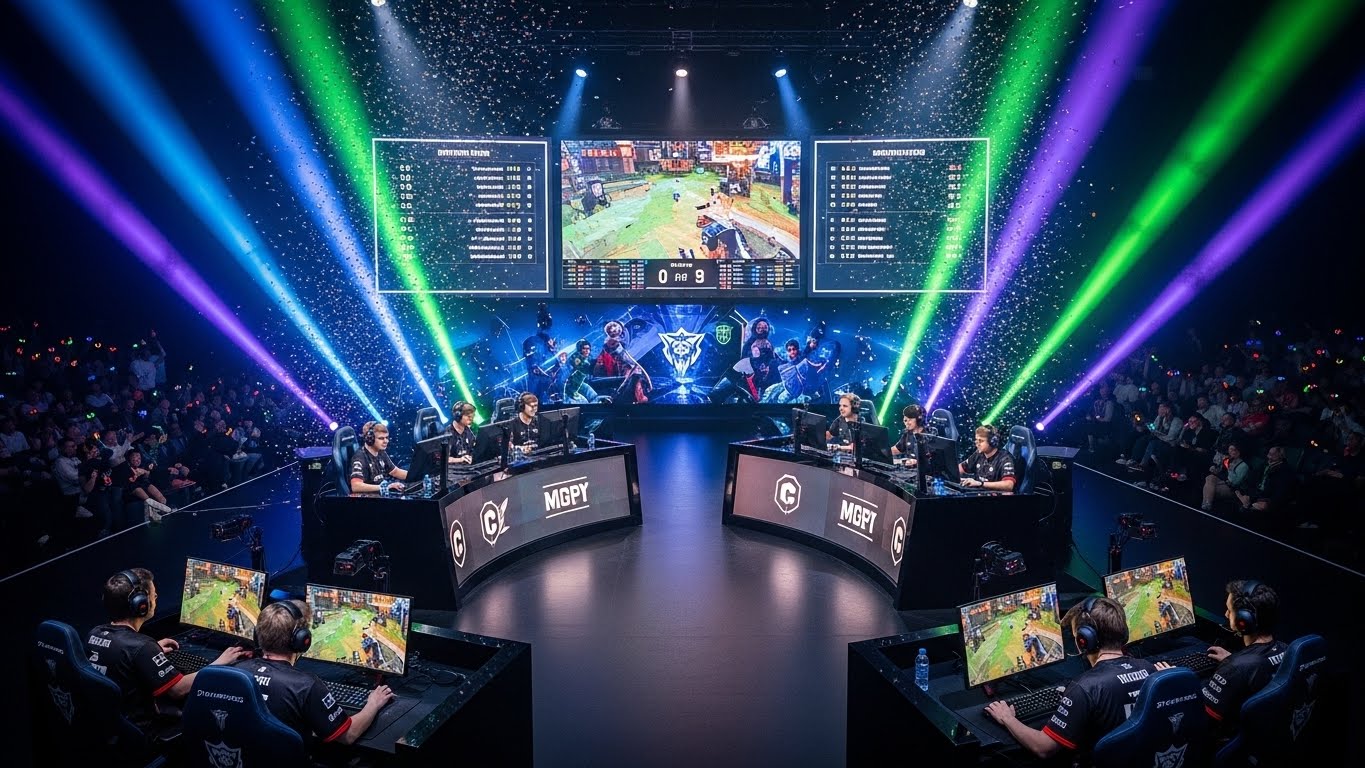
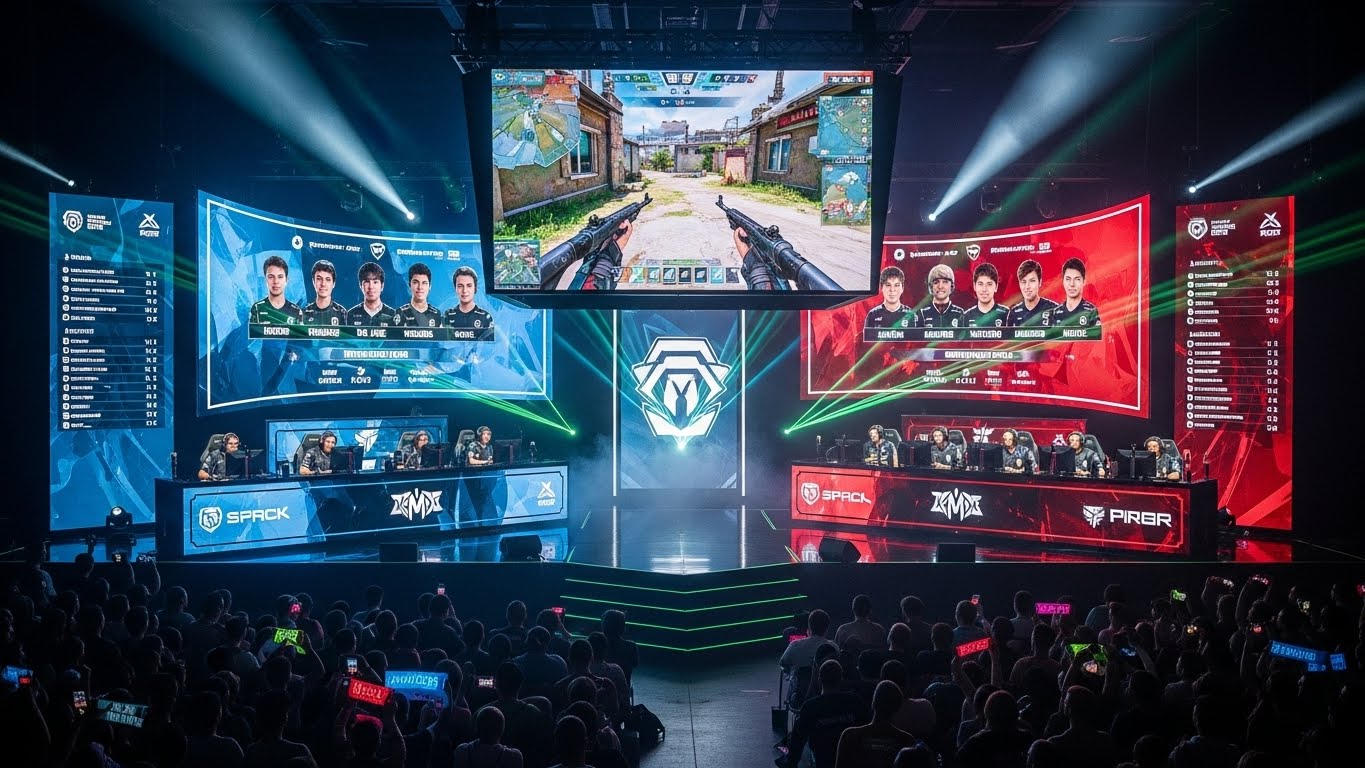
The format of these tournaments varies but typically includes round-robin play, playoffs, and grand finals. Some esports competitions also feature live broadcasting in arenas, with fans attending in person to watch the action unfold on massive screens and cheering on their favorite teams. These events can fill up major arenas, such as the Barclays Center in New York or The Mercedes-Benz Arena in Shanghai, showcasing just how big esports has become.
The Role of Streamers and Content Creators
One of the key drivers behind esports’ growth has been the rise of gaming content creators and streamers. Platforms like Twitch, YouTube Gaming, and Facebook Gaming allow gamers to broadcast their gameplay live to audiences worldwide. Streamers, who range from hobbyists to professional players, have built substantial followings by creating content that entertains and educates.
Twitch, in particular, has become the epicenter of esports streaming. Many top esports players, such as Ninja, Shroud, and Pokimane, have gained millions of followers by streaming their gaming sessions, offering insights into competitive play, and interacting with their audiences in real-time. As the audience for live-streamed content grows, these personalities have become celebrities in their own right, often commanding endorsement deals, merchandise sales, and even creating their own teams.
Esports streamers and content creators also play a crucial role in promoting upcoming tournaments and games. Their streams and discussions help build hype and excitement around new releases, patches, or upcoming events. This relationship between streamers and the esports community has made content creation an integral part of the overall esports ecosystem.
Esports and Traditional Sports: A Blurring of Lines
Esports’ rapid growth has led to increased crossover with traditional sports, challenging the traditional concept of what it means to be an athlete. Many esports players and teams now have physical training regimens, dedicated coaches, analysts, and team psychologists, mirroring the structure of professional sports organizations.
Several traditional sports organizations have also recognized the potential of esports and have started to invest in or sponsor esports teams and leagues. For example, major European football clubs like Manchester City and FC Barcelona have launched their own esports teams, and the NBA has partnered with Take-Two Interactive to create the NBA 2K League, a competitive basketball gaming league based on the NBA 2K series.
This collaboration between traditional sports and esports is a significant step toward legitimizing esports in the eyes of mainstream audiences. It also allows traditional sports to reach younger audiences, who are increasingly tuning into esports and gaming culture.
The Esports Workforce: Players, Coaches, and Managers
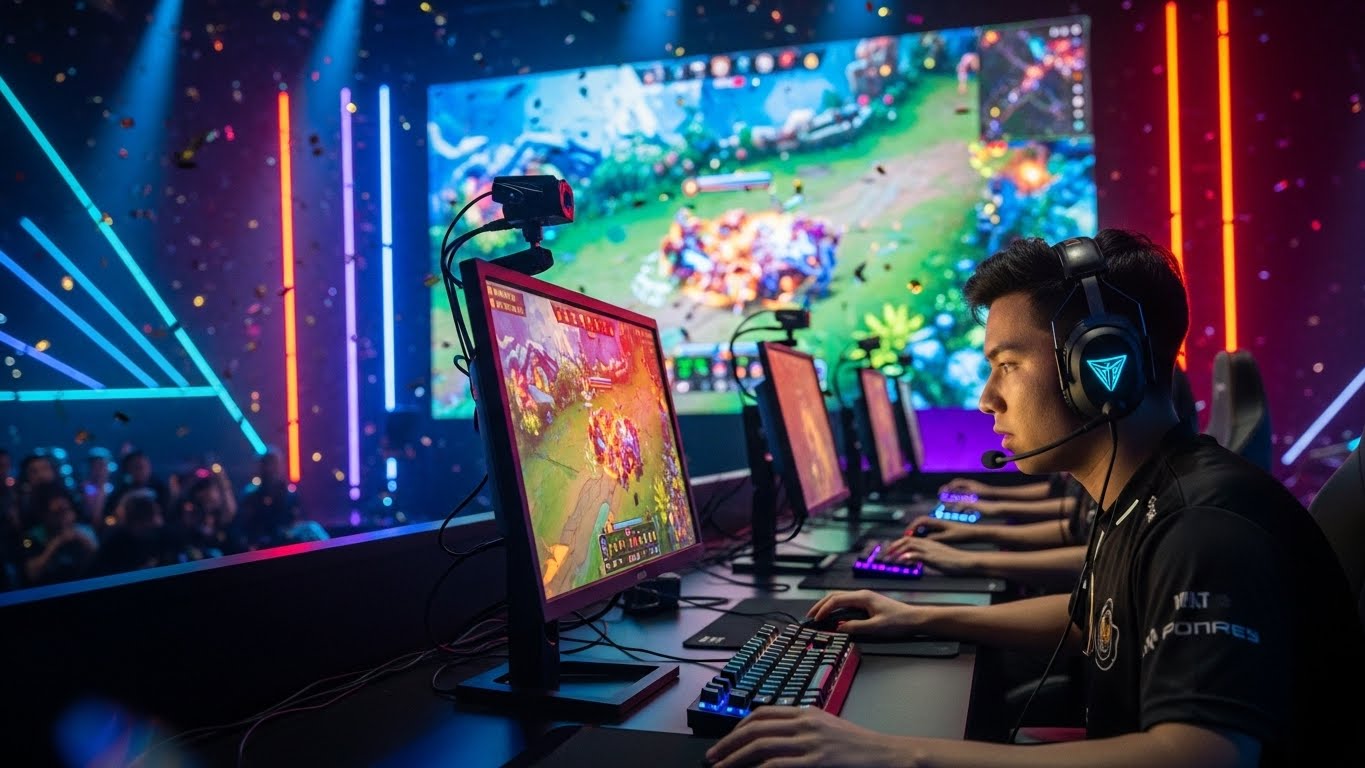
While esports players are the stars of the show, a vast support network is necessary to keep the wheels of the industry turning. Professional esports teams have become multi-faceted organizations, with specialized roles such as coaches, analysts, managers, and even sports psychologists. Just as in traditional sports, esports teams require strategy, coordination, and mental fortitude to compete at the highest level.
- Coaches help players refine their gameplay strategies, analyze opponents, and prepare for upcoming matches.
- Analysts break down data from past games to develop strategies and study opponent weaknesses.
- Managers handle logistics, finances, and team operations to ensure everything runs smoothly behind the scenes.
Esports players, who can start their careers at a young age, often retire earlier than their counterparts in traditional sports. Many professional gamers begin their careers in their teens, and by their mid-20s, they may retire to take on coaching or streaming roles. The lifestyle of a competitive gamer is demanding, requiring intense focus, practice, and mental resilience.
The Challenges Facing Esports
Despite its rapid rise, esports faces several challenges that need to be addressed for continued growth and sustainability. Some of the key challenges include:
- Monetization and Revenue Models: While esports generates significant revenue from sponsorships, ticket sales, and advertising, the long-term sustainability of these models is uncertain. There is also a need for more diverse revenue streams, such as subscription models or merchandise sales.
- Regulation and Fair Play: As esports grows, concerns around cheating, match-fixing, and fair play arise. Ensuring that players adhere to ethical standards is crucial for maintaining the integrity of competitive gaming.
- Mental Health and Burnout: Esports players face intense pressure to perform at the highest level, and the mental and emotional toll of constant competition can lead to burnout. Support systems and mental health resources for players are essential for their well-being.
- Inclusivity: Esports has been criticized for its lack of diversity and inclusivity. Increasing representation of women, people of color, and underrepresented groups is an ongoing challenge that the industry must address.
The Future of Esports: What’s Next?
The future of esports is bright, but it will depend on how the industry addresses its challenges and adapts to changing trends. We can expect to see:
- More Integration with Traditional Sports: As esports continues to grow, we may see further integration with traditional sports, including more crossover events and the expansion of esports into mainstream media channels.
- Improved Technologies: Advancements in virtual reality (VR) and augmented reality (AR) could transform the way we experience esports, making competitions even more immersive and engaging.
- Increased Professionalization: The growth of esports as a career path for players, coaches, analysts, and even broadcasters will continue to expand, creating more opportunities within the industry.
- Global Expansion: While esports has a strong presence in regions like North America, Europe, and East Asia, its popularity is steadily growing in emerging markets like Latin America, the Middle East, and Africa.
In conclusion, esports is a dynamic and rapidly evolving industry that is shaping the future of entertainment and competition. With its massive global audience, professional players, and increasingly sophisticated leagues, esports has firmly established itself as a dominant force in the world of sports and entertainment. Whether you are a casual viewer or an aspiring professional, esports offers something for everyone—and its future is just beginning.