clashcircle44
Introduction: The Evolution of Esports
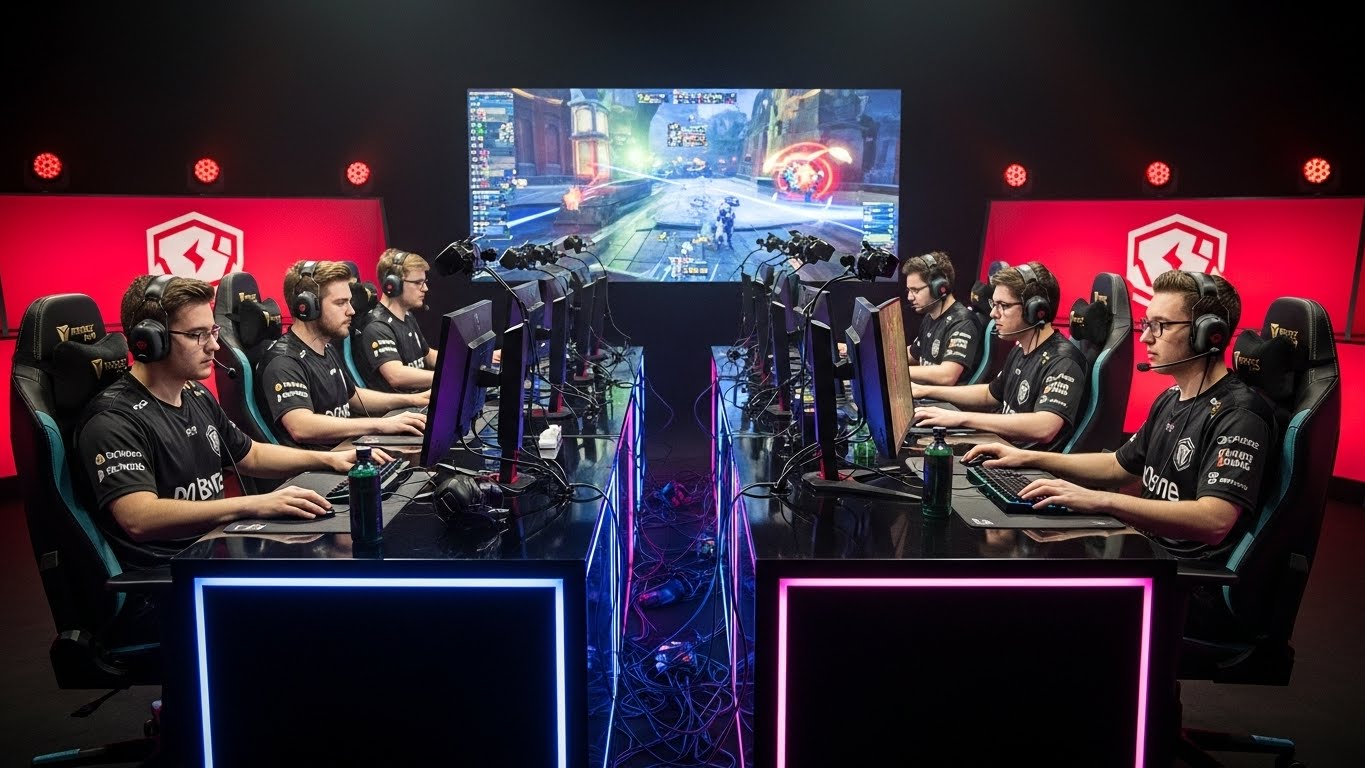
Esports, short for electronic sports, has emerged from the realm of casual gaming to become a dominant force in global entertainment. While traditional sports such as soccer, basketball, and football have dominated the sports industry for centuries, esports has grown rapidly in recent decades, captivating millions of fans worldwide. What once started as local LAN (Local Area Network) parties and small-scale competitions has evolved into a multi-billion-dollar industry with major tournaments, professional players, and massive viewership.
This blog explores the journey of esports, its current state, and the factors that have contributed to its meteoric rise. We’ll also discuss the impact of esports on gaming culture, the economy, and society at large.
The Origins of Esports: From Hobby to Profession
The history of esports can be traced back to the early days of video gaming, when multiplayer games began to emerge. In the 1970s, games like Space Invaders sparked competition among arcade players, but it wasn’t until the 1990s that organized competitive gaming started to take shape. The advent of personal computers and early internet connections allowed gamers to compete against each other across long distances, laying the foundation for online tournaments.
In the 1990s, games like Quake and StarCraft helped form the first esports communities. The Cyberathlete Professional League (CPL) and the World Cyber Games (WCG), founded in the late ’90s and early 2000s, were among the first major esports tournaments. These early events had small-scale followings but introduced the idea of competitive gaming as a serious, organized endeavor. The rise of the internet and streaming platforms like Twitch in the 2010s, however, changed the game entirely, transforming esports into the massive industry it is today.
The Growth of Esports: From Niche to Mainstream
The explosive growth of esports in the past decade can be attributed to several key factors. One of the primary drivers has been the development of multiplayer online games, particularly MOBAs (Multiplayer Online Battle Arenas) and battle royales. Titles like League of Legends, Dota 2, Counter-Strike: Global Offensive, and Fortnite are among the most popular games that have helped propel esports into the mainstream.
The role of streaming platforms like Twitch and YouTube cannot be understated. These platforms allowed millions of fans to watch their favorite players and teams compete live, turning casual gaming into a spectator sport. Twitch, in particular, has grown from a niche site to one of the leading video streaming services, with millions of viewers tuning in daily to watch esports tournaments, gaming streams, and content related to esports culture.
Another major factor has been the rise of professional esports leagues. Games like Overwatch and Call of Duty now have their own leagues, complete with franchises, contracts, and salary caps, much like traditional sports. The League of Legends World Championship and The International (for Dota 2) now draw global audiences numbering in the millions, and prize pools often exceed $30 million for the largest events.
The Professionalization of Esports: A New Career Path
In the early days of esports, players were often amateurs participating in competitions for fun and small prizes. However, as esports began to grow in prominence, it quickly became a viable career for talented players. Just like in traditional sports, top players in esports now sign contracts with organizations, receive sponsorship deals, and earn salaries from their involvement in professional leagues and tournaments.
In the modern esports landscape, there are clear distinctions between casual players, semi-professional players, and fully professional athletes. Some players compete for a living, training and practicing for hours each day, while others participate in tournaments as a hobby or side project. Full-time professional players make significant earnings, both from tournament prize money and sponsorships, with some stars earning millions of dollars annually.
Esports players are now treated like professional athletes, with teams providing coaches, analysts, nutritionists, and psychologists to help optimize performance. The competitive nature of esports means that players have to stay on top of their game, and this requires a high level of dedication, skill, and teamwork.
The Esports Ecosystem: Tournaments, Teams, and Sponsors
One of the most exciting aspects of esports is its rich ecosystem, which includes a variety of tournaments, professional teams, sponsors, and content creators. This ecosystem supports the entire competitive gaming industry, from grassroots organizations to global powerhouses.
Esports Tournaments
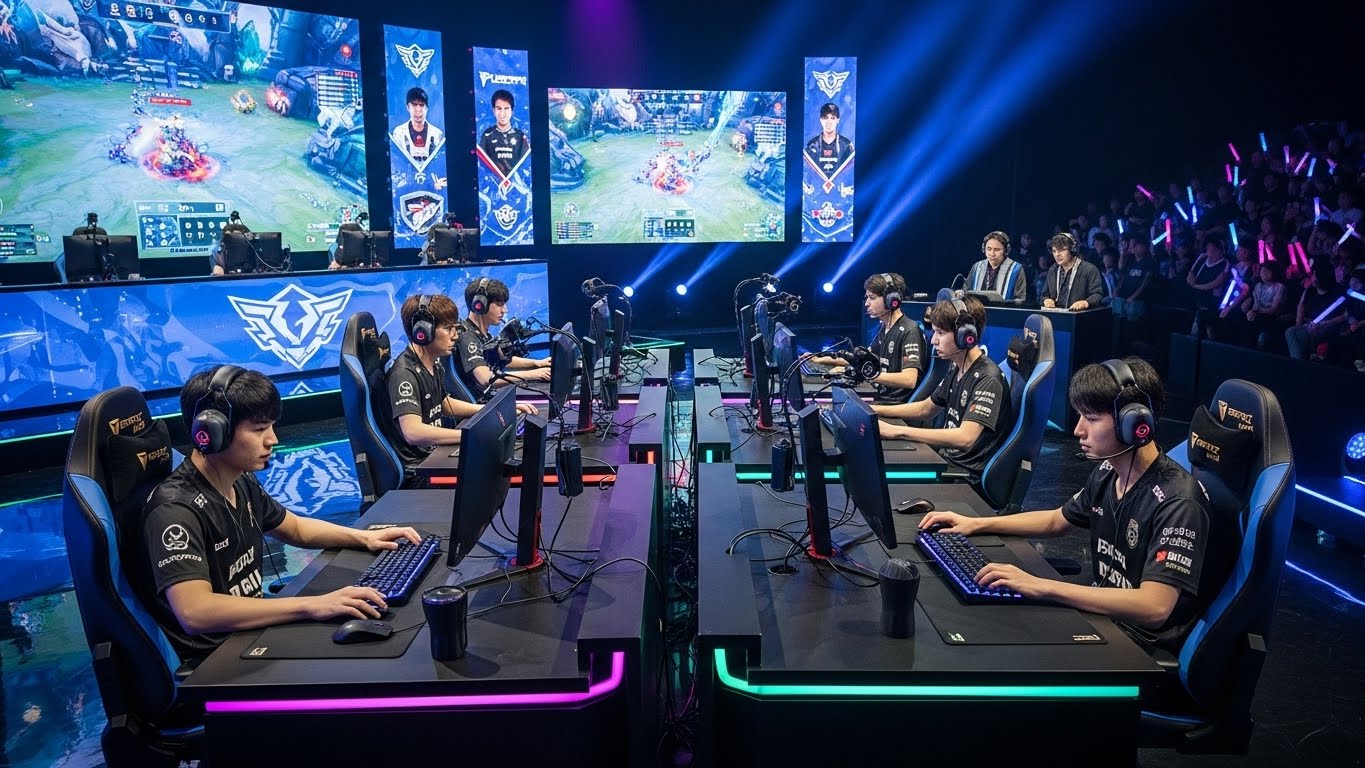
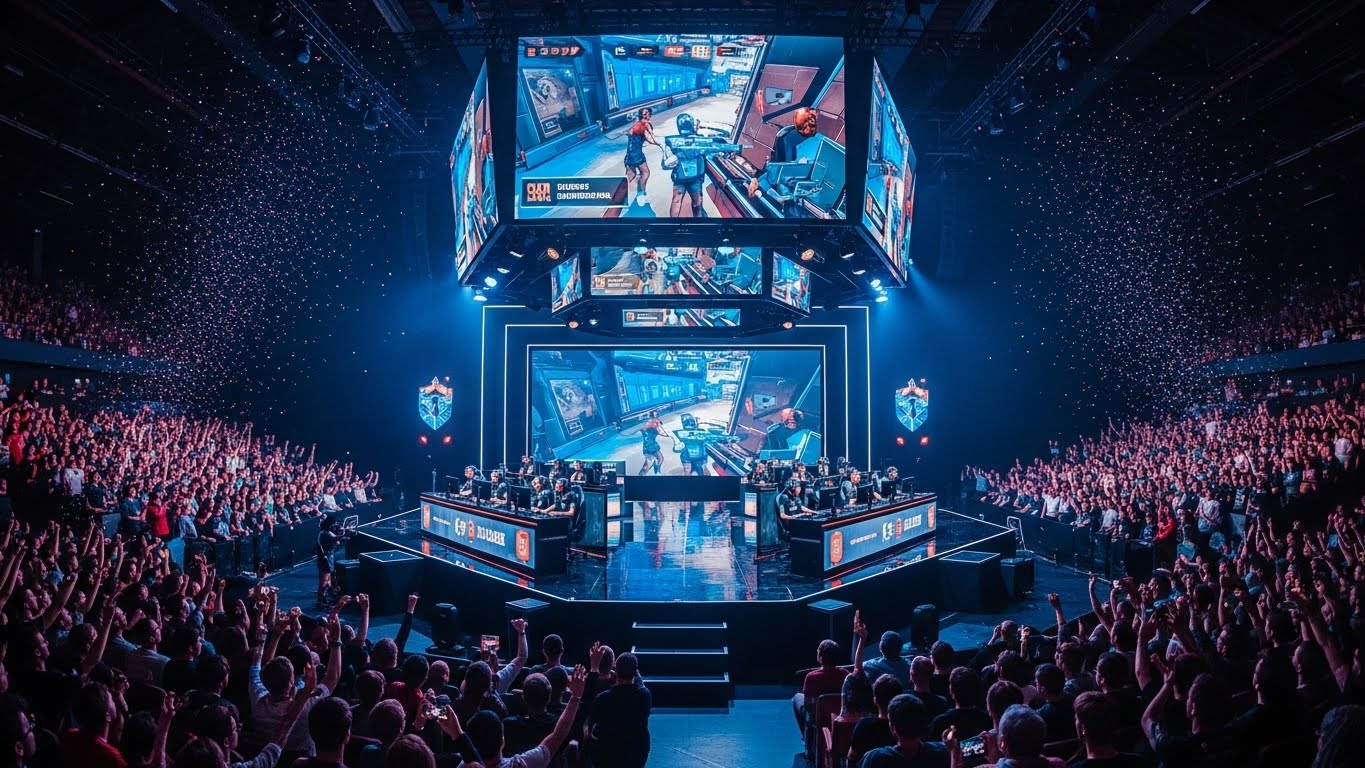
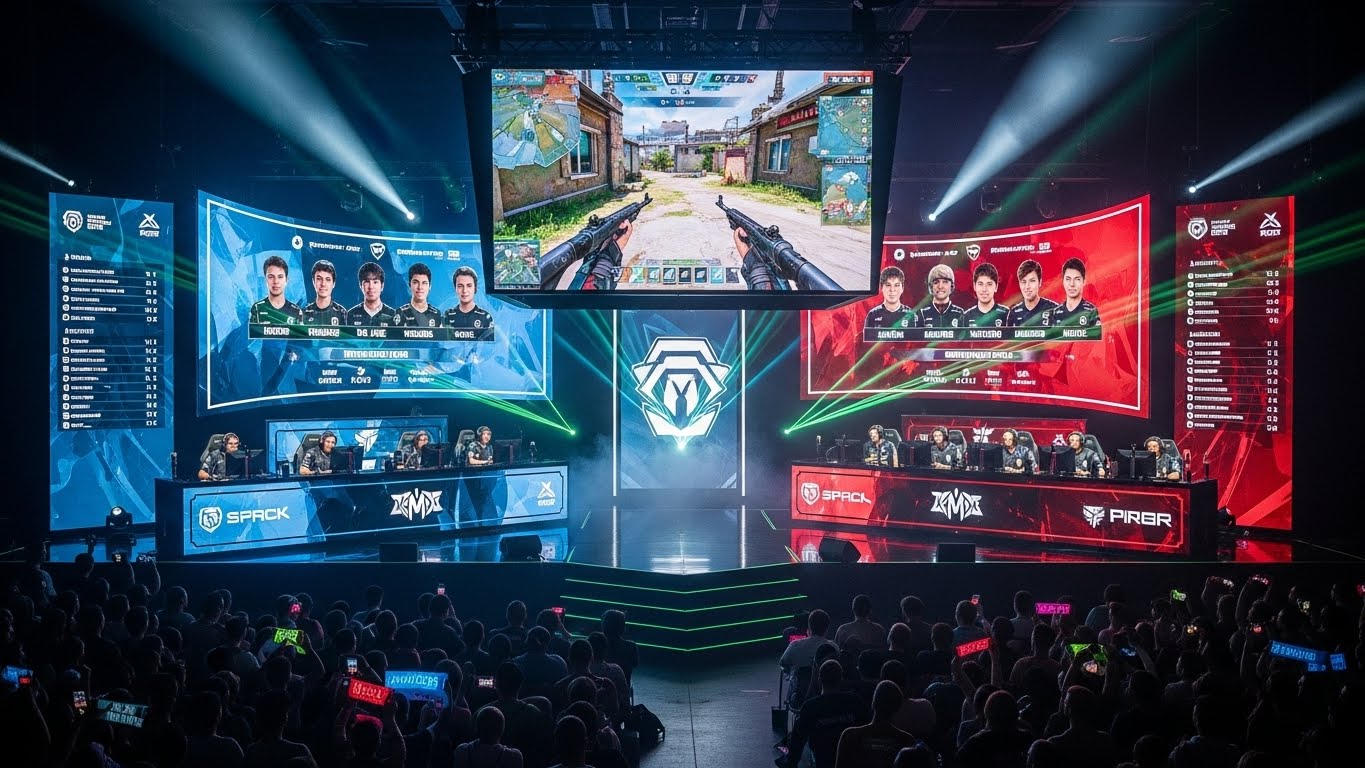
Esports tournaments are the heart of the competitive gaming world. The most prestigious tournaments, such as The International (Dota 2), the League of Legends World Championship, and Fortnite World Cup, offer massive prize pools, often in the millions of dollars. These events are broadcast live on streaming platforms, attracting millions of viewers from around the world. The production value of these tournaments rivals that of traditional sports, with professional commentary, live analysis, and high-quality graphics.
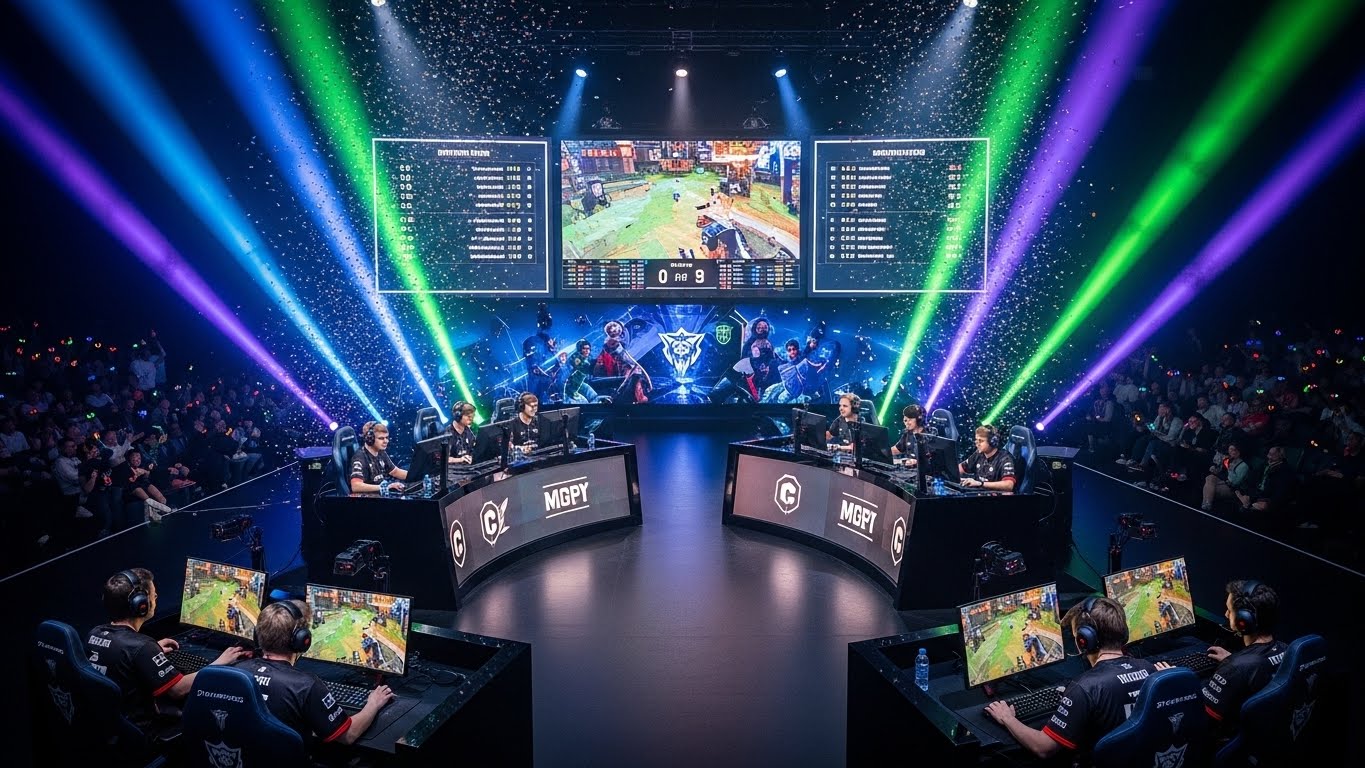
Esports tournaments come in many forms, from open events where anyone can enter, to invitationals for the best players and teams. Major tournaments are often held in large arenas, with tickets sold to fans who wish to watch live. The excitement, tension, and energy in these venues mirror the atmosphere of any other major sporting event.
Professional Esports Teams
The rise of esports has led to the formation of professional teams that compete in major leagues. These teams operate much like traditional sports franchises, with players, coaches, analysts, and management teams. Some of the most well-known esports organizations include Cloud9, T1, FaZe Clan, and Team Liquid, which represent top players in games like League of Legends, Valorant, CS: GO, and Fortnite.
These organizations are crucial to the growth of esports, as they help develop talent, build fan bases, and create opportunities for sponsorships. Many esports teams are also involved in content creation, live streaming, and marketing, further boosting their reach and influence in the gaming community.
Sponsorships and Brand Deals
Sponsorships are a critical component of the esports industry. Just like traditional sports teams, esports teams and tournaments sign sponsorship deals with major companies that want to target a young, tech-savvy audience. These sponsors include brands like Intel, Red Bull, Coca-Cola, and even Nike, who see esports as a way to connect with millions of potential customers.
Esports sponsorships go beyond just logos on jerseys. Companies are deeply integrated into the culture, with branded events, product placements, and exclusive collaborations. This symbiotic relationship between esports and sponsors has been key to the industry’s rapid growth.
The Cultural Impact of Esports: Changing the Way We View Gaming
Esports has had a significant impact on gaming culture and society as a whole. For decades, gaming was often viewed as a solitary and nerdy hobby. However, the rise of esports has helped transform gaming into a socially accepted and highly popular form of entertainment. People of all ages, backgrounds, and walks of life are now tuning in to watch professional gamers compete at the highest level, and many are even participating in esports themselves.
Community and Inclusion
One of the most powerful aspects of esports is its ability to build communities. Online platforms like Twitch and Discord provide a space where fans can interact with each other and with the players themselves. Viewers follow their favorite players, chat in real-time during tournaments, and participate in online discussions about strategy and gameplay. Esports has also been credited with helping to create more inclusive gaming communities, where players of all genders, nationalities, and backgrounds can come together to share their passion for games.
For example, Overwatch, League of Legends, and Dota 2 all have large international player bases, and the fanbase for these games extends far beyond just the United States or Europe. Esports has become a truly global phenomenon, with fans from all over the world tuning in to watch the action.
Shifting Attitudes Towards Gaming
Esports has played a major role in changing the narrative around gaming. What was once considered a pastime for introverted teenagers has now become a legitimate career and a form of mainstream entertainment. Esports athletes are respected professionals, earning sponsorship deals, making appearances at events, and even signing autographs for their fans. These athletes are now viewed as the equivalent of traditional sports stars, gaining fame and recognition for their skill and dedication.
The Future of Esports: Expanding Horizons
Looking ahead, the future of esports seems brighter than ever. With its growing popularity, more players are entering the scene, more brands are investing, and more tournaments are being held. The industry is expected to continue its upward trajectory, with projections indicating that global esports revenue could surpass $1.5 billion in the coming years.
Technological Innovations
Technology will continue to play a crucial role in the growth of esports. The development of virtual reality (VR) and augmented reality (AR) has the potential to revolutionize competitive gaming. VR headsets, for instance, can offer an immersive gaming experience, bringing a new level of excitement and engagement for both players and spectators. In addition, advancements in artificial intelligence (AI) could improve matchmaking systems, making it easier for players to compete against others of similar skill levels.
Mainstream Integration
Esports will also continue to integrate with traditional sports. Many sports organizations, including football and basketball leagues, have already started investing in esports teams and events. The future could see more traditional sports teams and organizations embracing esports as part of their brand, offering a new dimension to their fan base.