clashcircle44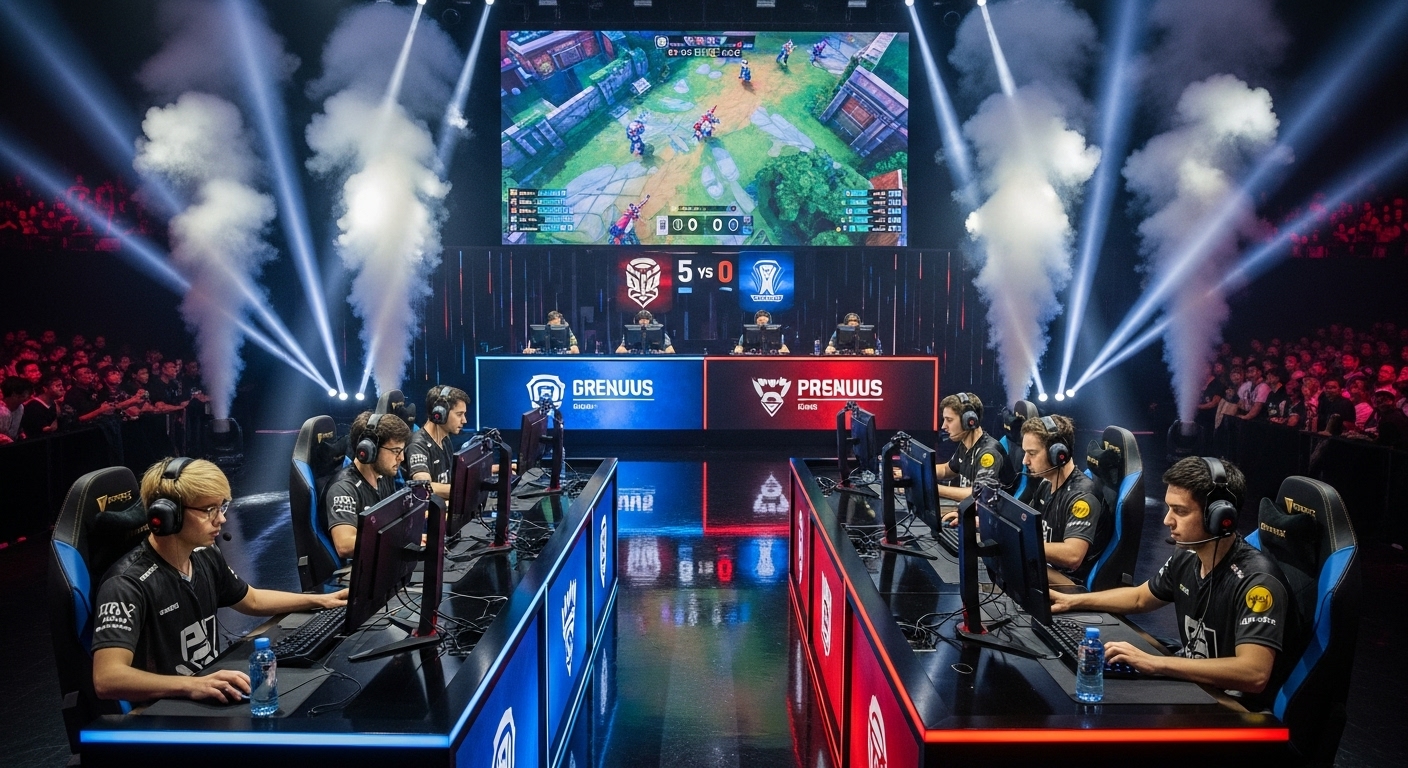
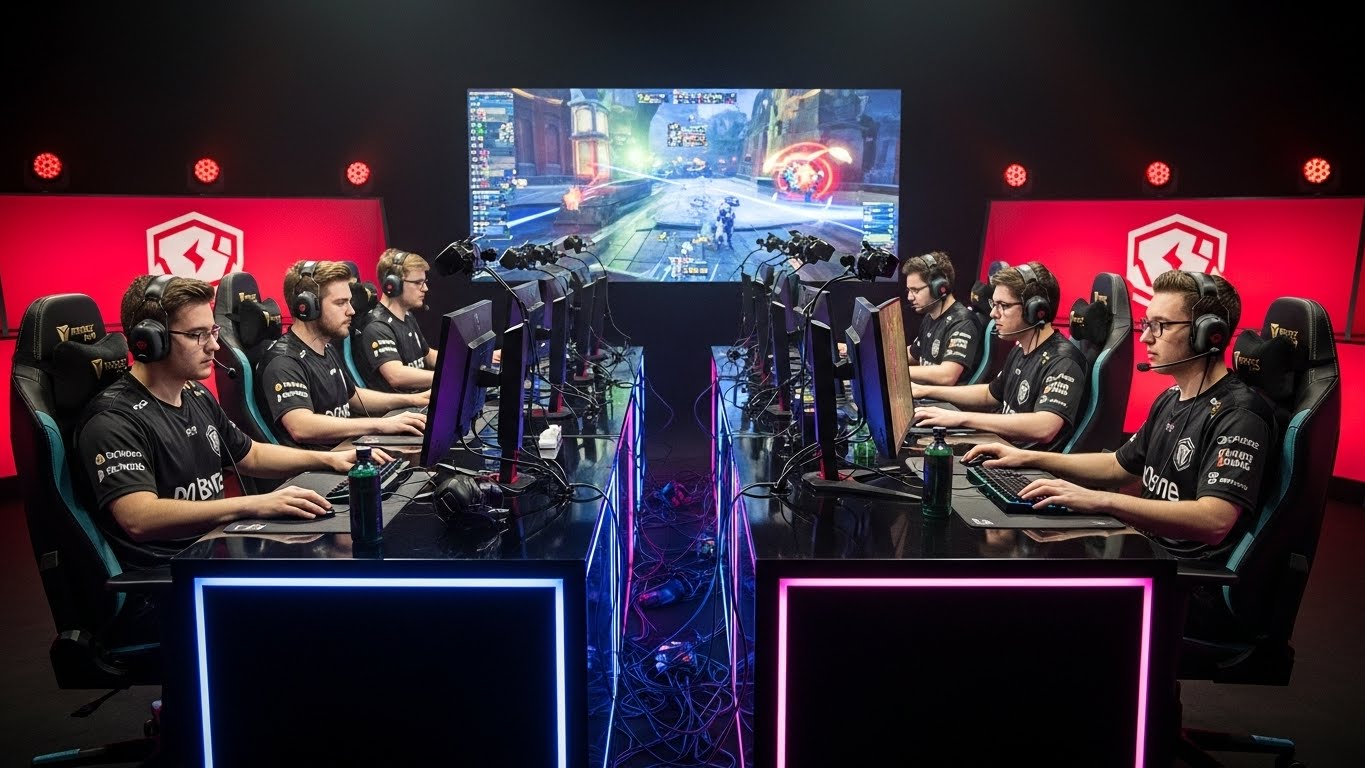
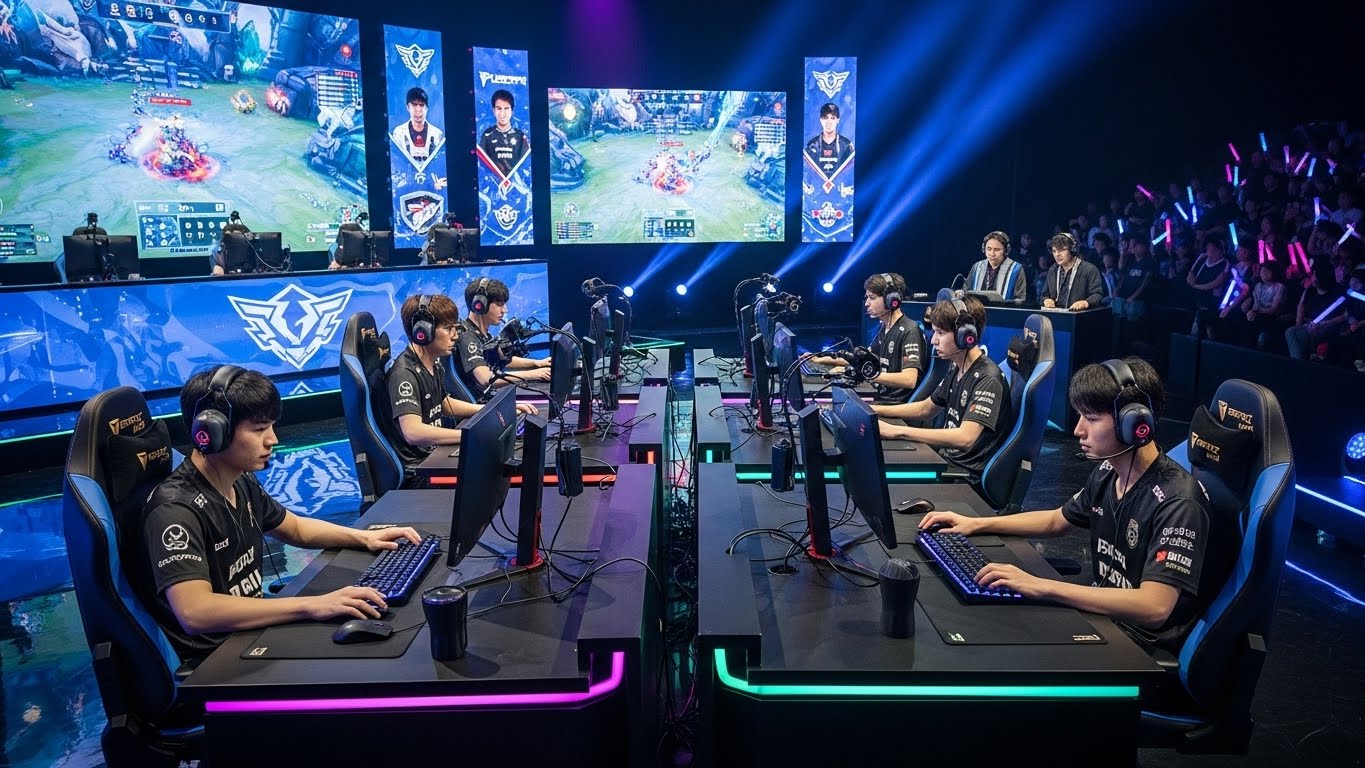
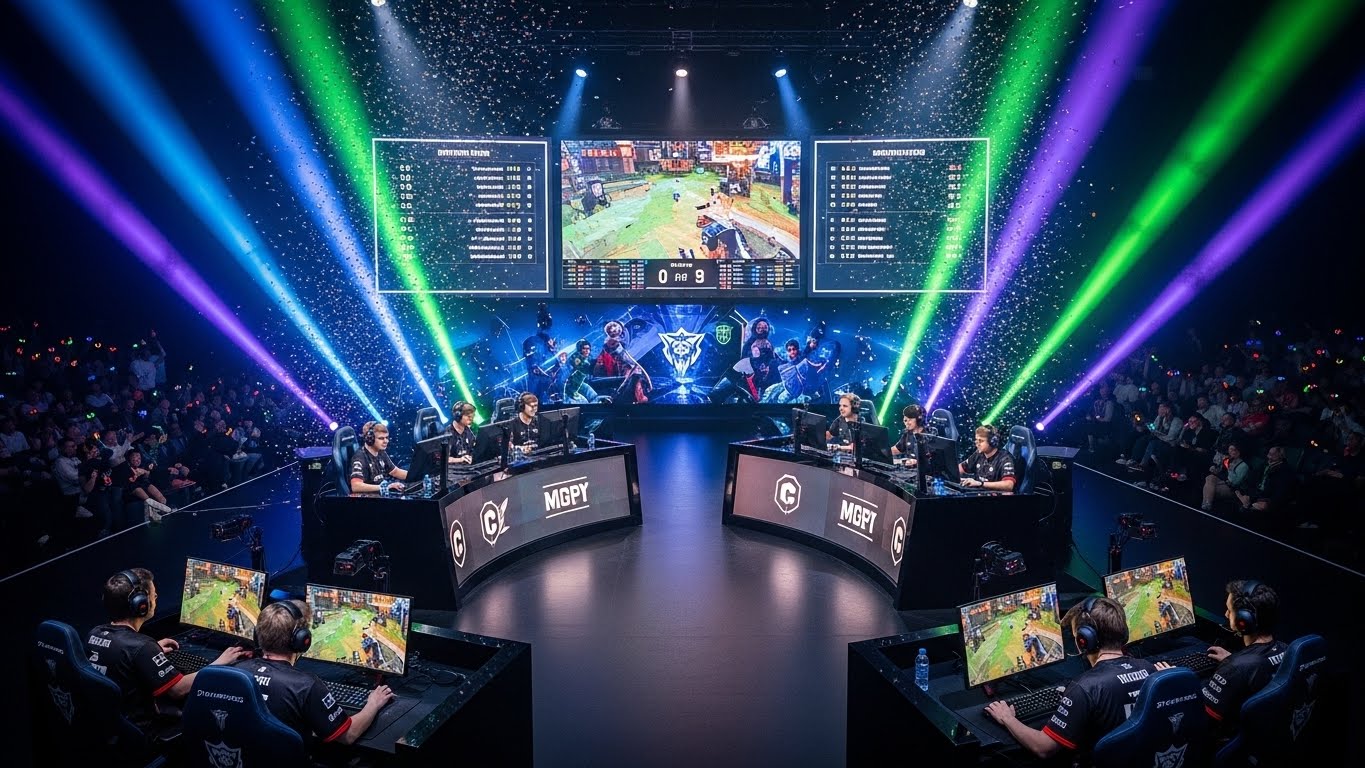
In just a few short decades, eSports has transformed from a niche hobby into a massive global entertainment industry. What began as small-scale, informal gaming competitions has grown into a multi-billion-dollar ecosystem with millions of viewers, professional teams, corporate sponsorships, and high-profile tournaments watched by fans all around the world. From grassroots tournaments to televised championships, eSports has carved out a permanent place in the world of entertainment and sports.
This post will explore the history, development, and cultural impact of eSports, as well as its current position in the entertainment landscape. We’ll look at how eSports rose from modest beginnings, the key moments that helped it evolve, and where the industry is headed as it continues to grow and redefine what it means to be a sport in the 21st century.
The Humble Beginnings of Competitive Gaming
The roots of eSports can be traced back to the early 1990s when multiplayer video games became a popular way for people to connect and compete. Before the rise of the internet, players would gather for local area network (LAN) parties to play games like Doom and Quake, the early precursors to competitive gaming. These LAN parties provided a sense of camaraderie and competition, but the scope was limited to small groups of friends or local communities.
The term “eSports” itself didn’t exist at this point, but the seeds for professional competitive gaming were already being planted. In 1997, Red Annihilation, a Quake tournament, was held, marking one of the first organized, large-scale events with a significant prize. Red Annihilation is often seen as a pivotal moment in eSports history, not only because of its innovative format but also because it featured a Ferrari as the grand prize. John “Fatal1ty” Wendel won the tournament, and his rise to fame helped establish competitive gaming as a potential career path for skilled players.
At this time, however, eSports was still largely a niche hobby, with only a handful of dedicated enthusiasts and players. It would take a few more years and technological advancements before eSports could truly enter the mainstream.
The Role of the Internet in the Growth of eSports
The growth of the internet in the late 1990s and early 2000s played a pivotal role in the rise of eSports. With the introduction of broadband internet, gaming could finally move beyond local LAN parties, and players could compete against others across the globe. Games like StarCraft and Warcraft III became the cornerstone of competitive gaming, attracting players from all over the world and laying the groundwork for online tournaments.
In Korea, StarCraft became a national phenomenon, and competitive gaming took on an entirely new level of importance. The South Korean government and media companies began to recognize the potential of eSports as a form of entertainment. The creation of dedicated eSports leagues, such as the Korean e-Sports Association (KeSPA) and the ProLeague tournaments, helped formalize competitive gaming in the region.
In the early 2000s, the World Cyber Games (WCG) and the Electronic Sports World Cup (ESWC) brought international attention to competitive gaming. The tournaments attracted top-tier players from around the world and were broadcast to millions of viewers. This marked a significant turning point for eSports, as it began to move from underground gatherings to mainstream events with a large fan base.
By the mid-2000s, the rise of online streaming platforms such as Twitch, which was founded in 2011, helped take eSports to a whole new level. Players could now live-stream their gameplay, allowing fans from all over the world to watch their favorite players in real-time. The streaming of tournaments and matches further fueled eSports’ rapid growth, providing fans with constant access to high-level competition and allowing players to build substantial followings online.
eSports Goes Mainstream: A Global Spectacle
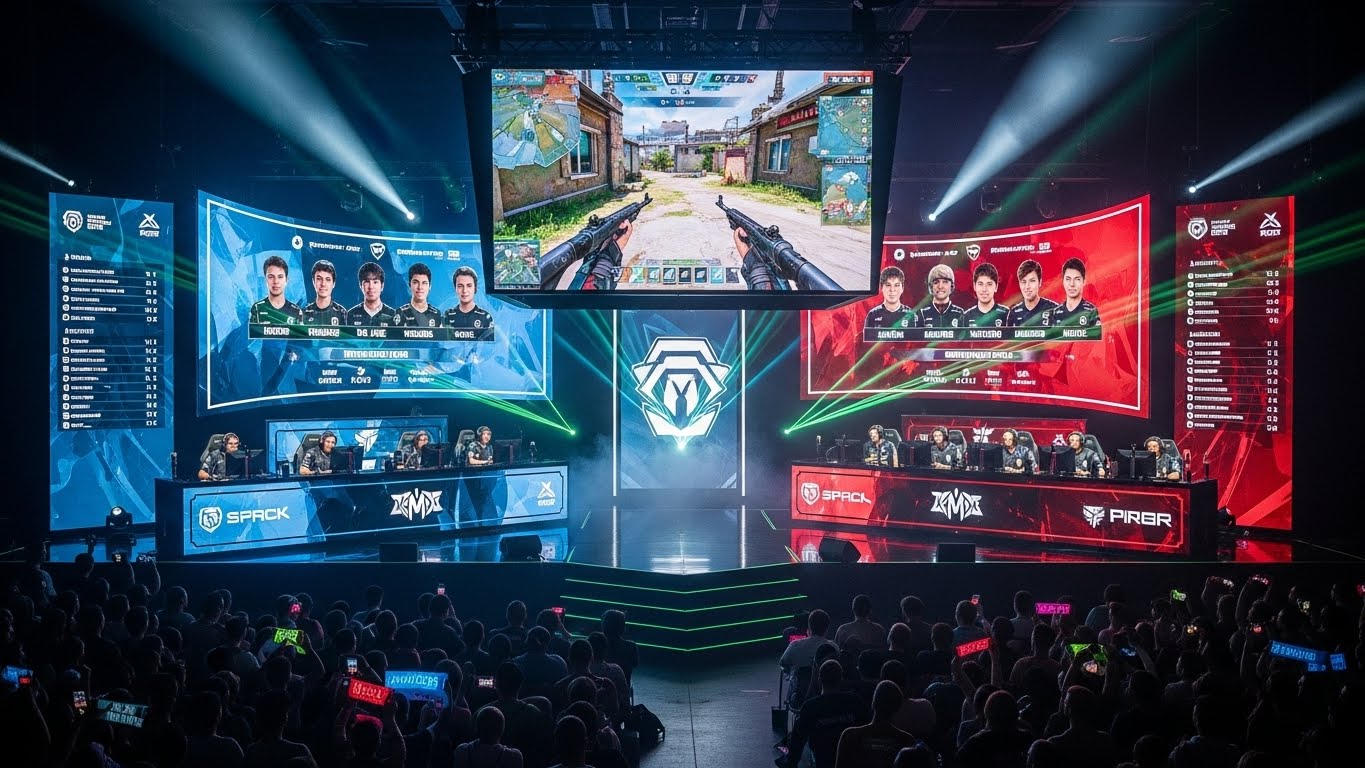
As eSports evolved, its appeal grew exponentially. The 2010s marked the era when eSports truly went mainstream, with massive tournaments, large prize pools, and substantial corporate investment. High-profile games such as League of Legends (LoL), Dota 2, and Counter-Strike: Global Offensive (CS:GO) became the focal points of the eSports ecosystem. These games not only offered compelling gameplay, but also had built-in systems for competitive play, with developer-supported leagues and frequent updates to keep the gameplay fresh.
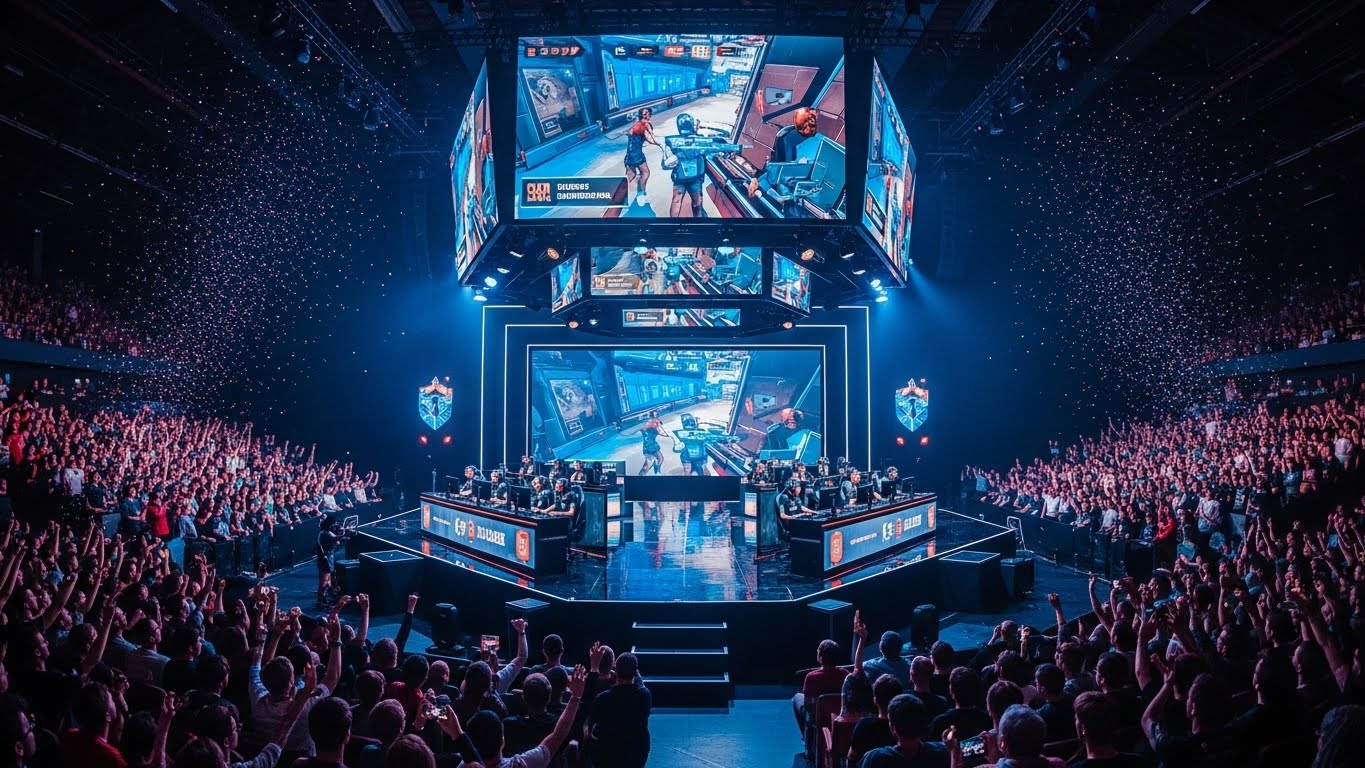
One of the defining moments in the mainstream success of eSports was the introduction of The International (TI), an annual Dota 2 tournament. Since its inception in 2011, The International has shattered records for its prize pool, reaching upwards of $40 million in recent years. The tournament has become a must-watch event for eSports fans, with teams competing for millions of dollars in prize money, while millions of viewers from around the world tune in to watch the action unfold.
Another significant moment was the development of professional leagues for League of Legends. Riot Games, the developer of LoL, created a structured professional league system, with regional leagues such as the LCS (League of Legends Championship Series) in North America and the LPL (League of Legends Pro League) in China. The League of Legends World Championship, often referred to as “Worlds,” became one of the most-watched eSports events globally, attracting millions of viewers and showcasing the skill and teamwork of elite players.
These major tournaments attracted huge corporate sponsors, including brands like Coca-Cola, Intel, Red Bull, and Mercedes-Benz. This influx of sponsorship money further legitimized eSports, allowing tournaments to scale up in size and giving players the resources to dedicate themselves to the game full-time. With major investments from both gaming companies and non-endemic brands, eSports solidified its place as a global phenomenon.
The Professionalization of eSports: Teams, Coaches, and Support Staff
As eSports grew in prominence, it followed a trajectory similar to traditional sports in terms of organization and professionalization. Competitive gaming moved beyond the days of solo players and informal competitions to become an organized, team-based activity with coaches, analysts, and support staff. The formation of eSports organizations and teams became a key part of this evolution.
Teams like Cloud9, Team Liquid, T1, and Fnatic have become household names in the eSports world, often fielding top-tier players across multiple games. These teams provide structured environments where players can train, develop strategies, and compete at the highest level. Just like professional athletes in traditional sports, eSports players now follow rigorous training schedules, working with coaches and analysts to improve their gameplay.
In addition to players, eSports organizations also employ a wide range of support staff, including coaches, managers, analysts, and even mental health professionals. Coaches help players develop their strategies, improve team coordination, and prepare for opponents, while analysts review gameplay to identify weaknesses and suggest areas for improvement. As eSports continues to professionalize, the importance of support staff in helping players reach their full potential cannot be understated.
The success of these professional organizations has also led to the creation of player academies, training programs, and eSports schools. Many aspiring players now have pathways to develop their skills, with institutions offering scholarships and coaching to help them break into the professional scene. This ecosystem provides long-term sustainability for eSports as a legitimate career choice.
The Impact of eSports: Cultural and Social Influence
Beyond the financial success and competitive achievements, eSports has had a significant impact on culture and society. eSports has helped redefine the concept of sport and what it means to be an athlete. Players are now recognized as skilled professionals who put in hours of practice and undergo extensive training to hone their craft, much like their counterparts in traditional sports.
eSports has also become a platform for social connection. Online communities, streaming platforms like Twitch, and social media channels have enabled fans to interact with players and fellow enthusiasts, creating a global community of like-minded individuals. Fans can cheer for their favorite teams, share content, and even meet in person at events like DreamHack or the League of Legends World Championship. The social aspect of eSports is one of the key reasons for its explosive growth, as it offers a space for people to come together, regardless of their geographic location.
Furthermore, eSports has created new opportunities for career development. Beyond professional gaming, players can also find success as streamers, content creators, and analysts. The growth of platforms like Twitch, YouTube, and Facebook Gaming has allowed gamers to build personal brands and monetize their content through advertising, sponsorships, and donations. This new wave of career opportunities has made eSports an attractive field for young talent who may not necessarily pursue traditional career paths.
The Future of eSports: Virtual Reality, Augmented Reality, and Beyond
Looking forward, eSports is poised to continue its expansion, with new technologies playing a major role in shaping its future. Virtual reality (VR) and augmented reality (AR) are two of the most exciting frontiers for eSports. VR gaming offers immersive experiences that could bring an entirely new level of excitement and engagement to competitive play. Imagine watching a VR tournament where viewers can switch perspectives or view the game from the player’s point of view—creating an entirely new way to experience the action.
Moreover, advancements in artificial intelligence (AI) and machine learning may improve gameplay, create more realistic simulations, and help with player training. AI could analyze players’ movements, strategies, and tactics to provide feedback and help players improve faster and more efficiently.