clashcircle44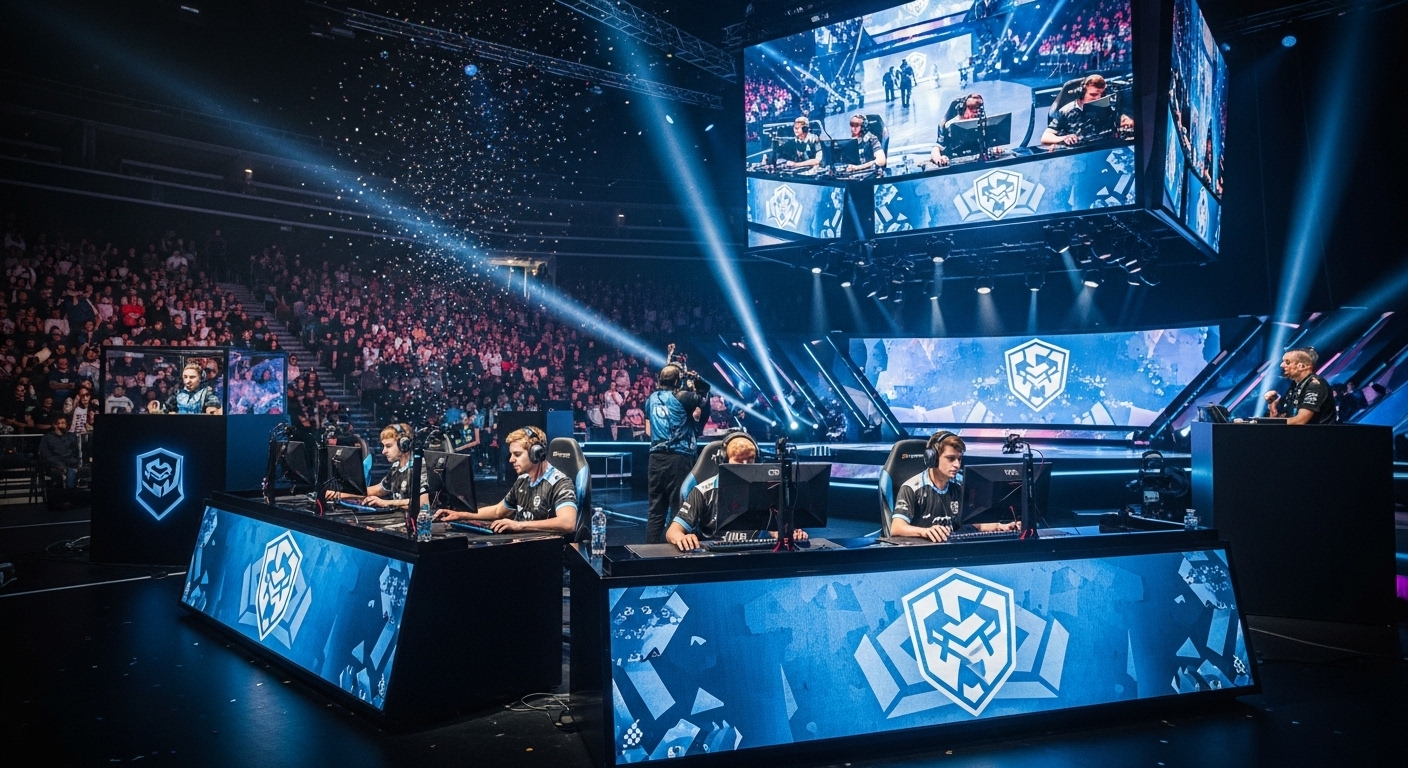
Introduction
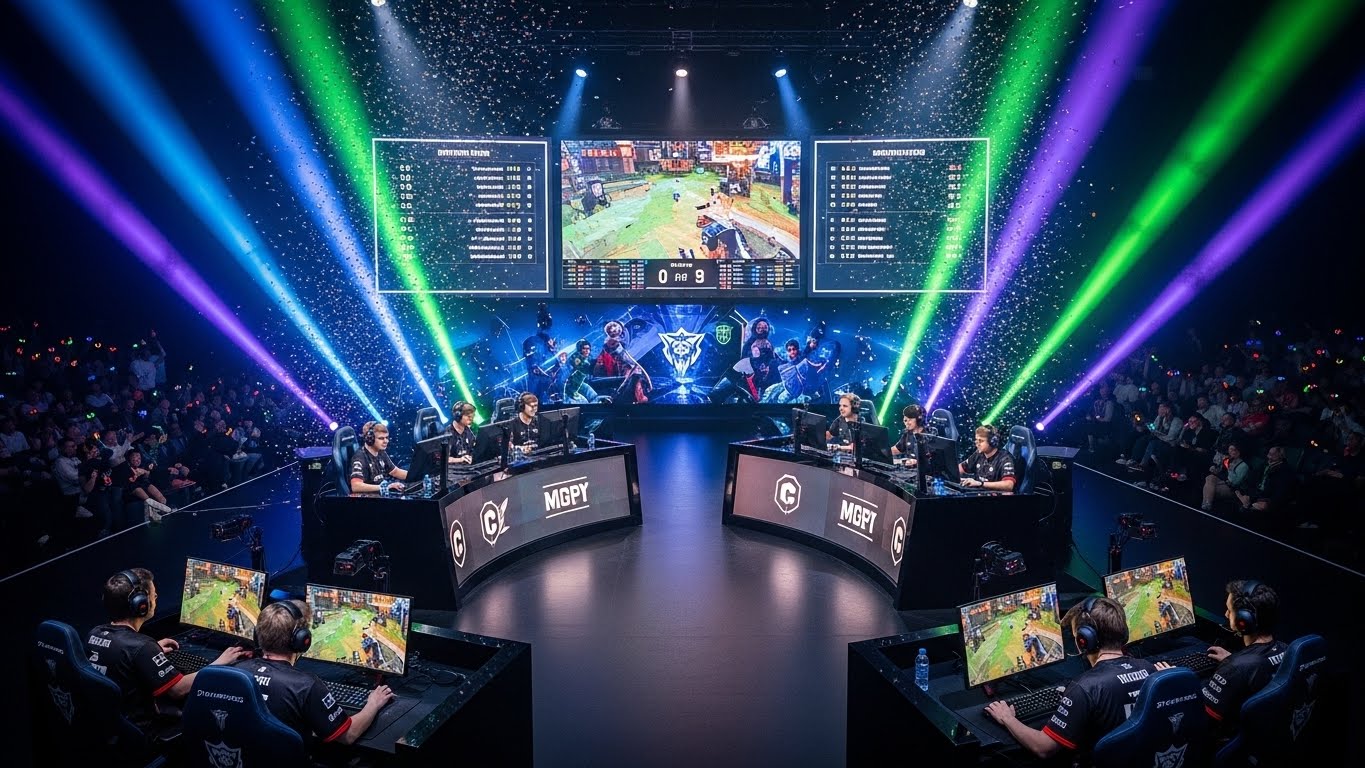
The world of competitive gaming, or esports, has evolved from a subculture into one of the most influential and rapidly growing industries in the world. While video games were once primarily a pastime for a select group of hobbyists, today they have blossomed into a global phenomenon that commands the attention of millions. Esports is no longer just a niche interest; it is a billion-dollar industry that touches on entertainment, sports, technology, and culture. This blog explores how esports has transformed from humble beginnings to a mainstream powerhouse, reshaping the entertainment landscape and influencing society in profound ways.
The Origins of Esports
Esports as a competitive concept has roots in the early days of video gaming. The idea of competition through gaming dates back to the 1970s, with early games like Space Invaders sparking the first gaming competitions. The first recorded esports event was held in 1980 when Atari hosted the Space Invaders Championship. At this point, competitive gaming was still a small-scale activity, with most events being informal tournaments held in arcades.
However, it wasn’t until the late 1990s and early 2000s that esports began to take a more recognizable form. As internet connectivity improved and multiplayer games such as Quake and StarCraft became more widely played, the foundation for modern esports began to take shape. These games allowed players to compete online in real time, making it possible for gamers to face off against one another on a global scale.
By the mid-2000s, South Korea had established itself as the global hub for competitive gaming, particularly due to the popularity of StarCraft. The country’s government even began to support esports as a cultural and economic sector, leading to the development of dedicated esports arenas and a professional league system. This support helped foster the growth of esports leagues and tournaments around the world, making competitive gaming a viable and lucrative industry.
The Rise of Streaming and Global Accessibility
While competitive gaming was already gaining traction, it was the rise of streaming platforms in the 2010s that truly catapulted esports into the mainstream. The launch of Twitch in 2011 revolutionized the way people could watch and interact with esports. Twitch allowed players to broadcast their gameplay live to an audience, enabling fans to watch professional matches, follow their favorite streamers, and even communicate directly with players in real time.
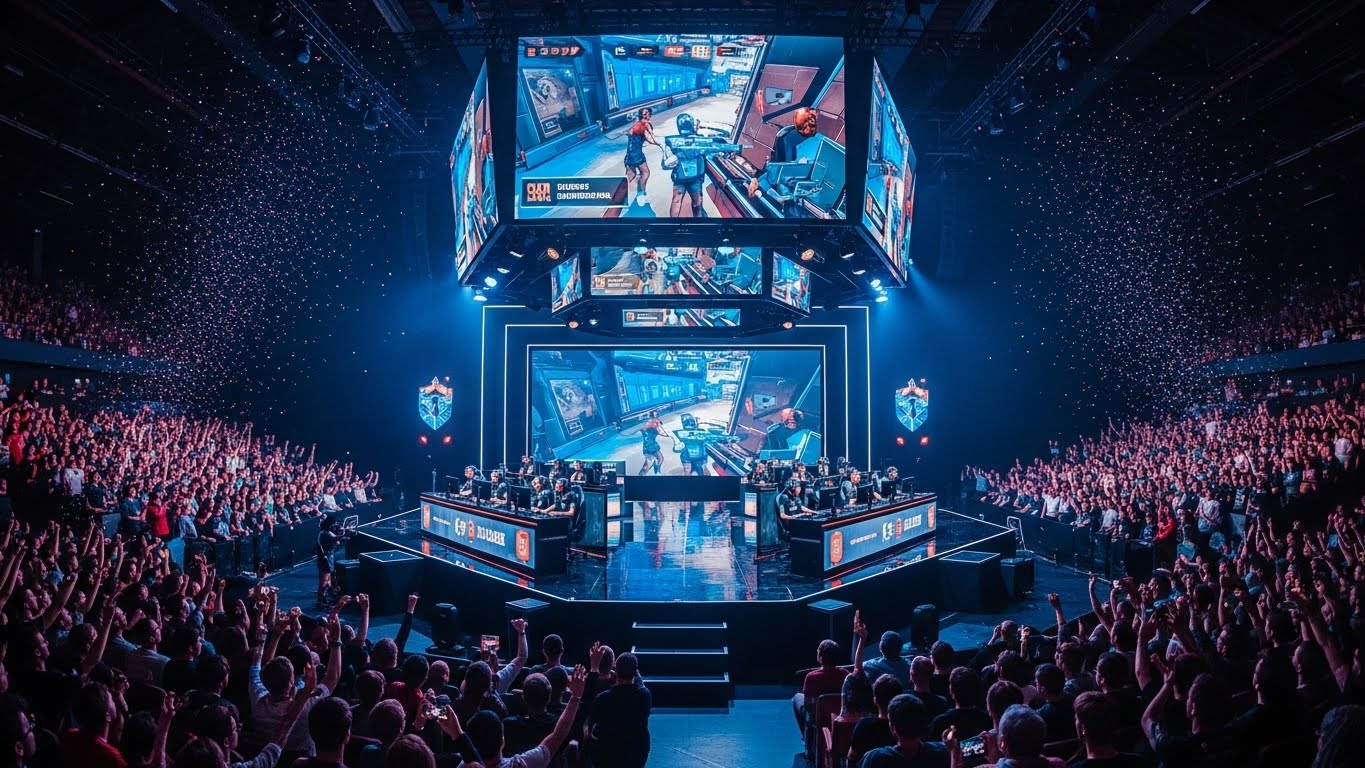
This new form of engagement helped build a sense of community within the esports world. Fans weren’t just passive viewers; they could interact, support their favorite players, and participate in the excitement of live gaming. As esports became more accessible through streaming, the viewership for major events exploded. Esports tournaments like the League of Legends World Championship and The International attracted millions of viewers, rivaling the audience numbers of traditional sports events.
With platforms like YouTube Gaming, Facebook Gaming, and Mixer also entering the streaming arena, esports gained even more exposure. The global reach of streaming services allowed esports to transcend geographical boundaries, giving fans from every corner of the world the opportunity to participate in the excitement.
The Economic Boom of Esports
As the audience for esports grew, so did the economic opportunities surrounding it. Today, the esports industry is valued at over $1 billion and continues to see rapid growth. Revenue in esports comes from a variety of sources, including sponsorships, media rights, merchandise sales, ticket sales, and advertising.
Major corporations such as Coca-Cola, Intel, Nike, and Red Bull have recognized the massive potential of the esports market and invested heavily in sponsoring tournaments, teams, and individual players. These sponsorships have helped professionalize the industry, allowing top esports players to sign lucrative contracts and receive endorsement deals similar to traditional athletes.
The prize pools for major esports tournaments are now massive. The Dota 2 International, for example, boasted a prize pool of over $40 million in 2021, with top teams taking home millions of dollars. This financial incentive has made esports an attractive career option for many players, turning professional gaming into a viable profession rather than a hobby.
Beyond the players, esports has created numerous jobs in event management, production, broadcasting, journalism, and marketing. Esports organizations and teams now employ coaches, analysts, content creators, and social media managers to help grow their brand and reach a larger audience. As the industry expands, it continues to create new career opportunities for people with a wide range of skills.
Esports as a Cultural Movement
Esports is more than just an industry; it is a cultural movement. The rise of esports has fostered the creation of vibrant online communities that connect fans, players, and content creators across the globe. These communities are built around shared interests in gaming and competitive play, but they also transcend gaming itself, encompassing broader cultural elements such as music, fashion, and technology.
The players themselves have become celebrities in their own right. Top-tier esports athletes are now recognized globally, with millions of fans following their every move on social media platforms like Instagram, Twitter, and TikTok. Many esports players also have lucrative personal streaming channels on platforms like Twitch, where they engage with fans, showcase their skills, and make additional income through donations, subscriptions, and ad revenue.
Esports has also led to the development of fan-driven culture. Much like traditional sports, esports fans form strong allegiances to their favorite teams and players. They attend live events, buy team merchandise, and follow their heroes through every match. This level of fan engagement is unprecedented in the gaming world, as esports provides a platform for fans to actively participate in the action.
Moreover, esports has contributed to the mainstream acceptance of gaming. What was once viewed as a pastime for introverted teenagers has now become a widely recognized form of entertainment, embraced by people of all ages and backgrounds. With gaming becoming more inclusive and accessible, the stereotypes surrounding gamers have started to dissipate, and gaming is now seen as a legitimate cultural force.
The Professionalization of Esports
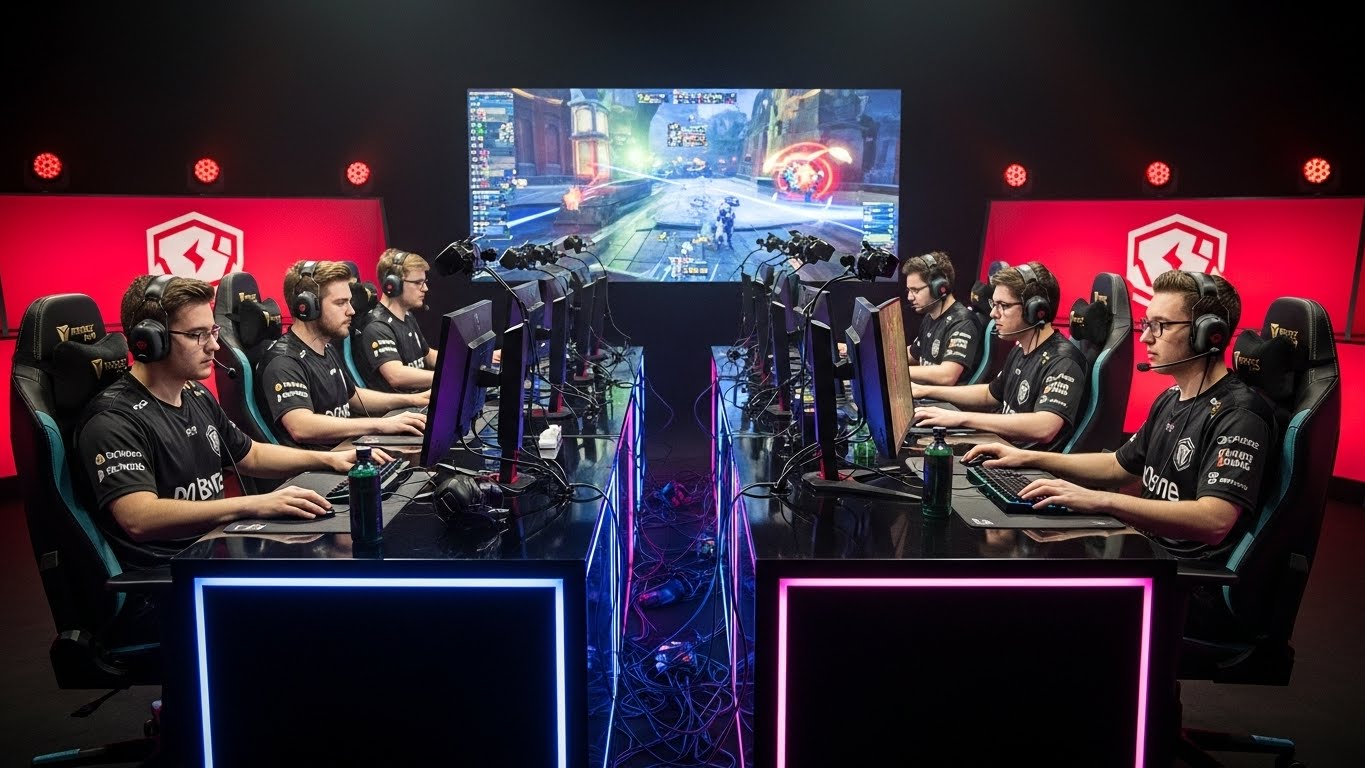
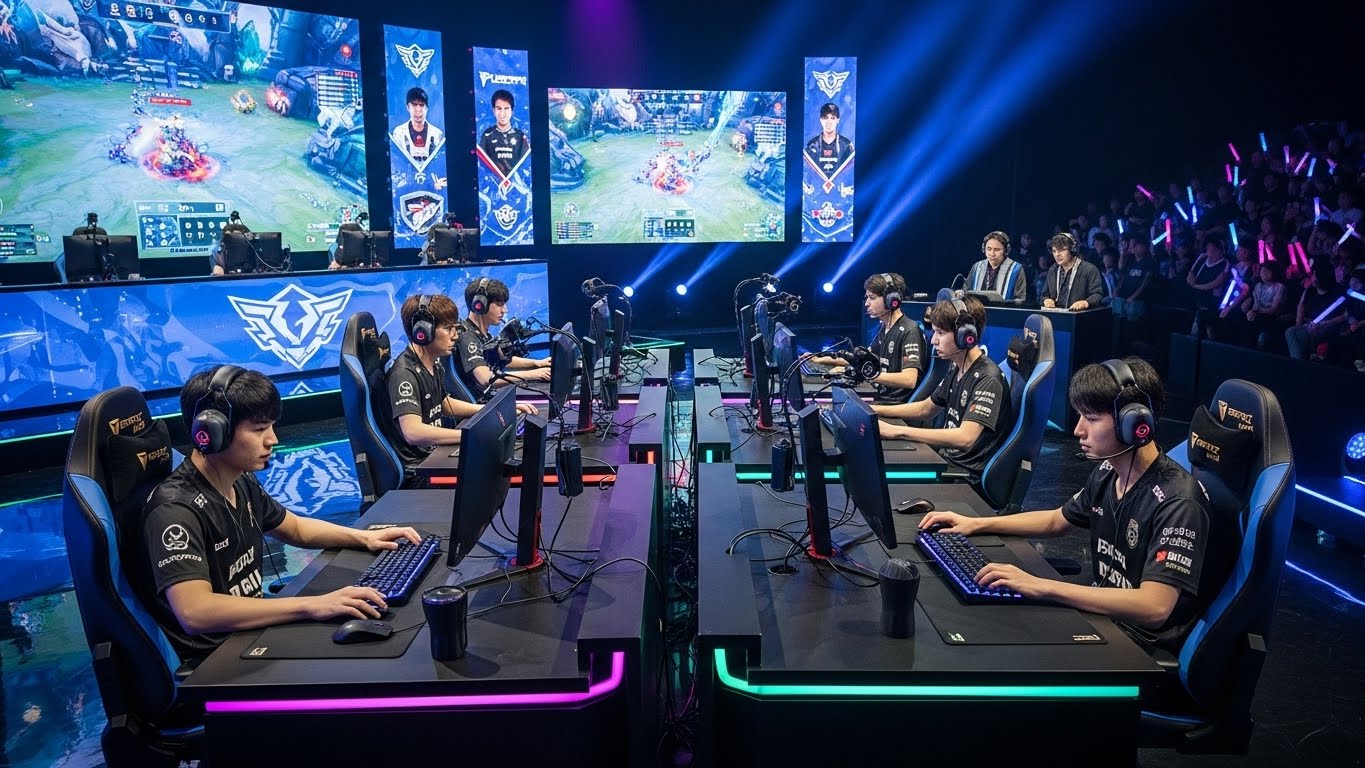
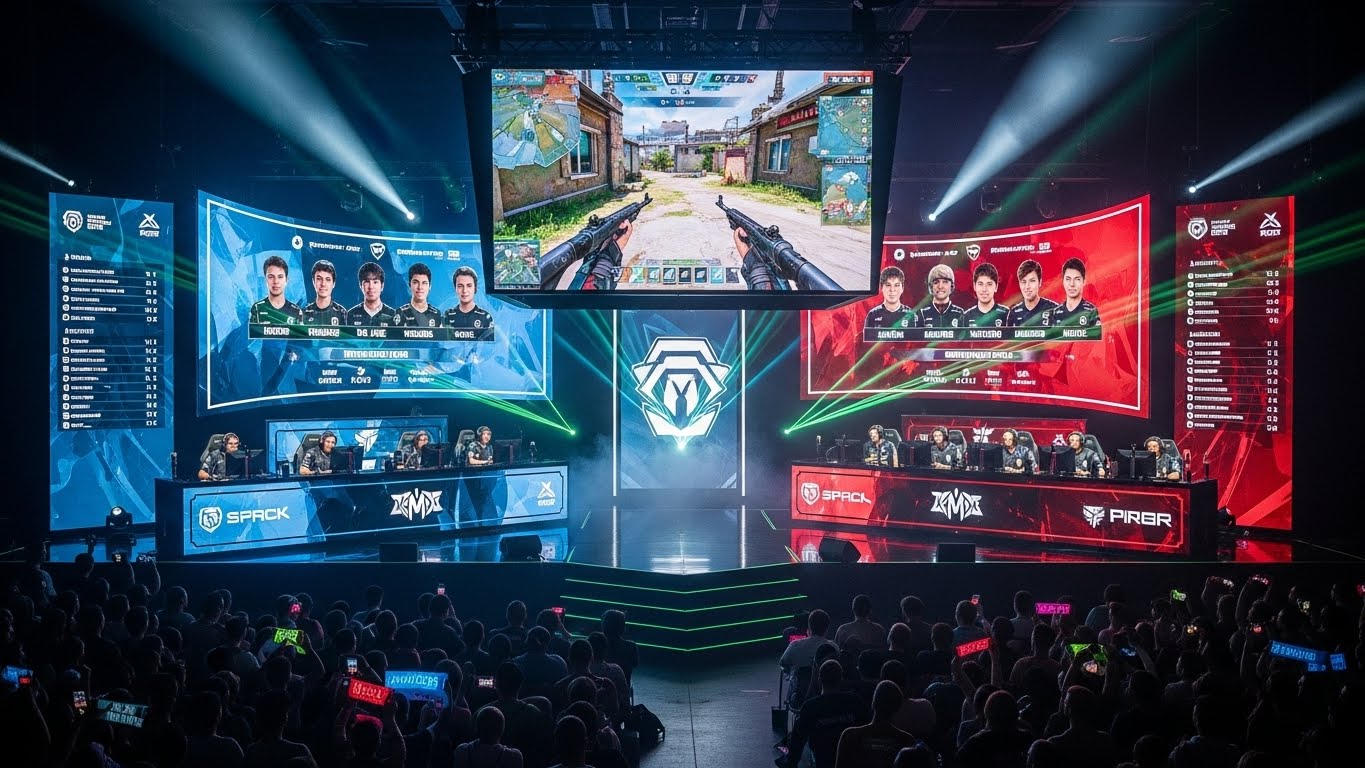
As esports continued to grow, it quickly transitioned from informal tournaments to fully professionalized leagues and events. Major esports titles such as League of Legends, Counter-Strike: Global Offensive, and Overwatch now feature structured league systems that operate similarly to traditional sports leagues like the NBA or NFL. These leagues feature regular-season matches, playoffs, and championship events, with top-tier teams competing for prestigious titles and huge prize pools.
The professionalization of esports has also led to the establishment of team franchises. Much like traditional sports leagues, esports teams now operate as businesses, with owners, sponsors, coaches, and players working together to build a brand. These teams travel the world to compete in international tournaments and represent their sponsors and fans. Some teams even have training facilities where players practice and develop their skills, further solidifying esports as a professional sport.
The development of these professional leagues has also raised the level of competition. Players must now dedicate themselves fully to their craft, training for hours each day and competing in high-stakes tournaments. Esports players must develop not only their gaming skills but also their physical and mental endurance. The grind of professional gaming can be intense, with players often dealing with the same pressures as athletes in traditional sports.
The Educational and Career Opportunities in Esports
Esports is not just about playing professionally; it has also opened doors for education and career development. Many universities around the world now offer esports scholarships, allowing talented players to pursue their academic and competitive goals simultaneously. In the United States, institutions such as the University of California, Irvine, and Miami University have dedicated esports programs that offer scholarships and support for competitive players.
Beyond playing, esports has created career opportunities in a variety of fields. Game design, event management, broadcasting, marketing, and journalism are just a few examples of careers that have emerged from the esports boom. Universities and training programs now offer courses in esports management, broadcasting, and production, providing students with the skills they need to work in the growing industry.
Esports has also encouraged the development of STEM (Science, Technology, Engineering, and Mathematics) skills. Game development, data analytics, and video production are all essential components of esports, and the industry has inspired a new generation of students to pursue careers in technology and engineering.
The Global Influence of Esports
Esports is truly a global phenomenon. While its origins may have been rooted in the West, the impact of esports has been felt worldwide. South Korea remains one of the strongest esports hubs, with the government investing in esports as a cultural and economic sector. The success of South Korea’s esports ecosystem has served as a model for other countries, including China, the United States, and many European nations, to develop their own esports scenes.
International tournaments such as The International (Dota 2), League of Legends World Championship, and CS:GO Major Championships have drawn viewers from all over the world, with prize pools that rival those of major sporting events. Fans tune in from different continents, creating a unique sense of global community and shared excitement.
In countries like China, esports has become a mainstream form of entertainment, with government-backed initiatives supporting the development of esports teams and infrastructure. In the United States and Europe, esports has become a major part of the entertainment landscape, with live events attracting thousands of spectators and millions of viewers online.
The Future of Esports
The future of esports looks incredibly promising. As technology continues to advance, esports will only become more immersive and engaging. Virtual reality (VR) and augmented reality (AR) are expected to play a significant role in the next generation of esports, offering more interactive and immersive experiences for players and fans alike.