clashcircle44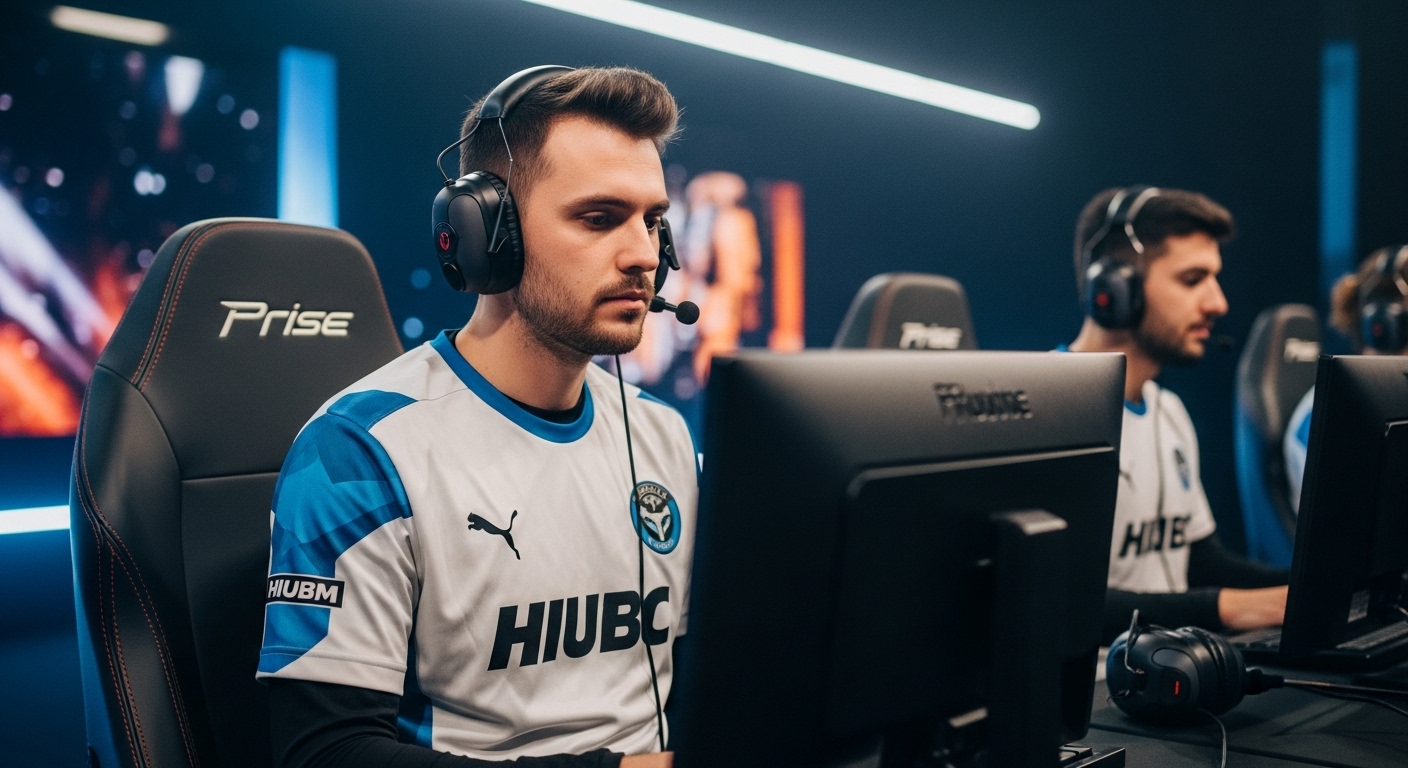
Esports, once a niche pastime of dedicated gamers, has transformed into one of the most influential entertainment industries in the world. From living rooms filled with buzzing consoles to grand arenas echoing with the cheers of tens of thousands, competitive gaming has become a cultural and economic powerhouse. The journey from pixelated duels to multimillion-dollar tournaments is not only about technology but also about passion, community, and innovation.
Origins of Esports: The Birth of Competitive Gaming
The roots of Esports trace back to the late 1970s and early 1980s, when the first video game competitions emerged. It began with simple arcade challenges — high score contests on games like Space Invaders and Pac-Man. In 1980, Atari organized the Space Invaders Championship, which attracted thousands of participants across the United States, marking one of the earliest large-scale gaming competitions.
As technology evolved, home consoles and personal computers opened new doors for competitive play. Titles like Street Fighter II, Quake, and StarCraft laid the foundation for organized tournaments in the 1990s. Internet connectivity further accelerated this growth, allowing players to face off across continents without leaving their homes. What started as small gatherings in arcades soon evolved into a phenomenon that would reshape entertainment.
The Golden Age of Online Competition
The 2000s marked the golden age of online gaming. With broadband internet becoming widespread, competitive gaming entered households across the globe. South Korea emerged as the epicenter of this revolution. Games like StarCraft: Brood War became national obsessions, with professional players achieving celebrity status and televised matches drawing massive audiences. The idea that gaming could be a full-time profession was no longer a fantasy but a reality.
The rise of LAN (Local Area Network) parties and early tournaments helped form strong communities. Games such as Counter-Strike, Warcraft III, and Dota attracted massive attention. During this period, Esports began to take on more structure — with organized leagues, sponsorships, and professional teams. It was a time when digital warriors began to receive recognition on par with traditional athletes.
Streaming and the Explosion of Global Popularity
The true transformation of Esports came with the advent of streaming platforms. Services like Twitch and YouTube Gaming changed everything. For the first time, players could broadcast their gameplay to millions of viewers in real time. This not only democratized competition but also gave rise to a new form of celebrity — the gaming streamer.
Viewers no longer needed to attend physical events to witness the thrill of competition. They could experience it from their phones, laptops, or televisions, watching top players showcase their skills live. This accessibility brought Esports to mainstream audiences and transformed casual viewers into passionate fans.
Today, major Esports tournaments such as The International (for Dota 2), League of Legends World Championship, and Fortnite World Cup attract audiences rivaling — and sometimes surpassing — the Super Bowl or the World Cup. The appeal lies not only in the skill and strategy of the players but also in the intense storytelling that unfolds with every match.
Professionalism and the Formation of Teams
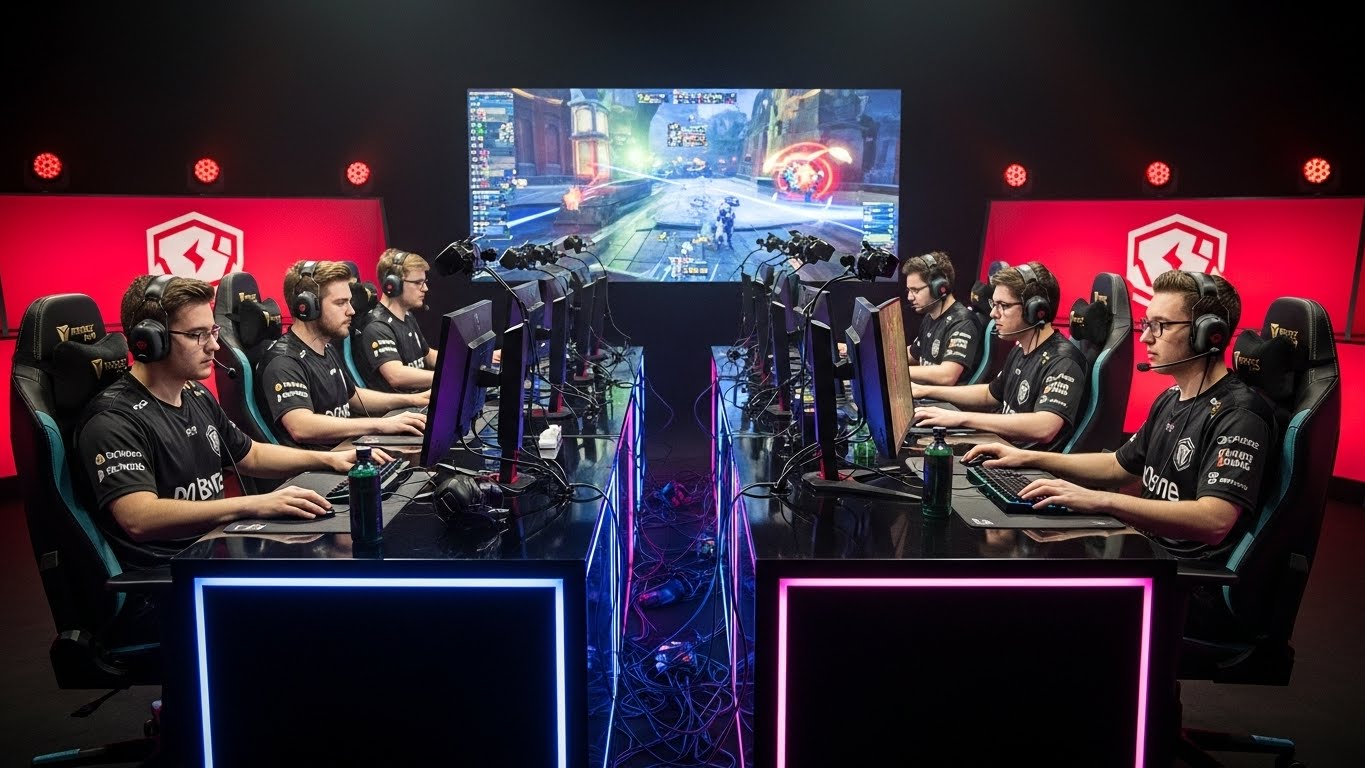
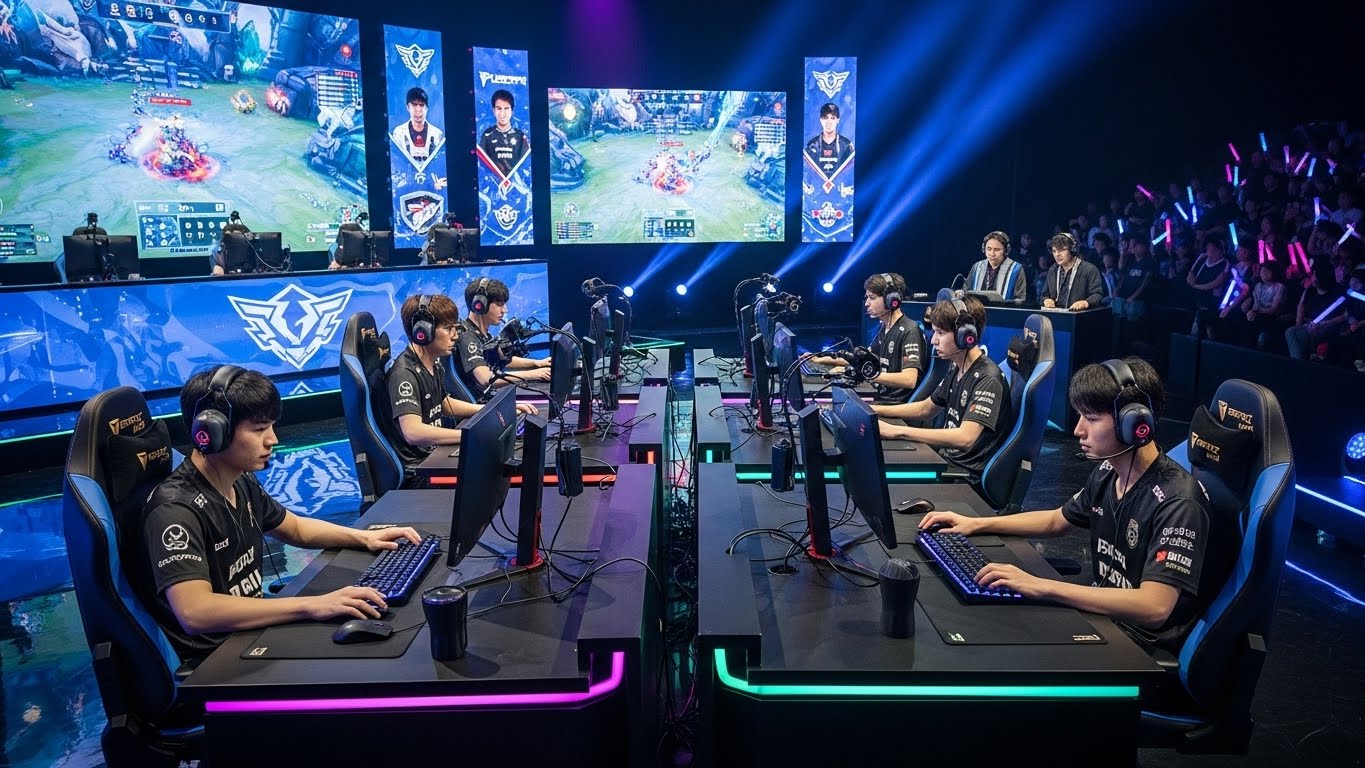
As Esports grew, professionalism became essential. Major organizations began to form structured teams, complete with coaches, analysts, and managers. Training regimens became more rigorous, often matching those of traditional sports teams. Players studied strategies, perfected reflexes, and spent hours refining their craft.
Esports organizations like Fnatic, Cloud9, Team Liquid, and T1 became household names. These teams built strong brands that extended beyond competition — into merchandise, content creation, and community engagement. Contracts, salaries, and sponsorships became standard, legitimizing the industry in the eyes of investors and audiences alike.
Behind the scenes, infrastructure such as Esports academies and training facilities emerged, helping nurture the next generation of talent. The once-informal world of gaming evolved into a disciplined environment of strategy, teamwork, and innovation.
Technology: The Engine Driving Esports
Technology has been at the core of Esports evolution. From the earliest 8-bit consoles to today’s ultra-fast gaming PCs and cloud servers, each leap in technology has expanded the possibilities of competition.
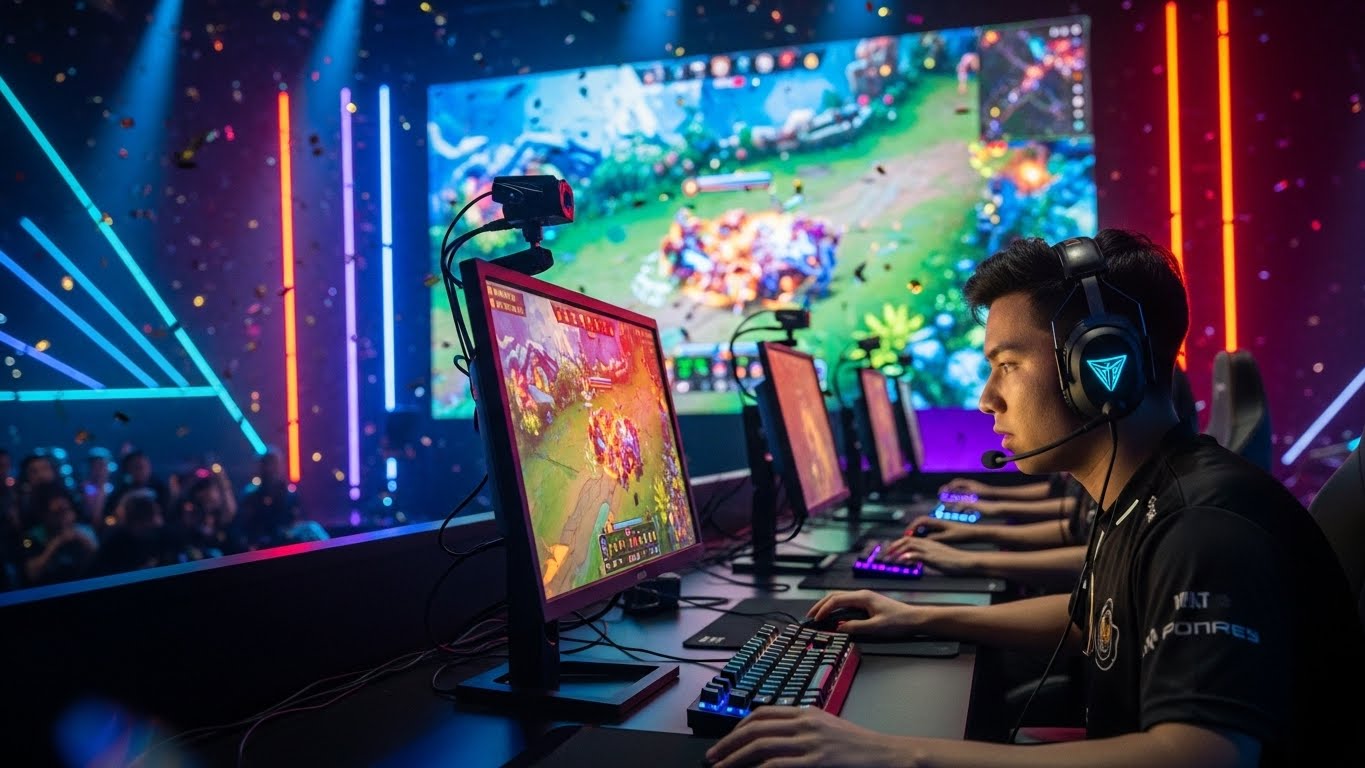
Modern Esports depends on cutting-edge innovations like high-refresh-rate monitors, powerful GPUs, and ultra-low latency connections. Virtual Reality (VR) and Augmented Reality (AR) are starting to make their way into the competitive scene, promising more immersive and interactive experiences. Additionally, Artificial Intelligence is being used to analyze gameplay, detect cheating, and enhance training programs.
The use of data analytics has also revolutionized Esports. Teams analyze performance metrics — from reaction time to strategic movement — to gain a competitive edge. Much like traditional sports use analytics to improve player performance, Esports uses technology to refine tactics, optimize decision-making, and predict opponent behavior.
Esports as a Cultural Movement
Beyond competition, Esports has grown into a full-blown cultural movement. Gaming has become a shared language across generations and geographies. Esports represents the merging of technology, art, and community — an ecosystem that welcomes diversity and creativity.
Music artists collaborate with Esports events, fashion brands design collections inspired by gaming culture, and universities offer scholarships to aspiring Esports athletes. In many ways, Esports is reshaping how people perceive digital entertainment. No longer dismissed as a mere pastime, it has become a legitimate career path and a respected art form.
The appeal of Esports lies in its inclusivity. Anyone with a computer, console, or even a mobile phone can participate. The digital world levels the playing field, allowing talent and dedication to shine above all else.
The Economics of Esports
The Esports industry today is valued in the billions, with revenues coming from sponsorships, advertising, media rights, ticket sales, and merchandise. Companies from various sectors — technology, beverage, apparel, and automotive — are investing heavily in Esports sponsorships to reach younger, tech-savvy audiences.
Prize pools for top tournaments now exceed tens of millions of dollars. The International for Dota 2 holds the record for the largest prize pool in gaming history, with players taking home life-changing amounts. Streaming platforms also provide additional revenue sources, including subscriptions, donations, and ad revenue for players and organizations.
The business model of Esports mirrors that of traditional sports but with digital innovation at its core. Leagues and franchises have emerged, such as the Overwatch League and Call of Duty League, with city-based teams and structured seasons. This framework helps ensure long-term stability and global engagement.
Esports in Education and Career Development
The influence of Esports has reached educational institutions worldwide. Universities and colleges are establishing Esports programs, offering degrees in game design, broadcasting, management, and performance. Students are learning not only how to play competitively but also how to navigate the broader Esports ecosystem — from production and marketing to analytics and event management.
High schools are integrating Esports into extracurricular programs, teaching teamwork, communication, and problem-solving. For many young people, Esports offers a sense of belonging and a pathway to careers that combine passion with professionalism.
Esports also opens opportunities beyond playing. Commentators, coaches, analysts, event organizers, and content creators form an entire industry around competitive gaming. The sector has become a fertile ground for creativity and innovation, inspiring countless entrepreneurs and developers.
Diversity and Inclusion in Esports
While Esports has made great strides, the journey toward full inclusivity continues. Historically, the industry has faced challenges around gender representation and diversity. However, initiatives and movements are actively working to create a more welcoming space for everyone.
Female players, streamers, and organizers are breaking barriers, proving that skill and dedication transcend gender. Tournaments exclusively for women and mixed events are helping promote visibility and representation. Accessibility is also improving, allowing players with disabilities to compete using adaptive technologies.
This growing inclusivity not only enhances the spirit of competition but also reflects the universal nature of gaming. Esports, at its best, is about community — a place where everyone can connect, compete, and celebrate together.
Challenges Facing the Esports Industry
Despite its rapid success, Esports faces several challenges. One of the biggest concerns is player burnout. Professional gamers often train for long hours under immense pressure, leading to physical and mental health issues. The industry is now recognizing the importance of well-being, with many organizations incorporating mental health support and balanced training schedules.
Another challenge lies in maintaining fair competition. Issues like cheating, match-fixing, and doping have occasionally surfaced, threatening the integrity of tournaments. To combat this, organizations are implementing stricter regulations, advanced monitoring systems, and clear codes of conduct.
Financial sustainability is another key challenge. While major teams and events thrive, smaller organizations struggle to secure funding and visibility. Balancing commercial interests with grassroots growth remains a delicate task. Moreover, the volatility of the gaming industry — with new titles constantly emerging — means teams must adapt quickly to stay relevant.
The Role of Governments and Institutions
Governments around the world are beginning to recognize Esports as an official form of competition. Countries like South Korea, China, and the United States have established Esports associations to regulate the industry and support its development. International bodies are also exploring ways to integrate Esports into traditional sporting frameworks.
In some regions, Esports is even being considered for inclusion in multi-sport events. The Asian Games, for instance, have already hosted Esports as a medal event, signaling a major step toward global recognition. Such institutional support helps legitimize Esports and provides players with the same respect and benefits as athletes in conventional sports.
Esports and Traditional Sports: A Convergence
The relationship between Esports and traditional sports has evolved from rivalry to collaboration. Major sports franchises — including those from basketball, soccer, and Formula 1 — have invested in Esports teams and leagues. This convergence bridges two worlds, allowing fans of traditional sports to engage with digital competition in new ways.
Both fields share common values: discipline, teamwork, strategy, and entertainment. Esports mirrors the thrill of physical sports but brings the added dimension of interactivity and innovation. The boundaries between the virtual and real are blurring, creating a unified vision of competitive excellence.
Esports Arenas and Live Experiences
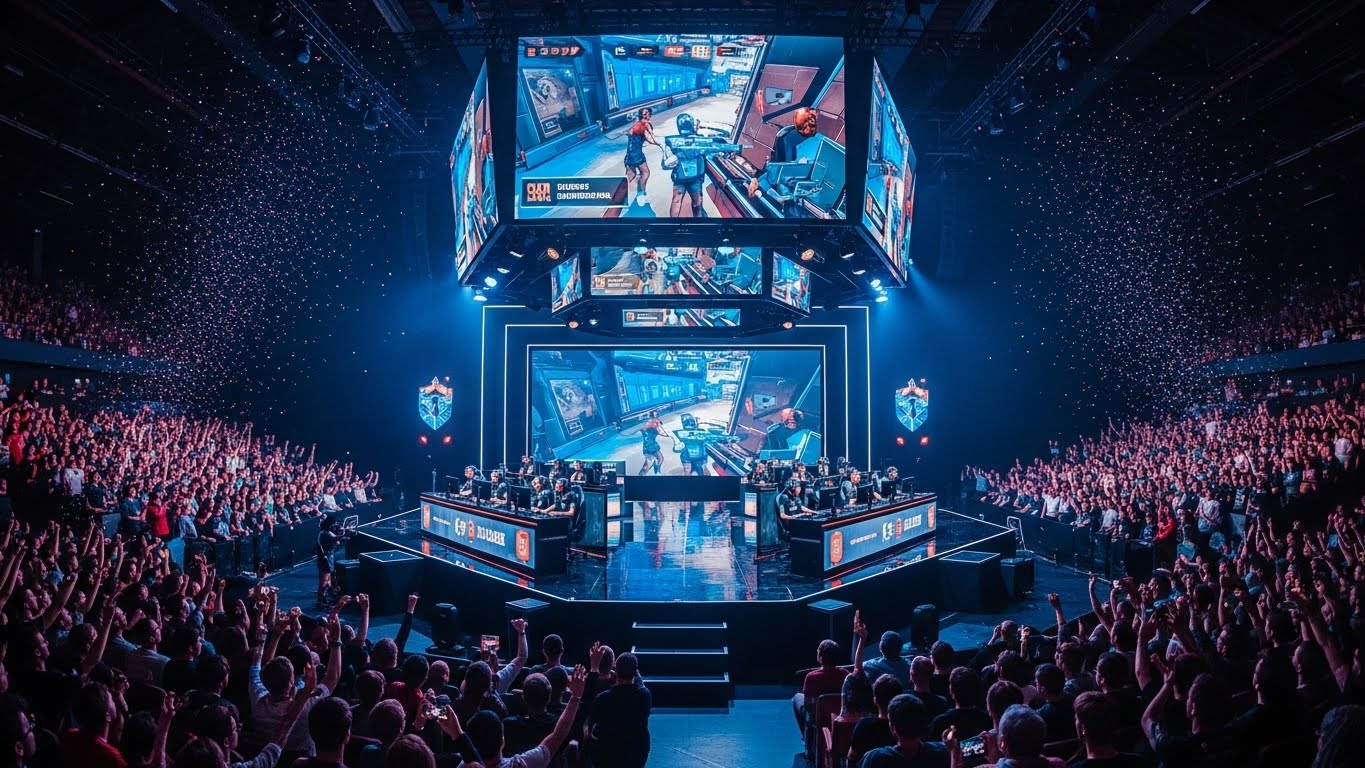
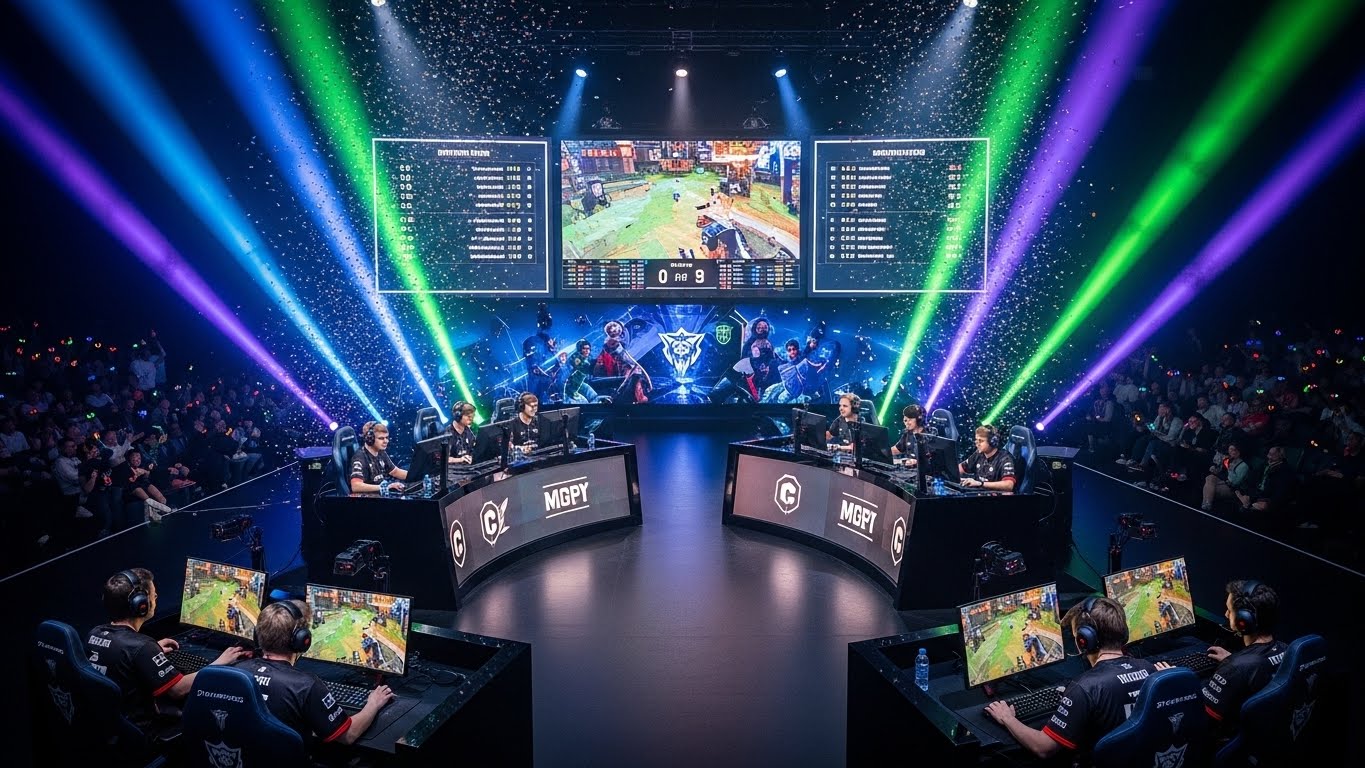
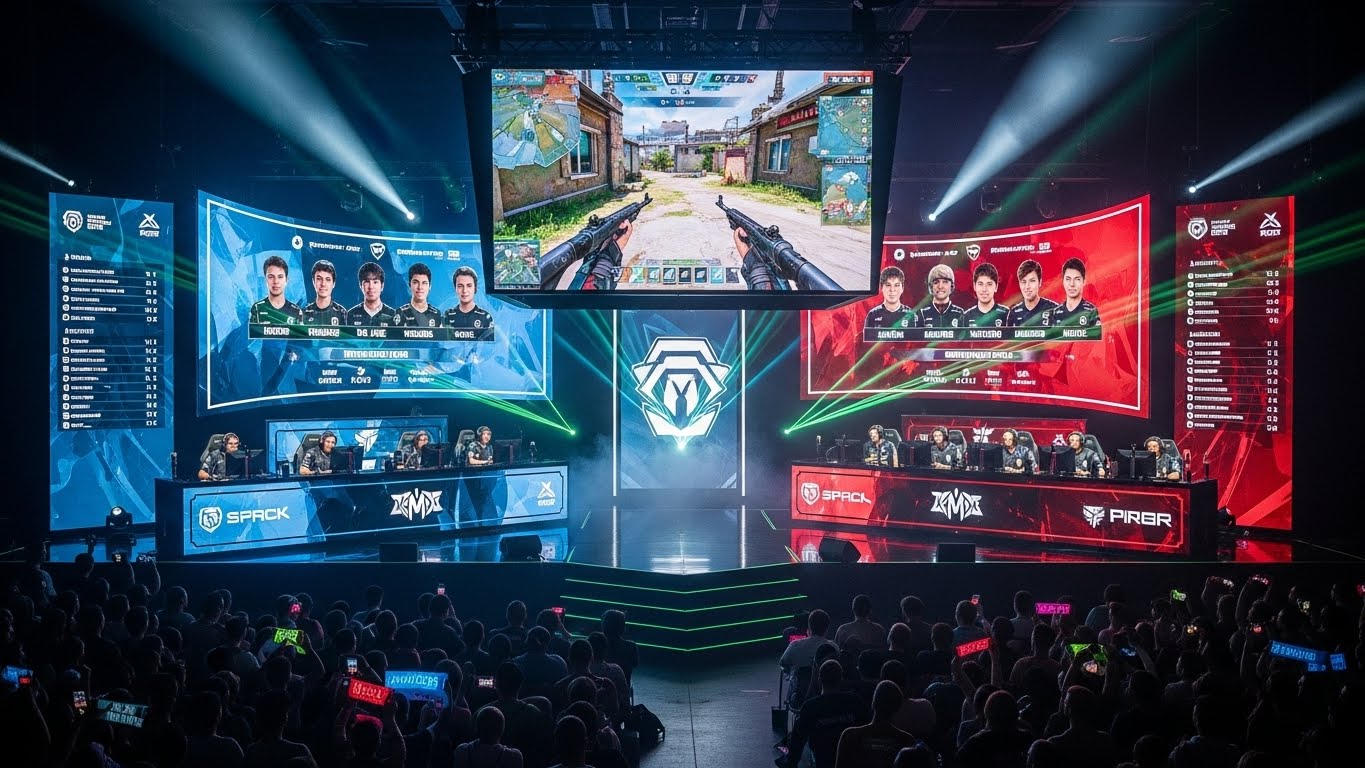
The energy of live Esports events is unmatched. Massive arenas, vibrant lights, and roaring fans create an atmosphere similar to major sporting events. The League of Legends World Championship and Fortnite World Cup have been hosted in sold-out stadiums, with production levels rivaling those of Hollywood concerts.
Spectators wear team jerseys, wave banners, and cheer for their favorite players. The excitement is electric, blending digital and physical experiences into one. These events also boost local economies, as fans travel from around the world to attend, contributing to tourism and hospitality sectors.
The rise of virtual events during global restrictions proved that Esports could thrive even without physical gatherings. Online tournaments maintained engagement and demonstrated the flexibility of the industry in adapting to global challenges.
The Future of Esports
Looking ahead, the future of Esports shines bright. Emerging technologies such as cloud gaming, blockchain, and virtual reality are set to redefine the competitive landscape. Cloud-based platforms will allow players to compete seamlessly from anywhere, while blockchain could bring new forms of ownership and transparency to in-game assets and tournament structures.
Virtual and augmented reality promise to make Esports even more immersive, transforming how players and fans interact. The integration of AI-driven analytics and virtual coaching could push skill levels to unprecedented heights.
Moreover, as internet access expands across developing regions, new communities of players and fans will emerge, making Esports a truly global phenomenon. The combination of innovation, inclusivity, and passion will continue to drive the industry forward.
Conclusion: The Game That Never Ends
Esports is more than just a trend — it is a revolution in how we play, connect, and compete. It represents the perfect blend of technology, talent, and storytelling. From humble arcade beginnings to international championships watched by millions, Esports has proven that gaming is not a solitary pursuit but a shared cultural experience.
As the boundaries between digital and physical worlds continue to blur, Esports stands as a testament to human creativity and ambition. It’s not just about winning or losing; it’s about pushing limits, building communities, and celebrating the spirit of play. The arena of Esports is vast, vibrant, and ever-evolving — and its journey has only just begun.