clashcircle44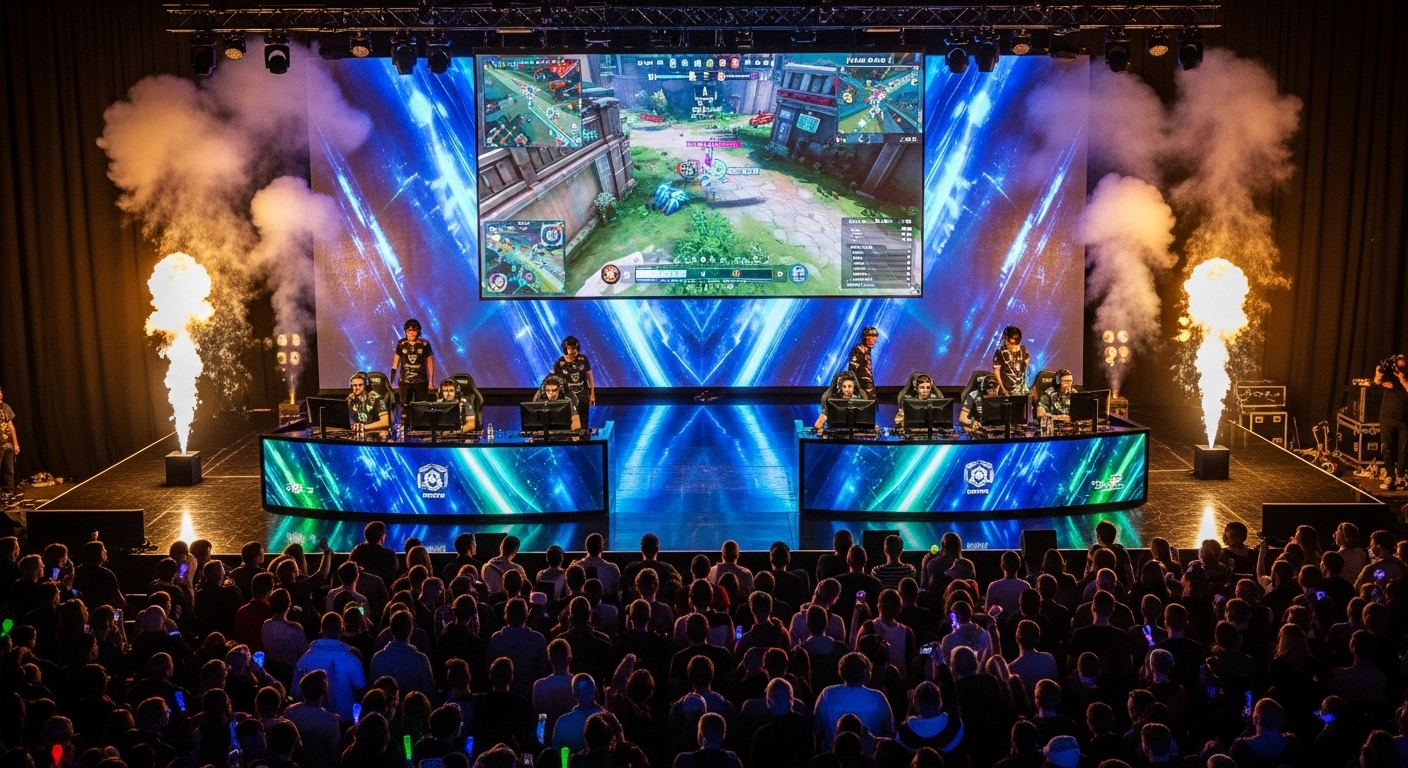
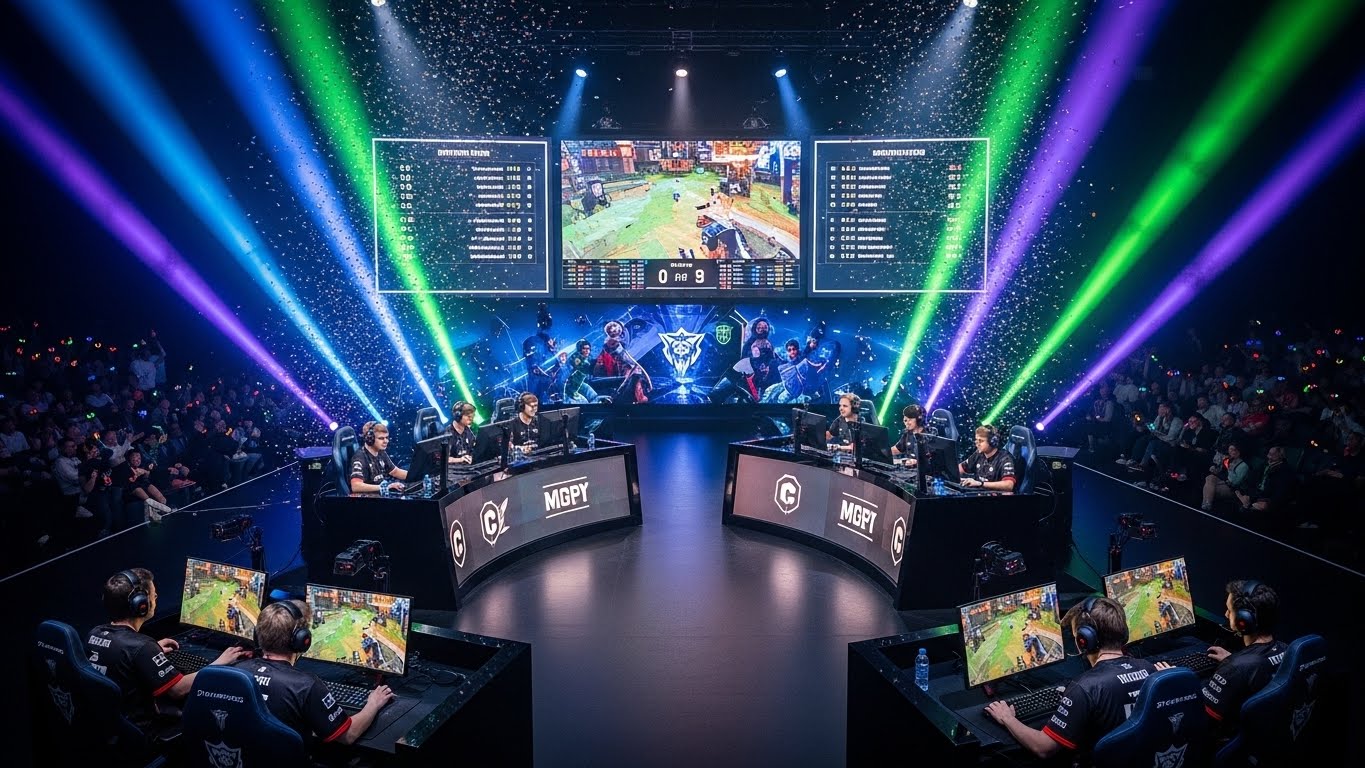
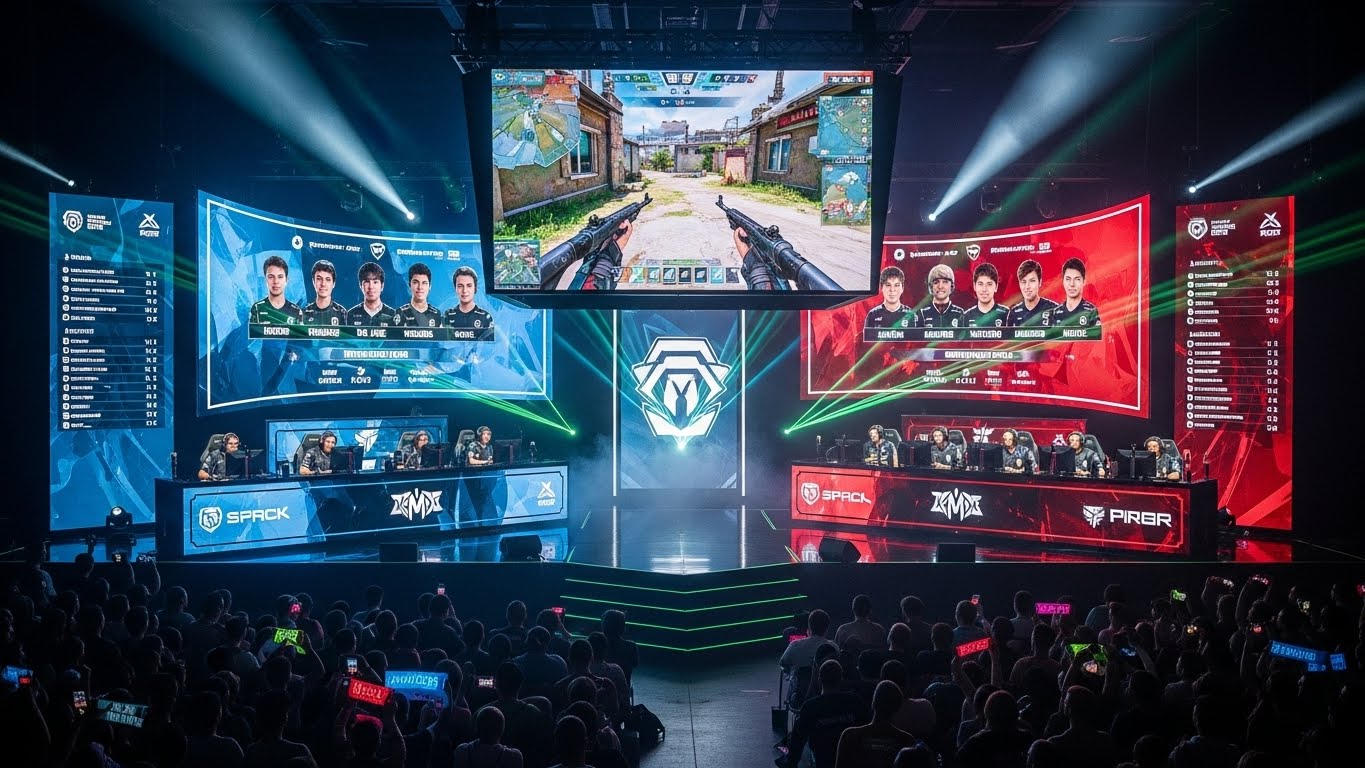
In the last few decades, the term “esports” has evolved from an obscure niche to a global phenomenon that captures the attention of millions. What began as small gaming competitions in basements and local arcades has transformed into a multibillion-dollar industry that fills entire stadiums, attracts corporate sponsorships, and creates celebrity-level fame for players who once would have been considered hobbyists. The story of esports is not just about games; it’s about technology, culture, community, and the human desire to compete and connect in new ways.
The Early Days of Competitive Gaming
The roots of esports can be traced back to the late 1970s and early 1980s, when video games began to take hold in arcades and on early home consoles. The idea of competing for high scores was already part of the gaming culture. The 1980 Space Invaders Championship, organized by Atari, is often cited as the first major esports event. More than ten thousand players participated across the United States, showcasing how even in its infancy, gaming had the potential to unite people through competition.
Through the 1980s and 1990s, competitive gaming continued to grow quietly alongside the development of personal computers and gaming consoles. Titles like Street Fighter II, Mortal Kombat, and GoldenEye 007 gave rise to informal tournaments among friends and local communities. Meanwhile, PC gaming opened the door for more complex competitive experiences, especially with the emergence of strategy and first-person shooter games such as StarCraft, Quake, and Counter-Strike.
What truly distinguished these early eras was the grassroots nature of the competition. There were no professional teams, sponsorship deals, or live-streaming platforms. Players competed for pride, bragging rights, and sometimes small cash prizes or trophies. Yet, these humble beginnings laid the foundation for something far greater.
The Internet Revolution and the Birth of Organized Esports
The late 1990s and early 2000s marked the turning point for gaming as the internet became more accessible. The ability to connect players from around the world revolutionized the way games were played and perceived. Multiplayer experiences were no longer limited to local setups; now, anyone could challenge opponents from across continents.
During this period, organizations such as the Cyberathlete Professional League (CPL) and Major League Gaming (MLG) began to emerge. They brought structure, legitimacy, and exposure to competitive gaming. Counter-Strike, StarCraft, and Warcraft III became defining titles of this generation, each cultivating massive competitive communities. South Korea, in particular, became the epicenter of esports culture, with televised StarCraft matches turning professional gamers into national celebrities.
The combination of online connectivity, early streaming technology, and a growing sense of community set the stage for esports to transition from underground hobby to mainstream entertainment.
The Explosion of Esports in the 2010s
The 2010s were the decade that catapulted esports into the global spotlight. This period saw the convergence of several powerful forces — improved internet speeds, the rise of live streaming platforms, and the growth of social media. Suddenly, competitive gaming was not only accessible but also highly watchable.
Platforms like Twitch and YouTube Gaming allowed fans to watch tournaments, follow their favorite players, and engage with communities in real-time. This interactivity was unlike anything traditional sports could offer. Players could respond directly to their audiences, and fans could witness every move, mistake, and triumph as it happened.
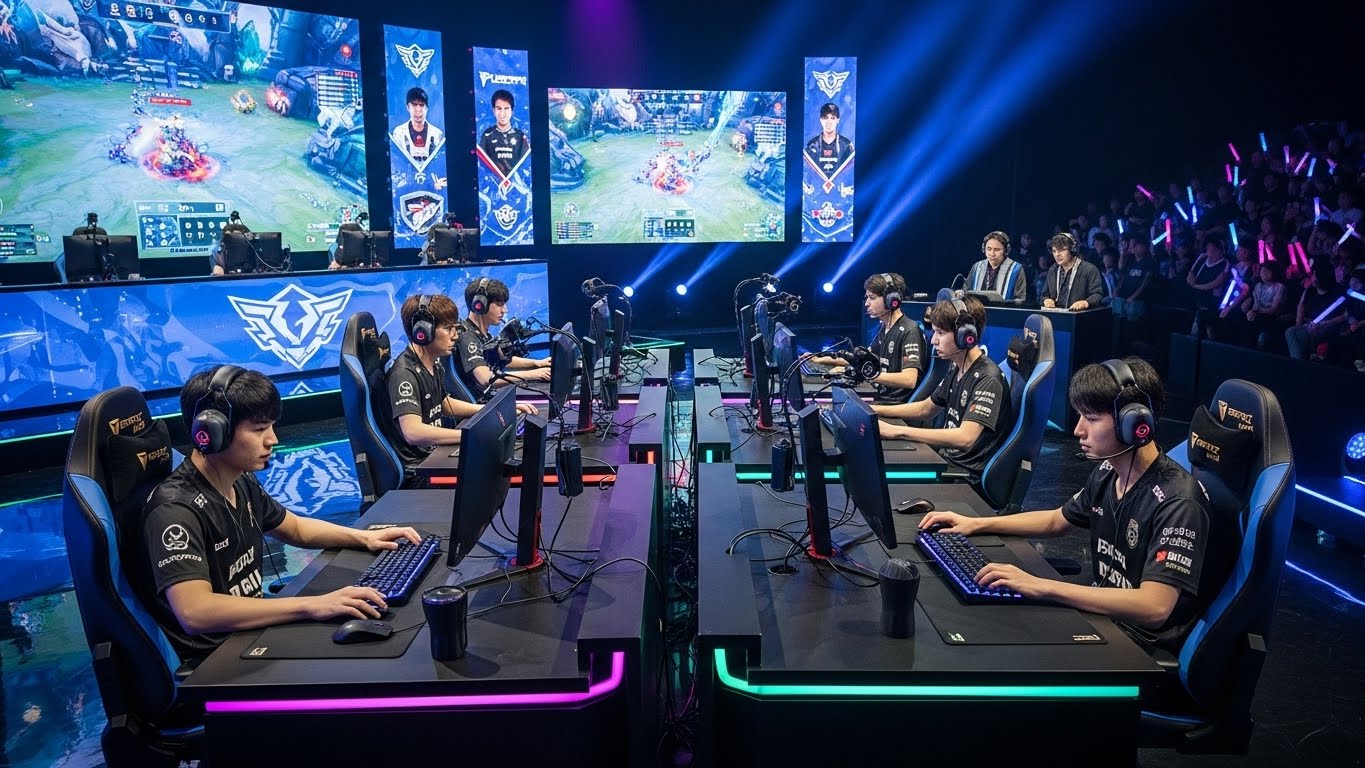
Games such as League of Legends, Dota 2, and Counter-Strike: Global Offensive became synonymous with esports during this era. Each developed its own ecosystem of leagues, teams, and tournaments. The League of Legends World Championship began drawing millions of live viewers, rivaling the audiences of major sporting events. The Dota 2 International broke records with its ever-increasing prize pools, thanks to contributions from the game’s player base.
Meanwhile, other genres also began finding their footing in the esports world. Fighting games like Street Fighter and Super Smash Bros., sports simulations like FIFA and NBA 2K, and battle royales like Fortnite all began carving their places within the scene.
By the end of the decade, esports was no longer a subculture — it was a global entertainment industry.
The Professionalization of Players and Teams
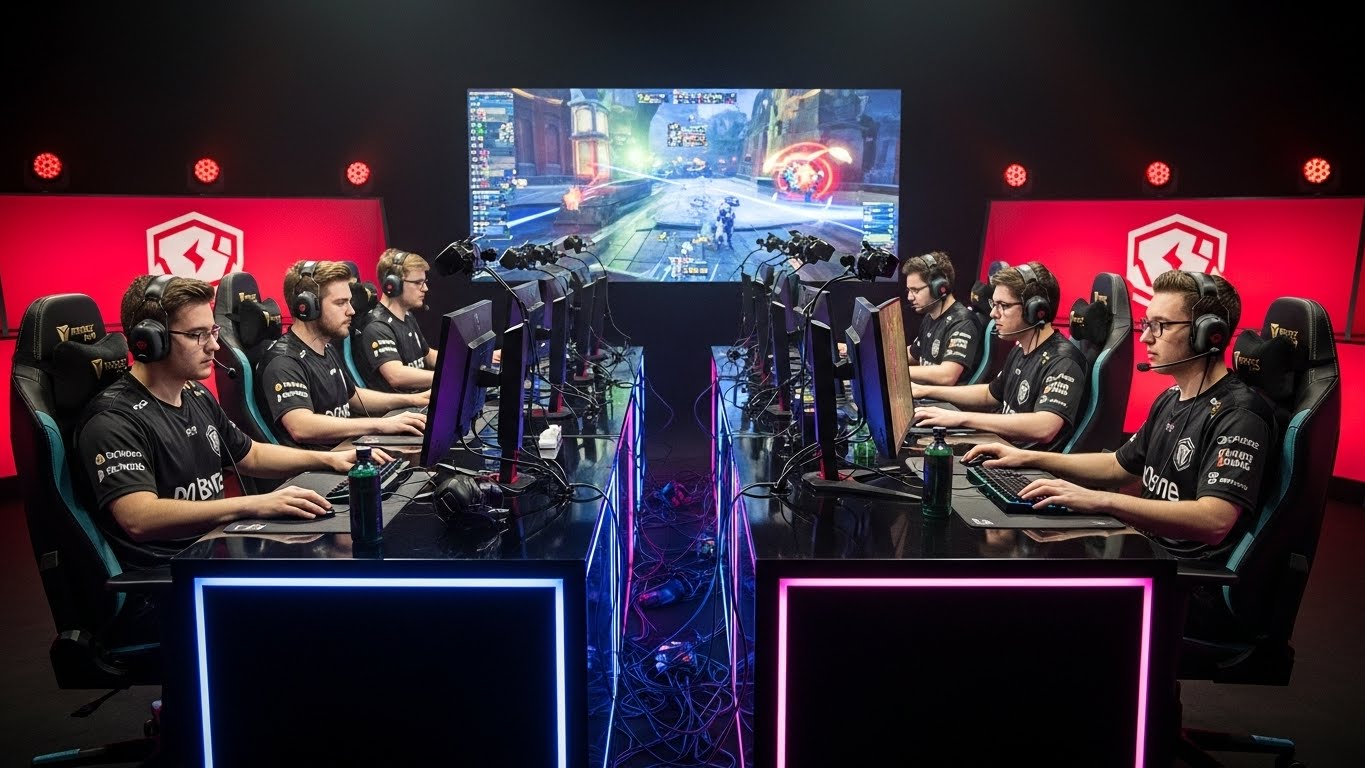
As the industry grew, so too did the professionalism of those within it. Gone were the days when players competed casually from their bedrooms. Top esports organizations began recruiting talent, hiring coaches, analysts, and support staff to help their players perform at peak levels. Training houses became standard, where players lived and practiced together full-time, mirroring the rigorous preparation of traditional athletes.
Salaries for professional players skyrocketed. Top-tier competitors began earning not only from tournament winnings but also from sponsorships, endorsements, streaming deals, and merchandise sales. The esports lifestyle, once seen as unconventional, became an aspirational career path for young gamers worldwide.
Yet with professionalism came new challenges. The intense training schedules, pressure to perform, and constant travel began taking a toll on players’ mental and physical health. Conversations about burnout, stress, and career longevity became more common. In response, some teams introduced sports psychologists, nutritionists, and structured schedules to create healthier environments.
This evolution mirrored traditional sports in both its triumphs and growing pains, showing how esports was maturing into a legitimate competitive field.
The Role of Technology in Esports’ Growth
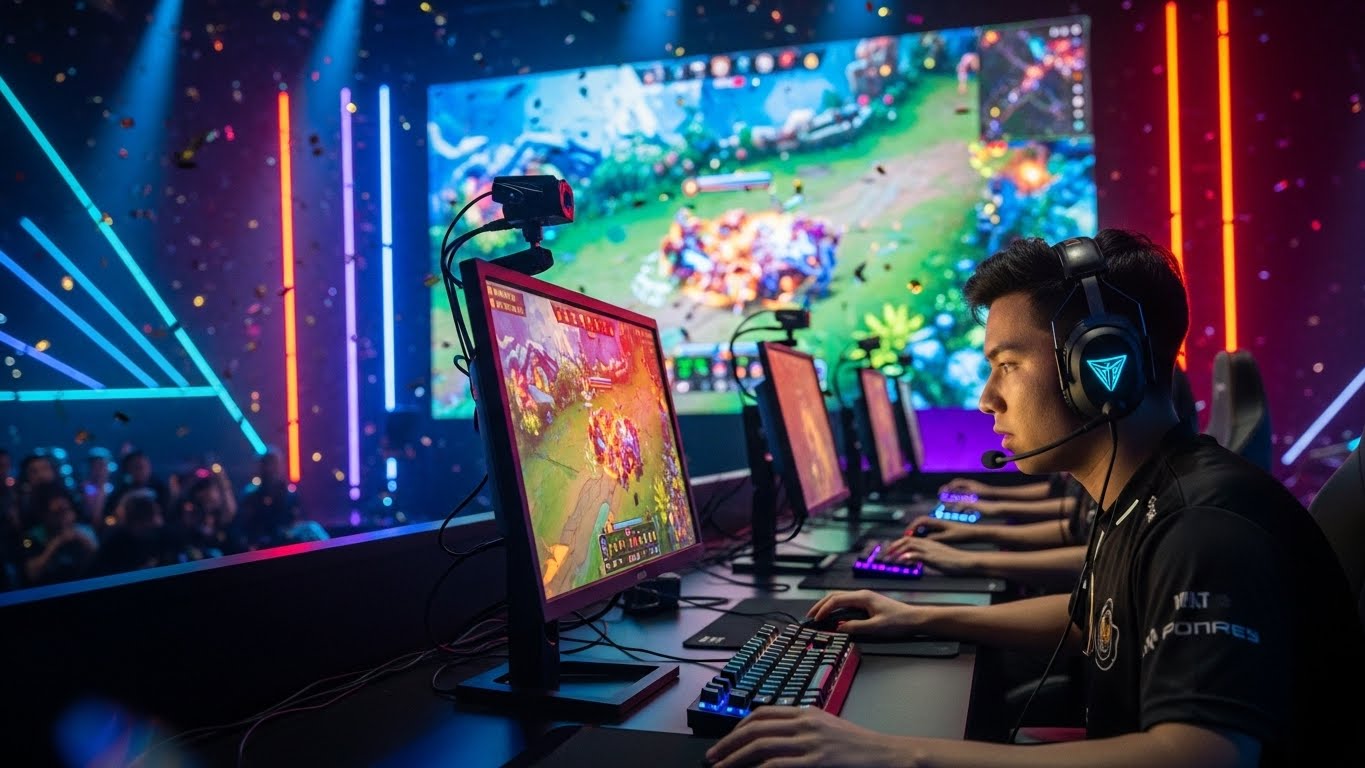
Technology has always been at the heart of esports, driving both the games themselves and the experiences surrounding them. High-performance computers, faster internet speeds, and advancements in streaming technology have all played essential roles. The introduction of powerful gaming hardware, such as high-refresh monitors and low-latency peripherals, allowed players to perform with greater precision and consistency.
Streaming platforms brought fans closer than ever to the action. Real-time chat features and interactive broadcasts turned passive viewing into active participation. Audiences could cheer for their favorite players, donate to their streams, and even influence certain in-game events during special broadcasts.
Additionally, the integration of virtual and augmented reality technologies began to push the boundaries of what competitive gaming could look like. Although VR esports remain a niche for now, the potential for immersive competitive experiences is undeniable. As technology continues to evolve, esports will likely find new ways to engage audiences both virtually and physically.
The Economic Power of Esports
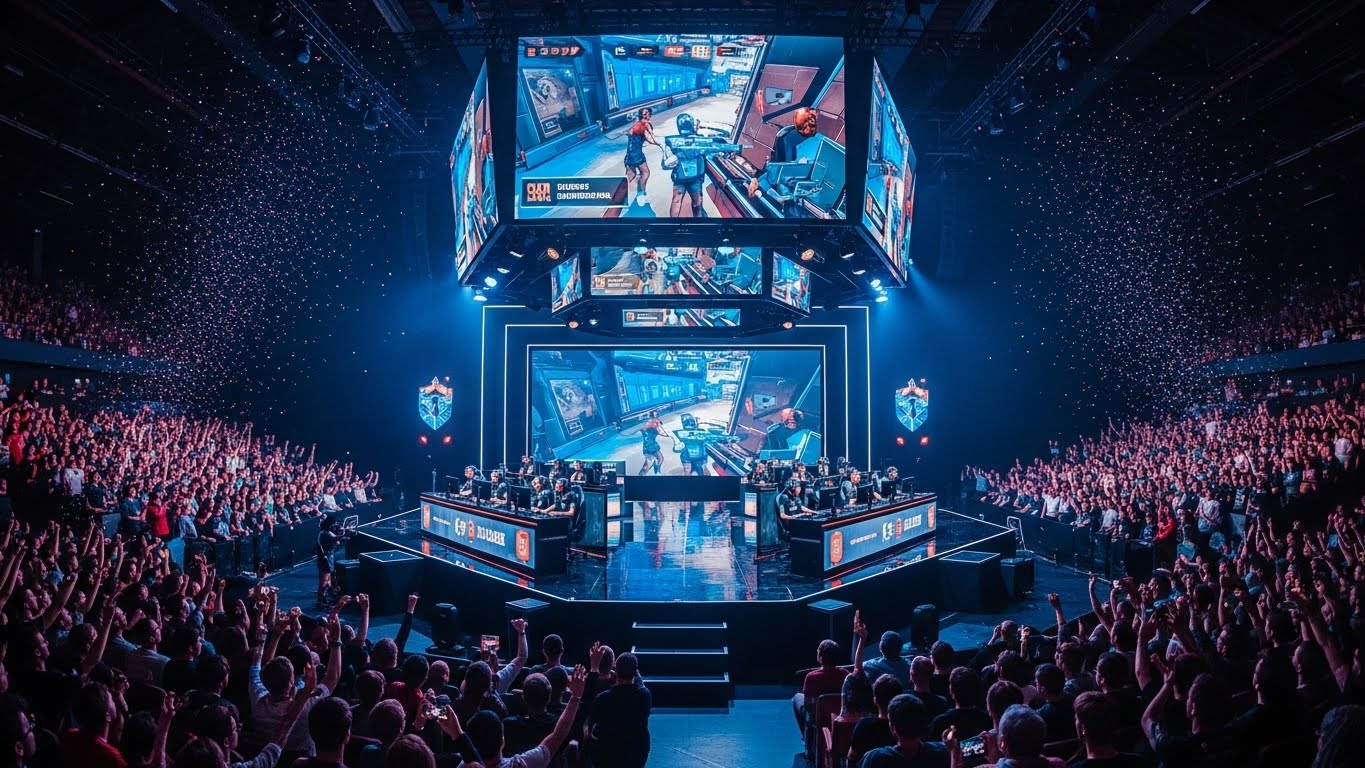
By the 2020s, esports had become a powerhouse in the global entertainment economy. Major corporations, from hardware manufacturers to beverage companies, began investing heavily in sponsorships. Entire cities started competing to host major tournaments, understanding the tourism and publicity benefits that come with them.
Prize pools for premier events often reached tens of millions of dollars, while streaming platforms attracted advertising deals worth even more. Franchised leagues, such as the Overwatch League and the Call of Duty League, began structuring themselves similarly to traditional sports leagues, complete with team ownership, player contracts, and regional representation.
Esports also opened doors for countless related careers. Beyond players, there are commentators, analysts, event organizers, social media managers, content creators, and marketing professionals all contributing to the industry’s ecosystem. The rise of esports education programs and university scholarships has further solidified its position as a legitimate career path.
The Globalization of Esports
One of the most remarkable aspects of esports is its truly global nature. Unlike traditional sports, which often have strong cultural or geographical ties, esports transcends borders. A fan in Brazil can support a team from Sweden; a player in Korea can compete against someone from Canada. The only real requirement is an internet connection and a shared passion for the game.
Countries around the world have embraced esports differently. South Korea continues to be a cultural leader, treating professional gamers with the same respect as traditional athletes. China has invested heavily in infrastructure and government recognition of esports as a legitimate profession. In North America and Europe, esports organizations have aligned themselves closely with established sports brands, often sharing ownership or partnerships with major franchises.
Meanwhile, emerging regions like Southeast Asia, Latin America, and Africa are rapidly building their own esports communities, fueled by growing internet access and youthful populations. This global participation ensures that esports remains one of the most diverse and inclusive forms of entertainment today.
The Role of Community and Fandom
At the heart of esports lies its community — passionate, engaged, and deeply invested. The relationship between players and fans is unlike that of any other entertainment medium. Fans not only watch their favorite teams compete but also interact directly with them through streams, social media, and live events.
This sense of closeness builds loyalty and identity. Fans wear team jerseys, follow player updates, and discuss matches with the same intensity seen in traditional sports fandoms. Online communities form around every major title, from League of Legends to Valorant, creating a shared sense of belonging.
Fan creativity also plays a major role in esports culture. Memes, highlight videos, fan art, and custom content circulate widely, enriching the ecosystem. Esports thrives on this symbiotic relationship between players, creators, and audiences, where everyone contributes to the narrative and energy of the scene.
The Challenges Facing Esports
Despite its rapid growth and success, esports faces several challenges that will shape its future. One of the primary issues is sustainability. While prize pools and sponsorships continue to grow, not all organizations or players benefit equally. Smaller teams often struggle to secure funding, and the competitive nature of the industry makes long-term stability difficult.
Another challenge is maintaining integrity within competitions. Issues such as cheating, match-fixing, and performance-enhancing software have occasionally tarnished the reputation of esports. To combat this, governing bodies and organizations have begun implementing stricter regulations, anti-cheat technologies, and standardized codes of conduct.
There is also an ongoing debate about player welfare. Many professional gamers start their careers at a young age and face immense pressure to perform. The fast-paced nature of esports means players often retire in their mid-twenties, facing uncertain futures. This has prompted calls for better education, post-career support, and more sustainable career paths within the industry.
Additionally, as esports grows, it must navigate issues of inclusivity and diversity. While progress has been made, barriers still exist for women and underrepresented groups in gaming. Addressing these challenges will be crucial for ensuring that esports remains a positive and inclusive space for all.
Esports and the Education System
In recent years, esports has found an unexpected ally — education. Schools and universities have begun recognizing the value of competitive gaming not just as entertainment, but as a tool for learning and development. Esports programs teach teamwork, communication, strategy, and discipline — skills that are highly applicable in real-world contexts.
Many universities now offer esports scholarships, treating gaming talent similarly to traditional athletic ability. Academic programs focused on esports management, broadcasting, and marketing are also on the rise, preparing students for a variety of industry roles. This integration into education further legitimizes esports as a long-term, structured career path.
The Cultural Impact of Esports
Esports has had a profound cultural impact, reshaping how society views gaming, entertainment, and competition. It has blurred the lines between digital and physical sports, creating a new hybrid form of entertainment that speaks directly to younger generations.
Cultural crossovers are now common. Musicians, celebrities, and even athletes participate in esports events or stream games themselves. Film and television have begun to feature stories inspired by competitive gaming, reflecting its influence on mainstream culture.
Moreover, esports has become a symbol of modern connectivity. It represents a generation raised in the digital age — one that values interactivity, creativity, and global connection. The growth of esports has also helped destigmatize gaming, shifting public perception from “wasting time” to a legitimate form of skill, strategy, and art.
The Future of Esports
Looking forward, the future of esports appears bright and boundless. As technology continues to advance, the experiences surrounding competitive gaming will become even more immersive. Virtual and augmented reality, artificial intelligence-driven spectatorship, and enhanced production quality will redefine what it means to watch and participate in esports.
Moreover, as more countries invest in infrastructure and recognition, esports may one day achieve the same institutional status as traditional sports, with global federations, standardized rules, and potentially even inclusion in events like the Olympics.
What remains certain is that esports will continue to evolve alongside the digital world. Its unique combination of technology, community, and competition ensures that it will remain at the forefront of entertainment for generations to come.
Conclusion: More Than Just Games
Esports began as small gatherings of passionate players chasing high scores. Today, it stands as one of the most influential movements in modern entertainment. It embodies the evolution of technology, the power of global connection, and the limitless potential of human creativity.
While challenges remain, the spirit that drives esports — the desire to compete, improve, and share experiences — continues to thrive. Whether in packed arenas or on live streams watched by millions, esports represents a new frontier of sport and culture.
It is more than just a game. It is a testament to how far we have come and how far we can still go when passion meets technology, and when play becomes something far greater than entertainment — a way of life.